2026 Infrastructure Bill: Driving 500,000 New Jobs Across the Nation
Advertisement
The United States stands at the precipice of a monumental economic transformation, spearheaded by the ambitious 2026 Infrastructure Bill. This landmark legislation is not merely a collection of budgetary allocations; it is a visionary blueprint designed to modernize the nation’s aging infrastructure, stimulate unprecedented economic activity, and, most importantly, create a staggering half a million new jobs across various sectors. The Infrastructure Bill Jobs initiative is more than just a promise; it’s a strategic investment in the future prosperity and competitiveness of the American workforce and economy.
For decades, discussions about the state of American infrastructure have highlighted critical deficiencies in roads, bridges, public transit, water systems, broadband networks, and energy grids. These shortcomings have not only hindered economic efficiency but also posed significant safety and environmental challenges. The 2026 Infrastructure Bill represents a bipartisan consensus that proactive, substantial investment is no longer optional but imperative. This article will delve into the intricate details of this legislation, exploring its scope, the specific sectors it targets, the types of jobs it will generate, and the long-term economic benefits it promises.
The sheer scale of the 2026 Infrastructure Bill is breathtaking. It allocates trillions of dollars towards projects that will touch every corner of the nation, from bustling urban centers to remote rural communities. This comprehensive approach ensures that the benefits of revitalization are broadly distributed, fostering equitable growth and opportunity. The focus on creating Infrastructure Bill Jobs is central to its mission, aiming to put Americans back to work in meaningful, well-paying positions that contribute directly to national development.
Advertisement
Understanding the Scope of the 2026 Infrastructure Bill
To fully appreciate the impact of the 2026 Infrastructure Bill, it’s essential to understand its broad and multifaceted scope. This legislation is not confined to a single type of project but rather encompasses a holistic approach to national development. It addresses critical needs across several key areas, each designed to improve quality of life, enhance economic productivity, and secure a sustainable future. The emphasis on creating Infrastructure Bill Jobs is woven into the fabric of every initiative, ensuring that investment translates directly into employment opportunities.
Roads, Bridges, and Public Transit Modernization
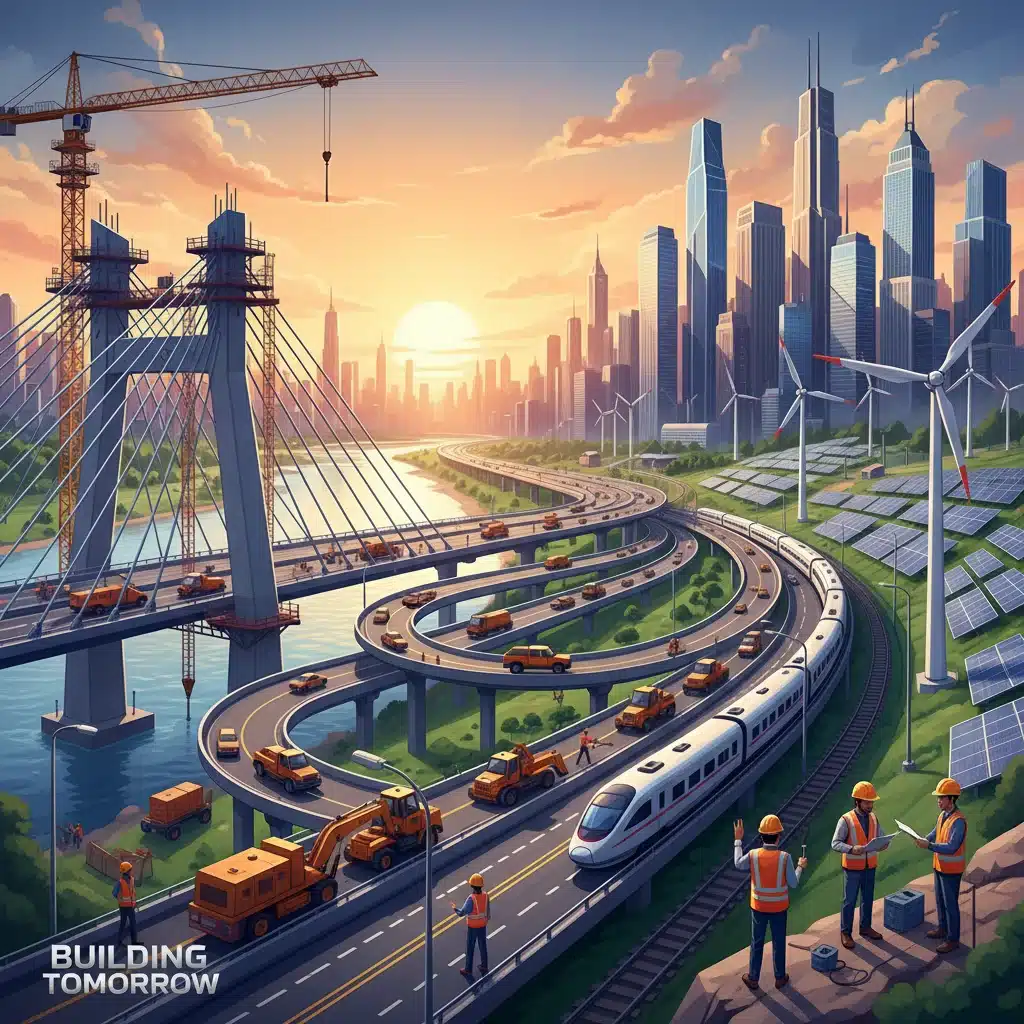
One of the most visible components of the bill is the massive investment in surface transportation. America’s roads and bridges, many of which are decades old, are in dire need of repair and upgrade. The bill earmarks significant funds for repairing dilapidated highways, strengthening structurally deficient bridges, and expanding public transit networks. This includes not only traditional road construction but also the development of smart highway technologies, electric vehicle charging infrastructure, and improved pedestrian and cycling paths. These projects will create an immediate surge in demand for construction workers, engineers, project managers, and material suppliers, all contributing to the growth of Infrastructure Bill Jobs.
The modernization of public transit systems is equally crucial. Many urban areas struggle with outdated train lines, bus fleets, and station facilities. The 2026 Infrastructure Bill aims to revolutionize public transportation, making it more efficient, accessible, and environmentally friendly. This involves investing in new rail cars, expanding subway lines, improving bus routes, and integrating digital ticketing systems. Such endeavors will require a diverse workforce, from train operators and mechanics to software developers and urban planners, all benefiting from the direct and indirect creation of Infrastructure Bill Jobs.
Advertisement
Water Infrastructure and Environmental Resilience
Beyond transportation, the bill makes substantial commitments to improving the nation’s water infrastructure. This includes replacing lead pipes, upgrading wastewater treatment plants, and investing in new technologies for water conservation and purification. Many communities across the country still rely on aging water systems that pose health risks and are vulnerable to climate change impacts. The new legislation will fund projects to ensure clean, safe drinking water for all Americans and enhance the resilience of water systems against natural disasters like floods and droughts. This segment will generate considerable Infrastructure Bill Jobs for plumbers, environmental engineers, hydrologists, and construction crews specializing in water management.
Furthermore, the bill addresses environmental resilience by funding projects related to coastal restoration, wildfire prevention, and hazard mitigation. These initiatives are crucial for protecting communities from the growing threats of climate change. Investments in natural infrastructure solutions, such as wetlands restoration and urban greening, will also create new job categories and expand existing ones, contributing to the overall count of Infrastructure Bill Jobs.
Expanding Broadband Access and Digital Equity
In the 21st century, reliable internet access is no longer a luxury but a necessity. Yet, millions of Americans, particularly in rural and underserved urban areas, lack access to affordable, high-speed broadband. The 2026 Infrastructure Bill dedicates substantial resources to closing this digital divide. This involves laying thousands of miles of fiber optic cable, deploying new wireless technologies, and ensuring that every household and business has access to reliable internet. This will not only connect communities but also create thousands of Infrastructure Bill Jobs for network engineers, technicians, cable installers, and IT support specialists.
The digital equity component also extends to providing affordable internet options and digital literacy programs, ensuring that all Americans can fully participate in the digital economy. This holistic approach to broadband access will foster innovation, enable remote work and learning, and unlock new economic opportunities, all while bolstering the growth of Infrastructure Bill Jobs in the technology sector.
Modernizing the Energy Grid and Promoting Clean Energy
A resilient and sustainable energy grid is fundamental to national security and economic stability. The 2026 Infrastructure Bill includes significant investments in upgrading the nation’s electrical grid, making it more resistant to extreme weather events and cyberattacks. It also champions the transition to clean energy by funding renewable energy projects, such as solar and wind farms, and supporting the development of advanced energy storage solutions. This push towards a greener energy future will create a wealth of Infrastructure Bill Jobs in renewable energy manufacturing, installation, maintenance, and research and development.
The bill also supports electric vehicle infrastructure, including charging stations and battery manufacturing facilities, further solidifying America’s commitment to a sustainable transportation future. These investments will not only reduce carbon emissions but also establish the U.S. as a leader in green technology, generating a new wave of Infrastructure Bill Jobs in emerging industries.
The 500,000 Job Creation Promise: A Deeper Dive
The projection of 500,000 new jobs is a cornerstone of the 2026 Infrastructure Bill’s appeal. This figure represents a conservative estimate of direct and indirect employment opportunities that will emerge as a result of the legislation’s implementation. These are not merely temporary positions but often long-term careers that will provide stability and growth for American families. The focus on Infrastructure Bill Jobs is designed to address unemployment, underemployment, and the demand for skilled labor in critical sectors.
Direct vs. Indirect Job Creation
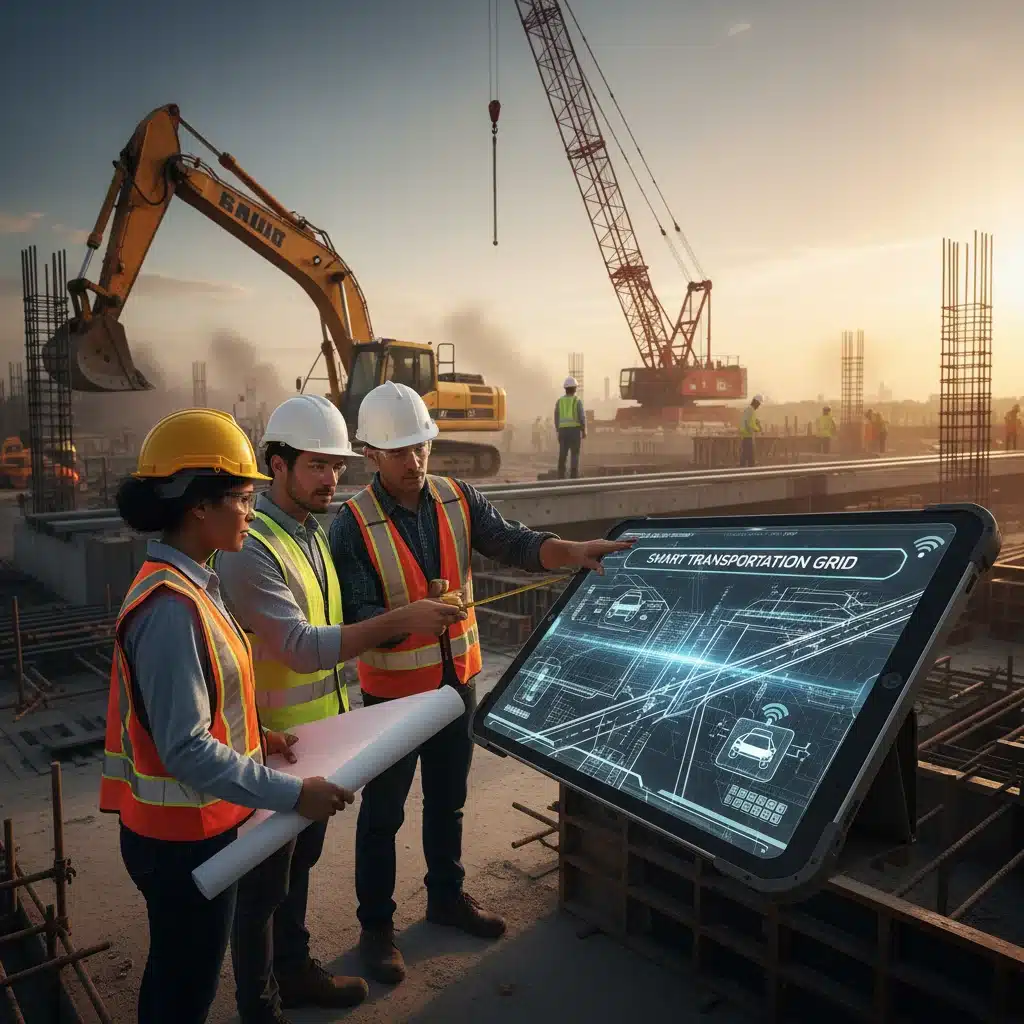
It’s important to distinguish between direct and indirect job creation. Direct jobs are those immediately involved in the construction, engineering, and management of infrastructure projects. This includes roles such as civil engineers, construction workers, equipment operators, project managers, electricians, plumbers, and ironworkers. These are the frontline workers who will be physically building and upgrading the nation’s infrastructure.
Indirect jobs, on the other hand, are created in supporting industries and sectors that supply materials, equipment, and services to the infrastructure projects. This can include manufacturing jobs for steel, concrete, and machinery; logistics and transportation roles; administrative and clerical positions; and jobs in hospitality and retail that cater to the increased economic activity in project areas. The ripple effect of these investments means that the impact of Infrastructure Bill Jobs extends far beyond the construction site.
Job Creation Across Key Sectors
The 500,000 Infrastructure Bill Jobs will be distributed across a wide array of sectors:
- Construction: This sector will see the largest immediate boost, with demand for skilled tradespeople, laborers, and supervisors.
- Engineering and Architecture: New projects will require extensive planning, design, and oversight, leading to increased demand for civil, structural, environmental, and electrical engineers, as well as architects.
- Manufacturing: The need for construction materials, machinery, and components will stimulate growth in manufacturing industries across the country.
- Technology: Broadband expansion, smart infrastructure development, and grid modernization will create jobs for IT professionals, network engineers, and cybersecurity experts.
- Transportation and Logistics: Improved infrastructure will enhance the efficiency of goods movement, creating jobs in trucking, rail, and port operations.
- Energy: The clean energy transition will drive demand for workers in renewable energy installation, maintenance, and manufacturing.
- Environmental Services: Water infrastructure and environmental resilience projects will require specialists in water treatment, conservation, and ecological restoration.
Economic Impact and Long-Term Benefits
Beyond the immediate job creation, the 2026 Infrastructure Bill is expected to deliver substantial long-term economic benefits, solidifying the importance of Infrastructure Bill Jobs for sustained prosperity. These benefits will accrue over decades, transforming the American economic landscape.
Enhanced Productivity and Competitiveness
Modernized infrastructure is a direct catalyst for increased economic productivity. Efficient transportation networks reduce commuting times and shipping costs, making businesses more competitive. Reliable broadband access enables greater innovation and remote work opportunities. A resilient energy grid ensures consistent power supply, preventing costly disruptions. These improvements will allow businesses to operate more efficiently, reduce overheads, and expand their reach, ultimately contributing to a stronger national economy. The skilled workforce developed through Infrastructure Bill Jobs will further enhance this productivity.
Sustainable Growth and Environmental Stewardship
The bill’s emphasis on clean energy and environmental resilience projects ensures that economic growth is pursued in a sustainable manner. Investments in renewable energy reduce reliance on fossil fuels, mitigating climate change impacts and creating a cleaner environment. Improved water infrastructure protects public health and conserves vital resources. These initiatives align economic development with environmental stewardship, creating a model for responsible growth. The green Infrastructure Bill Jobs created will be at the forefront of this transition.
Improved Quality of Life
The benefits of the 2026 Infrastructure Bill extend beyond economic metrics to directly improve the quality of life for everyday Americans. Safer roads, more efficient public transit, and access to clean water and high-speed internet are fundamental to modern living. These improvements enhance public safety, reduce stress, and provide greater opportunities for education, healthcare, and social connection. The creation of stable, well-paying Infrastructure Bill Jobs also contributes directly to community well-being and economic stability for families.
Regional Development and Equity
The comprehensive nature of the bill means that investments will be spread across all regions, including historically underserved communities. This focus on equitable distribution of resources aims to reduce regional disparities and provide opportunities for growth in areas that have been left behind. By bringing essential infrastructure to these communities, the bill can unlock new economic potential, attract investment, and create local Infrastructure Bill Jobs, fostering more balanced national development.
Challenges and Implementation Strategies
While the promise of the 2026 Infrastructure Bill is immense, its successful implementation will require careful planning, coordination, and overcoming potential challenges. Ensuring that the 500,000 Infrastructure Bill Jobs are indeed created and sustained will depend on several factors.
Workforce Development and Training
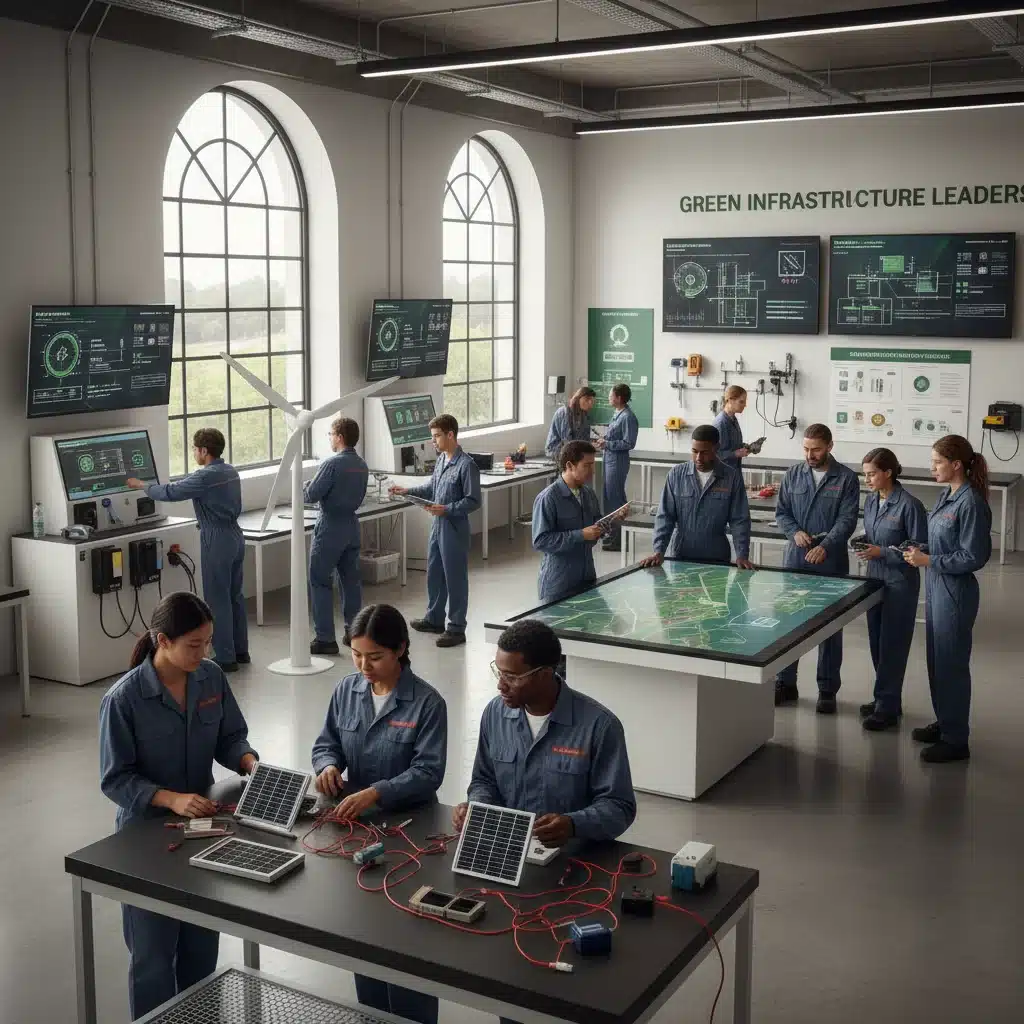
A significant challenge will be ensuring that there is a sufficiently skilled workforce to fill the newly created jobs. Many infrastructure projects require specialized skills that may be in short supply. The bill implicitly calls for robust workforce development programs, vocational training, and apprenticeships to prepare Americans for these roles. Partnerships between government, educational institutions, and private industry will be crucial in building the talent pipeline needed to execute these projects effectively and maximize the impact of Infrastructure Bill Jobs.
Investment in STEM education and technical training will be paramount. Programs that reskill workers from declining industries into new infrastructure-related fields will also be vital. The success of the bill hinges not just on funding projects but on investing in the people who will build them.
Supply Chain Resilience
The scale of the infrastructure projects will place significant demands on supply chains for materials like steel, concrete, semiconductors, and specialized equipment. Ensuring that these supply chains are resilient, domestically focused where possible, and not subject to undue disruptions will be critical. The bill’s implementation must consider strategies to strengthen domestic manufacturing capabilities to support these projects and create additional Infrastructure Bill Jobs in manufacturing.
Efficient Project Management and Oversight
Managing trillions of dollars in investments across thousands of projects will require robust oversight, transparency, and efficient project management. Preventing waste, fraud, and abuse will be paramount to maintaining public trust and ensuring that funds are allocated effectively to create the intended Infrastructure Bill Jobs and deliver tangible results. Federal, state, and local agencies will need to collaborate closely and adopt best practices in project delivery.
The Role of Innovation and Technology
The 2026 Infrastructure Bill is not just about rebuilding; it’s about building smarter. Innovation and technology will play a pivotal role in the success of these projects and in shaping the nature of Infrastructure Bill Jobs. From advanced materials to digital twins and artificial intelligence, technology will enhance efficiency, safety, and sustainability.
Smart Infrastructure Solutions
The bill encourages the adoption of smart infrastructure solutions, such as intelligent transportation systems that optimize traffic flow, smart grids that manage energy distribution more efficiently, and sensors that monitor the health of bridges and pipelines. These technologies will create new roles for data scientists, software developers, cybersecurity experts, and technicians specializing in IoT (Internet of Things) applications, broadening the scope of Infrastructure Bill Jobs.
Sustainable Materials and Construction Techniques
Research and development into sustainable materials, such as low-carbon concrete and recycled asphalt, will be critical. The bill also promotes innovative construction techniques like modular construction and 3D printing, which can reduce waste, accelerate project timelines, and lower costs. These advancements will create specialized Infrastructure Bill Jobs in material science, sustainable engineering, and advanced manufacturing.
Digital Transformation in Project Delivery
The use of Building Information Modeling (BIM), geographic information systems (GIS), and drones for surveying and inspection will revolutionize project planning and execution. These digital tools improve collaboration, reduce errors, and enhance safety on construction sites. Workers will need to be trained in these new technologies, creating a demand for digitally proficient professionals among the Infrastructure Bill Jobs.
Conclusion: A New Era of American Prosperity
The 2026 Infrastructure Bill represents a generational investment in America’s future. By committing to modernize our nation’s foundational systems, from transportation and water to broadband and energy, the legislation sets the stage for a new era of economic growth, innovation, and improved quality of life. The promise of 500,000 new Infrastructure Bill Jobs is not merely a statistic; it signifies hundreds of thousands of opportunities for Americans to build rewarding careers, contribute to their communities, and secure a more prosperous future for themselves and their families.
This bill is a testament to the power of collective action and a belief in the potential of American ingenuity. Its successful implementation will require ongoing collaboration between all levels of government, private industry, labor unions, and educational institutions. As the nation embarks on this ambitious journey, the focus must remain steadfast on maximizing the impact of every dollar invested, ensuring that the created Infrastructure Bill Jobs are sustainable, equitable, and truly transformative. The 2026 Infrastructure Bill is more than just a piece of legislation; it’s a blueprint for a stronger, more resilient, and more connected America.
The ripple effects of this investment will be felt for decades to come, not only in the physical infrastructure that crisscrosses our nation but also in the vibrant communities it supports and the thriving workforce it empowers. The future of American infrastructure is bright, and with it, the future of the American worker.