2026 SNAP Program Changes: Understanding Your Potential 5% Allotment Impact
Advertisement
The 2026 SNAP Program: How Recent Policy Shifts Could Impact Your Monthly Allotment by 5%
The Supplemental Nutrition Assistance Program (SNAP), a cornerstone of food security for millions of Americans, is constantly evolving. As we look ahead to 2026, significant policy shifts are on the horizon that could directly influence the monthly allotments received by eligible households. Understanding these impending changes is crucial for current beneficiaries and those who may qualify in the future. This comprehensive guide will delve into the anticipated 2026 SNAP changes, focusing specifically on how recent legislative and administrative decisions might lead to a potential 5% impact on your monthly benefits. We will explore the driving forces behind these adjustments, who might be most affected, and what steps you can take to stay informed and mitigate any potential negative impacts.
The landscape of federal assistance programs is complex, often subject to economic pressures, legislative priorities, and administrative reviews. The 2026 SNAP program is no exception. Discussions surrounding fiscal responsibility, program efficiency, and targeted support frequently lead to reevaluations of benefit levels and eligibility criteria. For many families, SNAP benefits represent a critical lifeline, ensuring access to nutritious food and contributing to overall household stability. A 5% adjustment, whether an increase or decrease, can have a tangible effect on a family’s grocery budget and their ability to maintain a healthy diet. Therefore, staying abreast of these developments is not just about understanding policy; it’s about safeguarding your family’s well-being.
Understanding the Context: What Drives 2026 SNAP Changes?
Before we dissect the potential 5% impact on your monthly SNAP allotment, it’s essential to grasp the broader context that informs these program adjustments. The 2026 SNAP program changes are not isolated events but rather a culmination of various factors. These typically include:
Advertisement
- Farm Bill Negotiations: The Farm Bill, a massive piece of legislation reauthorized every five years, dictates much of the SNAP program’s structure, funding, and policies. The next iteration of the Farm Bill will heavily influence the 2026 SNAP landscape. Debates around work requirements, benefit calculations, and program administration are central to these negotiations.
- Economic Indicators: Inflation rates, unemployment figures, and poverty levels play a significant role in how SNAP benefits are calculated and adjusted. Periods of high inflation, for instance, can prompt calls for increased benefits to maintain purchasing power, while improved economic conditions might lead to discussions about scaling back.
- Administrative Reviews and Cost-of-Living Adjustments (COLAs): The U.S. Department of Agriculture (USDA), which oversees SNAP, regularly reviews the program’s effectiveness and makes administrative adjustments. Additionally, annual cost-of-living adjustments are made to various federal benefits, though their application to SNAP can vary based on specific legislative mandates.
- State-Level Implementation: While SNAP is a federal program, it is administered by individual states. State-specific policies, budgeting, and administrative efficiencies can also subtly influence how federal guidelines translate into actual benefits for residents.
- Political Priorities and Budgetary Constraints: The political climate and federal budgetary priorities significantly shape the direction of social programs. Depending on the prevailing political philosophy, there may be pushes for either expanding or contracting the scope and generosity of SNAP benefits. Budgetary constraints, particularly during times of national debt concerns, can also lead to proposals for program modifications.
The interplay of these factors creates a dynamic environment for the 2026 SNAP program. It’s not uncommon for changes to be proposed, debated, and ultimately implemented, each with its own set of beneficiaries and detractors. For those relying on SNAP, understanding these underlying drivers is the first step toward anticipating and preparing for potential adjustments to their monthly allotment.
The Proposed 5% Impact: What Does It Mean for Your Allotment?
The discussion around a potential 5% impact on monthly SNAP allotments for the 2026 SNAP program is a critical one. This figure, whether representing an increase or a decrease, holds substantial implications for household budgets. Let’s break down what this could mean in practical terms:
Scenario 1: A 5% Decrease in Monthly SNAP Benefits
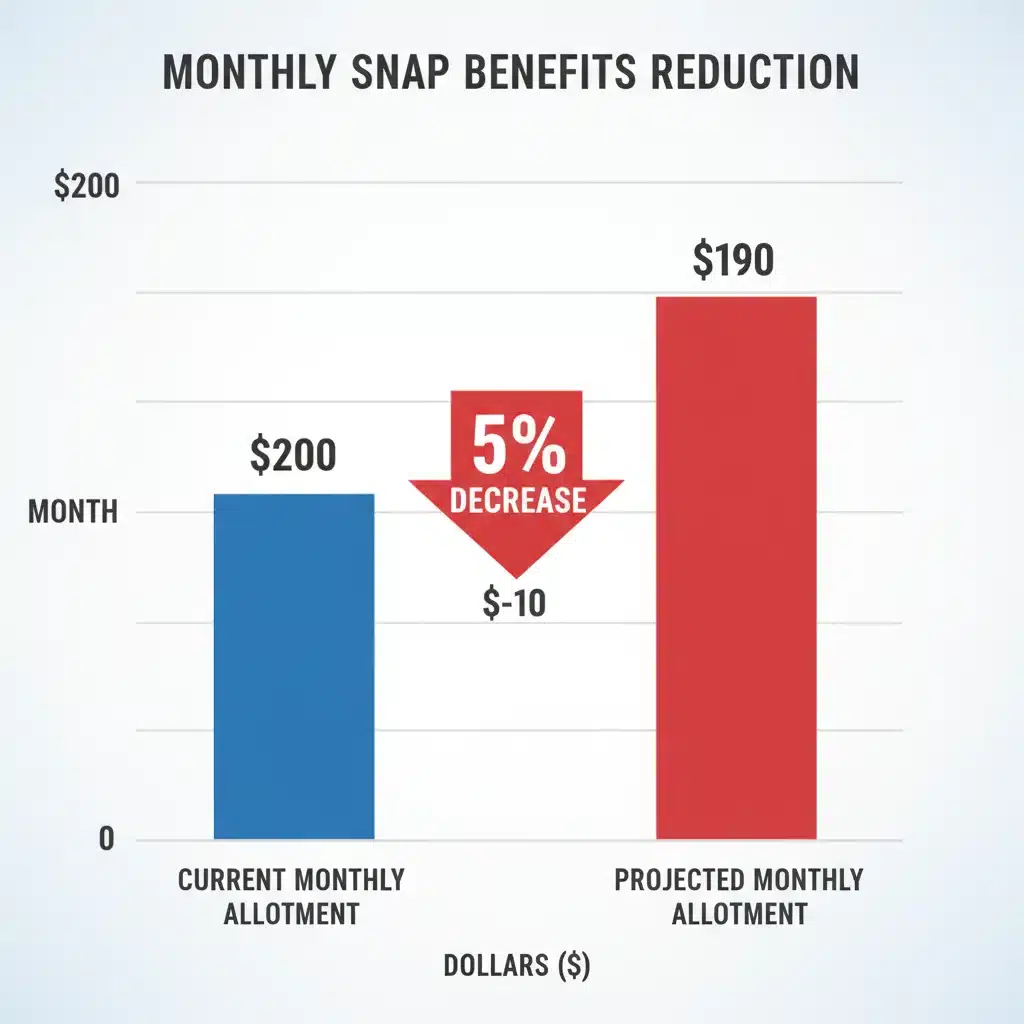
If the policy shifts result in a 5% reduction, it would mean that for every $100 you currently receive in SNAP benefits, you would receive $95. While 5% might seem like a small percentage on paper, its real-world impact can be significant for families already stretching every dollar. For example:
Advertisement
- A household currently receiving $400 per month would see their benefits decrease to $380, a loss of $20.
- A household receiving the maximum allotment of, say, $973 (for a family of four in some regions, subject to change) would see their benefits drop to approximately $924.35, a reduction of nearly $48.65.
This reduction could necessitate difficult choices, forcing families to cut back on essential food items, seek out additional food assistance from charities, or reallocate funds from other critical household expenses. The cumulative effect over a year could amount to hundreds of dollars, significantly impacting food security.
Scenario 2: A 5% Increase in Monthly SNAP Benefits
Conversely, if policy shifts lead to a 5% increase, it would provide a much-needed boost to many families. For every $100 currently received, beneficiaries would get $105. Using the previous examples:
- A household currently receiving $400 per month would see their benefits increase to $420, an additional $20.
- A household receiving the maximum allotment of $973 would see their benefits rise to approximately $1021.65, an increase of nearly $48.65.
An increase would offer greater flexibility in purchasing nutritious foods, potentially allowing for a wider variety of fresh produce, lean proteins, and whole grains. It could also alleviate some of the financial strain on low-income households, freeing up resources for other necessities like utilities or transportation.
It is important to note that the exact percentage and direction (increase or decrease) of any impact on the 2026 SNAP program will depend on the final legislative and administrative decisions. Beneficiaries should monitor official announcements closely to understand the precise nature of these changes.
Who Will Be Affected by 2026 SNAP Changes?
The impact of the 2026 SNAP changes, particularly a 5% adjustment, will not be uniform across all beneficiaries. Certain groups may feel the effects more acutely than others. Understanding these demographics is crucial for targeted support and advocacy.
Vulnerable Populations
Historically, SNAP serves some of the most vulnerable populations. Any reduction in benefits, even a modest 5%, could disproportionately affect:
- Low-Income Families with Children: Many families rely heavily on SNAP to feed their children. A decrease could mean fewer nutritious meals, impacting child development and academic performance.
- Seniors: Older adults, often living on fixed incomes, may find it challenging to absorb a reduction in food assistance. Their nutritional needs are critical, and any cut could compromise their health.
- Individuals with Disabilities: People with disabilities often face higher medical expenses and limited employment opportunities. A reduction in SNAP benefits could exacerbate their financial struggles and hinder their ability to purchase necessary food.
- Unemployed or Underemployed Individuals: Those struggling to find stable employment or working part-time jobs at low wages depend on SNAP to bridge the gap in their food budget. A decrease could push them further into food insecurity.
- Rural Communities: Residents in rural areas often face unique challenges, including limited access to affordable grocery stores and higher transportation costs. A reduction in benefits could magnify these existing hurdles.
Eligibility Criteria and Work Requirements
Beyond the direct monetary impact, the 2026 SNAP program changes could also involve modifications to eligibility criteria or work requirements. For instance, discussions around the Farm Bill often include proposals to:
- Expand or Contract Work Requirements: Changes to who is exempt from work requirements or how many hours must be worked could affect a significant portion of the SNAP population, particularly able-bodied adults without dependents (ABAWDs).
- Adjust Income Thresholds: While less common for minor adjustments, major legislative overhauls could alter the income-to-poverty ratio used to determine eligibility, potentially excluding some households or including others.
- Modify Deductions: The deductions allowed for expenses like housing, utilities, and medical costs can significantly impact a household’s net income, which is used to calculate SNAP benefits. Changes to these deductions could indirectly affect allotment levels.
These policy shifts, combined with any direct percentage adjustment to benefits, paint a complex picture for the 2026 SNAP program. It’s imperative for beneficiaries to understand not just the ‘what’ but also the ‘who’ of these changes, allowing them to anticipate personal impacts and seek relevant support.
Preparing for the 2026 SNAP Program Changes: Actionable Steps
Given the potential for a 5% impact on your monthly SNAP allotment, proactive preparation is key. While the exact nature of the 2026 SNAP changes is still unfolding, there are several actionable steps you can take to mitigate any negative effects and ensure you are maximizing your benefits.
1. Stay Informed and Monitor Official Sources
The most important step is to remain updated. Do not rely solely on rumors or unofficial news. Regularly check official government websites for information regarding the 2026 SNAP program:
- USDA Food and Nutrition Service (FNS): The FNS website is the primary source for federal SNAP policies and announcements.
- Your State’s SNAP Agency Website: Each state administers its own SNAP program, so state-specific updates, application procedures, and local resources will be posted here.
- Local Food Banks and Community Organizations: These organizations often have up-to-date information on changes and can offer direct assistance.
Subscribe to newsletters, follow official social media accounts, or set up news alerts for terms like “2026 SNAP changes” or “SNAP benefits.”
2. Review Your Household Information
Ensure your state SNAP agency has the most accurate and up-to-date information about your household. This includes:
- Income: Report any changes in employment, wages, or other sources of income promptly.
- Household Size: Notify the agency of any births, deaths, or individuals moving into or out of your household.
- Expenses: Keep records of housing costs, utility bills, child care expenses, and medical expenses (especially for seniors and individuals with disabilities), as these can impact your net income calculation and, consequently, your benefit amount.
Accurate reporting ensures your benefits are calculated correctly according to current rules, which is particularly vital if eligibility criteria or deduction rules change for the 2026 SNAP program.
3. Explore Additional Food Assistance Resources
If a 5% reduction in benefits occurs, or even if you simply want to enhance your food security, explore other available resources:
- Food Banks and Pantries: Locate your nearest food banks and pantries. Many offer emergency food assistance, fresh produce, and other groceries.
- Farmers’ Markets and Produce Programs: Some farmers’ markets accept SNAP/EBT and may offer matching programs (e.g., Double Up Food Bucks) to increase your purchasing power for fresh fruits and vegetables.
- WIC Program: If you are pregnant, a new mother, or have children under five, check your eligibility for the Special Supplemental Nutrition Program for Women, Infants, and Children (WIC).
- School Meal Programs: Ensure eligible children are enrolled in free or reduced-price school breakfast and lunch programs.
- Community Gardens and Meals: Look for local community gardens where you can grow your own food or programs that offer free community meals.
4. Budgeting and Financial Planning
Proactive budgeting can help you manage your resources more effectively, especially if your SNAP allotment changes. Consider:
- Meal Planning: Plan meals in advance to minimize waste and make the most of your groceries.
- Shopping Smart: Look for sales, use coupons, and buy in bulk when appropriate.
- Cooking at Home: Preparing meals at home is generally more economical than eating out.
5. Engage in Advocacy (If Comfortable)
If you feel strongly about the direction of the 2026 SNAP program changes, consider engaging in advocacy:
- Contact Elected Officials: Share your concerns and experiences with your congressional representatives and senators.
- Support Advocacy Groups: Organizations working on food security and anti-hunger issues often advocate for strong SNAP benefits.
By taking these steps, you can better navigate the potential 2026 SNAP program changes and continue to provide for your household’s nutritional needs.

The Long-Term Outlook for Food Security and SNAP
The 2026 SNAP program changes, including any potential 5% impact on allotments, are part of a larger, ongoing conversation about food security in the United States. While immediate adjustments are important, it’s also crucial to consider the long-term implications for individuals, families, and the broader economy.
The Role of SNAP in Public Health and Economy
SNAP is not just a food assistance program; it plays a vital role in public health and economic stability. Studies have consistently shown that access to adequate nutrition through programs like SNAP leads to:
- Improved Health Outcomes: Children in SNAP households tend to have better health, fewer hospitalizations, and improved cognitive development. Adults experience fewer diet-related diseases.
- Reduced Poverty: SNAP is a highly effective anti-poverty tool, lifting millions out of poverty each year and reducing its depth for many more.
- Economic Stimulus: Every dollar in SNAP benefits generates between $1.50 and $1.80 in economic activity, as recipients spend their benefits at local grocery stores, supporting jobs and local economies.
Therefore, any changes to the 2026 SNAP program, especially reductions, must be weighed against these significant benefits. A 5% decrease, while seemingly small, could have ripple effects on health outcomes and local economies, particularly in vulnerable communities.
Addressing Root Causes of Food Insecurity
While SNAP is a critical safety net, long-term food security also requires addressing the root causes of poverty and hunger. This includes:
- Living Wages: Advocating for policies that ensure all workers earn a living wage can reduce the need for food assistance.
- Affordable Housing: High housing costs often force families to choose between paying rent and buying food.
- Access to Education and Job Training: Investing in education and skills training can lead to better employment opportunities and increased financial stability.
- Healthcare Access: High medical costs can deplete household budgets, making it harder to afford food.
The discussions around the 2026 SNAP program should ideally be part of a broader strategy that encompasses these interconnected issues, aiming for a society where fewer people need food assistance because they have stable incomes and access to essential resources.
The Future of SNAP
The future of SNAP will likely continue to be shaped by a combination of legislative mandates, economic conditions, and administrative decisions. While a 5% adjustment might be the immediate concern for the 2026 SNAP program, the program’s long-term sustainability and effectiveness will depend on a commitment to evidence-based policy-making that prioritizes the nutritional needs of all Americans. As beneficiaries and concerned citizens, staying engaged and advocating for a robust and responsive SNAP program is essential for ensuring food security for generations to come.
Conclusion: Navigating the 2026 SNAP Program Landscape
The anticipated 2026 SNAP program changes, with the potential for a 5% impact on monthly allotments, underscore the dynamic nature of federal assistance programs. For millions of Americans, SNAP is more than just a benefit; it’s a fundamental support system that ensures access to nutritious food and fosters overall well-being. Understanding the drivers behind these policy shifts, recognizing who might be most affected, and taking proactive steps to prepare are all crucial for navigating the evolving landscape.
As we move closer to 2026, it is imperative to remain informed through official channels, accurately report household information, and explore all available supplementary food resources. Whether the final outcome is an increase or a decrease, being prepared allows beneficiaries to adapt and continue prioritizing their household’s food security. Beyond individual preparedness, the broader conversation around the 2026 SNAP program highlights the ongoing need for robust social safety nets and a concerted effort to address the underlying causes of food insecurity. By staying engaged and advocating for policies that support a strong SNAP program, we can collectively work towards a future where all individuals and families have consistent access to the food they need to thrive.