Seasonal Scent Swaps: Winter to Spring Fragrance Guide for Spain 2025
Anúncios
Transitioning fragrances from winter’s warmth to spring’s freshness in Spain for 2025 requires strategic selection of lighter notes, understanding climate shifts, and adopting new application techniques for an optimal olfactory experience.
Anúncios
As the crisp embrace of winter begins to yield to the burgeoning warmth of spring across Spain in 2025, our personal styles evolve, and so too should our chosen fragrances. The art of the seasonal scent swaps is more than just a change of perfume; it is a thoughtful adaptation to the environment, mood, and even the cultural rhythm of the season. This guide will navigate you through expert strategies to seamlessly transition your olfactory wardrobe from the cozy depths of winter to the vibrant freshness of spring.
Understanding the Spanish Climate Shift for Fragrance Choices
Spain’s diverse climate plays a crucial role in how fragrances perform and are perceived. From the often chilly, sometimes snowy winters of the interior to the milder, rainier coastal regions, the olfactory landscape shifts dramatically as spring approaches. Understanding these regional nuances is the first step in making informed seasonal scent swaps.
Anúncios
Winter in many parts of Spain, particularly the central meseta and northern areas, calls for richer, more robust fragrances. These scents often feature notes like amber, vanilla, oud, and heavy spices, which provide warmth and an enveloping comfort against the cold. As spring unfurls, bringing with it longer days, increased sunlight, and blossoming flora, these heavier notes can feel out of place and even overwhelming.
Regional Climate Variations and Their Impact on Scent
The transition from winter to spring in Spain is not uniform. The southern regions, like Andalusia, experience an earlier and more pronounced arrival of warmth, often bypassing a harsh winter. This means their fragrance transition might begin earlier and lean towards lighter, fresher scents sooner. Conversely, areas like the Pyrenees or northern Spain will hold onto cooler temperatures longer, necessitating a more gradual shift.
- Mediterranean Coast: Early onset of spring, favoring fresh aquatics and light florals.
- Central Spain (Madrid): Distinct four seasons, requiring a clear shift from warm orientals to green and citrus notes.
- Northern Spain (Galicia, Basque Country): Cooler, often damp springs, where crisp, woody florals or even light gourmands can still shine.
- Southern Spain (Andalusia): Rapid warming, ideal for bright citrus, white florals, and airy compositions.
The humidity levels also change with the seasons. Winter often brings drier air, which can make some notes evaporate faster. Spring, especially with its occasional rains, introduces more humidity, which can amplify and prolong the projection of a fragrance. This means a scent that was subtle in winter might become more prominent in spring, urging a lighter hand in application or a switch to inherently softer formulations.
Ultimately, recognizing the specific climatic evolution of your region within Spain will enable you to select fragrances that not only smell delightful but also perform optimally, enhancing your personal aura without clashing with the environment. This foundational understanding is key to successful seasonal scent swaps.
Embracing Lighter Notes: The Spring Olfactory Palette
As winter’s heavy veil lifts, so too should the intensity of your fragrance wardrobe. Spring beckons a shift towards notes that embody freshness, new beginnings, and the vibrant awakening of nature. This means moving away from the deep, resinous, and gourmand notes that provided comfort during colder months and embracing a palette that is bright, airy, and invigorating.
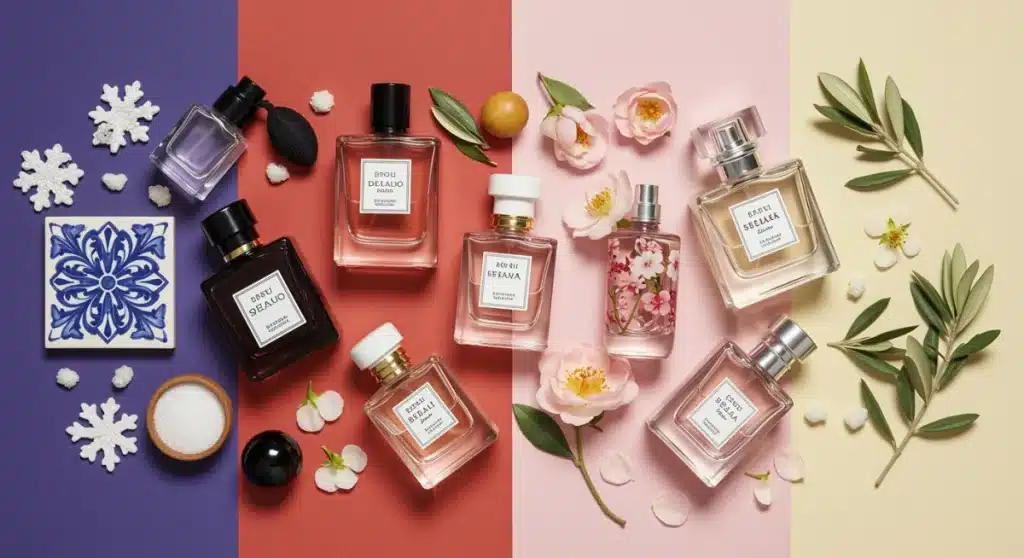
The quintessential spring fragrance palette is dominated by florals, citruses, and green notes. These elements capture the essence of blooming gardens, sun-drenched orchards, and freshly cut grass. Think of the delicate aroma of jasmine, the zesty burst of bergamot, or the crispness of galbanum. These lighter notes create an aura of elegance and vitality, perfectly complementing the longer, brighter days.
Key Fragrance Families for Spring
For an effective seasonal scent swap, familiarize yourself with the fragrance families that truly sing in spring. These families offer a diverse range of options, ensuring there’s a perfect scent for every preference and occasion.
- Citruses: Lemon, bergamot, orange blossom, grapefruit, and mandarin provide an immediate lift, offering a sparkling and energetic opening to any fragrance. They are excellent for daytime wear and can instantly evoke a sense of cleanliness and zest.
- Green Notes: Galbanum, petitgrain, and green tea notes bring a crisp, earthy, and sometimes slightly bitter freshness. They evoke the scent of dewy leaves, fresh-cut grass, and blooming foliage, perfect for an authentic connection to nature’s rebirth.
- White Florals: Jasmine, tuberose, gardenia, and orange blossom are creamy, intoxicating, and often sophisticated. They are versatile and can range from innocent and airy to deeply sensual, making them ideal for both day and evening spring wear.
- Light Florals: Rose, lily of the valley, peony, and freesia offer a softer, more delicate floral bouquet. These notes are often perceived as romantic, graceful, and utterly feminine, embodying the gentle beauty of spring blooms.
When selecting your spring fragrances, pay attention to the overall composition. While a touch of musk or a light woody base can provide longevity and depth, the dominant impression should be one of lightness and transparency. Avoid anything too cloying or overly sweet, as these can become heavy in warmer temperatures. The goal is to feel refreshed and uplifted by your scent, not weighed down.
By consciously shifting your focus to these lighter notes, you can ensure your fragrance perfectly harmonizes with the invigorating spirit of spring in Spain. This strategic embrace of the season’s olfactory palette is fundamental to a successful seasonal scent swap.
Strategic Layering and Application Techniques
Beyond simply choosing new scents, the way you apply and layer your fragrances can significantly impact their performance and longevity as you transition from winter to spring. The warmer temperatures and increased humidity of spring in Spain mean that fragrances can project more intensely, making strategic application even more crucial to avoid overwhelming yourself or those around you.
One of the most effective techniques for seasonal scent swaps is layering. This involves combining different scent products to create a unique and personalized aroma. While in winter you might layer a rich body cream with an equally potent perfume, spring calls for a more delicate approach. Consider using unscented body lotions or those with a very light, complementary scent to allow your chosen spring perfume to truly shine.
Mastering the Art of Scent Application for Spring
The application method itself needs adjustment for the spring season. Instead of heavy sprays, opt for a lighter touch, focusing on pulse points that naturally emit heat, helping the fragrance to diffuse gently throughout the day.
- Less is More: With warmer weather, fragrances tend to project more. Start with fewer sprays than you would in winter, typically 1-2 sprays for an eau de toilette or eau de parfum.
- Pulse Points: Apply to wrists, behind the ears, décolletage, and inner elbows. These areas generate heat, which helps the fragrance develop and radiate subtly.
- Hair Mist: For a delicate diffusion, a light spritz in your hair can provide a lovely, airy trail without being too intense. Ensure it’s a dedicated hair mist or a fragrance formulated not to dry out hair.
- Walk-Through Method: For a truly subtle effect, spray your perfume into the air and walk through the mist. This evenly distributes the scent without concentrating it too heavily on any one spot.
Layering also extends to combining different fragrance products within the same scent family. For example, using a citrus-scented shower gel, followed by an unscented lotion, and then a light citrus floral perfume can create a harmonious and long-lasting aroma without being overpowering. Alternatively, you can experiment with layering different, yet complementary, scents. A light citrus cologne worn with a delicate floral eau de toilette can create a fresh and complex signature scent for spring.
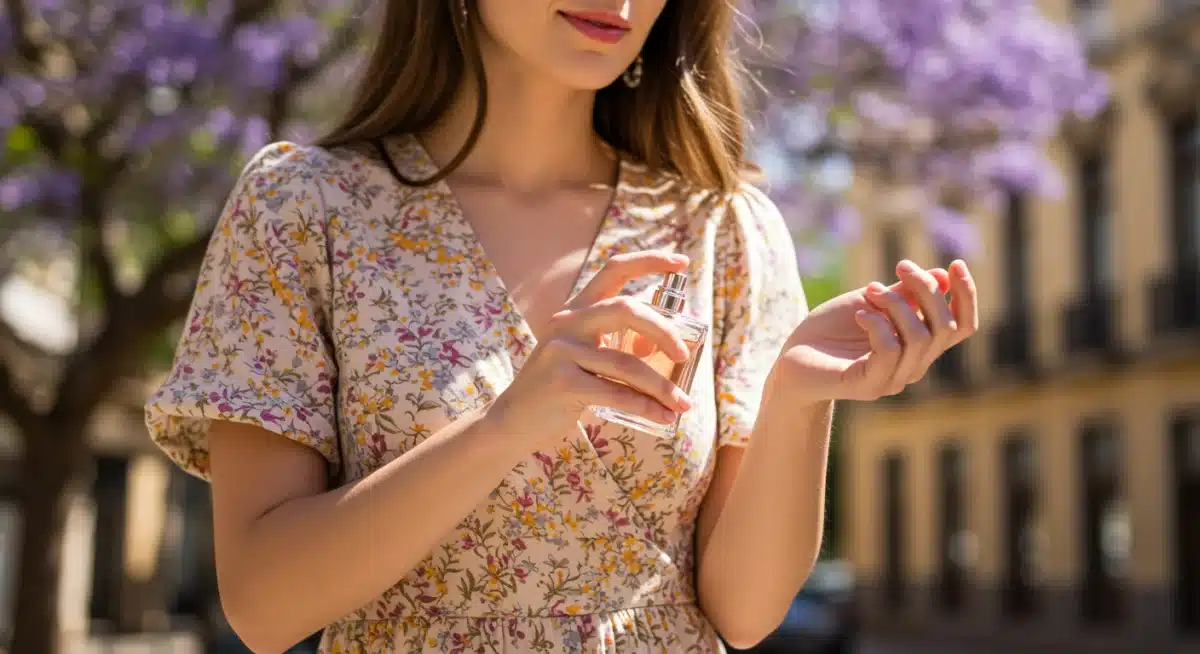
Ultimately, strategic layering and mindful application ensure your fragrance adapts gracefully to the changing season. It’s about creating an olfactory experience that is refreshing and inviting, perfectly aligning with the renewed energy of spring in Spain, making your seasonal scent swap a success.
Exploring New Releases and Spanish-Inspired Scents for Spring 2025
As the fragrance world constantly evolves, spring 2025 in Spain brings with it a wave of exciting new releases, often drawing inspiration from the very essence of the season and the unique Spanish landscape. Staying attuned to these innovations can enrich your seasonal scent swaps, allowing you to discover fresh interpretations of classic spring notes or entirely novel compositions.
Many perfumers are increasingly focusing on sustainability and natural ingredients, which aligns perfectly with the desire for fresh, authentic aromas in spring. Expect to see more fragrances featuring responsibly sourced botanicals, capturing the true scent of Spanish orange groves, blooming jasmine patios, or the aromatic herbs found in the country’s diverse flora.
Anticipated Trends and Local Inspirations
For spring 2025, several trends are expected to dominate the fragrance scene, offering ample opportunities for intriguing seasonal scent swaps. These trends often reflect broader societal shifts towards well-being, nature, and understated luxury.
- Clean & Green: A continued emphasis on natural, transparent notes. Think dewy greens, crisp pear, and subtle white florals, reminiscent of a spring morning in a Spanish garden.
- Gourmand Light: A lighter take on gourmands, incorporating fresh fruits like fig or peach with delicate floral and woody undertones, rather than heavy vanilla or caramel.
- Solar Florals: Capturing the feeling of sun-warmed skin and blooming flowers. Notes of ylang-ylang, frangipani, and tiare flower often blend with musk or amber to evoke a radiant, golden warmth.
- Mediterranean Citrus Blends: A timeless favorite, but with new twists. Expect complex citrus compositions featuring lesser-known varieties or blended with aromatic herbs like rosemary and thyme, paying homage to Spain’s rich aromatic heritage.
Beyond global trends, many artisan and independent Spanish perfumers create stunning fragrances that are deeply rooted in local inspiration. Seeking out these unique creations can provide a truly authentic and distinctive scent for your spring wardrobe. Imagine a perfume that captures the scent of orange blossoms in Seville, the salty air of the Mediterranean, or the wild herbs of the Sierra Nevada. These local treasures offer a narrative and a connection that mass-produced scents often lack.
Keeping an eye on new releases and exploring scents with a distinct Spanish character allows for a truly personalized and evocative seasonal scent swap. It’s about finding fragrances that not only smell beautiful but also tell a story and resonate with the vibrant spirit of spring in Spain.
Transitioning Your Fragrance Wardrobe: A Phased Approach
Making seasonal scent swaps isn’t an abrupt change but rather a gradual, thoughtful process. Just as nature slowly awakens from its winter slumber, your fragrance wardrobe should evolve in phases, allowing you to adapt to the changing climate and your personal preferences. This phased approach ensures that your transition from winter’s deep, comforting aromas to spring’s fresh, vibrant scents is seamless and enjoyable.
Begin by identifying your current winter favorites. These are likely rich, warm, and perhaps spicy or gourmand. As early spring approaches in Spain, marked by milder temperatures but still with a hint of coolness, you can start by introducing transitional scents. These might be fragrances that retain some warmth but incorporate brighter elements, such as a floral-amber blend or a soft woody-citrus.
Steps for a Smooth Seasonal Scent Transition
A structured approach helps in making informed decisions and discovering new favorites without feeling overwhelmed. Consider these steps to guide your seasonal scent swaps.
- Early Spring (Late February – March): Start introducing lighter versions of your winter favorites. If you love vanilla, try a vanilla with prominent floral or citrus top notes. If you’re a fan of woods, opt for lighter woods balanced with green accords. This is also a good time for soft musks and delicate gourmands.
- Mid-Spring (April – May): This is when you fully embrace the spring palette. Focus on crisp citruses, vibrant green notes, and a wide array of florals—from light and airy to creamy white florals. Consider acquiring a dedicated spring fragrance that embodies the season’s energy.
- Late Spring (May – June): As temperatures rise and summer approaches, lean into even fresher, often aquatic or intensely citrusy scents. These will prepare you for the heat of the Spanish summer, offering a refreshing bridge.
Another crucial aspect of a phased transition is mindful decluttering. Review your fragrance collection and identify scents that are distinctly winter-only. Store them properly in a cool, dark place to preserve their integrity. This not only makes space for new spring acquisitions but also allows you to rediscover them with renewed appreciation when winter returns.
Consider the occasions for which you’ll be wearing your fragrances. A sophisticated white floral might be perfect for an evening out in spring, while a zesty citrus could be your go-to for a daytime stroll through a blooming park. Matching your scent to the occasion and the season enhances the overall experience.
By adopting a phased approach, your seasonal scent swaps become an exciting journey of discovery. You’ll ensure your fragrance collection remains relevant, enjoyable, and perfectly attuned to the beautiful transformation of winter into spring across Spain.
Sustainability in Fragrance: Ethical Choices for Spring 2025
As consumers become more conscious of their environmental and social impact, the fragrance industry is also evolving. For spring 2025, considering sustainability in your seasonal scent swaps is not just a trend but a responsible choice. This involves looking beyond the scent itself to the sourcing of ingredients, packaging, and the overall ethical practices of fragrance brands.
Many brands are now prioritizing sustainable sourcing of natural ingredients, ensuring that raw materials are harvested responsibly and that local communities involved in their production are treated fairly. This can mean investing in perfumes that use ingredients from traceable origins or those certified by ethical organizations. Choosing such fragrances supports a more transparent and equitable supply chain.
Making Eco-Conscious Fragrance Decisions
When making your spring fragrance selections, there are several ways to incorporate sustainability into your decision-making process. These choices contribute to a healthier planet and a more ethical industry.
- Ingredient Sourcing: Look for brands that highlight sustainable and ethical sourcing. This includes ingredients like sandalwood, vanilla, and patchouli, which have historically faced issues with overharvesting or unfair labor practices.
- Eco-Friendly Packaging: Prioritize fragrances that use refillable bottles, recycled glass, or minimal packaging. Some brands are even experimenting with biodegradable materials or packaging designed for a second life.
- Cruelty-Free & Vegan: Opt for brands that do not test on animals and whose products do not contain animal-derived ingredients. This aligns with a growing ethical consumer base.
- Transparency: Support brands that are open about their production processes, ingredient lists, and sustainability initiatives. Transparency builds trust and allows consumers to make informed choices.
Another aspect of sustainable fragrance consumption is buying less but buying better. Instead of accumulating numerous bottles, invest in a few high-quality, versatile fragrances that you truly love and that align with your values. This reduces waste and ensures you get the most enjoyment out of each purchase. Consider supporting local Spanish perfumers who often have a smaller carbon footprint and a deeper connection to their regional ingredients.
By integrating sustainability into your seasonal scent swaps for spring 2025, you not only refresh your personal aroma but also contribute to a more responsible and ethical beauty industry. It’s a way to express your values through your choices, making your fragrance truly reflective of a conscious lifestyle.
The Psychology of Scent: Mood and Memory in Spring
Fragrance is not merely an accessory; it’s a powerful tool that influences our mood, evokes memories, and even projects aspects of our personality. As we make seasonal scent swaps from winter to spring in Spain, understanding the psychology behind these changes can enhance your olfactory experience, allowing you to curate scents that truly resonate with the season’s emotional landscape.
Winter scents often lean towards comfort, warmth, and introspection. Notes like amber, vanilla, and spices can evoke feelings of coziness and security. As spring arrives, the shift in mood is palpable. There’s a collective sense of renewal, optimism, and increased energy. Our fragrance choices should ideally mirror and amplify these positive seasonal shifts.
Connecting Fragrance to Spring Emotions and Memories
Certain notes are inherently linked to positive spring emotions and memories. Leveraging this connection can make your seasonal scent swaps particularly impactful.
- Uplifting Citruses: Notes like lemon, grapefruit, and bergamot are scientifically proven to have mood-boosting properties. They can energize and refresh, perfect for shaking off winter sluggishness.
- Joyful Florals: The scent of blooming flowers, such as jasmine, rose, and lily of the valley, often triggers feelings of happiness, romance, and new beginnings. They are deeply connected to the natural beauty and vibrancy of spring.
- Calming Greens: Green notes like galbanum or fresh-cut grass can evoke a sense of peace, tranquility, and connection to nature. They are grounding and refreshing, ideal for moments of calm amidst spring’s busy energy.
- Nostalgic Aromas: For many in Spain, spring scents might evoke specific memories: the smell of orange blossoms during Semana Santa, the first warm breeze by the sea, or the scent of a particular flower blooming in a childhood garden. Choosing scents that tap into these personal memories can be incredibly powerful.
Moreover, your choice of spring fragrance can influence how you are perceived by others. A fresh, light, and vibrant scent can project an image of energy, approachability, and optimism, aligning perfectly with the social and outward-looking nature of spring. Conversely, a heavy, intense scent might feel out of place in a lighthearted spring gathering.
Experiment with different spring fragrances to see how they make you feel. Do they lift your spirits? Do they evoke pleasant memories? Do they contribute to the mood you want to project? By consciously choosing scents that resonate with the psychology of spring, your seasonal scent swaps become a deeper, more meaningful expression of self and season.
| Strategy | Brief Description |
|---|---|
| Climate Awareness | Adapt fragrance choices to Spain’s regional spring weather, from early warmth in the south to cooler northern areas. |
| Lighter Notes | Shift from heavy winter notes to fresh citruses, green accords, and delicate florals for spring. |
| Strategic Application | Employ lighter sprays and layering techniques to prevent overpowering scents in warmer spring temperatures. |
| New & Local Scents | Explore new spring releases and Spanish-inspired fragrances to capture the season’s unique essence. |
Frequently Asked Questions about Seasonal Scent Swaps in Spain
The ideal time to begin seasonal scent swaps in Spain is typically in late February or early March. However, this varies by region; southern Spain might transition earlier due to warmer weather, while northern areas may wait until mid-March or April for a noticeable climate shift.
For spring in Spain, prioritize notes that are fresh and uplifting. Excellent choices include citruses like bergamot and lemon, green notes such as galbanum, and a variety of florals like jasmine, orange blossom, rose, and peony. These notes capture the season’s vibrancy.
In spring, less is often more. Opt for fewer sprays, focusing on pulse points for subtle diffusion. Consider light layering with unscented body products or using hair mists to prevent your fragrance from becoming overpowering in the warmer, more humid Spanish spring climate.
For spring 2025, look for fragrances that capture the essence of Spain. This includes scents with prominent orange blossom, Mediterranean herbs like rosemary and thyme, or notes reminiscent of coastal breezes and blooming patios. Many niche Spanish brands offer unique local inspirations.
Changing fragrances seasonally ensures your scent complements the climate, enhances your mood, and aligns with the general atmosphere. Heavy winter scents can feel stifling in warmer spring weather, while lighter spring fragrances might get lost in the cold, making seasonal adaptation key for optimal enjoyment.
Conclusion
The transition from winter to spring in Spain in 2025 offers a delightful opportunity to refresh your personal scent narrative. By understanding the nuances of the Spanish climate, embracing a palette of lighter, more vibrant notes, and employing strategic application techniques, you can ensure your fragrance perfectly harmonizes with the season’s renewed energy. Exploring new releases and supporting sustainable choices further enriches this experience, allowing your scent to be a conscious reflection of both personal style and environmental awareness. Ultimately, a thoughtful seasonal scent swap is about more than just perfume; it’s about fully immersing yourself in the sensory beauty of spring.