2026 Job Market: Growing Industries & Talent Gaps Analysis
Advertisement
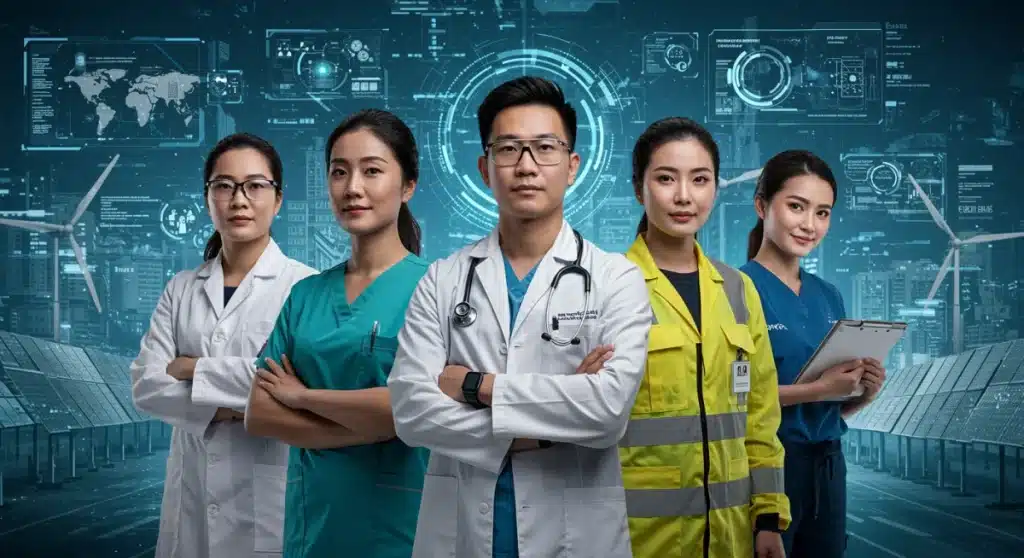
The 2026 job market is characterized by rapid growth in technology, healthcare, and green energy sectors, alongside persistent talent gaps requiring strategic upskilling and educational reforms to meet evolving demands.
As we approach 2026, understanding the dynamics of the 2026 job market is crucial for both job seekers and employers. This comprehensive look delves into the burgeoning industries and critical talent gaps shaping the future of work.
Advertisement
The rise of artificial intelligence and automation
The relentless march of artificial intelligence (AI) and automation continues to redefine industries, creating new roles while transforming existing ones. By 2026, AI’s impact will be pervasive, touching everything from complex data analysis to customer service.
This technological evolution isn’t merely about replacing human labor; it’s about augmentation and the creation of entirely new categories of jobs that demand a blend of technical prowess and uniquely human skills.
AI’s expanding influence across sectors
AI is no longer confined to tech giants. Its applications are diversifying rapidly, penetrating sectors traditionally thought to be immune to automation. From personalized medicine to predictive logistics, AI is proving to be a formidable tool for efficiency and innovation.
Advertisement
- Healthcare: AI-powered diagnostics and personalized treatment plans are becoming standard.
- Finance: Algorithmic trading and fraud detection systems are increasingly sophisticated.
- Manufacturing: Smart factories leverage AI for predictive maintenance and optimized production.
The integration of AI systems requires human oversight and development, creating a demand for specialists who can design, implement, and maintain these complex technologies. This includes AI engineers, machine learning specialists, and data scientists who can interpret vast datasets.
Automation and the future of work
Automation, often hand-in-hand with AI, is streamlining operations across various industries. Repetitive and routine tasks are increasingly handled by machines, freeing up human workers for more strategic and creative endeavors. This shift necessitates a re-evaluation of educational pathways and workforce training programs.
- Robotics: Advanced robotics in logistics and manufacturing reduce physical strain and increase precision.
- Process Automation: Robotic Process Automation (RPA) handles administrative tasks, improving efficiency.
- Autonomous Systems: Self-driving vehicles and drones are transforming transportation and delivery.
The challenge lies in preparing the current workforce for these changes, ensuring they possess the skills to collaborate with automated systems rather than being displaced by them. The focus must be on upskilling and reskilling initiatives that foster adaptability and continuous learning.
In conclusion, the growth of AI and automation is not a threat but an opportunity. It calls for a proactive approach to skill development, emphasizing digital literacy, critical thinking, and problem-solving to harness the full potential of these transformative technologies.
The booming healthcare and wellness industries
The healthcare and wellness sectors are experiencing unprecedented growth, driven by an aging population, advancements in medical technology, and a heightened focus on preventative care. This expansion translates into a significant increase in job opportunities across a broad spectrum of roles.
From direct patient care to research and development, the demand for skilled professionals is soaring, making these fields a cornerstone of the 2026 job market.
Technological innovations in healthcare
Biotechnology, bioinformatics, and telehealth are revolutionizing how healthcare is delivered and managed. These innovations require a new breed of professionals who can navigate complex technological landscapes while maintaining a patient-centric approach.
The integration of AI into diagnostics, the rise of personalized medicine based on genetic sequencing, and the widespread adoption of telemedicine platforms are creating both new roles and evolving existing ones.
Preventative care and holistic wellness
Beyond traditional medical treatment, there’s a growing emphasis on preventative care and holistic wellness. This includes nutrition, mental health services, fitness, and lifestyle coaching. People are becoming more proactive about their health, driving demand for professionals in these areas.
- Nutritionists and dietitians: Guiding individuals toward healthier eating habits.
- Mental health professionals: Addressing the growing need for mental well-being support.
- Fitness instructors and wellness coaches: Promoting physical activity and healthy lifestyles.
This shift underscores a broader understanding of health, moving beyond illness treatment to encompass overall well-being. Consequently, the wellness industry is expanding, offering diverse career paths for those passionate about helping others lead healthier lives.
In summary, the healthcare and wellness industries are not just growing; they are evolving. The future workforce in these sectors will need to be adaptable, technologically proficient, and deeply empathetic to meet the complex demands of a health-conscious society.
Green energy and sustainability: a new frontier
The global imperative to combat climate change and transition to a sustainable economy is fueling massive growth in the green energy and sustainability sectors. This isn’t just an environmental movement; it’s an economic powerhouse creating millions of jobs worldwide, particularly in the United States.
As governments and corporations commit to ambitious decarbonization goals, the demand for professionals in renewable energy, environmental management, and sustainable development will skyrocket, defining a significant portion of the 2026 job market.
Renewable energy development and deployment
Solar, wind, geothermal, and hydropower are at the forefront of this revolution. The development, installation, and maintenance of these energy sources require a highly specialized workforce. From engineers designing new systems to technicians on the ground, opportunities are abundant.
- Solar panel installers: Essential for residential and commercial solar projects.
- Wind turbine technicians: Maintaining the infrastructure of wind farms.
- Renewable energy engineers: Designing and optimizing sustainable energy solutions.
The investment in infrastructure for these technologies is massive, ensuring a steady demand for skilled labor for decades to come. This also extends to battery storage technologies and smart grid development, crucial for integrating intermittent renewable sources.
Sustainable practices and environmental management
Beyond energy, the broader field of sustainability encompasses waste management, conservation, sustainable agriculture, and corporate social responsibility. Businesses are increasingly hiring sustainability officers and environmental consultants to meet regulatory requirements and consumer demand for eco-friendly practices.
- Environmental scientists: Studying and mitigating environmental impacts.
- Sustainability consultants: Advising businesses on eco-friendly strategies.
- Conservation scientists: Protecting natural resources and ecosystems.
The emphasis on circular economies and resource efficiency means that every industry will need to integrate sustainable practices, creating roles that merge traditional business functions with environmental stewardship.
Ultimately, the green energy and sustainability sectors represent not just a job market trend but a fundamental shift in economic priorities. These fields offer meaningful careers for those looking to make a tangible impact on the planet’s future.
Digital transformation and cybersecurity demands
In an increasingly interconnected world, digital transformation continues to reshape every aspect of business and daily life. This pervasive digitalization, while offering immense opportunities, also brings significant challenges, particularly in cybersecurity. The demand for skilled professionals in both these areas is at an all-time high and shows no signs of slowing down by 2026.
Businesses are racing to enhance their digital capabilities, simultaneously needing robust defenses against an ever-evolving landscape of cyber threats.
Accelerated digital adoption across industries
From cloud computing to big data analytics, companies are leveraging digital tools to improve efficiency, reach new customers, and innovate. This requires experts in cloud architecture, data science, and digital marketing, among others.
The pandemic accelerated many digital transformation initiatives, making remote work and online services standard. This shift necessitates ongoing innovation and maintenance of digital infrastructures.
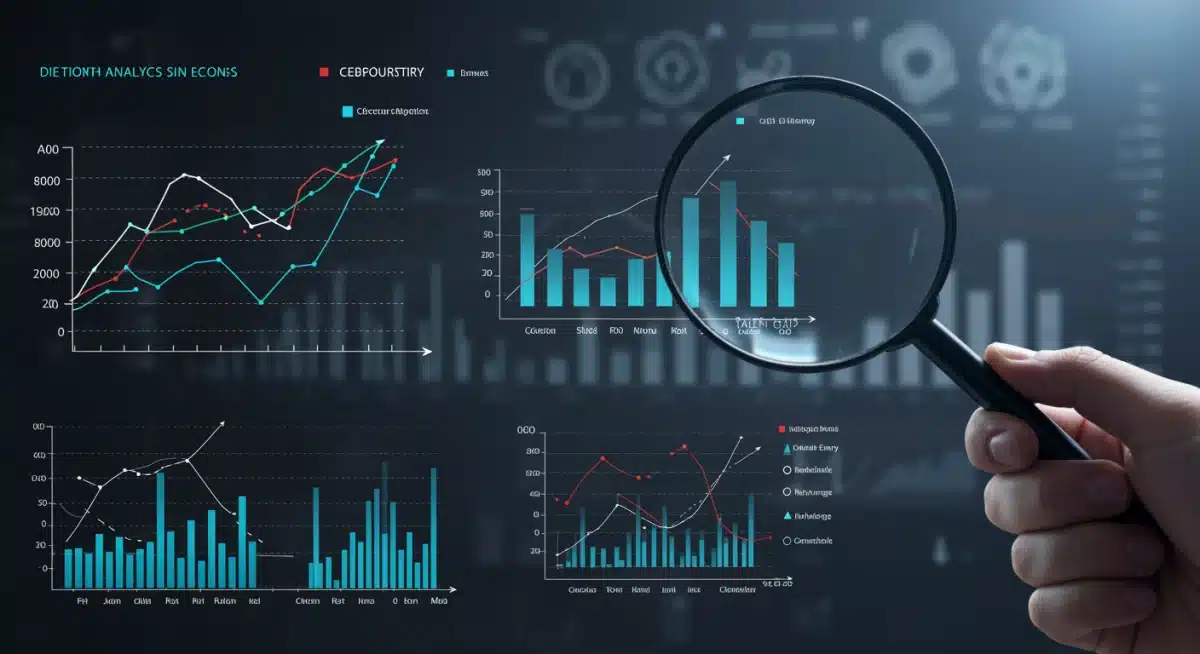
The ability to analyze vast amounts of data to derive actionable insights is becoming a core competency for businesses, leading to a surge in demand for data analysts and data scientists.
The critical need for cybersecurity professionals
With more data and operations moving online, the threat of cyber-attacks has escalated dramatically. Businesses and governments are investing heavily in cybersecurity measures, creating a critical need for professionals who can protect sensitive information and infrastructure.
- Cybersecurity analysts: Monitoring networks for security breaches.
- Ethical hackers: Probing systems for vulnerabilities before malicious actors do.
- Security architects: Designing secure network and system infrastructures.
The talent gap in cybersecurity is particularly acute, with demand far outstripping the supply of qualified professionals. This makes cybersecurity a highly lucrative and in-demand career path for those with the right skills and certifications.
In essence, the ongoing digital transformation and the parallel rise of cyber threats create a dual demand for digital innovators and cyber defenders. These fields offer dynamic career opportunities with significant impact on business continuity and national security.
Persistent talent gaps and skill shortages
Despite significant job growth in key sectors, the 2026 job market faces persistent talent gaps and skill shortages. This discrepancy highlights a mismatch between the skills employers need and those possessed by the available workforce. Addressing these gaps is crucial for economic stability and individual career progression.
The challenge isn’t just about finding more people; it’s about developing the right skills to meet the rapidly evolving demands of modern industries.
The chasm between education and industry needs
Traditional educational models often struggle to keep pace with the rapid technological advancements and changing skill requirements of industries. This results in graduates lacking the specific, in-demand skills employers are seeking.
- Technical skills: Shortages in AI, machine learning, cloud computing, and advanced data analytics.
- Soft skills: Critical thinking, problem-solving, adaptability, and emotional intelligence are increasingly valued.
- Specialized certifications: Many roles require specific industry certifications beyond a traditional degree.
Bridging this gap requires closer collaboration between educational institutions and industries to develop curricula that are responsive to current and future job market needs.
Strategies for workforce development
To combat talent gaps, robust workforce development strategies are essential. These include continuous learning programs, apprenticeships, and reskilling initiatives designed to equip workers with new competencies.
- Upskilling: Enhancing existing employees’ skills to meet new demands.
- Reskilling: Training workers for entirely new roles, often in different industries.
- Micro-credentials: Short, focused courses and certifications that validate specific skills.
Governments, businesses, and individuals all have a role to play in fostering a culture of lifelong learning. Investing in human capital through targeted training can transform talent shortages into opportunities for growth and innovation.
Ultimately, addressing talent gaps requires a multifaceted approach that rethinks education, promotes continuous learning, and fosters strong partnerships between academia and industry. Only then can the workforce truly adapt to the demands of the future.
Adapting to the gig economy and flexible work
The evolution of the 2026 job market is also heavily influenced by the rise of the gig economy and the increasing prevalence of flexible work arrangements. Traditional employment models are being challenged, with a growing number of individuals opting for independent contracting, freelance work, and remote positions.
This shift offers both opportunities for autonomy and flexibility, as well as new considerations for benefits, stability, and career progression.
The expansion of the gig economy
Fueled by digital platforms and a desire for greater work-life balance, the gig economy continues its upward trajectory. From ride-sharing and food delivery to specialized consulting and creative projects, a significant portion of the workforce is now engaged in non-traditional employment.
This model allows individuals to leverage their skills across multiple clients and projects, fostering diversity in their work experience and often providing higher earning potential for specialized skills.
The permanent shift to flexible and remote work
The pandemic accelerated the adoption of remote work, proving its viability and effectiveness for many roles. By 2026, flexible work arrangements, including hybrid models and fully remote positions, are expected to be standard practice in numerous industries.
- Increased autonomy: Workers have more control over their schedules and work environments.
- Broader talent pool: Companies can hire from anywhere in the world, accessing diverse talent.
- Reduced overheads: Businesses can save on office space and related expenses.
However, this shift also presents challenges, such as maintaining team cohesion, ensuring fair compensation and benefits for gig workers, and addressing potential issues of isolation for remote employees.
In conclusion, the gig economy and flexible work models are fundamentally reshaping how and where work gets done. Both individuals and organizations must adapt to these changes, optimizing for productivity, well-being, and equitable opportunities in this evolving landscape.
| Key Trend | Brief Description |
|---|---|
| AI & Automation Growth | AI and automation are creating new roles in development and oversight, augmenting human capabilities across industries. |
| Healthcare Expansion | An aging population and tech advancements drive significant demand in healthcare, wellness, and biotech. |
| Green Energy Boom | Sustainability initiatives fuel job creation in renewable energy, environmental management, and related technologies. |
| Talent Gaps Persist | Despite growth, critical skill shortages in tech and specialized fields require targeted upskilling and education reform. |
Frequently asked questions about the 2026 job market
By 2026, industries like artificial intelligence, cybersecurity, renewable energy, healthcare (especially biotechnology and telehealth), and digital transformation services are projected to experience the most significant growth, driven by technological advancements and societal shifts.
Key talent gaps exist in specialized technical roles such as AI engineers, data scientists, cybersecurity analysts, and renewable energy technicians. Soft skills like critical thinking, adaptability, and complex problem-solving are also in high demand but often scarce.
Individuals can prepare by continuously acquiring new skills through online courses, certifications, and vocational training. Focusing on digital literacy, STEM fields, and developing strong soft skills will be crucial for long-term career success and adaptability.
Yes, the gig economy is expected to continue its expansion, offering more flexible work options and opportunities for specialized freelance work. This trend will likely influence how companies structure their workforce and how individuals approach their careers.
Sustainability is a major driver of job growth, particularly in green energy sectors like solar and wind power, and environmental management. As companies prioritize eco-friendly practices, roles in sustainable development and environmental science will increase significantly.
Conclusion
The 2026 job market presents a landscape of dynamic change, characterized by rapid advancements in technology, a heightened focus on health and sustainability, and evolving work models. While new opportunities abound in sectors like AI, healthcare, and green energy, persistent talent gaps underscore the urgent need for continuous learning and strategic workforce development. Navigating this future successfully will require adaptability, a commitment to upskilling, and a proactive approach to career planning, ensuring both individual prosperity and robust economic growth.