Sustainable Denim 2026: Top 3 Eco-Friendly Brands Compared
Advertisement
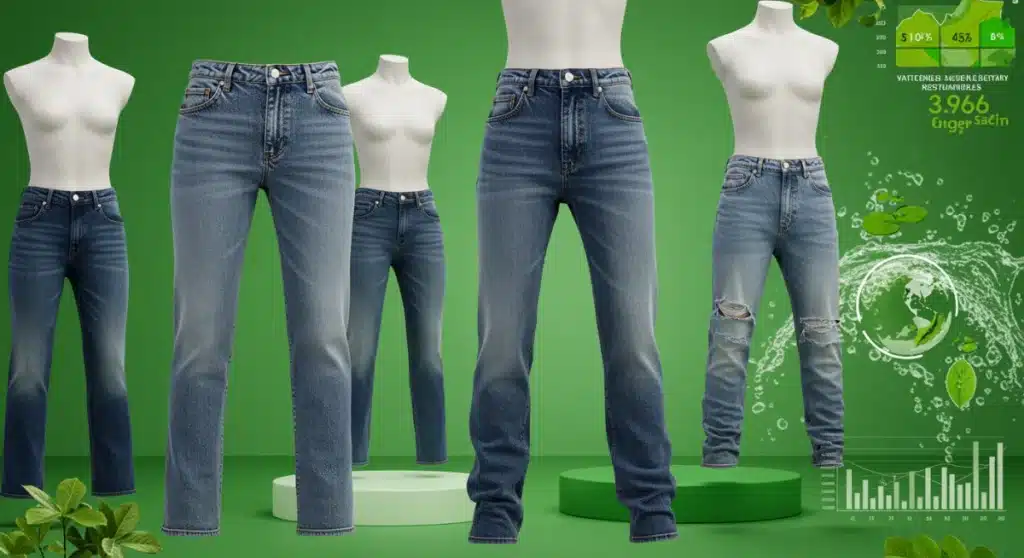
In 2026, the sustainable denim market sees innovative leaders like MUD Jeans, Nudie Jeans, and Everlane pushing boundaries with circularity, organic materials, and transparent supply chains, offering stylish and responsible choices for conscious consumers.
As we navigate 2026, the fashion industry continues its pivotal shift towards environmental responsibility, and nowhere is this more evident than in the realm of denim. The demand for eco-conscious choices is higher than ever, compelling brands to innovate. This article delves into the transformative landscape of sustainable denim 2026, comparing three leading eco-friendly brands that are setting new benchmarks in ethical production and material innovation.
The Evolution of Sustainable Denim: A 2026 Perspective
The journey towards truly sustainable denim has been long and complex, marked by significant advancements in recent years. In 2026, we are witnessing a fashion paradigm where sustainability is no longer a niche but a core expectation from consumers. This evolution encompasses everything from raw material sourcing to manufacturing processes and end-of-life solutions for garments.
Advertisement
Consumers are increasingly educated about the environmental impact of traditional denim production, which historically involved vast amounts of water, harmful chemicals, and significant energy consumption. This awareness has fueled a market demand for alternatives that minimize ecological footprints and prioritize ethical labor practices. Brands that fail to adapt risk losing relevance in a rapidly changing industry.
Key Innovations Driving Change
Several technological and philosophical shifts have propelled sustainable denim forward. Innovations in textile science, coupled with a renewed commitment to circular economy principles, are reshaping how denim is made and consumed.
- Recycled Materials: The widespread adoption of recycled cotton, often blended with other fibers, significantly reduces the demand for virgin resources and minimizes textile waste.
- Water-Saving Techniques: Advanced laser technology and ozone washing have dramatically cut down water usage in finishing processes, a major pain point in traditional denim manufacturing.
- Eco-Friendly Dyes: Brands are increasingly using natural dyes or low-impact synthetic dyes that are free from heavy metals and toxic chemicals, protecting both workers and waterways.
- Traceability and Transparency: Blockchain technology and detailed supply chain mapping are becoming standard, allowing consumers to verify the ethical journey of their denim.
The commitment to these innovations defines the leaders in the sustainable denim space today. Their efforts not only reduce environmental harm but also set new standards for ethical business practices, proving that style and sustainability can coexist harmoniously.
Advertisement
MUD Jeans: Pioneering Circularity in Denim
MUD Jeans has consistently been at the forefront of the sustainable denim movement, particularly known for its groundbreaking commitment to circular fashion. Their business model in 2026 is a testament to how a brand can prioritize environmental responsibility without compromising on style or quality. They operate on a lease and recycling system that fundamentally redefines ownership and waste.
Their approach begins with the materials. MUD Jeans primarily uses a blend of organic and recycled cotton, ensuring that their products have a significantly lower environmental impact from the outset. This commitment extends beyond material choice to their entire operational philosophy, making them a true leader in the movement towards a circular economy.
The Lease a Jean Concept
One of MUD Jeans’ most innovative offerings is their “Lease a Jean” program. This initiative allows customers to lease a pair of jeans for a year, after which they can return them for a new pair or keep them. The returned jeans are then either upcycled or recycled into new denim, closing the loop on textile waste.
- Reduced Consumption: Encourages conscious consumption by promoting leasing over outright purchase, shifting focus from ownership to usage.
- Waste Minimization: Ensures that all denim garments are either given a second life or fully recycled, preventing them from ending up in landfills.
- Resource Efficiency: Maximizes the lifespan of materials by continuously reintegrating them into the production cycle, reducing the need for new resources.
MUD Jeans’ dedication to these principles showcases a viable and scalable model for the future of fashion. Their transparency about their supply chain, from cotton farms to manufacturing facilities, further solidifies their position as a trustworthy brand in the sustainable denim market.
Nudie Jeans: Organic Cotton and Repair for Life
Nudie Jeans, a Swedish brand, has carved out a significant reputation in the sustainable denim landscape by focusing on 100% organic cotton and offering free repairs for life. In 2026, their philosophy continues to resonate with consumers who value longevity, quality, and ethical production. Their commitment to organic materials addresses a critical aspect of environmental impact: the agricultural practices involved in cotton farming.
Traditional cotton cultivation is notoriously water-intensive and often relies heavily on pesticides. Nudie Jeans’ exclusive use of organic cotton mitigates these issues, ensuring their denim is produced without harmful chemicals, protecting soil health, biodiversity, and farmer well-being. This foundational choice underpins their entire sustainable ethos.
The “Repair for Life” Initiative
Perhaps the most distinctive feature of Nudie Jeans’ sustainability strategy is their “Repair for Life” program. This initiative offers free repairs on any pair of Nudie Jeans, for life. This not only extends the lifespan of their products but also fosters a deeper connection between the brand and its customers, encouraging a culture of care and longevity over disposability.
- Extended Product Lifespan: Encourages customers to repair rather than replace, significantly reducing textile waste and promoting durability.
- Reduced Environmental Footprint: Fewer new products mean less demand for resources and energy in manufacturing.
- Community Engagement: Repair shops serve as community hubs, fostering awareness about sustainable consumption and craftsmanship.
By prioritizing the extended life of their garments and committing to organic materials, Nudie Jeans demonstrates a holistic approach to sustainability. Their focus on reducing consumption and waste through durable products and repair services sets a high standard for other brands in sustainable denim 2026.
Everlane: Radical Transparency and Ethical Factories
Everlane has built its brand around the principle of “radical transparency,” a commitment that extends to its sustainable denim line. In 2026, Everlane continues to distinguish itself by revealing the true costs of production, from materials and labor to transportation, offering consumers unparalleled insight into their purchases. This transparency is coupled with a strong emphasis on ethical manufacturing practices, ensuring fair wages and safe working conditions.
Their sustainable denim collection utilizes innovative materials and processes designed to minimize environmental impact. Everlane partners with factories that prioritize water reduction, renewable energy, and responsible chemical management, moving beyond mere compliance to genuine environmental stewardship.
Commitment to Ethical Production
Everlane’s dedication to ethical factories is a cornerstone of their brand identity. They meticulously vet their manufacturing partners, ensuring all facilities meet stringent standards for worker welfare, fair wages, and environmental responsibility. This commitment is not just about avoiding exploitation; it’s about actively contributing to the well-being of the people who make their clothes.
- Fair Wages and Conditions: Ensures that workers throughout the supply chain receive fair compensation and work in safe, healthy environments.
- Environmental Stewardship: Collaborates with factories that implement water-saving techniques, renewable energy sources, and responsible waste management.
- Audited Supply Chain: Regular audits and transparent reporting provide accountability and build trust with consumers.
Everlane’s approach to sustainable denim showcases that ethical production can go hand-in-hand with stylish, high-quality garments. Their radical transparency empowers consumers to make informed choices, driving a demand for greater accountability across the fashion industry.
Comparative Analysis of Sustainability Metrics
When comparing MUD Jeans, Nudie Jeans, and Everlane, it’s clear that each brand brings a unique strength to the sustainable denim movement. While all three are committed to reducing environmental impact and promoting ethical practices, their specific approaches offer different benefits to the conscious consumer in 2026. Understanding these distinctions helps in appreciating the multifaceted nature of true sustainability.
MUD Jeans excels in circularity, with its lease program and robust recycling initiatives. Nudie Jeans stands out for its unwavering commitment to 100% organic cotton and its “Repair for Life” promise, extending product utility. Everlane, on the other hand, leads with radical transparency and a strong focus on ethical factory partnerships, providing detailed insights into their production costs and practices.
Key Differentiators and Shared Goals
Despite their distinct strategies, these brands share a common goal: to revolutionize the denim industry by making it more sustainable and ethical. Their efforts collectively contribute to a future where fashion consumption is less harmful to the planet and its people.
- Material Sourcing: MUD Jeans uses organic and recycled cotton; Nudie Jeans exclusively uses 100% organic cotton; Everlane focuses on innovative, lower-impact materials.
- Waste Management: MUD Jeans offers a lease and recycling program; Nudie Jeans emphasizes repair and longevity; Everlane partners with factories that minimize waste.
- Social Responsibility: All three brands prioritize fair labor, but Everlane’s “radical transparency” provides specific details on factory conditions and costs.
Each brand’s unique contribution strengthens the overall sustainable fashion movement. Consumers can choose based on which aspect of sustainability resonates most with their personal values, whether it’s circularity, organic materials, or transparency.
Challenges and Future of Sustainable Denim
Despite the remarkable progress made by brands like MUD Jeans, Nudie Jeans, and Everlane, the sustainable denim industry in 2026 still faces significant challenges. Scaling up sustainable practices, ensuring consistent quality, and educating a broader consumer base remain crucial hurdles. The transition from a linear to a circular economy requires systemic changes across the entire supply chain, from fiber production to consumer behavior.
One of the primary challenges is the cost associated with sustainable materials and ethical production. Organic cotton, recycled fibers, and advanced water-saving technologies often come with a higher price tag than conventional methods. This can make sustainable denim less accessible to some consumers, creating a price barrier that brands must navigate through innovation and efficient scaling.
Overcoming Obstacles and Embracing Innovation
Addressing these challenges requires continuous innovation, collaborative efforts across the industry, and supportive policy frameworks. The future of sustainable denim hinges on widespread adoption of best practices and a collective commitment to environmental and social responsibility.
- Technological Advancements: Further development in textile recycling technologies, such as fiber-to-fiber recycling, will be crucial for achieving true circularity at scale.
- Consumer Education: Campaigns to raise awareness about the benefits of sustainable denim and the true cost of fast fashion are essential to drive demand.
- Policy and Regulation: Government incentives for sustainable production and stricter regulations on environmental impact can accelerate the industry’s transition.
The brands leading the charge in sustainable denim 2026 are not just selling jeans; they are selling a vision of a more responsible and equitable fashion industry. Their continued innovation and dedication will be key to overcoming current challenges and shaping a sustainable future for denim.
Making Informed Choices: Your Role in Sustainable Denim 2026
As consumers, our purchasing decisions hold significant power in shaping the future of the fashion industry. Opting for sustainable denim brands like MUD Jeans, Nudie Jeans, or Everlane is more than just a style choice; it’s an investment in environmental protection, ethical labor, and a more sustainable planet. In 2026, making informed choices has become easier, with increased transparency and product availability.
Understanding the unique strengths of each brand allows you to align your purchases with your personal values. Do you prioritize circularity and waste reduction? MUD Jeans might be your ideal choice. Is organic material and product longevity paramount? Nudie Jeans could be a perfect fit. Or perhaps radical transparency and ethical factory conditions are your top concern, leading you to Everlane.
Beyond the Purchase: A Holistic Approach
Sustainable consumption extends beyond the initial purchase. How you care for your denim, how long you keep it, and how you dispose of it all contribute to its overall environmental footprint. Embracing practices that maximize the lifespan of your clothing is just as important as choosing sustainable brands.
- Care and Maintenance: Washing less frequently, using cold water, and air-drying can significantly reduce the energy and water consumption associated with denim care.
- Repair and Upcycle: Extending the life of your jeans through repairs or creative upcycling projects minimizes waste and reduces the need for new purchases.
- Responsible Disposal: When your denim truly reaches the end of its life, ensure it is recycled through appropriate programs, many of which are offered by the very brands discussed.
By actively engaging in these practices, consumers become integral participants in the sustainable fashion movement. Your choices, combined with the innovations of leading brands, are paving the way for a truly sustainable denim industry in 2026 and beyond.
| Key Aspect | Description |
|---|---|
| MUD Jeans | Pioneers circularity with a lease program and high use of recycled cotton. |
| Nudie Jeans | Focuses on 100% organic cotton and offers free repairs for life. |
| Everlane | Known for radical transparency and strict ethical factory partnerships. |
| Industry Outlook | Continued innovation, consumer education, and policy support are crucial for growth. |
Frequently Asked Questions About Sustainable Denim
Sustainable denim in 2026 is characterized by the use of organic or recycled materials, water-saving production techniques, eco-friendly dyes, and ethical labor practices. Brands also focus on circularity, offering repair services or recycling programs to minimize waste and extend product life.
MUD Jeans excels in circular fashion through its “Lease a Jean” program, allowing customers to lease denim and return it for recycling or a new pair. This model ensures that denim is continuously reused or recycled, significantly reducing textile waste and the demand for new resources.
Nudie Jeans offers free repairs on any pair of their jeans for life, promoting product longevity and reducing consumption. This initiative encourages customers to maintain their denim, thereby minimizing waste and supporting a more sustainable approach to fashion ownership.
Everlane’s “radical transparency” means they disclose the true costs of production, including materials, labor, and transportation, for their denim. This commitment provides consumers with detailed insights into how their products are made and priced, fostering trust and accountability.
Organic cotton is crucial for sustainable denim because it is grown without harmful pesticides, synthetic fertilizers, or genetically modified seeds. This practice protects soil health, conserves water, and safeguards biodiversity, resulting in a significantly lower environmental impact compared to conventional cotton.
Conclusion
The landscape of sustainable denim 2026 is vibrant and dynamic, driven by innovative brands like MUD Jeans, Nudie Jeans, and Everlane. Each brand, with its unique approach to circularity, organic materials, and radical transparency, is collectively redefining what it means to produce and consume denim responsibly. Their efforts underscore a critical shift in the fashion industry towards greater environmental and social accountability. As consumers, our engagement with these brands and our adoption of sustainable consumption habits are paramount in shaping a future where fashion truly harmonizes with planetary well-being. The journey towards a fully sustainable denim industry is ongoing, but with these leaders at the helm, the path forward is clearer and more inspiring than ever.