Gender-Fluid Fashion 2026: 5 Brands Leading the Movement
Advertisement
The rise of gender-fluid fashion in 2026 marks a significant shift in the industry, driven by evolving societal values and innovative brands redefining traditional clothing categories.
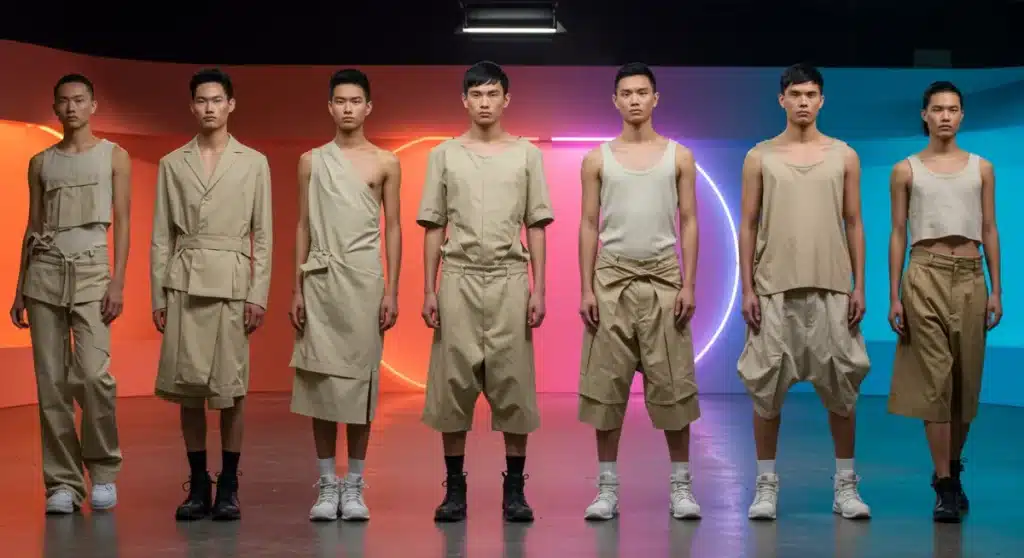
The fashion landscape is undergoing a profound transformation, and nowhere is this more evident than in the rise of gender-fluid fashion in 2026. This isn’t just a fleeting trend; it’s a fundamental shift in how we perceive and interact with clothing, reflecting a broader societal movement towards inclusivity and self-expression. As we move further into the decade, traditional sartorial boundaries are blurring, giving way to innovative designs that transcend binary definitions and empower individuals to dress authentically. This article delves into the core of this revolution, highlighting five pioneering brands that are not just participating in this movement but actively defining its future.
Understanding the Evolution of Gender-Fluid Fashion
Gender-fluid fashion, at its heart, is about liberation from conventional gendered clothing norms. It challenges the idea that certain garments are exclusively for men or women, instead promoting a wardrobe that is versatile, expressive, and accessible to everyone. This evolution isn’t new; historical archives are rich with examples of clothing that defied strict gender association. However, what we are witnessing in 2026 is a conscious, widespread embrace of this philosophy by designers, consumers, and the industry at large.
Advertisement
The shift is fueled by a younger generation that values authenticity and rejects rigid categorization. They see fashion as a tool for personal narrative, not as a dictated uniform. This has led to an explosion of creativity, where silhouettes, fabrics, and styles are chosen for their aesthetic appeal and comfort, rather than their assumed gender. The market is responding, with brands recognizing the immense potential and ethical imperative of catering to a diverse clientele.
Historical Precedents and Modern Interpretations
While the term ‘gender-fluid fashion’ might seem contemporary, its roots can be traced back through various historical periods where clothing was less strictly segregated by gender. Think of the elaborate robes of ancient civilizations or the shared styles in certain historical European courts. The industrial revolution and subsequent mass production led to a more rigid gendering of clothing as a marketing strategy. Today, we are seeing a return to a more fluid approach, albeit with modern sensibilities and designs.
- Ancient Civilizations: Many early cultures featured garments like tunics and cloaks worn by all genders.
- 18th Century Europe: Aristocratic fashion often saw men and women sharing similar styles in elaborate fabrics and embellishments.
- 20th Century Counter-Culture: Movements like the Mods and Hippies challenged traditional gender norms through their clothing choices.
- 2020s and Beyond: A deliberate design philosophy focusing on universal appeal and individual expression.
This modern interpretation of gender-fluid fashion goes beyond simply making men’s clothes smaller for women or vice versa. It involves rethinking patterns, cuts, and proportions to create pieces that genuinely flatter and fit a wide range of body types and personal styles, irrespective of gender identity. It’s about creating a new language of dress that speaks to everyone.
Advertisement
The contemporary landscape of gender-fluid fashion is characterized by an emphasis on comfort, versatility, and conscious consumption. Brands are not just designing clothes; they are designing experiences that allow individuals to explore and express their identity without constraint. This reflects a deeper cultural shift where identity is increasingly understood as multifaceted and fluid.
The Economic and Cultural Impact of Gender-Fluid Fashion
The rise of gender-fluid fashion is not merely an aesthetic phenomenon; it carries significant economic and cultural implications. Economically, it opens up new market segments and revenue streams for brands willing to innovate beyond traditional gender binaries. Culturally, it promotes greater inclusivity, challenges outdated stereotypes, and fosters a more accepting society.
Consumers, particularly Gen Z and younger millennials, are increasingly prioritizing brands that align with their values. This includes a strong preference for ethical production, sustainability, and inclusivity. Gender-fluid fashion ticks many of these boxes, making it a powerful force in shaping consumer behavior and brand loyalty. Retailers are noticing, adjusting their store layouts, marketing campaigns, and product offerings to cater to this growing demand.
Market Growth and Consumer Demand
Reports from leading market research firms indicate a consistent upward trajectory for the gender-fluid apparel market. Projections for 2026 show continued growth, driven by both demographic shifts and increased awareness. Brands that effectively tap into this market are seeing substantial returns, proving that inclusivity is not just good ethics, but also good business.
- Increased Purchasing Power: Gen Z, a key demographic for gender-fluid fashion, wields significant purchasing power.
- Social Media Influence: Platforms like TikTok and Instagram amplify gender-fluid styles, creating trends and demand.
- Celebrity Endorsement: Public figures embracing gender-fluid looks normalize and popularize the movement.
- Shifting Retail Landscapes: Department stores and online platforms are creating dedicated gender-neutral sections.
The cultural impact extends beyond clothing racks. Gender-fluid fashion contributes to a broader conversation about identity, representation, and acceptance. It provides tangible examples of how society can evolve to be more inclusive, empowering individuals to express themselves freely and authentically. This push for authenticity resonates deeply, fostering a stronger connection between brands and their audience.
Brand Spotlight: Leading the Charge in 2026
Several brands are at the forefront of the gender-fluid fashion movement, pushing boundaries and setting new standards for inclusivity and design. These pioneers are not just creating clothes; they are crafting narratives and building communities around shared values.
1. The Phluid Project: More Than Just Clothing
The Phluid Project, founded by Rob Smith, has been a trailblazer in the gender-neutral space since its inception. In 2026, it continues to lead with its innovative retail concept that blends fashion with community activism. Their collections feature versatile pieces designed to be worn by anyone, focusing on comfort, quality, and timeless style rather than fleeting trends. They actively partner with LGBTQ+ organizations, ensuring their impact extends beyond fashion.
Their approach is holistic, aiming to create a safe and inclusive space for all. This is reflected in their product lines, which range from casual streetwear to more tailored items, all designed with a non-binary perspective. The Phluid Project proves that fashion can indeed be a powerful tool for social change.
2. Telfar: The “Bushwick Birkin” and Beyond
Telfar Clemens’ brand, Telfar, has achieved cult status with its iconic shopping bag, affectionately known as the “Bushwick Birkin.” While not explicitly marketed as gender-fluid, Telfar’s entire ethos is built on democratic luxury and universal appeal. Their designs, often oversized and utilitarian, are embraced by people of all genders, making a powerful statement about who fashion is truly for.
In 2026, Telfar continues to expand its ready-to-wear collections, which consistently feature items that defy traditional gender classifications. Their success demonstrates that authenticity and a clear brand vision can resonate deeply with a broad, diverse consumer base, proving that true luxury is inclusive.
3. Collina Strada: Sustainable and Fluid Futurism
Collina Strada, under the creative direction of Hillary Taymour, is a brand that seamlessly merges sustainability with gender-fluid design. Their collections are known for vibrant colors, playful prints, and whimsical silhouettes that encourage individual expression. In 2026, Collina Strada remains a beacon of ethical fashion, utilizing deadstock fabrics and upcycling techniques.
Their runway shows often feature a diverse cast of models, further emphasizing their commitment to inclusivity. The clothes themselves are designed with fluidity in mind, often featuring adjustable elements and relaxed fits that can be styled in countless ways, making them appealing to a wide spectrum of identities.
4. Big Bud Press: Workwear for Everyone
Big Bud Press has carved a niche for itself by offering ethically made, size-inclusive, and gender-neutral workwear and everyday essentials. Their signature jumpsuits, trousers, and shirts come in a rainbow of colors and are designed to fit a wide range of body types comfortably. In 2026, their commitment to local manufacturing in Los Angeles and transparent production practices continues to set them apart.
Their brand philosophy is rooted in creating durable, high-quality garments that can be worn and loved by anyone, regardless of gender. They actively promote a diverse and inclusive community, making their clothing a staple for those seeking comfort, style, and ethical production without gender constraints.
5. JW Anderson: Avant-Garde Gender Blending
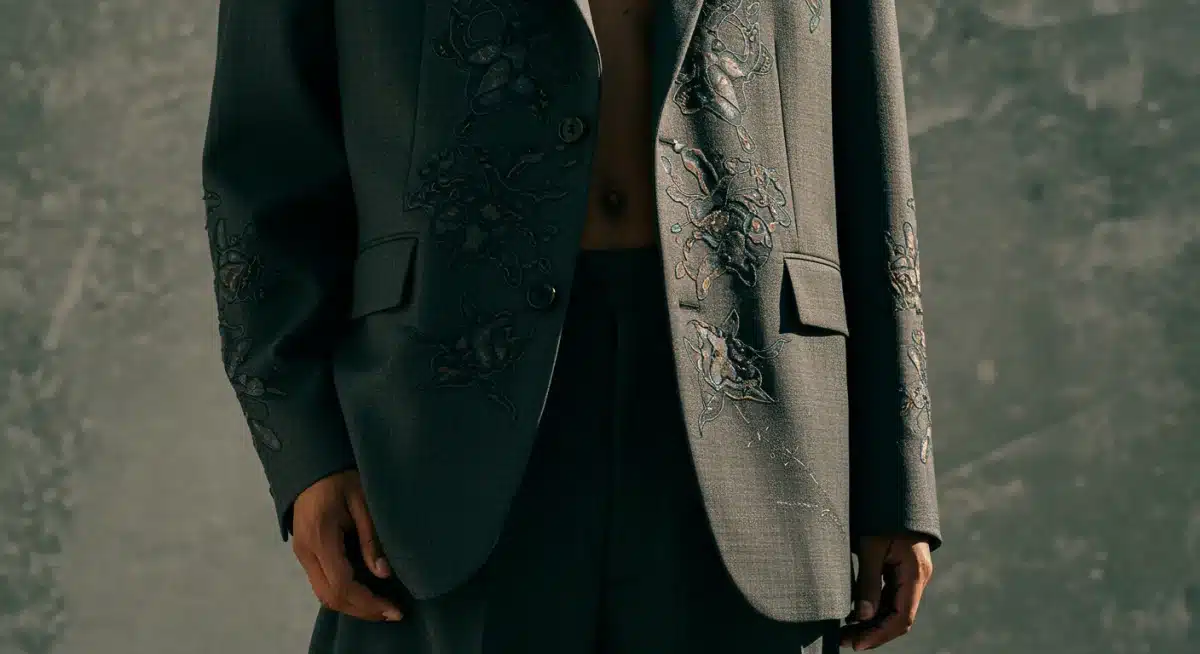
Jonathan Anderson has consistently challenged conventional gender norms in his eponymous label, JW Anderson, and his work at Loewe. His designs often play with exaggerated proportions, unexpected textures, and a blurring of traditionally masculine and feminine codes. In 2026, JW Anderson continues to be a leading voice in avant-garde gender-fluid fashion, creating pieces that are both thought-provoking and wearable.
His collections are characterized by a sophisticated interplay of elements, where a traditionally feminine silhouette might be rendered in a masculine fabric, or vice versa. This nuanced approach has made JW Anderson a favorite among fashion enthusiasts who appreciate intellectual design and a playful subversion of expectations.
These five brands represent a spectrum of approaches to gender-fluid fashion, from accessible everyday wear to high-concept runway pieces. What unites them is a shared commitment to breaking down barriers and celebrating individual expression through clothing.
The Role of Technology and Sustainability in Gender-Fluid Design
As gender-fluid fashion continues its ascent in 2026, technology and sustainability are playing increasingly vital roles in its development and acceptance. Digital design tools, AI-driven trend forecasting, and innovative material science are all contributing to a more inclusive and environmentally conscious industry. These advancements enable brands to create more versatile and durable garments, reducing waste and extending the lifespan of clothing.
Furthermore, the rise of virtual fashion and digital avatars provides new avenues for exploring gender expression without the physical constraints of traditional clothing. This digital realm allows for experimentation and creativity that can then inspire real-world designs, pushing the boundaries of what is possible in fashion.
Innovations in Materials and Production
Sustainable materials are becoming paramount. Brands are increasingly investing in fabrics derived from recycled plastics, organic fibers, and bio-based alternatives. These materials not only reduce environmental impact but also often offer enhanced comfort and durability, aligning perfectly with the gender-fluid emphasis on practical, long-lasting garments.
- Recycled Synthetics: Polyester and nylon from ocean plastics are gaining traction.
- Bio-Based Fabrics: Mushroom leather and algae-derived textiles offer innovative alternatives.
- 3D Printing: Allows for custom-fit garments and reduces material waste in production.
- Upcycling and Deadstock: Utilizing existing materials to create new collections, minimizing textile waste.
Technology also aids in more efficient and ethical production processes. From transparent supply chains managed by blockchain to AI-powered inventory management that minimizes overproduction, the industry is leveraging tech to align with sustainable and ethical consumer values. This ensures that gender-fluid fashion is not just about aesthetic inclusivity but also about responsible manufacturing.
Challenges and Opportunities for Gender-Fluid Fashion in 2026
While the momentum for gender-fluid fashion is undeniable, the movement still faces challenges, alongside significant opportunities. One primary challenge is overcoming deeply ingrained societal norms and consumer habits that have been shaped by decades of gender-specific marketing. Educating the wider public and encouraging a broader shift in mindset remains crucial.
However, the opportunities are immense. The market for non-binary and gender-expansive individuals is growing, and there is a clear demand for clothing that truly represents them. Brands that successfully navigate these challenges will not only capture a loyal customer base but also contribute to a more equitable and expressive fashion world.
Overcoming Traditional Retail Structures
Traditional retail environments are often designed around binary gender categories, making it challenging for gender-fluid collections to be presented effectively. Brands are experimenting with new retail models, including dedicated gender-neutral sections, online-only stores with inclusive sizing guides, and pop-up experiences that prioritize community over categorization.
Another opportunity lies in collaboration. Partnerships between gender-fluid brands and mainstream retailers or designers can help introduce these concepts to a wider audience, breaking down perceived barriers. Educational campaigns and celebrity endorsements also play a significant role in normalizing and popularizing gender-fluid styles, moving them from niche to mainstream acceptance.
The Future Outlook: Beyond 2026
Looking beyond 2026, the trajectory for gender-fluid fashion appears strong and increasingly integrated into the mainstream. It’s likely that the term ‘gender-fluid fashion’ itself may become less necessary as the concept of clothing simply being ‘clothing’ for all people gains wider acceptance. This evolution suggests a future where personal style is truly liberated from restrictive labels and expectations.
Designers will continue to innovate with cuts, fabrics, and functionality, creating garments that are inherently versatile and adaptable to diverse bodies and identities. The emphasis will remain on quality, sustainability, and ethical production, ensuring that fashion not only looks good but also does good for both people and the planet. This holistic approach will define the industry for decades to come, marking a permanent shift in how we conceive of and consume clothing.
| Key Aspect | Brief Description |
|---|---|
| Core Principle | Clothing designed for anyone, transcending traditional gender categories. |
| Market Impact | Significant growth in consumer demand, driven by Gen Z and inclusivity values. |
| Leading Brands | The Phluid Project, Telfar, Collina Strada, Big Bud Press, JW Anderson. |
| Future Outlook | Continued integration, focus on sustainability, and liberation from labels. |
Frequently Asked Questions About Gender-Fluid Fashion
Gender-fluid fashion refers to clothing designed and marketed without specific gender attribution, allowing individuals to choose garments based on personal style, comfort, and expression rather than traditional male or female categories. It emphasizes versatility and inclusivity in design.
Its growing popularity in 2026 is driven by evolving societal views on gender identity, a younger generation’s demand for authenticity and inclusivity, and brands responding with innovative designs that challenge traditional norms. Social media and celebrity influence also play significant roles.
Brands like Telfar contribute by creating designs that achieve universal appeal and democratic luxury, often through utilitarian and oversized silhouettes. Their ethos naturally attracts people of all genders, blurring traditional lines without explicitly labeling their products as gender-fluid.
Sustainability is crucial, as many gender-fluid brands prioritize ethical production, recycled materials, and durable designs. This aligns with consumer values for conscious consumption and creating versatile, long-lasting garments that transcend fleeting trends, contributing to a reduced environmental footprint.
It faces challenges in overcoming ingrained societal norms, traditional retail structures, and the need for broader public education. However, these challenges are met with opportunities for market growth, innovation in design, and fostering a more inclusive and expressive fashion industry.
Conclusion
The landscape of fashion in 2026 is irrevocably shaped by the accelerating adoption of gender-fluid principles. This transformative movement, far from being a niche trend, is a profound reflection of societal evolution, emphasizing authenticity, inclusivity, and individual expression. The pioneering brands highlighted are not just selling clothes; they are fostering a new dialogue around identity and style, proving that fashion can be a powerful catalyst for positive change. As we look ahead, the boundaries continue to blur, suggesting a future where personal style is truly liberated from restrictive labels and expectations.