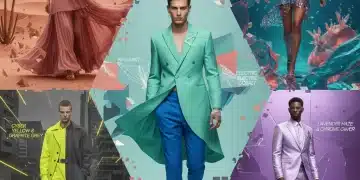
Vintage Reimagined: 2026’s Top 3 Retro Styles Making a Comeback
Advertisement
2026 marks a significant return to vintage aesthetics, with three prominent retro styles – disco glam, grunge revival, and Y2K cyber-chic – powerfully influencing contemporary fashion trends.
The fashion landscape of 2026 is experiencing a captivating journey back in time, as
Vintage Reimagined: 2026’s Top 3 Retro Styles Making a Comeback
takes center stage. This isn’t just about recreating old looks; it’s about a sophisticated reinterpretation, blending nostalgic elements with modern sensibilities and sustainable practices. Get ready to explore how the past is shaping the future of your wardrobe.
Advertisement
The Resurgence of Disco Glam: A Dazzling 70s Revival
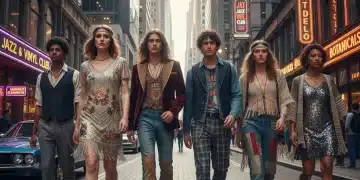
The 1970s, an era synonymous with freedom, self-expression, and uninhibited glamour, is making a spectacular return in 2026. This isn’t your grandmother’s disco; it’s a refined, elevated version that captures the spirit of Studio 54 with a contemporary twist. Designers are drawing inspiration from the decade’s iconic silhouettes and opulent textures, infusing them with 21st-century innovation. Think shimmering fabrics, bold prints, and silhouettes that celebrate movement and confidence. This revival is more than just a trend; it’s a celebration of joy and exuberance in a world often seeking optimism.
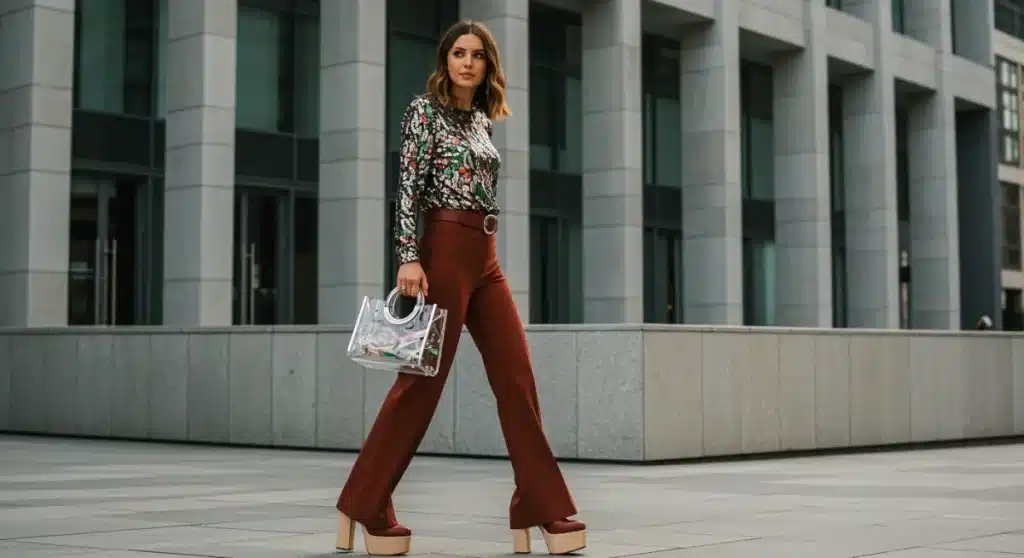
The modern disco glam aesthetic is characterized by its playful yet sophisticated approach. It’s about making a statement, whether you’re heading to a casual brunch or a high-profile evening event. The key lies in strategic accessorizing and a thoughtful blend of vintage and new pieces, ensuring that the look feels fresh and relevant, not like a costume. From shimmering jumpsuits to tailored wide-leg pants, the options are as diverse as the decade itself.
Key Elements of 2026 Disco Glam
This season, several distinct elements define the disco glam revival. Understanding these components is crucial for anyone looking to embrace this vibrant trend. It’s about balancing the audacious with the elegant, creating harmony between past and present.
Advertisement
- Shimmering Fabrics: Sequins, lamé, and metallic knits are paramount, reflecting light and demanding attention. These aren’t just for evening wear; expect to see them integrated into daytime ensembles for a touch of unexpected sparkle.
- Exaggerated Silhouettes: Wide-leg trousers, flowing maxi dresses, and dramatic bell sleeves are back, emphasizing movement and a relaxed yet luxurious feel. These shapes offer comfort without sacrificing style, a perfect blend for the modern consumer.
- Bold Prints and Colors: Geometric patterns, psychedelic swirls, and vibrant color palettes are essential. Think rich jewel tones, electric blues, and fiery oranges, often combined in unexpected ways to create a striking visual impact.
- Platform Footwear: Chunky heels and platform boots are making a powerful comeback, adding height and an undeniable retro flair. These aren’t just fashion statements; they also provide a surprising level of comfort for extended wear.
Sustainable Glamour: A New Approach
One of the most exciting aspects of 2026’s disco glam comeback is its embrace of sustainability. Unlike the fast fashion cycles of previous decades, this revival encourages conscious consumption. Brands are utilizing recycled materials, upcycling vintage pieces, and promoting ethical production practices to ensure that glamour doesn’t come at the Earth’s expense. Consumers are increasingly seeking out pieces that tell a story, valuing longevity and craftsmanship over fleeting trends. This shift aligns perfectly with the ethos of vintage, where history and quality are inherently celebrated.
The emphasis on sustainable glamour means investing in high-quality, versatile pieces that can be styled in multiple ways and cherished for years. It’s about building a wardrobe that is both stylish and responsible, proving that fashion can be both fabulous and eco-conscious. This thoughtful approach ensures the longevity of the trend and its positive impact on the industry.
In conclusion, the 2026 disco glam revival is a vibrant fusion of historical elegance and contemporary values. It’s a call to embrace joy, express individuality, and dance through life with a touch of sparkle, all while keeping an eye on ethical consumption. This trend proves that true style is timeless and can always be reinvented for a new generation.
The Grunge Revival: Edgy Elegance from the 90s
From the glittering dance floors of disco, we transition to the raw, rebellious spirit of the 1990s as grunge makes its highly anticipated return in 2026. This isn’t the unkempt, anti-fashion statement of its origins; rather, it’s a sophisticated reinterpretation, blending distressed elements with tailored pieces and luxury fabrics. The grunge revival of today is about understated cool and a subtle defiance, offering a refreshing contrast to the overt glamour seen elsewhere. It’s a nod to individuality and comfort, but with an elevated aesthetic that appeals to a broader audience.
The essence of 90s grunge, characterized by its layered looks, oversized silhouettes, and a distinct nonchalance, is being re-contextualized for the modern era. Think less Kurt Cobain on stage and more carefully curated street style, where each seemingly effortless detail is actually quite intentional. This trend speaks to a generation that values authenticity and self-expression, providing a versatile framework for personal style.
Modern Interpretations of Grunge Aesthetics
The 2026 grunge revival is far from a direct copy of its predecessor. Instead, it meticulously selects key elements and refines them with contemporary design principles and material innovations. This creates a look that is both familiar and excitingly new, appealing to those who appreciate a touch of rebellion without sacrificing sophistication.
- Layering Reinvented: Flannel shirts are still central, but now they might be paired with silk slip dresses or tailored blazers, creating unexpected textures and proportions. The art of layering becomes more strategic, adding depth and visual interest without bulk.
- Distressed but Refined: Ripped denim and worn-in tees maintain their appeal, but often feature higher quality fabrics and more intentional distressing. The ‘distressed’ look is now a design choice, not merely a sign of wear.
- Neutral Palettes with Pops of Color: While black, grey, and olive green remain foundational, designers are introducing strategic pops of jewel tones or muted pastels to add a fresh dimension. This subtle injection of color prevents the look from becoming too somber.
- Chunky Footwear: Doc Martens and combat boots continue to be staples, offering a grounded, utilitarian contrast to softer elements. These robust footwear choices anchor the overall aesthetic.
The Influence of Sustainable Practices
Sustainability plays a crucial role in the grunge revival. The inherent nature of grunge, with its emphasis on well-worn items and a rejection of consumerism, aligns perfectly with the principles of circular fashion. Upcycling and repurposing are key, with vintage band tees and distressed denim being given new life through creative alterations and pairings. Brands are also focusing on eco-friendly production methods for new grunge-inspired garments, utilizing organic cottons and low-impact dyes. This commitment to sustainability ensures that the trend is not only stylish but also responsible, resonating deeply with environmentally conscious consumers.
The grunge revival of 2026 is a testament to the enduring appeal of counter-culture aesthetics, proving that rebellion can be both chic and conscious. It’s about finding beauty in imperfection and expressing individuality through thoughtful, layered ensembles that tell a story. This refined approach to grunge offers a powerful statement for the contemporary fashion enthusiast.
Y2K Cyber-Chic: Digital Dreams and Metallic Glam
As we navigate further into 2026, the turn of the millennium, specifically the Y2K era, is making a vibrant return, but with a futuristic twist: cyber-chic. This revival is less about direct nostalgia and more about re-imagining the optimistic, technologically-driven aesthetic of the early 2000s through a 2026 lens. Expect to see shiny fabrics, innovative cuts, and an undeniable digital influence that blends seamlessly with current tech advancements. It’s a celebration of technological progress and a playful exploration of how fashion can reflect our increasingly connected world.
This iteration of Y2K is bolder, more refined, and often incorporates elements of virtual reality and artificial intelligence in its design philosophy. It’s about clean lines, unexpected textures, and a color palette that feels both retro and ultra-modern. The influence of gaming culture, digital art, and virtual fashion platforms is evident, pushing the boundaries of what traditional clothing can be.
Defining Features of 2026 Y2K Cyber-Chic
The cyber-chic movement is characterized by its distinct blend of early 2000s futuristic visions and 2026’s advanced materials and design techniques. This fusion creates a unique aesthetic that is both playful and forward-thinking, making a strong statement about our digital age.
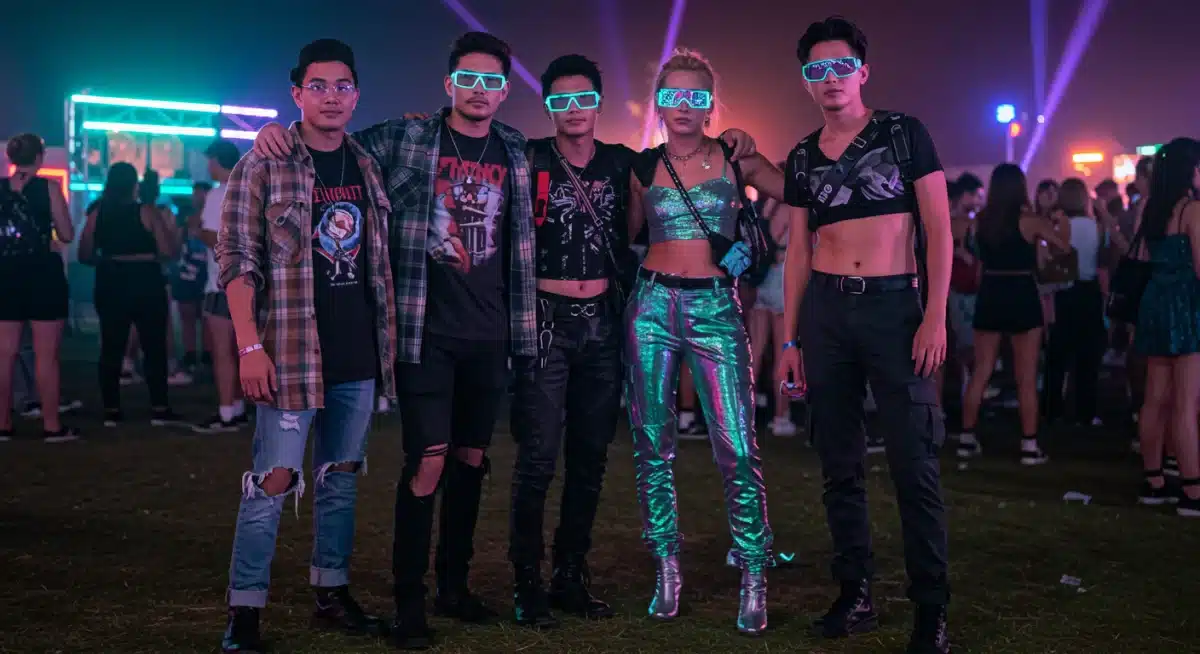
- Metallic and Iridescent Fabrics: Silver, chrome, and iridescent materials are key, mimicking the sheen of technology and digital interfaces. These fabrics create a dynamic visual effect, changing with movement and light.
- Innovative Cut-outs and Asymmetry: Garments feature strategic cut-outs and asymmetrical designs, reflecting a deconstructed yet precise aesthetic. These elements add an architectural quality to clothing, making each piece feel like a wearable sculpture.
- Translucent and Sheer Materials: See-through fabrics, often in neon or pastel shades, are used for layering or as statement pieces, evoking a sense of digital transparency and lightness. They create an ethereal, almost virtual, quality.
- Utility and Tech-Inspired Details: Cargo pockets, buckles, and adjustable straps are incorporated, blending functionality with fashion. These details nod to the utilitarian aspects of early tech wear, updated for contemporary style.
The Digital Frontier: Fashion in the Metaverse
The Y2K cyber-chic trend is deeply intertwined with the burgeoning metaverse and digital fashion scene. In 2026, it’s not uncommon for consumers to purchase digital versions of outfits for their avatars, or even wear augmented reality filters that project cyber-chic elements onto their real-world appearance. This digital integration influences physical designs, leading to garments that look as striking in a virtual space as they do in person. Designers are experimenting with NFTs (Non-Fungible Tokens) for unique digital apparel, blurring the lines between physical and virtual fashion. This convergence offers new avenues for creativity and consumption, pushing the boundaries of traditional retail.
Furthermore, advanced textiles with embedded smart technology, such as fabrics that change color or display digital patterns, are becoming more mainstream. This technological leap transforms clothing into interactive experiences, making the Y2K cyber-chic trend a true embodiment of future fashion. The focus is on innovation, connectivity, and a playful yet sophisticated approach to dressing in the digital age. This ensures the trend remains relevant and exciting, constantly evolving with technological advancements.
Sustainability as the Core of Retro Reimagination
Across all three burgeoning retro styles – disco glam, grunge revival, and Y2K cyber-chic – a unifying and critical theme for 2026 is sustainability. This isn’t merely a fleeting trend but a foundational principle guiding the reimagination of vintage aesthetics. Consumers are increasingly conscious of their environmental footprint, demanding transparency and ethical practices from fashion brands. This shift has propelled sustainability from a niche concern to a mainstream expectation, influencing everything from material sourcing to production methods and consumer purchasing decisions. The circular economy, where garments are designed for longevity and recyclability, is becoming the new standard.
The inherent nature of vintage fashion itself supports sustainability, as it promotes reusing and giving new life to existing garments. However, the 2026 interpretation goes further, actively integrating eco-friendly innovations into new collections that draw inspiration from these retro eras. This means a focus on reducing waste, conserving resources, and minimizing the environmental impact throughout the entire fashion supply chain. It’s about making conscious choices at every step.
Eco-Conscious Materials and Production
The drive for sustainability in vintage-inspired fashion is leading to significant advancements in material science and production techniques. Designers are not just looking to the past for style; they’re looking to the future for responsible materials. This commitment is reshaping how garments are made and consumed, offering a more positive impact on the planet.
- Recycled and Upcycled Fabrics: Polyester made from recycled plastic bottles, regenerated nylon from ocean waste, and upcycled denim are becoming commonplace. These materials reduce the demand for virgin resources and divert waste from landfills.
- Organic and Biodegradable Fibers: Certified organic cotton, hemp, and linen, grown without harmful pesticides, are favored for their lower environmental impact. Innovations in biodegradable fibers, like those derived from plant-based sources, are also gaining traction, offering end-of-life solutions for garments.
- Low-Impact Dyeing Techniques: Waterless dyeing processes, natural dyes, and digital printing methods are being adopted to significantly reduce water consumption and chemical pollution associated with conventional dyeing.
- Local and Ethical Production: There’s a growing emphasis on local manufacturing to reduce transportation emissions and support fair labor practices. Brands are investing in ethical supply chains, ensuring workers are paid fair wages and work in safe conditions.
Longevity and Circularity in Design
Beyond material choices, the concept of longevity and circularity is central to sustainable retro fashion. Designers are creating pieces that are built to last, both in terms of durability and timeless appeal. The goal is to move away from disposable fashion and towards a model where garments are cherished, repaired, and eventually recycled or composted. This paradigm shift requires a fundamental change in how both designers and consumers approach clothing.
The rise of rental platforms, resale markets, and repair services further supports this circular model, extending the lifespan of garments and reducing overall consumption. By embracing sustainability, the vintage reimagination of 2026 is not just about looking good; it’s about doing good, proving that fashion can be a powerful force for positive change. This holistic approach ensures that these retro styles are not only fashionable but also future-proof, contributing to a more sustainable world.
Accessorizing for the Modern Retro Look
No retro-inspired outfit is complete without the right accessories, and in 2026, accessorizing is an art form that bridges the past and the present. Whether you’re channeling disco glam, grunge revival, or Y2K cyber-chic, the right additions can elevate your look from merely nostalgic to truly contemporary. The key is to select pieces that complement the chosen era’s aesthetic while incorporating modern touches, preventing the outfit from appearing too literal or costume-like. Accessories offer a fantastic opportunity to inject personality and individuality into an ensemble, allowing for subtle nods to vintage without fully committing to a head-to-toe retro look.
The current trend emphasizes thoughtful curation, where each accessory serves a purpose, whether functional or purely decorative. It’s about creating a cohesive narrative that tells a story of personal style, blending influences from different decades with ease. This approach allows for versatility, enabling fashion enthusiasts to seamlessly transition their retro-inspired outfits from day to night, or from casual to formal settings.
Essential Accessories for Each Retro Style
Each of the top three retro comebacks in 2026 demands specific accessory choices to fully capture its essence while maintaining a modern edge. Understanding these distinctions helps in crafting an authentic yet current look that stands out.
- Disco Glam: Think oversized sunglasses, statement jewelry (chunky gold chains, large hoop earrings), metallic clutches, and wide, embellished belts. Hair accessories like silk scarves or headbands add a touch of sophisticated flair.
- Grunge Revival: Beanies, bandanas, layered delicate necklaces mixed with heavier chains, studded belts, and minimalist backpacks. Fingerless gloves or fishnet stockings can also add an authentic, edgy touch without going overboard.
- Y2K Cyber-Chic: Mini sunglasses, holographic or transparent bags, chunky sneakers, sleek hair clips, and body chains. Tech-inspired jewelry, such as pieces resembling circuit boards or microchips, also make a strong statement.
The Role of Contemporary Accessories
While vintage-inspired accessories are crucial, the modern retro look benefits greatly from the inclusion of contemporary elements. This fusion prevents the outfit from being a direct replica and instead creates something fresh and unique. For instance, pairing a 70s-inspired jumpsuit with a minimalist 2026 smartwatch or a classic grunge flannel with a sleek, architectural handbag can create an intriguing contrast. The goal is to balance the old with the new, ensuring the outfit feels current and relevant.
Furthermore, the integration of smart accessories – such as fitness trackers disguised as elegant jewelry or touch-sensitive gloves – adds a futuristic dimension to any retro ensemble. This seamless blend of technology and fashion is a hallmark of 2026 style, demonstrating how modern advancements can enhance and complement vintage aesthetics. Ultimately, accessorizing for the modern retro look is about creativity, balance, and a keen eye for detail, making each outfit a unique expression of personal style.
The Influence of Pop Culture and Social Media
In 2026, the rapid dissemination of fashion trends is inextricably linked to pop culture and social media, playing a pivotal role in the resurgence and evolution of vintage styles. Platforms like TikTok, Instagram, and emerging metaverse social spaces act as powerful incubators for trends, allowing retro aesthetics to be discovered, reinterpreted, and popularized by a global audience. Celebrity endorsements, fashion influencers, and viral challenges often dictate which vintage looks gain traction, transforming niche styles into widespread phenomena. This digital ecosystem fosters a dynamic environment where fashion is constantly evolving, driven by collective creativity and instant feedback.
Pop culture, particularly through television shows, films, and music that reference past decades, also acts as a significant catalyst. A hit series set in the 70s, for example, can instantly reignite interest in disco glam, while a popular music artist embracing 90s grunge can send sales of flannel shirts soaring. This interplay between media and fashion creates a cyclical relationship, where art imitates life and then life imitates art, continually refreshing our collective style consciousness.
How Digital Platforms Amplify Retro Trends
Social media platforms are not just spaces for passive consumption; they are active communities where users experiment, share, and co-create fashion trends. This participatory culture is crucial for the longevity and adaptability of vintage styles, ensuring they remain relevant in a fast-paced world.
- Trend Spotting and Curation: Algorithms on platforms like Stylegram and TrendTok quickly identify emerging patterns, pushing vintage-inspired content to a wider audience. Users curate their feeds, creating personalized mood boards of retro looks.
- Influencer Endorsement: Fashion influencers and micro-influencers showcase their unique interpretations of retro styles, making them accessible and aspirational for their followers. Their styling tips and product recommendations drive consumer interest.
- User-Generated Content: The sheer volume of user-generated content, from outfit-of-the-day posts to styling tutorials, provides endless inspiration and validates the popularity of certain retro aesthetics. This organic growth contributes significantly to a trend’s momentum.
- Virtual Styling and Avatars: In the metaverse, users can experiment with digital vintage clothing on their avatars, testing out looks before potentially investing in physical pieces. This virtual try-on experience accelerates trend adoption and personalizes the fashion journey.
The Democratization of Fashion
The digital landscape has largely democratized fashion, breaking down traditional barriers and allowing anyone to become a trendsetter. This means that vintage trends are no longer solely dictated by high fashion runways; they can emerge from street style, online communities, or even individual creators experimenting with thrift store finds. This bottom-up approach to trend development ensures a richer, more diverse array of retro interpretations, reflecting a broader spectrum of tastes and cultural influences.
Furthermore, social media facilitates direct engagement between brands and consumers, allowing for real-time feedback and customization. This responsiveness ensures that the vintage reimagination is not a static phenomenon but a constantly evolving dialogue, making fashion more inclusive and reflective of contemporary values. The powerful synergy between pop culture and social media ensures that 2026’s retro comebacks are not just fleeting moments but deeply integrated aspects of the modern fashion identity.
The Future of Vintage: Beyond 2026
As we look beyond 2026, the trajectory of vintage fashion suggests that its influence is far from waning; instead, it is set to become an even more entrenched and sophisticated aspect of global style. The current reimagination of disco glam, grunge revival, and Y2K cyber-chic is not merely a cyclical return to old trends but a fundamental shift in how we perceive and consume fashion. This evolution is driven by a blend of technological innovation, increasing environmental awareness, and a persistent human desire for individuality and nostalgia. The future of vintage will be characterized by greater personalization, deeper integration of sustainable practices, and an increasingly blurred line between physical and digital apparel.
Expect to see an even more nuanced approach to retro aesthetics, where designers and consumers alike draw inspiration from a wider array of historical periods and subcultures, combining them in unexpected and innovative ways. The concept of ‘vintage’ itself might broaden, encompassing not just past decades but also future-forward interpretations of classic styles, creating a timeless yet ever-evolving fashion lexicon. This forward-looking perspective ensures that vintage remains a dynamic and relevant force in the years to come.
Innovations in Vintage Curation and Customization
The future will bring advanced tools and platforms that make discovering, curating, and customizing vintage pieces more accessible and personalized than ever before. This will empower consumers to not just follow trends but to actively shape them, creating truly unique expressions of style.
- AI-Powered Styling: Artificial intelligence will play a larger role in helping consumers identify vintage pieces that align with their personal style, body type, and ethical preferences. AI stylists will offer tailored recommendations, making vintage shopping more efficient and enjoyable.
- 3D Printing and Customization: Advances in 3D printing technology will allow for the creation of bespoke vintage-inspired accessories and garment embellishments, enabling unprecedented levels of customization. Consumers will be able to design unique elements to integrate into their retro outfits.
- Blockchain for Authenticity: Blockchain technology could be used to verify the authenticity and provenance of genuine vintage items, combating counterfeiting and building trust in the secondhand market. This will add a layer of security and value to vintage investments.
- Augmented Reality Fitting Rooms: AR technology will become even more sophisticated, allowing consumers to virtually try on vintage clothing from online retailers or digital archives, providing a realistic sense of fit and style before purchase.
The Blending of Eras and Styles
The future of vintage fashion will likely see an increased blending of different eras and styles, moving away from strict adherence to a single decade. This eclectic approach, often termed ‘neo-vintage’ or ‘post-retro,’ will celebrate the freedom of mixing and matching elements from various periods to create entirely new aesthetics. A single outfit might feature a 60s mod silhouette, 80s power shoulders, and Y2K metallics, all unified by a modern sensibility and sustainable materials. This creative fusion will encourage greater experimentation and personal expression, ensuring that fashion remains exciting and innovative.
Ultimately, the enduring appeal of vintage lies in its ability to offer a sense of history, character, and uniqueness that is often missing from mass-produced modern clothing. As we move beyond 2026, this appreciation for craftsmanship, storytelling, and individual expression will only deepen, solidifying vintage’s place as a cornerstone of sustainable and stylish fashion. The future of vintage is not just about looking back; it’s about continuously moving forward with conscious creativity.
| Key Comeback Style | Defining Characteristics in 2026 |
|---|---|
| Disco Glam (70s) | Shimmering fabrics, wide-leg silhouettes, bold prints, platform shoes, with an emphasis on sustainable materials. |
| Grunge Revival (90s) | Layered looks, distressed but refined denim, neutral palettes, chunky boots, and a focus on upcycling. |
| Y2K Cyber-Chic (2000s) | Metallic/iridescent fabrics, innovative cut-outs, translucent materials, tech-inspired details, and metaverse integration. |
| Sustainability Integration | Eco-conscious materials, ethical production, longevity in design, and circular fashion principles across all retro trends. |
Frequently Asked Questions About 2026 Retro Fashion
The comeback is fueled by a blend of nostalgia, a strong emphasis on sustainability, and the pervasive influence of social media and pop culture. Consumers are seeking unique self-expression and ethical choices, which vintage styles perfectly embody in a modern context.
Sustainability is integrated through the use of recycled and organic materials, upcycling existing garments, low-impact dyeing processes, and ethical local production. The focus is on creating durable, long-lasting pieces that reduce fashion’s environmental footprint.
Absolutely! The 2026 fashion scene encourages ‘neo-vintage’ or ‘post-retro’ styling, blending elements from various decades. The key is thoughtful curation and balancing different textures and silhouettes to create a cohesive and personalized look that feels fresh.
Technology significantly influences Y2K cyber-chic, with metallic fabrics and tech-inspired details. AI-powered styling, AR fitting rooms, and digital fashion in the metaverse also amplify all retro trends, making them more accessible and interactive for consumers.
Look for authentic pieces in reputable vintage stores, online resale platforms, and curated thrift shops. Many modern brands also offer sustainable, retro-inspired collections using recycled materials, providing options for both original and reimagined vintage looks.
Conclusion
The fashion landscape of 2026 is a compelling testament to the enduring power of style, demonstrating how the past can continuously inspire and redefine the future. The resurgence of disco glam, grunge revival, and Y2K cyber-chic is more than just a fleeting trend; it represents a thoughtful reimagination of iconic eras, infused with modern sensibilities and a crucial commitment to sustainability. These retro comebacks are not about slavishly replicating old looks but about creating fresh, relevant narratives that resonate with contemporary values of individuality, conscious consumption, and technological integration. As we move forward, the dynamic interplay between nostalgia, innovation, and ethical practices will undoubtedly continue to shape and enrich our wardrobes, ensuring that vintage remains a vibrant and essential force in the ever-evolving world of fashion.