Textile Innovations for 2026: Future Fashion Fabrics Revealed
Advertisement
The fashion industry is undergoing a revolutionary shift with 2026’s textile innovations, introducing smart fabrics, advanced sustainable materials, and bio-engineered solutions that redefine performance and environmental responsibility.
The year 2026 is poised to be a landmark year for the fashion industry, as groundbreaking developments in materials science are ushering in a new era of design, functionality, and sustainability. These Textile Innovations for 2026 are not merely incremental improvements but represent a fundamental reimagining of what fabric can be, promising to revolutionize how we interact with our clothing and the planet.
Advertisement
The Dawn of Smart Fabrics: Integrating Technology Seamlessly
Smart fabrics are no longer a futuristic concept; by 2026, they are becoming an integral part of everyday wear. These textiles weave technology directly into their fibers, offering functionalities far beyond traditional garments. From health monitoring to adaptive climate control, smart fabrics promise a new level of personal interaction with our attire.
The evolution of smart textiles has been driven by advancements in miniaturized electronics and flexible conductive materials. Designers and engineers are collaborating to create garments that are not only aesthetically pleasing but also highly intelligent, blurring the lines between fashion and wearable technology. This convergence opens up vast possibilities for personalized experiences and enhanced well-being.
Health Monitoring and Performance Enhancement
One of the most significant applications of smart fabrics lies in health monitoring. Imagine a shirt that tracks your heart rate, respiration, and even sleep patterns without the need for bulky devices. These innovations are particularly beneficial for athletes and individuals with specific health needs.
Advertisement
- Integrated biometric sensors provide real-time health data.
- Fabrics can detect stress levels through galvanic skin response.
- Garments offer personalized feedback for athletic performance improvement.
Adaptive Climate Control
Another exciting frontier is adaptive climate control. Fabrics are being engineered to respond to environmental changes, keeping the wearer comfortable in varying temperatures. This reduces the need for layering and enhances versatility.
- Thermo-regulating fibers adjust to body temperature.
- Moisture-wicking properties enhance breathability in hot conditions.
- Materials can generate warmth in cold environments through embedded micro-heaters.
In conclusion, smart fabrics are transforming clothing from passive coverings into active participants in our lives. Their seamless integration of technology offers unparalleled convenience, health benefits, and performance enhancements, setting a new standard for what we expect from our apparel in 2026 and beyond.
Sustainable Synthetics: Redefining Eco-Friendly Materials
The fashion industry’s environmental footprint has long been a major concern. However, Textile Innovations for 2026 are presenting a new generation of sustainable synthetics that challenge traditional perceptions. These materials are engineered to minimize environmental impact throughout their lifecycle, from production to disposal.
Gone are the days when ‘synthetic’ was synonymous with ‘unsustainable.’ Researchers are developing innovative ways to produce high-performance fibers from recycled content, bio-based polymers, and even emissions. This shift is crucial for addressing waste reduction and resource depletion, offering viable alternatives to conventional materials.
Recycled and Upcycled Fibers
The use of recycled and upcycled materials has surged. Post-consumer waste, particularly plastics, is being transformed into durable and aesthetically pleasing fabrics. This not only diverts waste from landfills but also reduces the demand for virgin resources.
- Recycled polyester (rPET) from plastic bottles is widely adopted.
- Nylon made from fishing nets and industrial waste finds new life in apparel.
- Innovative processes convert textile waste into new high-quality fibers.
Bio-based Polymers and Regenerative Materials
Another significant advancement is the development of bio-based polymers derived from renewable resources like corn, sugarcane, and even algae. These materials offer biodegradability and reduced carbon footprints, presenting a compelling vision for a circular fashion economy.
Regenerative agriculture practices are also influencing material sourcing. Cotton and other natural fibers are being cultivated in ways that improve soil health, sequester carbon, and enhance biodiversity, demonstrating a holistic approach to sustainable textile production.
Ultimately, sustainable synthetics are proving that performance and environmental responsibility can coexist. These materials are pivotal in the fashion industry’s journey towards a more ethical and eco-conscious future, demonstrating that innovation can drive positive change.
Bio-Engineered Textiles: Growing Your Garment
Perhaps the most revolutionary of the Textile Innovations for 2026 are bio-engineered textiles. This cutting-edge field involves using biological processes and organisms to create new materials, offering unprecedented sustainability and unique properties. Imagine fabrics grown in a lab or derived from microbial cultures.
The concept might seem like science fiction, but it’s rapidly becoming a reality. Scientists are harnessing the power of biotechnology to cultivate fibers that require minimal land, water, and harmful chemicals. This approach significantly reduces the environmental burden associated with traditional textile production, paving the way for truly regenerative fashion.
Mycelium and Algae-Based Fabrics
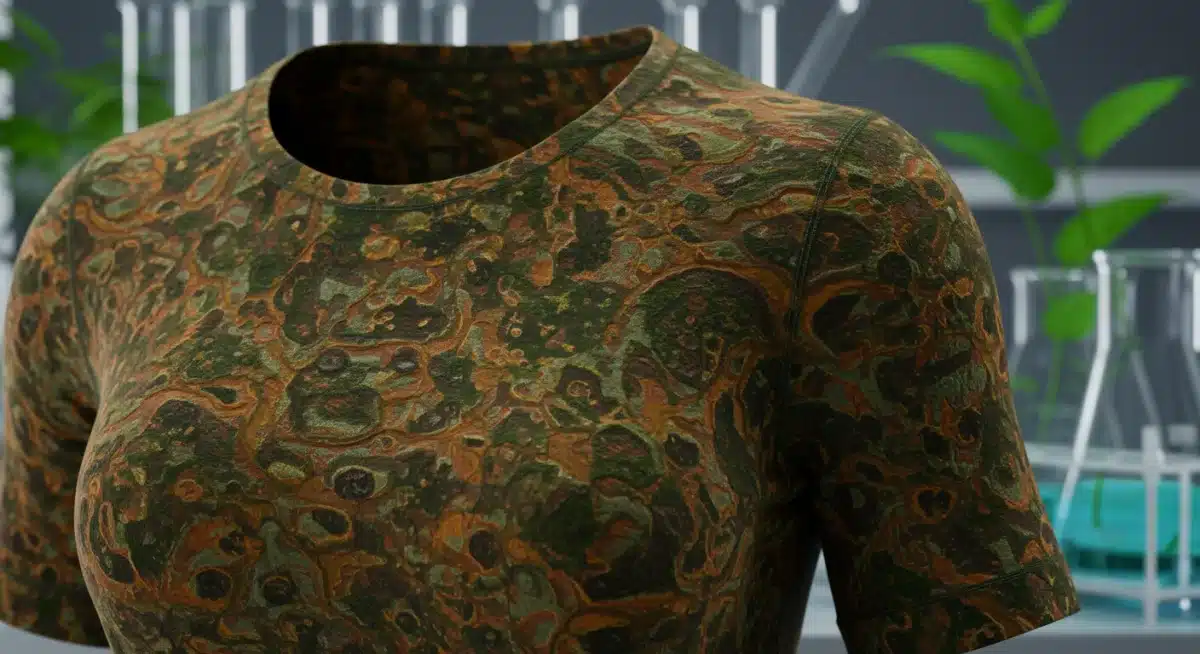
Mycelium, the root structure of mushrooms, is being engineered into leather-like materials that are durable, versatile, and fully biodegradable. Algae, a fast-growing aquatic organism, is also being explored for its potential to create vibrant dyes and even textile fibers.
- Mycelium offers a sustainable alternative to animal leather.
- Algae-based dyes reduce water pollution from synthetic colors.
- Research into algae fibers could lead to carbon-negative textiles.
Spider Silk and Lab-Grown Proteins
Inspired by nature’s strongest materials, scientists are bio-engineering spider silk proteins to create incredibly strong and lightweight fibers. These lab-grown proteins mimic the properties of natural spider silk, offering superior performance without harming spiders.
Beyond spider silk, various other proteins are being synthesized to create novel materials with specific functionalities. This allows for precise control over the textile’s properties, opening doors to highly specialized applications in fashion and beyond.
Bio-engineered textiles represent a paradigm shift in material creation. By leveraging biological processes, we can produce materials that are not only sustainable but also possess unique performance characteristics, marking a pivotal moment in the future of fashion.
Self-Repairing and Adaptive Materials: The Future of Durability
Durability and longevity are crucial aspects of sustainable fashion, and Textile Innovations for 2026 are addressing this with self-repairing and adaptive materials. These fabrics are designed to extend the lifespan of garments, reducing waste and promoting a more conscious consumption model.
The idea of a garment that can mend itself or adjust to its environment automatically sounds revolutionary, but advancements in polymer science and material engineering are making it a reality. This focus on intrinsic durability aims to combat fast fashion’s disposable nature.
Self-Healing Polymers
Scientists are developing polymers that can autonomously repair minor cuts, tears, and abrasions. These materials contain microcapsules filled with healing agents that are released upon damage, effectively sealing the breach and restoring the fabric’s integrity.
This technology is particularly promising for outerwear and activewear, where garments are frequently subjected to wear and tear. Imagine a hiking jacket that patches itself up after snagging on a branch, significantly extending its useful life.
Shape-Memory Alloys and Polymers
Adaptive materials, incorporating shape-memory alloys and polymers, can change their form or properties in response to external stimuli like temperature or light. This allows garments to adapt to the wearer’s needs or environmental conditions.
- Fabrics can stiffen or soften based on body movement or external forces.
- Garments can change shape to provide better insulation or ventilation.
- Materials can recover their original form after deformation, preventing wrinkles and maintaining appearance.
The development of self-repairing and adaptive materials signifies a major leap towards a more durable and sustainable fashion industry. These innovations promise to reduce textile waste, enhance product longevity, and offer consumers clothing that truly stands the test of time.
The Impact on Fashion Design and Consumer Experience
The profound changes brought by Textile Innovations for 2026 are not limited to material science; they are fundamentally reshaping fashion design and the consumer experience. Designers are gaining an unprecedented palette of possibilities, while consumers can expect garments that are more functional, sustainable, and personalized than ever before.
This new era encourages a shift away from purely aesthetic considerations towards a holistic approach that integrates performance, ethics, and environmental responsibility. Fashion is becoming a blend of art, science, and social consciousness, leading to more meaningful and impactful creations.
New Aesthetic and Functional Possibilities
Designers are exploring novel silhouettes, textures, and color palettes made possible by these advanced textiles. Smart fabrics allow for dynamic designs that interact with the wearer, while bio-engineered materials offer unique organic aesthetics and tactile qualities.
- Interactive garments that respond to touch or environment.
- Naturally derived textures and patterns from bio-based materials.
- Lightweight yet incredibly strong fabrics enable innovative structural designs.
Enhanced Consumer Engagement and Personalization
Consumers in 2026 will experience fashion that is deeply integrated with their lifestyles. From clothing that monitors their health to pieces that adapt to changing weather, the relationship with apparel is becoming more personal and interactive.
The emphasis on sustainability also empowers consumers to make more informed and ethical choices. Transparency in material sourcing and production processes will become standard, fostering a deeper connection between brands and their environmentally conscious clientele.
In essence, these textile innovations are transforming fashion into a dynamic, responsible, and highly personalized domain. The consumer experience is enriched by garments that not only look good but also perform exceptionally and align with personal values.
Challenges and the Road Ahead for Textile Innovation
While the Textile Innovations for 2026 present an exciting future for fashion, their widespread adoption and continued development face several challenges. Scaling production, ensuring affordability, and educating both the industry and consumers are critical hurdles that need to be overcome to realize the full potential of these groundbreaking materials.
The journey from laboratory breakthrough to mass-market availability is often complex, involving significant investment in research, infrastructure, and supply chain development. Addressing these challenges is paramount for these innovations to move beyond niche markets and become mainstream.
Scaling Production and Cost-Effectiveness
Many advanced textiles, especially bio-engineered ones, are currently produced on a small scale, making them expensive. The challenge lies in developing cost-effective manufacturing processes that can meet global demand without compromising quality or environmental integrity.
- Investment in automation and efficient production technologies.
- Developing robust supply chains for novel raw materials.
- Collaborations between tech companies and traditional textile manufacturers.
Consumer Acceptance and Education
Educating consumers about the benefits and unique care requirements of new materials is vital. Overcoming skepticism about novel fabrics and ensuring their acceptance requires clear communication and demonstrable value propositions.
Furthermore, the fashion industry needs to continue investing in research and development to push the boundaries of what’s possible. Ethical considerations, such as data privacy for smart textiles and the true biodegradability of new materials, must also remain at the forefront of innovation.
Despite these challenges, the trajectory for textile innovation is clearly forward. With continued collaboration, investment, and a commitment to sustainability, the groundbreaking fabrics of 2026 are set to transform fashion for the better, creating a more responsible and exciting future for all.
| Key Innovation | Brief Description |
|---|---|
| Smart Fabrics | Textiles with integrated tech for health monitoring, climate control, and enhanced functionality. |
| Sustainable Synthetics | Eco-friendly materials from recycled content, bio-based polymers, and regenerative sources. |
| Bio-Engineered Textiles | Fabrics grown using biological processes, like mycelium and lab-grown spider silk. |
| Self-Repairing Materials | Fabrics designed to autonomously mend minor damage, extending garment lifespan. |
Frequently Asked Questions About Future Fabrics
Smart fabrics are textiles with embedded technology, offering functionalities such as health monitoring, adaptive climate control, and interactive features. They will make daily wear more functional and personalized, blurring the lines between clothing and wearable tech for enhanced comfort and well-being.
Bio-engineered textiles, like those made from mycelium or lab-grown proteins, significantly reduce environmental impact. They require less land, water, and harmful chemicals than traditional methods, offering biodegradable and regenerative alternatives that push fashion towards a more circular economy.
Yes, modern sustainable synthetics are designed to be eco-friendly. They utilize recycled content, bio-based polymers, and innovative production methods that minimize waste and carbon footprint. This new generation of synthetics challenges past perceptions, offering high performance with reduced environmental harm.
Self-repairing fabrics extend the lifespan of garments by autonomously mending minor damage like cuts or tears. This innovation reduces textile waste, combats fast fashion, and ensures clothing remains durable and functional for longer, promoting more sustainable consumption habits and value.
These innovations offer designers new aesthetic and functional possibilities, enabling interactive garments, unique organic textures, and highly personalized designs. Fashion will become a blend of art, science, and ethics, creating more meaningful and impactful clothing that deeply engages consumers.
Conclusion
The landscape of fashion is undergoing a profound transformation, driven by the remarkable Textile Innovations for 2026. From the intelligent functionalities of smart fabrics to the environmental stewardship embodied by sustainable synthetics and bio-engineered materials, and the groundbreaking durability of self-repairing textiles, the future of apparel is both exciting and responsible. These advancements are not just about new materials; they represent a fundamental shift in how we conceive, produce, and interact with our clothing, promising a future where fashion is more aligned with our values, our well-being, and the health of our planet. As these innovations continue to evolve and become more accessible, they will undoubtedly redefine the industry, fostering a new era of creativity, sustainability, and personal expression.