Medicare Benefits 2026: Key Changes & What to Expect

Advertisement
The landscape of healthcare is constantly evolving, and for millions of Americans, understanding their Medicare benefits is paramount. As we look ahead to 2026, it’s crucial to be prepared for potential changes that could impact your coverage, costs, and overall healthcare experience. The federal government, through the Centers for Medicare & Medicaid Services (CMS), regularly adjusts Medicare policies to reflect economic conditions, healthcare advancements, and legislative mandates. These adjustments can range from modifications in premiums and deductibles to alterations in covered services and the structure of Medicare Advantage plans.
For beneficiaries, both current and prospective, staying informed about these upcoming changes is not just advisable; it’s essential. Early awareness allows for proactive planning, enabling you to make informed decisions about your health insurance choices. Whether you rely on Original Medicare (Parts A and B), a Medicare Advantage (Part C) plan, or need to navigate prescription drug coverage through Part D, the details of Medicare Benefits 2026 could directly affect your financial well-being and access to necessary medical care.
This comprehensive guide aims to demystify the anticipated changes to Medicare Benefits 2026, providing you with the knowledge needed to navigate this complex system confidently. We’ll delve into the expected adjustments across various Medicare components, explore how these might affect your out-of-pocket expenses, and offer practical advice on how to prepare for the future of your healthcare.
Understanding the Foundation: Original Medicare (Parts A & B)
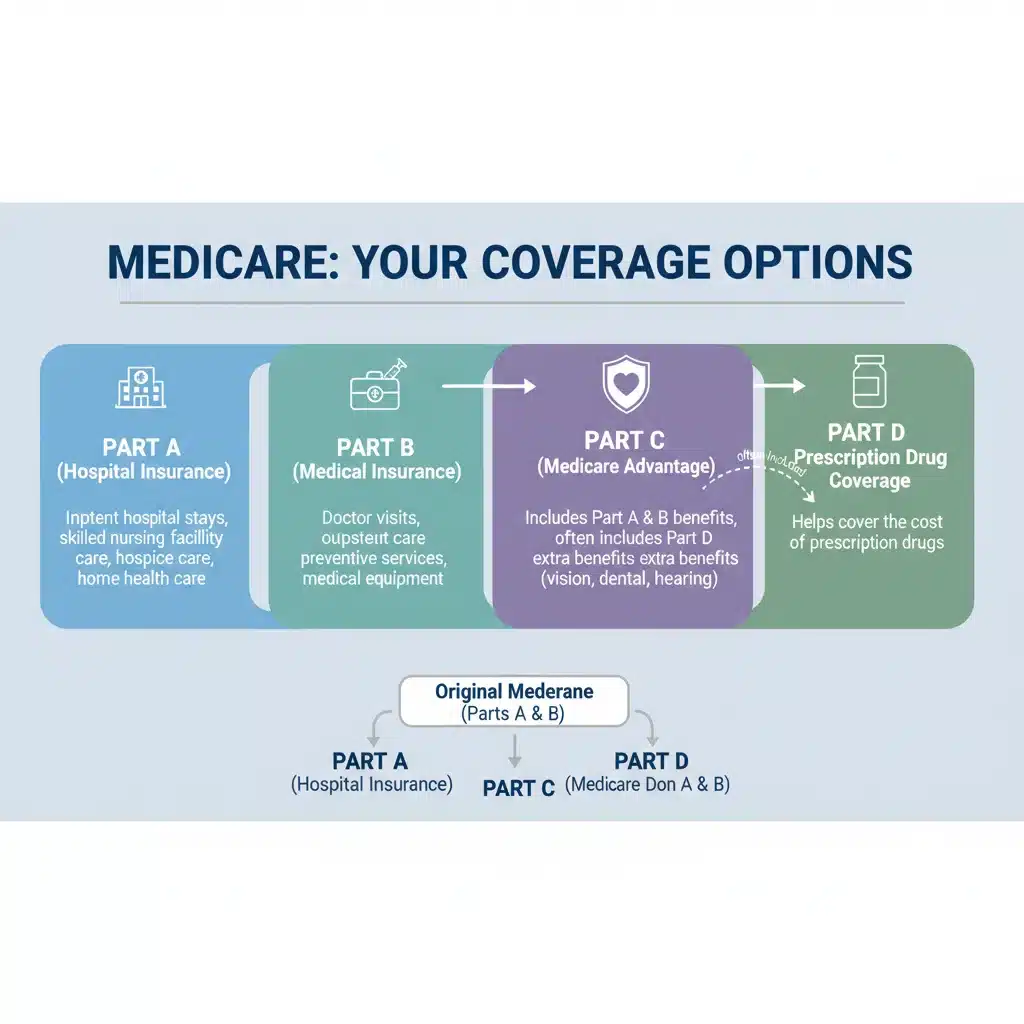
Before diving into the specifics of Medicare Benefits 2026, it’s vital to have a solid understanding of Original Medicare, which forms the bedrock of the program. Original Medicare is divided into two main parts: Part A (Hospital Insurance) and Part B (Medical Insurance).
Advertisement
Medicare Part A: Hospital Insurance
Medicare Part A primarily covers inpatient hospital stays, care in a skilled nursing facility, hospice care, and some home health care. Most people don’t pay a monthly premium for Part A if they or their spouse paid Medicare taxes through employment for a specified period (typically 10 years or 40 quarters). However, there are still costs associated with Part A, including deductibles and coinsurance.
For 2026, we might see adjustments to the Part A deductible. This is the amount you must pay before Medicare begins to pay for your inpatient hospital care. Additionally, coinsurance amounts for extended hospital stays or skilled nursing facility care could be revised. These figures are typically announced by CMS later in the year preceding the effective date, but it’s wise to anticipate potential increases aligned with general healthcare inflation.
Medicare Part B: Medical Insurance
Medicare Part B covers medically necessary services and supplies, including doctors’ services, outpatient care, preventive services, and some medical equipment. Unlike Part A, most beneficiaries pay a monthly premium for Part B. There’s also an annual deductible and coinsurance for most Part B services (typically 20% of the Medicare-approved amount after the deductible is met).
Advertisement
The Part B premium is often the most discussed and impactful change for many beneficiaries. These premiums are adjusted annually based on several factors, including the cost of healthcare services, Medicare’s financial health, and legislative actions. The standard Part B premium for Medicare Benefits 2026 is likely to see an increase, reflecting rising healthcare costs and potentially new covered services. Furthermore, the Part B deductible could also be subject to an upward revision. High-income earners may also face higher Part B premiums due to the Income-Related Monthly Adjustment Amount (IRMAA), which is also subject to annual adjustments and could impact a larger segment of the population in 2026.
Medicare Advantage (Part C): A Growing Alternative
Medicare Advantage plans, also known as Part C, are offered by private companies approved by Medicare. These plans provide all the benefits of Original Medicare (Part A and Part B) and often include additional benefits like prescription drug coverage (Part D), vision, dental, and hearing services. Many Medicare Advantage plans also offer extra perks such as gym memberships and transportation to medical appointments.
The popularity of Medicare Advantage plans has soared, and this trend is expected to continue into 2026. As more beneficiaries opt for these plans, CMS continues to refine the regulatory framework governing them. For Medicare Benefits 2026, we can anticipate several key areas of change:
- Benefit Enhancements and Reductions: Plans may introduce new supplemental benefits or modify existing ones to attract enrollees. Conversely, some benefits might be scaled back in certain plans. It’s crucial to review the Annual Notice of Change (ANOC) from your plan carefully.
- Network Changes: Healthcare provider networks within Medicare Advantage plans can change annually. Your doctors, specialists, or hospitals might be added or removed from a plan’s network for 2026. Verifying your providers are still in-network is essential.
- Premium and Cost-Sharing Adjustments: While many Medicare Advantage plans offer low or even $0 monthly premiums beyond your Part B premium, these can change. Deductibles, copayments, and coinsurance for various services can also be adjusted.
- Special Needs Plans (SNPs): Expect continued growth and refinement of SNPs, which cater to individuals with specific diseases or characteristics (e.g., chronic conditions, dual eligibility for Medicare and Medicaid).
- Telehealth Expansion: The increased use of telehealth services, accelerated by recent global events, is likely to be a permanent feature and may see further expansion and integration into Medicare Advantage plans for 2026, offering more convenient access to care.
When considering Medicare Advantage for 2026, it’s vital to compare plans meticulously. Focus on the total cost of care, including premiums, deductibles, copays, and out-of-pocket maximums, as well as the specific benefits offered and the provider network.
Medicare Part D: Prescription Drug Coverage in 2026
Medicare Part D provides prescription drug coverage through private insurance companies approved by Medicare. These plans can be standalone Prescription Drug Plans (PDPs) or included as part of a Medicare Advantage Plan (MA-PD).
Significant reforms to Part D have been legislated, and some of these changes will continue to phase in by 2026, potentially altering how you pay for your medications. Key areas to watch for in Medicare Benefits 2026 include:
- Caps on Out-of-Pocket Spending: Legislation has been enacted to cap out-of-pocket prescription drug costs for Part D enrollees. While some aspects of this cap might be fully implemented by 2026, understanding the exact threshold and how it impacts your specific drug costs will be critical. This could be a game-changer for individuals with high prescription drug expenses.
- Insulin Cost Adjustments: The cost of insulin has been a major concern. Expect continued efforts to cap out-of-pocket costs for insulin, potentially at a lower monthly amount, which will provide significant relief for many diabetics.
- Premium and Deductible Changes: As with other parts of Medicare, Part D plan premiums and deductibles are subject to annual adjustments. These will vary by plan, so careful comparison during the Annual Enrollment Period will be necessary.
- Formulary Updates: Each Part D plan has a formulary, which is a list of covered drugs. These formularies can change annually, with drugs being added, removed, or moved to different cost tiers. It’s crucial to check if your medications are still covered and at what cost.
- Low-Income Subsidy (LIS) Expansion: The eligibility criteria and benefits for the Low-Income Subsidy (Extra Help) program, which helps beneficiaries with their Part D costs, may be expanded or simplified, making it accessible to more individuals.
The changes to Part D are designed to make prescription drugs more affordable and predictable for beneficiaries. However, the specifics of how these changes translate into individual plan offerings for Medicare Benefits 2026 will require careful review.
Medigap (Medicare Supplement Insurance) in 2026
Medigap policies are sold by private companies and help pay some of the healthcare costs that Original Medicare doesn’t cover, such as copayments, coinsurance, and deductibles. These policies work alongside Original Medicare, not with Medicare Advantage plans.
While Medigap plans are standardized (meaning Plan A, B, C, etc., offer the same basic benefits regardless of the insurer), their premiums can vary significantly. For Medicare Benefits 2026, the primary changes in Medigap will likely revolve around premium adjustments. Factors influencing Medigap premiums include:
- Age: Premiums can increase as you get older.
- Location: Premiums vary by state and even by zip code.
- Medical Underwriting: If you don’t enroll during your initial Medigap Open Enrollment Period, you may be subject to medical underwriting, which can result in higher premiums or denial of coverage.
- Inflation and Healthcare Costs: General increases in healthcare costs can drive up Medigap premiums.
It’s important to remember that as of January 1, 2020, Medigap plans that cover the Part B deductible (Plans C and F) are no longer available to newly eligible Medicare beneficiaries. If you were eligible for Medicare before January 1, 2020, you might still be able to purchase these plans. This rule will continue to apply in 2026.
If you have a Medigap plan, you should regularly review your policy and compare it with other options, especially if your premiums are increasing significantly. While Medigap plans offer excellent predictability for out-of-pocket costs, they do not include prescription drug coverage, so you would need a separate Part D plan.
Potential Impact on Your Healthcare Costs and Choices
The changes to Medicare Benefits 2026, whether minor or significant, will undoubtedly have an impact on your healthcare costs and the choices available to you. Here’s a breakdown of how different aspects could affect your financial outlay:
- Premiums: Increases in Part B and Part D premiums will directly affect your monthly budget. Similarly, Medigap and Medicare Advantage plan premiums could also rise.
- Deductibles: Higher deductibles for Part A, Part B, and Part D mean you’ll pay more out-of-pocket before your coverage kicks in.
- Copayments and Coinsurance: Even small increases in copayments or coinsurance for doctor visits, hospital stays, or prescription drugs can add up over time, especially for individuals with chronic conditions.
- Out-of-Pocket Maximums: While Medicare Advantage plans have an annual out-of-pocket maximum, this limit can be adjusted. Understanding this maximum is crucial for budgeting. Original Medicare, without a Medigap policy, does not have an out-of-pocket maximum.
- Drug Costs: While the Part D out-of-pocket cap is a positive development, changes in formularies or tiering of your specific medications could still lead to unexpected costs if you don’t review your plan.
- Provider Access: Network changes in Medicare Advantage plans could mean losing access to your preferred doctors or hospitals, potentially requiring you to switch providers or pay higher out-of-network costs.
These financial implications underscore the importance of being proactive. Don’t wait until the last minute to understand how Medicare Benefits 2026 will affect you.
Preparing for Medicare Benefits 2026: A Proactive Approach
Navigating the complexities of Medicare requires a proactive strategy. Here’s how you can best prepare for Medicare Benefits 2026:
1. Stay Informed
- Monitor Official Sources: Regularly check the official Medicare.gov website and communications from the Centers for Medicare & Medicaid Services (CMS) for the most accurate and up-to-date information.
- Review Your Mail: Pay close attention to mail from your current Medicare plan (if you have one), especially the Annual Notice of Change (ANOC) and Evidence of Coverage (EOC). These documents detail all changes to your plan for the upcoming year.
- Consult Trusted Resources: Utilize resources like State Health Insurance Assistance Programs (SHIPs), non-profit organizations, and reputable financial advisors specializing in Medicare.
2. Evaluate Your Current Coverage
- Assess Your Health Needs: Consider any changes in your health status, anticipated medical procedures, or new prescriptions. Do your current benefits still align with your needs?
- Track Your Spending: Review your healthcare spending from the past year. This can help you anticipate future costs and determine if your current plan is still cost-effective.
- Review Your Provider Network: If you’re in a Medicare Advantage plan, verify that your doctors, specialists, and hospitals will still be in-network for 2026.
3. Compare Your Options During Annual Enrollment
The Medicare Annual Enrollment Period (AEP), which typically runs from October 15th to December 7th each year, is your opportunity to make changes to your Medicare coverage for the following year. For Medicare Benefits 2026, this will be your critical window to act.
- Compare All Plan Types: Don’t limit yourself to just one type of plan. Compare Original Medicare with Medigap and Part D, against various Medicare Advantage plans.
- Use Medicare’s Plan Finder Tool: The official Medicare Plan Finder tool on Medicare.gov is an invaluable resource for comparing plans based on your specific needs, prescriptions, and preferred pharmacies.
- Consider Total Costs: Look beyond just the monthly premium. Factor in deductibles, copayments, coinsurance, and out-of-pocket maximums to calculate your estimated total annual healthcare costs.
- Evaluate Extra Benefits: If you’re considering Medicare Advantage, assess the value of supplemental benefits like dental, vision, hearing, and fitness programs.
4. Seek Personalized Advice
Medicare can be overwhelming, and your situation is unique. Consider seeking advice from:
- Medicare Experts: Licensed insurance agents specializing in Medicare can provide personalized guidance and help you compare plans. Ensure they are independent and represent multiple carriers to offer unbiased advice.
- SHIP Counselors: State Health Insurance Assistance Programs (SHIPs) offer free, unbiased counseling to Medicare beneficiaries.

Long-Term Outlook and Future Considerations
Beyond Medicare Benefits 2026, the trajectory of Medicare is influenced by demographic shifts, healthcare innovations, and political decisions. As the population ages and healthcare costs continue to rise, there will be ongoing discussions about the program’s long-term sustainability and potential reforms. Beneficiaries should remain aware of these broader trends, as they can shape future Medicare policies.
Technological advancements, such as artificial intelligence in diagnostics, personalized medicine, and expanded telehealth capabilities, are likely to be increasingly integrated into Medicare coverage. These innovations hold the promise of improving care quality and accessibility, but they also present challenges regarding cost and equitable access.
Furthermore, legislative actions can significantly alter Medicare’s structure. While major overhauls are less frequent, incremental changes are common. Staying engaged with healthcare policy discussions can help you anticipate future shifts and advocate for your interests.
The goal is to empower beneficiaries to make the best decisions for their health and financial security. By understanding the core components of Medicare, anticipating potential changes for Medicare Benefits 2026, and actively engaging in the enrollment process, you can ensure you have the coverage that best suits your needs.
Conclusion: Navigating Your Medicare Future
The prospect of changes to Medicare Benefits 2026 might seem daunting, but with the right information and a proactive approach, you can confidently navigate the evolving healthcare landscape. The key is to recognize that Medicare is not a static program; it adapts to meet the needs of its beneficiaries and the broader healthcare environment.
By understanding the potential adjustments to Original Medicare (Parts A and B), the nuances of Medicare Advantage (Part C), the critical reforms in prescription drug coverage (Part D), and the role of Medigap policies, you are better equipped to make informed choices. Remember to prioritize staying informed through official channels, thoroughly evaluating your current coverage, and taking advantage of the Annual Enrollment Period to compare all available options.
Your healthcare is a vital aspect of your well-being. Investing time now to understand Medicare Benefits 2026 will pay dividends in peace of mind and financial security for the coming year and beyond. Don’t hesitate to seek personalized advice from trusted experts who can help tailor your Medicare plan to your unique health requirements and financial situation. With careful planning, you can ensure your Medicare coverage continues to provide the comprehensive support you need for a healthy future.