
The landscape of family financial support in the United States is constantly evolving, with the Child Tax Credit (CTC) standing as a cornerstone of assistance for millions of households. As we look towards 2026, many families are eager to understand what the future holds for this vital credit. Will the expanded benefits seen during the pandemic make a return? What will be the eligibility requirements, and how much can families expect to receive? This comprehensive guide aims to demystify the Child Tax Credit 2026, providing a detailed look at its potential structure, eligibility criteria, anticipated payout amounts, and the broader implications for household budgets. Understanding these details is crucial for effective financial planning and ensuring that families can maximize the support available to them.
The Child Tax Credit has a rich history, undergoing various modifications since its inception. Initially designed to help offset the costs of raising children, its value and accessibility have fluctuated based on legislative priorities and economic conditions. The most significant recent change occurred with the American Rescue Plan Act of 2021, which temporarily expanded the credit, increasing the maximum amount per child and making it fully refundable for many families. This expansion provided a significant boost to family incomes, particularly for low-income households, and substantially reduced child poverty. However, these expanded provisions expired at the end of 2021, reverting the credit to its pre-2021 structure for subsequent tax years, including 2022, 2023, and 2024. As we approach 2026, discussions about potential new legislative changes are ongoing, with advocates pushing for a return to a more generous and accessible credit. The economic context leading up to 2026, including inflation rates, employment figures, and the overall national budget, will undoubtedly play a significant role in shaping any potential reforms to the Child Tax Credit 2026. Families must remain informed about these developments, as even minor adjustments can have substantial impacts on their financial well-being. The decisions made by policymakers in the coming months will directly influence the amount of support available to parents and guardians across the country. Therefore, staying updated on legislative discussions and proposals is paramount for anyone planning their finances around this crucial credit.
Understanding the Baseline: The Child Tax Credit Before 2026
To fully grasp what the Child Tax Credit 2026 might entail, it’s essential to understand the baseline structure that is currently in effect. For the 2023 and 2024 tax years, the CTC largely reverted to its pre-2021 form. This means:
Advertisement
- Maximum Credit Amount: The maximum credit is $2,000 per qualifying child.
- Age Requirement: A qualifying child must be under the age of 17 at the end of the tax year.
- Refundability: The credit is only partially refundable, up to $1,600 for the 2023 tax year (indexed for inflation, it reached $1,800 for 2024). This means that if the credit reduces a family’s tax liability to zero, they can only receive a portion of the remaining credit as a refund. The refundable portion is often referred to as the Additional Child Tax Credit (ACTC).
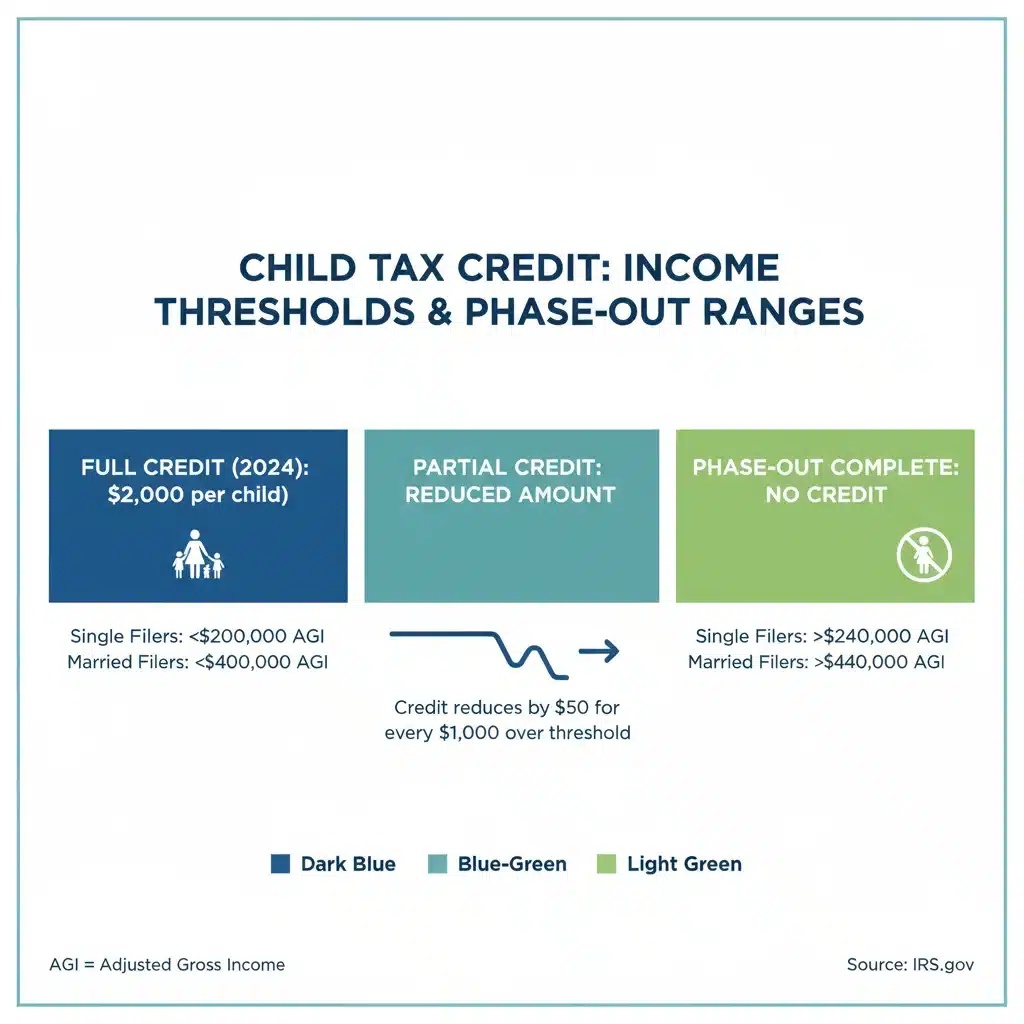
- Income Thresholds and Phase-Outs: The credit begins to phase out for single filers with a Modified Adjusted Gross Income (MAGI) above $200,000 and for married couples filing jointly with a MAGI above $400,000. For every $1,000 over these thresholds, the credit is reduced by $50.
- Earned Income Requirement: To qualify for the refundable portion (ACTC), taxpayers must have earned income above a certain threshold, which was $2,500 for 2023 and is $2,500 for 2024. This requirement often excludes the lowest-income families from receiving the full benefit of the credit.
These baseline rules are critical because any proposed changes for 2026 will likely build upon or deviate from this structure. For instance, discussions around the Child Tax Credit 2026 often center on increasing the maximum credit, expanding eligibility to younger or older children, or, most significantly, making the credit fully refundable to ensure that even the poorest families receive the full benefit, regardless of their tax liability or earned income. The current structure means that many families with very low or no federal income tax liability do not receive the full $2,000 per child, which is a major point of contention for advocates of expansion. Understanding these limitations of the current system helps to frame the arguments for potential reforms and improvements in the upcoming years. The differences between the temporary 2021 expansion and the current baseline are stark, highlighting the potential impact that legislative decisions can have on millions of American families. It is this disparity that fuels the ongoing debate and advocacy for a more inclusive and generous Child Tax Credit 2026.
Potential Scenarios for the Child Tax Credit 2026
As 2026 approaches, several scenarios could unfold regarding the Child Tax Credit 2026. These scenarios largely depend on the political climate, economic conditions, and the priorities of the legislative bodies. Here are some of the most discussed possibilities:
Scenario 1: Continuation of the Current Baseline
The simplest scenario is that no new legislation is passed, and the Child Tax Credit 2026 continues under the same rules as the 2023 and 2024 tax years. This would mean a maximum non-refundable credit of $2,000 per child under 17, with a partially refundable component (ACTC) of up to $1,800 (indexed for inflation) for those with sufficient earned income. While predictable, this scenario would likely disappoint advocates for a more robust credit, as it would continue to exclude the lowest-income families from receiving the full benefit and would not address the rising costs of raising children. For many families, this would mean a continuation of the status quo, offering some relief but not the transformative impact of the 2021 expansion. Financial planning under this scenario would involve accounting for the existing income thresholds and the partial refundability, which often requires careful calculation to determine the exact benefit. The earned income requirement, in particular, remains a significant barrier for families experiencing unemployment or underemployment, further exacerbating financial strain. This scenario implies that the political will for significant reform has not materialized, leaving the credit’s effectiveness constrained by its current design. Therefore, families would need to plan their finances with a clear understanding of these limitations, potentially seeking other forms of assistance or adjusting their budgets accordingly to manage the costs of childcare and other essential expenses.
Advertisement
Scenario 2: A Return to Expanded Benefits (Similar to 2021)
There is significant political pressure and public demand to reinstate some or all of the expanded provisions from the American Rescue Plan Act of 2021. If this scenario comes to pass, the Child Tax Credit 2026 could look very different:
- Increased Maximum Credit: The credit could increase to $3,600 for children under six and $3,000 for children aged six to 17.
- Full Refundability: This is a key aspect of expansion. Making the credit fully refundable would mean that even families with no tax liability could receive the full amount, significantly impacting child poverty rates.
- No Earned Income Requirement: The elimination of the earned income threshold would ensure that the poorest families, who often need the credit most, are not excluded.
- Advance Payments: While not guaranteed, a return to monthly advance payments could also be considered, providing families with regular financial support throughout the year rather than a lump sum at tax time.
This scenario represents the most significant potential positive change for families. It would provide substantial financial relief, particularly for those struggling with the rising costs of living and childcare. However, passing such legislation would require bipartisan agreement, which has proven challenging in recent years. The economic arguments for and against such an expansion are complex, involving considerations of national debt, inflation, and the long-term benefits of investing in children. Advocates highlight the proven positive impact on child poverty and economic stability, while opponents often raise concerns about the cost and potential disincentives to work. The debate around full refundability and advance payments is particularly intense, as these provisions represent the most radical departures from the traditional structure of the credit. A fully refundable Child Tax Credit 2026 would be a game-changer for millions, directly addressing the financial precarity faced by many low-income households. Moreover, the reintroduction of advance payments would offer consistent, predictable support, helping families manage monthly expenses more effectively rather than relying on a single annual payout. The success of this scenario hinges on a political consensus that prioritizes broad-based family support over fiscal austerity, a balance that remains difficult to strike in a divided Congress. The push for this expansion continues to gain momentum from various advocacy groups and think tanks, emphasizing the long-term societal benefits of investing in children’s well-being and economic security.
Scenario 3: Moderate Reforms and Adjustments
A middle-ground approach is also possible, where Congress implements some reforms but stops short of a full return to the 2021 expansion. This could involve:
- Increased Refundability: Raising the refundable portion of the credit above the current $1,800 cap, without necessarily making it fully refundable.
- Adjusted Income Thresholds: Modifying the income phase-out thresholds to make the credit accessible to a broader range of middle-income families or to better target specific income brackets.
- Inflation Adjustments: Ensuring that the credit amount and income thresholds are consistently indexed for inflation, preventing the credit’s value from eroding over time.
- Targeted Expansions: Focusing on specific aspects, such as increasing the credit for younger children or for families with very low incomes, without a universal increase across the board.
This scenario represents a more pragmatic approach, potentially garnering broader bipartisan support. While it might not deliver the same level of relief as a full expansion, it would still represent an improvement over the current baseline. Any moderate reform to the Child Tax Credit 2026 would aim to balance fiscal responsibility with the need for family support, potentially leading to incremental but meaningful enhancements. For families, these adjustments could mean slightly higher payouts or improved access, making financial planning a bit more favorable than under the current rules. The challenge in this scenario lies in finding common ground that satisfies both sides of the political spectrum, ensuring that any changes are both impactful and sustainable. Discussions could revolve around the specific indexing mechanisms, the extent of refundability increases, or which income groups should receive priority. A key element of such reforms would be to address the ‘cliff effect’ where some families lose significant benefits due to minor income increases, creating disincentives for work or career advancement. By carefully calibrating these adjustments, policymakers could create a more equitable and effective Child Tax Credit 2026 without incurring the full cost of a comprehensive expansion. This approach would likely involve extensive analysis of economic data and social impacts to ensure that the reforms achieve their intended goals without unintended consequences.
Eligibility Requirements for Child Tax Credit 2026 (Anticipated)
Regardless of which scenario unfolds, certain fundamental eligibility requirements for the Child Tax Credit 2026 are likely to remain consistent, while others could see significant changes. Here’s a breakdown of anticipated criteria:
Child Qualifications:
- Age: The child must be under a certain age at the end of the tax year. Currently, this is 17. An expanded credit might raise this to 18 or even 19 for full-time students.
- Relationship: The child must be your son, daughter, stepchild, foster child, brother, sister, half-brother, half-sister, stepbrother, stepsister, or a descendant of any of them (e.g., a grandchild, niece, or nephew).
- Residency: The child must have lived with you for more than half of the tax year.
- Support: The child must not have provided more than half of their own support for the year.
- Citizenship: The child must be a U.S. citizen, U.S. national, or U.S. resident alien.
Taxpayer Qualifications:
- Relationship to Child: You must be the parent or legal guardian of the qualifying child.
- Income: Your Modified Adjusted Gross Income (MAGI) must fall within certain thresholds. These are the most likely to change. Under current law, the phase-out begins at $200,000 for single filers and $400,000 for married couples filing jointly. Any expansion would likely maintain or increase these thresholds, while a more targeted approach might adjust them.
- Tax ID Number: Both the taxpayer and the qualifying child must have a valid Social Security Number (SSN) or an Individual Taxpayer Identification Number (ITIN) for the taxpayer, and an SSN for the child to claim the credit. For the refundable portion (ACTC), the child generally must have an SSN.
It’s crucial for families to keep meticulous records of these criteria, especially regarding residency and support, as these are often points of contention during tax filing. Any changes to the Child Tax Credit 2026 eligibility would be widely publicized by the IRS and tax preparation services, so staying informed through official channels will be vital. For instance, if the age limit is expanded, more families with older dependents could suddenly qualify, significantly altering their financial outlook. Conversely, stricter income phase-outs could reduce benefits for some middle-income households. The presence of a valid SSN for children has been a consistent requirement for the credit, particularly for the refundable portion, and this is unlikely to change. However, debates often arise regarding the use of ITINs for children, which could potentially expand access to immigrant families. The exact nuances of these eligibility requirements will ultimately be determined by future legislation, but understanding the existing framework provides a solid foundation for anticipating the specifics of the Child Tax Credit 2026. Families should proactively review their circumstances against these criteria to assess their potential eligibility, ensuring they are prepared for any changes that may come. This proactive approach can help prevent surprises during tax season and ensure that families claim all the benefits they are entitled to under the law.
Anticipated Payouts and Financial Impact for Families
The amount of the Child Tax Credit 2026 payout will directly depend on the legislative scenario that unfolds. Let’s break down the potential financial impact:
Under the Current Baseline (Scenario 1):
- Maximum Payout: $2,000 per qualifying child.
- Refundable Portion: Up to $1,800 (indexed for inflation) for those with sufficient earned income.
- Impact: Families with higher tax liabilities will see their tax bill reduced by up to $2,000 per child. Lower-income families with little or no tax liability, but who meet the earned income threshold, could receive up to $1,800 per child as a refund. The lowest-income families without sufficient earned income would receive little to no benefit, continuing the current disparity.
Under Expanded Benefits (Scenario 2):
- Maximum Payout: $3,600 for children under six, $3,000 for children aged six to 17.
- Refundable Portion: Fully refundable, meaning all eligible families would receive the full credit regardless of their tax liability or earned income.
- Impact: This would represent a significant financial boost for most families, particularly those with lower incomes. A family with two young children could see up to $7,200 in annual support, while a family with two older children could receive $6,000. This influx of funds could help cover childcare costs, food, housing, and other essential expenses, potentially lifting millions of children out of poverty. If advance payments are reinstated, families would benefit from consistent monthly cash flow, aiding in budgeting and reducing financial stress throughout the year.
Under Moderate Reforms (Scenario 3):
- Maximum Payout: Likely between $2,000 and $3,000 per child, depending on the specifics of the reform.
- Refundable Portion: Increased beyond $1,800 but possibly not fully refundable.
- Impact: This scenario would offer improved financial support compared to the current baseline but would not reach the levels of the 2021 expansion. For example, if the refundable portion increases to $2,500 per child, more low-income families would receive a larger refund. If income thresholds are adjusted, some middle-income families might qualify for a larger credit or avoid phase-outs. The overall impact would be a modest but welcome improvement for many families, helping to ease some financial burdens without a complete overhaul of the system.
The financial implications of the Child Tax Credit 2026 are profound. For many families, this credit represents a critical component of their annual budget, directly influencing their ability to cover basic needs, invest in their children’s education, or save for the future. The difference between a $2,000 non-refundable credit and a $3,600 fully refundable credit can be the margin between financial stability and hardship. Therefore, understanding these potential payouts is not just an academic exercise but a practical necessity for millions of households across the nation. Families should consider how each scenario might affect their personal finances and begin to plan accordingly, keeping an eye on legislative developments that could shape the final outcome. The potential for monthly payments under an expanded credit, for instance, could significantly alter how families manage their cash flow, providing a steady stream of support rather than a single annual lump sum. This would allow for better planning of recurring expenses like childcare, utilities, and groceries, leading to greater financial stability. Conversely, if the credit remains largely unchanged, families will need to continue budgeting carefully, perhaps exploring other government assistance programs or tax deductions to maximize their financial relief. The Child Tax Credit 2026 is more than just a tax break; it is a direct investment in the future of American families and children, with its structure having far-reaching consequences for economic equity and well-being.
The Broader Economic and Social Impact of the Child Tax Credit
Beyond individual family budgets, the structure of the Child Tax Credit 2026 has significant broader economic and social implications. A more generous and accessible CTC can:
- Reduce Child Poverty: The 2021 expansion demonstrated a dramatic reduction in child poverty rates, proving the credit’s effectiveness as a poverty alleviation tool. A similar expansion in 2026 could have a profound impact on child well-being.
- Stimulate Local Economies: When families receive additional funds, they often spend it on essential goods and services, injecting money directly into local economies. This increased consumer spending can support small businesses and create jobs.
- Improve Child Development Outcomes: Research suggests that increased family income, particularly for low-income households, leads to better health, educational attainment, and long-term economic outcomes for children. A robust CTC is an investment in human capital.
- Support Parental Workforce Participation: While some argue that cash benefits might disincentivize work, evidence from the 2021 expansion showed minimal impact on parental employment. In many cases, the credit can help parents afford childcare, enabling them to work or seek better employment opportunities.
- Address Income Inequality: By providing targeted support to families, especially those at the lower end of the income spectrum, the CTC can help narrow the gap between the rich and the poor, fostering greater economic equity.

The debate surrounding the Child Tax Credit 2026 is not just about tax policy; it’s about the kind of society we want to build and the support we provide to our youngest citizens. The long-term benefits of investing in children through programs like the CTC far outweigh the short-term costs, leading to a healthier, better-educated, and more productive future workforce. Therefore, any legislative decisions made concerning the Child Tax Credit 2026 will have ripple effects across the entire nation, influencing everything from local school funding to national economic indicators. Policymakers must weigh these profound benefits against budgetary constraints and political considerations, striving for a solution that maximizes positive social and economic returns. The evidence from previous expansions clearly indicates that a well-designed CTC is a powerful tool for societal improvement, offering a pathway to upward mobility for countless families. Furthermore, the credit can act as a buffer against economic shocks, providing a safety net during times of uncertainty and helping families maintain stability. The collective impact of a strong Child Tax Credit 2026 would be a more resilient, equitable, and prosperous nation for all its citizens, underscoring the importance of informed public discourse and legislative action on this critical issue.
How to Prepare for the Child Tax Credit 2026
As the specifics of the Child Tax Credit 2026 are still being debated and finalized, families can take several proactive steps to prepare and ensure they are ready to claim any benefits they are entitled to:
- Stay Informed: Regularly check official sources like the IRS website, reputable financial news outlets, and congressional updates for any legislative changes regarding the CTC. Subscribing to newsletters from tax advocacy groups can also provide timely information.
- Keep Accurate Records: Maintain meticulous records of your children’s personal information (SSNs, birth certificates), residency, and any significant changes in your family structure (births, adoptions, changes in custody). Accurate records are essential for smooth tax filing.
- Monitor Your Income: Be aware of your Modified Adjusted Gross Income (MAGI), as this will be a key factor in determining your eligibility and the amount of credit you receive, regardless of the final rules for 2026. Understanding your income bracket will help you anticipate potential phase-outs.
- Consult a Tax Professional: If you have complex financial situations, significant life changes, or are unsure about your eligibility, consult a qualified tax professional. They can provide personalized advice and help you navigate the nuances of the Child Tax Credit 2026.
- Adjust Your Budgeting: While it’s tempting to factor in potential expanded benefits, it’s wise to budget based on the current baseline (Scenario 1) until new legislation is firmly in place. Any additional funds from an expanded credit can then be considered a bonus.
- Understand the Differences Between CTC and ACTC: Familiarize yourself with the distinction between the non-refundable Child Tax Credit and the refundable Additional Child Tax Credit. This will help you understand how much of the credit you might receive as a refund, especially if your tax liability is low.
- Plan for Potential Advance Payments: If advance payments are reinstated, consider how these regular disbursements might impact your monthly budget and cash flow. Decide whether you prefer receiving the payments throughout the year or as a lump sum at tax time (if an option is provided).
Being prepared means having all your ducks in a row so that when the final rules for the Child Tax Credit 2026 are announced, you can act swiftly and confidently. This proactive approach will not only reduce stress during tax season but also ensure that your family receives every dollar of support it is eligible for. The future of the CTC remains a dynamic topic, but with careful planning and continuous monitoring of developments, families can position themselves to make the most of this crucial financial benefit. The importance of accurate documentation cannot be overstated; errors or omissions can lead to delays or even denial of benefits. Furthermore, staying informed about broader economic trends and their potential influence on legislative decisions will provide a more complete picture of what to expect from the Child Tax Credit 2026. Engaging with community resources, financial literacy programs, and trusted advisors can also provide valuable support and guidance, ensuring that families are well-equipped to navigate the complexities of tax season and maximize their financial well-being. Ultimately, preparedness is key to unlocking the full potential of the Child Tax Credit for your family.
Conclusion: The Future of the Child Tax Credit 2026
The Child Tax Credit 2026 stands at a pivotal juncture, with its ultimate form dependent on ongoing legislative debates, economic conditions, and political will. While the current baseline offers some relief, the potential for expanded benefits, similar to those seen in 2021, holds the promise of significantly reducing child poverty and providing substantial financial support to millions of American families. Alternatively, moderate reforms could offer a middle ground, enhancing the credit without a full overhaul. Regardless of the outcome, the CTC remains a critical component of family financial planning and a powerful tool for social and economic improvement. Families are encouraged to stay informed, maintain meticulous records, and seek professional advice to navigate the evolving landscape of tax credits. By understanding the potential scenarios, eligibility requirements, and anticipated payouts, households can better prepare for 2026 and ensure they maximize the benefits available to them. The decisions made regarding the Child Tax Credit 2026 will have lasting impacts on the well-being of children and the economic stability of families across the nation, underscoring the importance of this ongoing discussion.