FTC Reveals 7 New Scams Targeting Americans in 2026: Protect Yourself Now
In an increasingly interconnected world, the landscape of fraud is constantly evolving. As we approach 2026, the Federal Trade Commission (FTC) has issued a crucial alert, revealing 7 new scams 2026 that are specifically targeting Americans. These sophisticated schemes are designed to exploit trust, leverage advanced technology, and prey on unsuspecting individuals. Understanding these emerging threats is not just advisable; it’s absolutely essential for safeguarding your financial well-being and personal information. This comprehensive guide will delve into each of the new scams 2026, providing detailed insights into how they operate, who they target, and most importantly, how you can protect yourself and your loved ones.
The FTC’s warnings are often based on analysis of reported incidents, emerging technological trends, and predictive modeling of criminal behavior. The scams highlighted for 2026 demonstrate a worrying shift towards more personalized, data-driven attacks that are harder to detect using traditional methods. From AI-powered voice impersonation to sophisticated deepfake video calls, the lines between what’s real and what’s fake are becoming increasingly blurred. This article aims to arm you with the knowledge and strategies needed to navigate this complex environment and avoid becoming a victim of these insidious new scams 2026.
The Evolving Threat Landscape: Why Scams Are Getting Smarter
Before we dive into the specifics of the 7 new scams 2026, it’s important to understand the underlying factors contributing to their sophistication. The rapid advancements in artificial intelligence (AI), machine learning (ML), and data analytics have provided fraudsters with unprecedented tools. They can now craft highly convincing phishing emails, generate realistic fake identities, and even mimic voices with alarming accuracy. Furthermore, the sheer volume of personal data available online, often through data breaches or social media, allows scammers to tailor their attacks, making them far more effective and harder to distinguish from legitimate communications.
Advertisement
The global nature of cybercrime also means that these operations are often run by organized groups, making them well-resourced and highly adaptable. They constantly monitor news cycles, technological developments, and social trends to identify new vulnerabilities and opportunities. This proactive approach by criminals necessitates an equally proactive defense strategy from the public and regulatory bodies like the FTC. Our goal here is to empower you with that proactive defense, turning you into an informed and vigilant consumer.
Understanding the FTC’s Role in Consumer Protection
The Federal Trade Commission (FTC) is an independent agency of the United States government, established in 1914 by the Federal Trade Commission Act. Its primary mission is to protect consumers and promote competition. In the context of scams and fraud, the FTC plays a critical role. It collects consumer complaints, conducts investigations, and brings law enforcement actions against companies and individuals that engage in deceptive, unfair, or anticompetitive practices. The FTC also provides a wealth of educational resources to help consumers recognize and avoid scams, which is precisely why their annual or biannual warnings about emerging threats, such as the new scams 2026, are so vital.
By reporting scams to the FTC, you contribute to a national database that helps the agency identify trends, track perpetrators, and issue timely alerts. This collective effort is crucial in the fight against fraud. The information shared in this article is directly informed by the types of threats the FTC is actively monitoring and warning against, ensuring you receive the most relevant and up-to-date advice for protecting yourself against the new scams 2026.
Advertisement
The 7 New Scams Targeting Americans in 2026 Revealed by FTC
1. AI-Powered Voice Impersonation Scams
One of the most alarming new scams 2026 involves the use of AI to clone voices. Scammers can now use short audio clips (often scraped from social media videos or voicemails) to generate highly realistic voice imitations of loved ones, colleagues, or even authority figures. They then use these cloned voices to make urgent requests for money, personal information, or access to accounts, often citing emergencies like an arrest, a medical crisis, or a travel mishap. The emotional manipulation is potent because the voice sounds identical to someone you know and trust.
How it works: You receive a call, seemingly from a family member in distress. Their voice sounds identical, pleading for immediate financial assistance or asking you to verify sensitive information. The urgency prevents you from thinking clearly, and you comply, only to realize later it was a sophisticated deception. These scams leverage readily available AI tools, making them accessible to a wider range of fraudsters. The emotional toll of these scams can be devastating, not just financially, but also psychologically, as victims grapple with the betrayal of trust.
Protection Strategy: Always verify urgent requests, especially those involving money or personal data, by calling back the person at a known, trusted number. Establish a family ‘safe word’ or question that only you and your close contacts would know. If someone calls claiming to be a family member in distress, ask them the safe word. If they can’t provide it, it’s a scam. Additionally, be cautious about the amount of voice data you share publicly online.
2. Deepfake Video Call Scams for Identity Theft
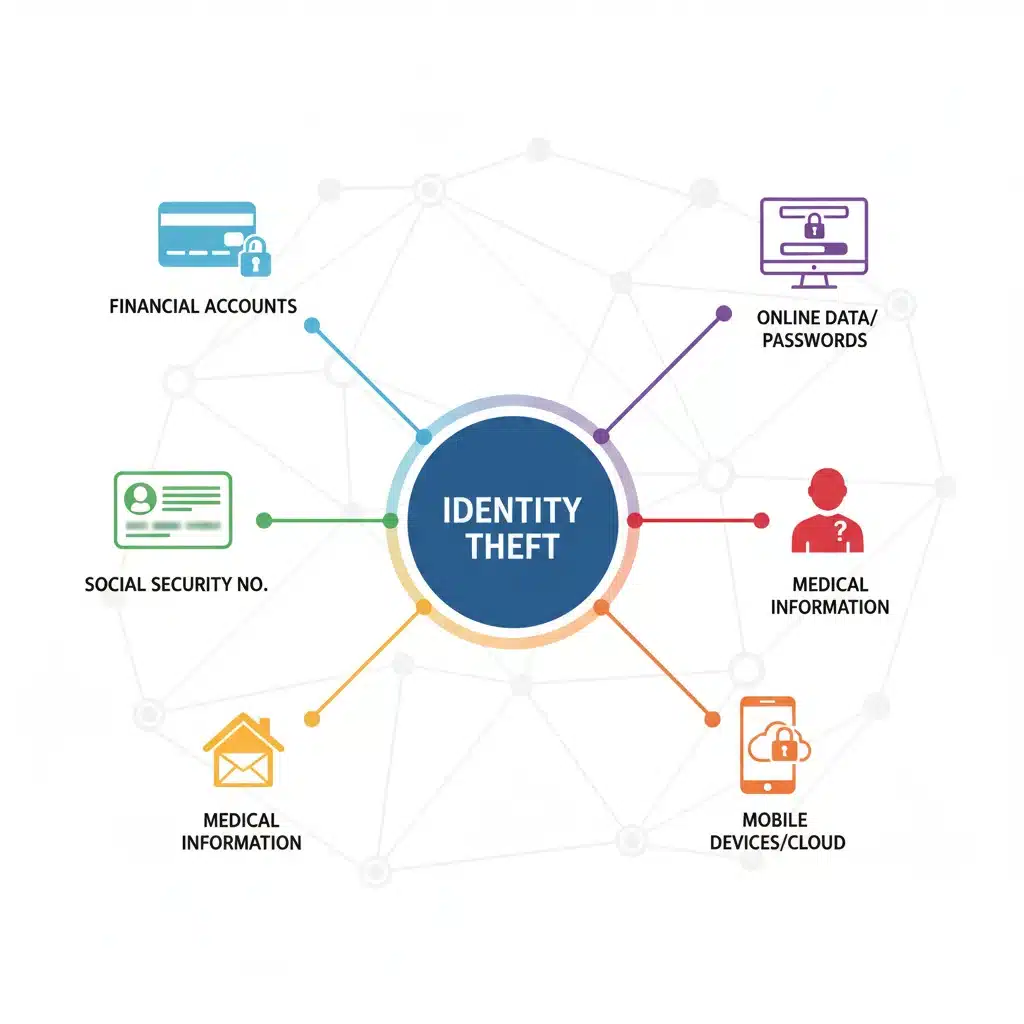
Building on voice impersonation, deepfake technology is evolving into one of the most dangerous new scams 2026. Scammers are now capable of generating convincing deepfake videos of individuals, often used in job interviews, business meetings, or even romantic relationships, to gain trust and extract sensitive information. These deepfakes can be used to apply for loans, open accounts, or commit other forms of identity theft.
How it works: A scammer might pose as a recruiter for a prestigious job, conducting ‘video interviews’ using a deepfake of a legitimate company executive. During the process, they might ask for bank details for ‘direct deposit setup,’ or social security numbers for ‘background checks.’ Alternatively, in romance scams, a deepfake could be used to build a seemingly genuine relationship before requesting money for a fabricated emergency. The visual component adds a layer of credibility that makes these scams incredibly difficult to discern.
Protection Strategy: Be extremely wary of video calls from unknown individuals, especially if the video quality is poor, or if the person’s movements or expressions seem unnatural. If you’re involved in a high-stakes interaction (like a job interview or significant business deal) that involves video calls with someone you don’t know, try to verify their identity through multiple channels. Ask for a quick, unique action (e.g., ‘Can you touch your nose?’) that would be difficult for a deepfake to replicate seamlessly. Use trusted platforms for communication and be skeptical of requests for sensitive information over video calls without prior, robust verification.
3. Crypto Investment ‘Liquidity Pool’ Scams
The allure of cryptocurrency continues to attract both legitimate investors and cunning fraudsters. Among the new scams 2026, ‘liquidity pool’ scams are gaining traction. These schemes promise incredibly high, guaranteed returns by contributing to a supposed cryptocurrency liquidity pool. Victims are often led to believe they are participating in a legitimate decentralized finance (DeFi) project, but in reality, their invested funds are siphoned off by the scammers.
How it works: Scammers create elaborate fake websites and social media profiles, often impersonating legitimate crypto experts or financial advisors. They lure victims with promises of exponential gains from contributing to a ‘private’ or ‘exclusive’ liquidity pool. After the victim transfers their cryptocurrency, the funds are immediately moved to untraceable wallets, and the scammers disappear. These schemes often involve sophisticated technical jargon to confuse victims and create an illusion of legitimacy.
Protection Strategy: Exercise extreme caution with any investment opportunity, especially in the volatile crypto market, that promises guaranteed high returns with little to no risk. Research any DeFi project thoroughly, verifying its legitimacy through multiple independent sources. Never invest based solely on social media recommendations or unsolicited messages. Use reputable and regulated cryptocurrency exchanges. If it sounds too good to be true, it almost certainly is.
4. Subscription Trap Scams (Hidden Recurring Charges)
These new scams 2026 exploit the convenience of online subscriptions. Victims are lured into signing up for a ‘free trial’ or a low-cost service, often for digital content, health products, or online tools. However, hidden in the fine print or obscure terms and conditions are clauses that automatically enroll them into expensive, recurring monthly subscriptions that are difficult to cancel.
How it works: You might see an advertisement for a ‘free’ personality quiz, a trial offer for a streaming service, or a ‘sample’ of a weight-loss supplement. To access it, you’re asked for your credit card details. What you don’t realize is that by agreeing, you’ve also authorized recurring charges for a service you didn’t intend to purchase. Canceling these subscriptions often involves navigating deliberately convoluted processes, or the companies simply ignore cancellation requests.

Protection Strategy: Always read the terms and conditions carefully before providing your credit card information for any ‘free trial’ or low-cost offer. Use virtual credit card numbers or prepaid cards for online trials if possible, as these can limit the amount of money a scammer can access. Regularly review your bank and credit card statements for unauthorized or unexpected recurring charges. If you spot one, contact your bank immediately to dispute the charge and cancel the card.
5. AI-Generated Phishing Attacks (Hyper-Personalized)
While phishing is not new, the new scams 2026 in this category are characterized by their extreme personalization, powered by AI. Scammers use publicly available data (from social media, data breaches, etc.) to craft emails and messages that appear to come from legitimate sources, containing highly specific details about the victim’s life, interests, or professional connections. This personalization makes them incredibly difficult to identify as fraudulent.
How it works: Instead of generic ‘Your Bank Account’ alerts, you might receive an email impersonating a specific colleague, referencing a recent project you worked on, or even mentioning a shared hobby. The email might contain a malicious link or attachment, or it might prompt you to ‘verify’ login credentials on a fake website. The level of detail makes the sender seem credible, overriding your natural skepticism. These sophisticated attacks are often called ‘spear phishing’ due to their targeted nature, and AI is making them even sharper.
Protection Strategy: Even if an email seems incredibly legitimate and personal, always verify the sender’s email address by hovering over it (without clicking). Look for subtle misspellings, unusual domains, or mismatched sender names. Never click on links or open attachments from suspicious emails. If in doubt, contact the supposed sender directly through a known, trusted channel (e.g., call them or use an official company messaging system) to confirm the message’s legitimacy. Enable multi-factor authentication (MFA) on all your accounts, as it adds a crucial layer of security even if your password is compromised.
6. ‘Smart Home’ Device Exploitation Scams
As smart home technology becomes ubiquitous, new vulnerabilities arise. Among the new scams 2026, exploitation of smart home devices represents a novel attack vector. Scammers don’t necessarily hack your devices directly, but they leverage knowledge of smart home vulnerabilities or common user behaviors to trick you. This could involve impersonating tech support for your smart device brand or exploiting publicly available information about your smart home setup.
How it works: You might receive an unsolicited call or email claiming to be from the support team of your smart thermostat, security camera, or voice assistant provider. They might inform you of a ‘critical security flaw’ and offer to ‘fix’ it by asking you to download remote access software, or by requesting your login credentials. Once they gain access, they can lock you out of your systems, install malware, or even demand ransom for regaining control of your smart home environment. Another variation involves using publicly available data (e.g., from social media posts showing your smart home setup) to tailor highly convincing social engineering attacks.
Protection Strategy: Be skeptical of unsolicited contact from ‘tech support’ for your smart devices. Never grant remote access to your computer or provide login credentials to anyone who contacts you unexpectedly. If you suspect an issue, contact the official support line for your device brand directly through their verified website or product manual. Ensure all your smart home devices have strong, unique passwords and that their firmware is regularly updated to patch security vulnerabilities. Review privacy settings on all smart devices and be mindful of what information they collect and share.
7. QR Code Phishing (Quishing) and Malicious QR Codes
QR codes offer convenience, but they are also becoming a new frontier for fraud, making ‘quishing’ a prominent entry among the new scams 2026. Scammers are creating malicious QR codes that, when scanned, direct users to phishing websites, download malware, or initiate unauthorized transactions. These codes are often placed in public spaces, on fake invoices, or within legitimate-looking documents.
How it works: You might encounter a QR code on a parking meter, a restaurant menu, a public advertisement, or even an email that looks like it’s from your bank. Scanning it with your smartphone camera could lead you to a fake login page that steals your credentials, a malicious download that infects your device, or a payment portal that drains your account. The speed and ease of scanning make people less vigilant than they might be with a traditional URL.
Protection Strategy: Be extremely cautious about scanning QR codes from unknown or untrusted sources. Before scanning, try to visually inspect the QR code for any signs of tampering (e.g., a sticker placed over an original code). If scanning a QR code for a payment or login, always double-check the URL it directs you to before entering any information. Ensure it’s the legitimate website you intended to visit. Consider using a dedicated QR code scanner app that offers security features, such as previewing the URL before opening it in a browser.
General Best Practices to Protect Against All New Scams 2026
While each scam has specific prevention tactics, several overarching principles apply to protecting yourself from the evolving threat landscape:
- Be Skeptical: If an offer seems too good to be true, or if a request creates a sense of urgency or fear, it’s likely a scam. Pause and think critically before acting.
- Verify Independently: Never trust unsolicited communications. If you receive a call, email, or message from someone claiming to be from a bank, government agency, or a loved one, verify their identity using a known, trusted contact method (e.g., calling them back on an official number, not one provided in the suspicious communication).
- Protect Personal Information: Be judicious about what you share online, especially on social media. The less personal data available, the harder it is for scammers to craft personalized attacks.
- Use Strong, Unique Passwords and MFA: Implement strong, unique passwords for all your online accounts and enable multi-factor authentication (MFA) whenever possible. This adds a critical layer of security.
- Keep Software Updated: Regularly update your operating systems, web browsers, and antivirus software. These updates often include security patches that protect against new vulnerabilities.
- Monitor Your Accounts: Regularly review your bank statements, credit card statements, and credit reports for any suspicious activity. Report any unauthorized transactions immediately.
- Report Scams: If you encounter a scam, report it to the FTC at reportfraud.ftc.gov. Your report helps them track fraudsters and protect others.
- Educate Yourself and Others: Stay informed about the latest scams. Share this information with friends and family, especially those who may be more vulnerable to deception.
The Psychological Impact of Scams and Seeking Support
Beyond the financial losses, falling victim to a scam can have significant psychological consequences. Feelings of shame, embarrassment, anger, and betrayal are common. It’s crucial to remember that scammers are highly skilled manipulators, and anyone can fall prey to their tactics, especially with the sophistication of the new scams 2026. If you or someone you know has been a victim, seeking support is vital.
Don’t hesitate to reach out to mental health professionals or support groups. Organizations like the National Center for Victims of Crime also offer resources. Reporting the scam, even if you feel embarrassed, is a brave and important step, not just for your own healing but for preventing others from suffering the same fate. The FTC and other law enforcement agencies are there to help, not to judge.
Conclusion: Staying Vigilant in 2026 and Beyond
The digital age brings unparalleled convenience, but also new challenges in the form of sophisticated fraud. The 7 new scams 2026 revealed by the FTC highlight the continuous need for vigilance and proactive self-protection. By understanding the mechanisms behind these evolving threats – from AI-powered voice and video impersonation to specialized crypto and QR code scams – and by adopting robust security practices, you can significantly reduce your risk of becoming a victim.
Remember, your best defense is always a combination of awareness, skepticism, and swift action. Stay informed, protect your personal information, and never hesitate to verify unexpected requests. The fight against fraud is ongoing, but armed with knowledge, you can navigate the digital landscape of 2026 and beyond with confidence and security. Let’s work together to make it harder for scammers to succeed, protecting ourselves and our communities from these insidious threats.