Supply Chain Disruptions Q2 2026: US Consumer Impact & Preparedness Guide
Advertisement
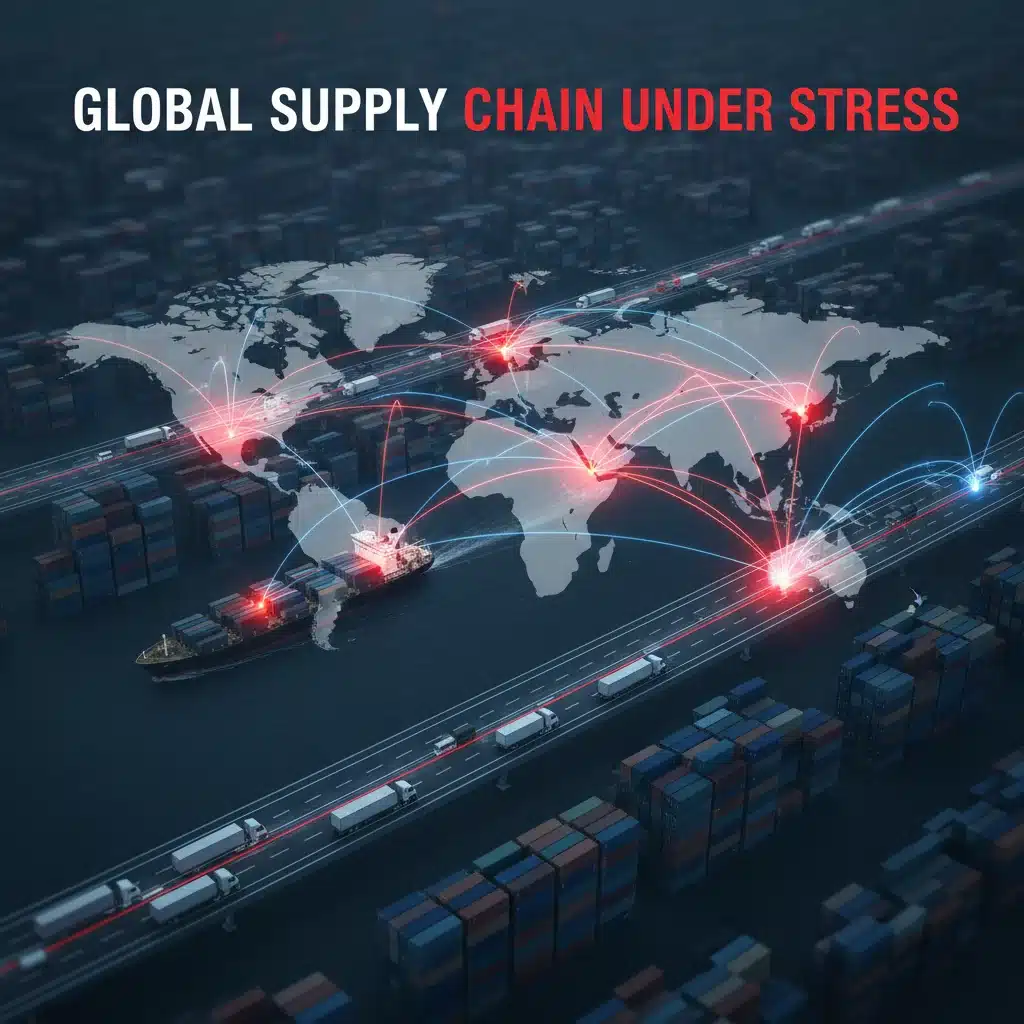
ALERT: Major Supply Chain Disruptions Forecasted for Q2 2026 – What Consumers in the US Need to Know Now
The global economy is an intricate web, and its most vital arteries are the supply chains that deliver everything from the food on our tables to the microchips in our devices. For consumers in the United States, the stability of these global networks is paramount. Recent analyses and expert forecasts are pointing towards significant supply chain disruptions looming on the horizon for Q2 2026. This isn’t just another hiccup; it’s a potential seismic shift that could impact daily life, product availability, and prices across various sectors. Understanding these impending challenges and taking proactive steps now could be the key to navigating what could be a turbulent period.
The lessons learned from the recent pandemic-induced disruptions are still fresh in our minds: empty shelves, delayed shipments, and soaring prices became an unwelcome norm. While the causes of the forecasted Q2 2026 disruptions may differ, the potential outcomes for consumers could be strikingly similar, if not more severe, given the cumulative strain on global logistics. This comprehensive guide aims to arm you with the knowledge and strategies necessary to prepare for these potential supply chain disruptions, ensuring you and your family are as resilient as possible.
Understanding the Looming Threat: Why Q2 2026?
The forecast for major supply chain disruptions in Q2 2026 is not based on a single isolated factor, but rather a confluence of interconnected global issues. Experts from various economic and logistical think tanks have highlighted several key areas of concern:
Advertisement
Geopolitical Tensions and Trade Wars
Escalating geopolitical tensions in critical regions continue to be a primary driver of instability. Trade disputes, sanctions, and protectionist policies adopted by major economic powers can severely restrict the flow of goods and raw materials. These political maneuvers often lead to:
- Diversion of Trade Routes: Forcing longer, more expensive, and less efficient shipping paths.
- Increased Tariffs and Duties: Directly impacting the final price consumers pay.
- Reduced Availability of Key Components: Especially for industries reliant on highly specialized parts from specific regions.
The ripple effect of such tensions can be felt across continents, disrupting manufacturing schedules and ultimately impacting product availability in the US market. Companies are already grappling with the complexities of diversifying their supply bases, but this process is slow and costly.
Climate Change and Extreme Weather Events
The increasing frequency and intensity of extreme weather events pose an undeniable threat to global supply chain disruptions. From devastating floods that halt production and damage infrastructure to severe droughts impacting agricultural yields and vital waterways, climate change is a constant, unpredictable variable. Key impacts include:
Advertisement
- Agricultural Losses: Leading to food shortages and price hikes for staples like grains, coffee, and certain produce.
- Infrastructure Damage: Ports, roads, and rail lines are vulnerable to extreme weather, causing massive delays in shipping and distribution.
- Disruption of Energy Supplies: Affecting manufacturing capabilities and transportation costs.
These events can strike without warning, creating immediate bottlenecks and exacerbating existing vulnerabilities in the global logistics network.
Labor Shortages and Industrial Actions
Across various sectors, from manufacturing to transportation and logistics, persistent labor shortages continue to plague industries essential to the supply chain. The post-pandemic shift in labor markets, coupled with an aging workforce and insufficient training for new entrants, creates significant vulnerabilities. Potential issues include:
- Port Congestion: Insufficient dockworkers and crane operators leading to backlogs.
- Truck Driver Shortages: Hampering last-mile delivery and inter-state transport.
- Manufacturing Delays: A lack of skilled labor impacting production output.
Furthermore, increased unionization efforts and potential industrial actions (strikes) in key logistical hubs could bring entire segments of the supply chain to a standstill, creating widespread supply chain disruptions that directly affect consumer access to goods.
Cybersecurity Threats and Infrastructure Vulnerabilities
As supply chains become increasingly digitized and interconnected, they also become more susceptible to cyberattacks. Ransomware, data breaches, and attacks on critical infrastructure (like shipping ports or energy grids) can cripple operations and cause extensive delays. A successful cyberattack on a major logistics provider or a key manufacturing facility could:
- Halt Operations: Preventing goods from being processed, shipped, or delivered.
- Corrupt Data: Leading to misrouting of shipments and inventory management nightmares.
- Cause Financial Losses: Driving up costs that are inevitably passed on to consumers.
The sophistication of these threats is constantly evolving, making robust cybersecurity a perpetual challenge for the industry.
Specific Impacts on US Consumers: What to Expect
The forecasted supply chain disruptions for Q2 2026 are expected to manifest in several tangible ways for US consumers. Understanding these potential impacts can help you prioritize your preparedness efforts.
Food and Groceries: Rising Prices and Scarcity
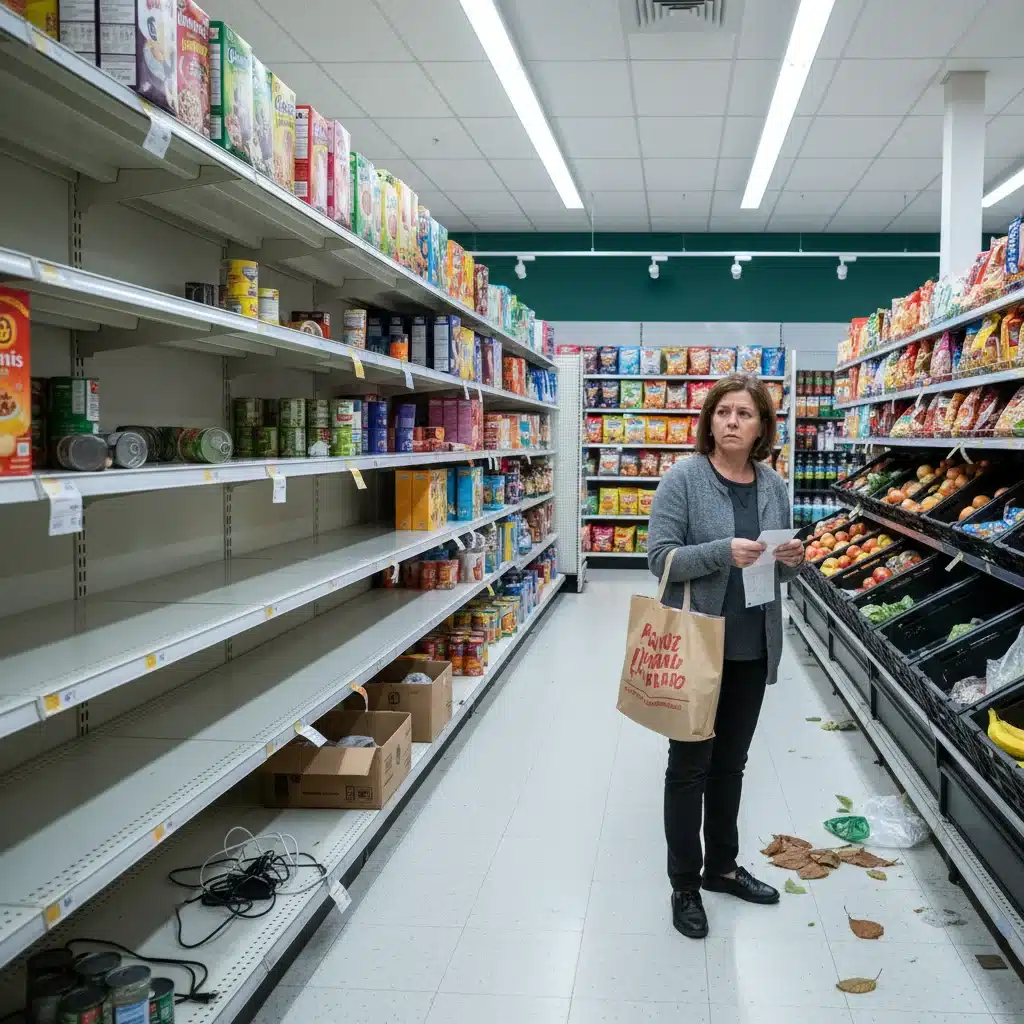
The food sector is particularly vulnerable. Climate change impacts on agriculture, combined with potential transportation bottlenecks and geopolitical trade restrictions, could lead to:
- Increased Prices: Especially for imported goods, fresh produce, and processed foods reliant on specific ingredients.
- Reduced Variety: Fewer options on shelves as retailers struggle to source certain products.
- Localized Shortages: Specific regions might experience temporary unavailability of certain staples.
Consider items like coffee, chocolate, specific spices, certain fruits and vegetables, and even common processed foods that rely on globally sourced components. The effects could be felt not just in supermarkets but also in restaurants and food service industries.
Electronics and Technology: Delays and Higher Costs
The technology sector remains highly dependent on complex global supply chains for components like semiconductors, rare earth minerals, and specialized manufacturing. Q2 2026 could see:
- Significant Delays: For new electronics, smartphones, computers, and even household appliances.
- Elevated Prices: Due to scarcity of components and increased manufacturing/shipping costs.
- Limited Availability: Certain popular models or brands might become harder to find.
This could impact everything from upgrading your phone to replacing a broken refrigerator, potentially forcing consumers to repair older devices or pay a premium for new ones.
Automotive Industry: Parts Shortages and Production Delays
The automotive industry has already experienced severe supply chain disruptions, particularly with semiconductors. Future disruptions could exacerbate these issues, leading to:
- Longer Wait Times for New Vehicles: As production schedules are affected.
- Increased Prices for Cars and Parts: Due to scarcity and higher manufacturing costs.
- Difficulty in Obtaining Repair Parts: Making vehicle maintenance and repairs more challenging and expensive.
This impacts not just new car buyers but also current vehicle owners who might face longer repair times or higher costs for essential components.
Healthcare and Pharmaceuticals: Potential for Drug Shortages
While often overlooked, the healthcare sector is critically reliant on global supply chains for active pharmaceutical ingredients (APIs), medical devices, and personal protective equipment. Forecasted disruptions could lead to:
- Shortages of Specific Medications: Particularly generics or drugs with a single source of APIs.
- Delays in Medical Device Production: Affecting everything from diagnostic equipment to surgical tools.
- Increased Costs for Healthcare Supplies: Potentially impacting insurance premiums or out-of-pocket expenses.
This is a particularly sensitive area, as even minor disruptions can have significant public health consequences.
Home Goods and Construction Materials: Delays and Price Hikes
From furniture to building materials, many home goods and construction supplies are sourced globally. Anticipated supply chain disruptions could mean:
- Extended Delivery Times: For large items like appliances, furniture, and renovation materials.
- Higher Costs: For wood, steel, plastics, and other essential building components.
- Project Delays: Home renovation projects or new construction could face significant setbacks.
This affects homeowners, renters, and anyone planning home improvements or purchasing new household items.
Strategies for US Consumers: How to Prepare Now
While the prospect of widespread supply chain disruptions can be daunting, proactive preparation can significantly mitigate the impact on your household. Here are actionable strategies for US consumers:
1. Build a Resilient Pantry and Emergency Kit
This is perhaps the most immediate and impactful step you can take. Focus on non-perishable food items, water, and essential household supplies. Think about a 30-day supply for your family. Key items include:
- Non-Perishable Foods: Canned goods (vegetables, fruits, meats, beans), dried pasta, rice, oats, protein bars, nuts, dried fruits.
- Water: At least one gallon per person per day for drinking and sanitation. Consider water filters.
- First-Aid Supplies: Comprehensive kit, any prescription medications (with doctor’s approval, aim for a 1-3 month supply if possible), over-the-counter pain relievers, bandages, antiseptics.
- Hygiene Products: Soap, shampoo, toothpaste, toilet paper, feminine hygiene products.
- Basic Household Supplies: Batteries, flashlights, candles, matches/lighters, garbage bags, manual can opener.
Rotate your stock regularly to ensure freshness. Don’t hoard, but gradually build up your reserves.

2. Diversify Your Shopping Habits
Relying on a single source for all your needs can be risky. Explore alternatives:
- Support Local: Prioritize local farmers’ markets, community-supported agriculture (CSAs), and local businesses. This reduces reliance on complex global supply chains.
- Different Retailers: Shop at various grocery stores, discount retailers, and online platforms.
- Consider Bulk Purchases: For non-perishable items, if storage space allows, buy in bulk when prices are good.
3. Review and Secure Essential Medications
If you or a family member rely on prescription medications, talk to your doctor about the possibility of obtaining an extended supply (e.g., a 90-day refill instead of 30). Understand if your medications are produced domestically or internationally and if there are generic alternatives available. Always consult with your healthcare provider before making any changes to your medication regimen.
4. Assess and Prioritize Technology Needs
Before Q2 2026, evaluate your essential electronics. Do you need a new phone, computer, or appliance? If so, consider purchasing it sooner rather than later. For non-essential items, be prepared for potential delays and higher prices. Learn basic troubleshooting and repair for your existing devices to extend their lifespan.
5. Plan for Transportation Resilience
Given potential disruptions in automotive parts and fuel supplies (due to energy supply chain issues), consider:
- Vehicle Maintenance: Ensure your car is in good working order. Stock up on essential fluids, spare tires, and basic repair tools.
- Alternative Transportation: Explore walking, cycling, or public transport options for shorter distances.
- Fuel Storage: For emergencies, a small, safely stored supply of fuel might be considered, but always prioritize safety and local regulations.
6. Cultivate Self-Sufficiency Skills
Empower yourself and your family by learning practical skills:
- Gardening: Even a small herb garden or a few vegetable plants can supplement your food supply.
- Basic Home Repair: Reduce reliance on external services for minor issues.
- Food Preservation: Learn canning, drying, or freezing techniques to extend the shelf life of fresh produce.
7. Stay Informed and Adaptable
Information is power. Keep an eye on reputable news sources regarding global logistics, economic forecasts, and geopolitical developments. Be prepared to adapt your plans as new information emerges. Join local community groups or online forums focused on preparedness to share information and resources.
8. Financial Preparedness
Economic stability is often intertwined with supply chain disruptions. Consider:
- Emergency Fund: Build or bolster your emergency savings to cover at least 3-6 months of living expenses. This provides a buffer against potential job losses, income reductions, or unexpected price spikes.
- Debt Reduction: Reducing high-interest debt can free up financial resources during uncertain times.
- Diversify Investments: Consult with a financial advisor to ensure your investments are resilient to potential economic shifts.
The Long-Term Outlook: Building More Resilient Supply Chains
While consumers focus on immediate preparedness, industries and governments are also working towards building more resilient supply chains in the long term. This involves:
- Reshoring and Nearshoring: Bringing manufacturing closer to home or to geographically stable regions to reduce reliance on distant, vulnerable supply lines.
- Diversification of Suppliers: Companies are actively seeking multiple sources for critical components and raw materials.
- Technological Advancements: Utilizing AI, blockchain, and advanced analytics to predict disruptions, optimize routes, and enhance visibility across the supply chain.
- Strategic Stockpiling: Governments and private entities maintaining reserves of critical goods and raw materials.
- Infrastructure Investment: Upgrading ports, roads, and digital networks to improve efficiency and resilience.
These systemic changes will take time to implement fully, underscoring the importance of individual preparedness in the interim.
Conclusion: Empowering Consumers in the Face of Uncertainty
The forecast for major supply chain disruptions in Q2 2026 serves as a crucial warning. While the exact nature and severity of these disruptions remain to be seen, the underlying vulnerabilities in our global logistics networks are undeniable. For US consumers, this means a potential period of higher prices, reduced availability of certain goods, and increased reliance on personal preparedness.
By understanding the contributing factors and taking proactive steps now – from building a robust emergency pantry and diversifying shopping habits to securing essential medications and cultivating self-sufficiency skills – you can significantly reduce your household’s vulnerability. Staying informed and adaptable will be paramount. Remember, preparedness isn’t about fear; it’s about empowerment, resilience, and ensuring the well-being of your family in an increasingly complex world.
Start your preparations today. A small effort now can make a monumental difference when the forecasted supply chain disruptions begin to unfold.