Digital Fashion 2026: The U.S. Consumer’s Guide to Virtual Apparel
Advertisement
The year is 2026, and the fashion landscape is undergoing a revolutionary transformation. What once seemed like science fiction is now becoming an integral part of our daily lives: digital fashion. For U.S. consumers, this isn’t just a fleeting trend; it’s a burgeoning industry reshaping how we perceive, purchase, and wear clothing. From virtual garments for our avatars to augmented reality try-ons, understanding these digital fashion trends is no longer optional – it’s essential.
This comprehensive guide will delve deep into the world of digital fashion, specifically tailored for the U.S. market in 2026. We’ll explore what digital fashion truly means, its driving forces, the innovative ways consumers are engaging with it, and what the future holds for this exciting frontier. Prepare to have your perceptions of style and ownership challenged as we navigate the intricate, vibrant, and increasingly significant realm of virtual apparel.
What Exactly is Digital Fashion in 2026?
At its core, digital fashion refers to clothing, accessories, and footwear that exist purely in a digital format. Unlike physical garments, these items are designed, created, and worn in virtual spaces. In 2026, this definition has expanded significantly beyond its nascent stages. It now encompasses a broad spectrum of applications, including:
- Virtual Apparel for Avatars: This is perhaps the most common understanding, where users purchase digital outfits for their characters in video games, metaverse platforms, and social media.
- Augmented Reality (AR) Clothing: These are digital garments that can be overlaid onto a user’s real-world image or video feed using AR technology, allowing for virtual try-ons or digital embellishments on photos/videos.
- NFT Fashion: Non-Fungible Tokens (NFTs) have brought a new dimension to digital fashion, providing verifiable ownership and scarcity to virtual items, often allowing them to be traded or used across different digital platforms.
- Digital-Only Collections: Fashion houses and independent designers are now creating entire collections that exist solely in the digital realm, presented through virtual fashion shows and digital lookbooks.
- Phygital Experiences: A blend of physical and digital, where a physical garment might come with a digital twin, or a digital purchase unlocks a real-world experience.
The beauty of digital fashion lies in its boundless creativity. Unhindered by the laws of physics or the limitations of material production, designers can create garments that defy gravity, change color and texture, or even react to environmental stimuli within a virtual world. This freedom is a major draw for both creators and consumers, pushing the boundaries of what is considered ‘fashionable’.
Advertisement
The Driving Forces Behind U.S. Digital Fashion Trends
Several powerful factors are accelerating the adoption and innovation of digital fashion trends in the United States:
The Rise of the Metaverse and Gaming
The metaverse, a persistent, interconnected set of virtual spaces, is arguably the most significant catalyst. Platforms like Roblox, Decentraland, The Sandbox, and Fortnite (with its extensive cosmetic market) have cultivated generations of users accustomed to expressing themselves through digital identities. For many, their digital avatar is as important as their physical self, making virtual apparel a natural extension of personal style. The U.S. has a massive gaming and metaverse-savvy population, providing a fertile ground for these trends to flourish.
Technological Advancements
Improvements in 3D rendering, animation, and augmented reality (AR) technologies have made digital garments more realistic, interactive, and accessible. High-fidelity digital clothing can now mimic the drape, texture, and movement of physical fabrics with remarkable accuracy. AR apps on smartphones and smart glasses (increasingly prevalent in 2026) enable seamless virtual try-ons and digital layering, bridging the gap between the digital and physical worlds.
Advertisement
Sustainability and Environmental Concerns
The fashion industry is notoriously resource-intensive and a significant contributor to pollution. Digital fashion offers a compelling sustainable alternative. It requires no physical materials, water, or transportation, drastically reducing its environmental footprint. As U.S. consumers become more environmentally conscious, the appeal of a ‘zero-waste’ fashion option grows stronger. Many brands are leveraging this aspect, positioning digital collections as a step towards a greener future for fashion.
Self-Expression and Identity in the Digital Age
In an increasingly digital world, online presence and identity are paramount. Social media platforms, streaming services, and online communities are spaces where individuals curate and present their ideal selves. Digital fashion provides new avenues for self-expression, allowing users to experiment with styles that might be too bold, expensive, or impractical in the real world. It’s about building a unique digital persona, often distinct from one’s physical identity, and digital apparel is a key tool in this construction.
The Influence of NFTs and Digital Ownership
NFTs have revolutionized the concept of digital ownership. By assigning unique, verifiable tokens to digital fashion items, NFTs create scarcity and authenticity, allowing consumers to truly ‘own’ their virtual garments. This has sparked a collectible market for digital fashion, where rare pieces can command high prices and become status symbols within virtual communities. For U.S. consumers, the idea of investing in digital assets, including fashion, is becoming more mainstream.
How U.S. Consumers are Engaging with Digital Fashion
The ways U.S. consumers are interacting with digital fashion are diverse and constantly evolving:
Dressing Avatars in the Metaverse
This is perhaps the most straightforward and widely adopted form. Gamers spend billions annually on skins and virtual items for their characters. In metaverse platforms, users purchase clothing from brands like Nike, Gucci, or independent digital designers to adorn their avatars, attending virtual concerts, events, and social gatherings in style. This allows for constant wardrobe changes without the cost or environmental impact of physical clothing.
Virtual Try-Ons and Experiential Shopping
Augmented reality is transforming the shopping experience. Apps allow consumers to virtually try on clothes before making a physical purchase, improving confidence and reducing returns. Beyond practical applications, AR is used for purely digital fashion experiences, where users can wear fantastical garments in photos or videos for social media, blurring the lines between reality and imagination. 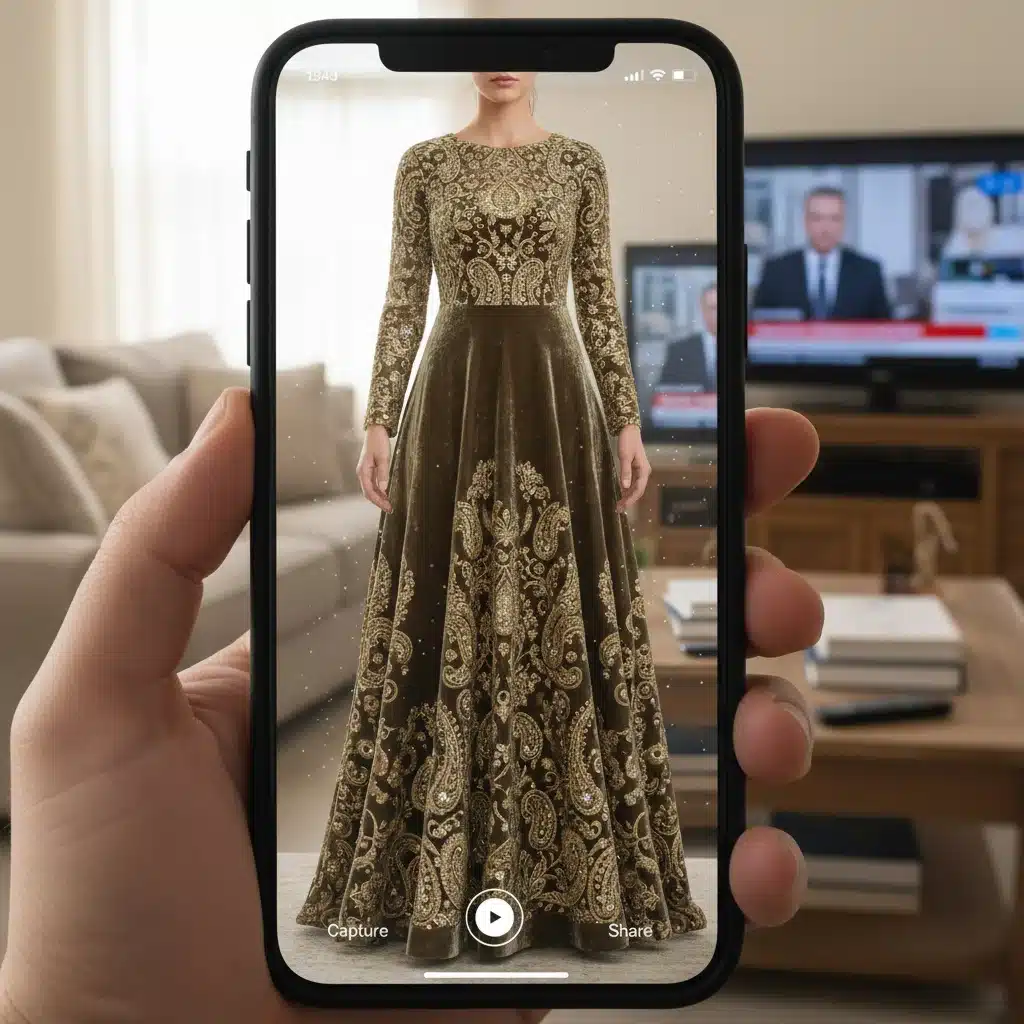
Collecting and Trading NFT Fashion
A growing segment of U.S. consumers is engaging with digital fashion as a form of investment or collectible art. NFT fashion pieces, often limited edition and designed by renowned digital artists or luxury brands, are bought, sold, and traded on various marketplaces. Owning a rare digital sneaker or a unique metaverse outfit can confer status and provide a sense of exclusive membership within certain online communities.
Digital Fashion for Content Creation
Influencers, content creators, and everyday social media users are leveraging digital fashion to create eye-catching and unique content. Instead of buying expensive outfits for a single photoshoot, they can use digital garments to achieve a desired aesthetic, experiment with avant-garde styles, or even create impossible fashion statements that would be unfeasible in the physical world. This democratizes access to high-fashion aesthetics and fuels creative expression.
Participating in Virtual Fashion Shows and Events
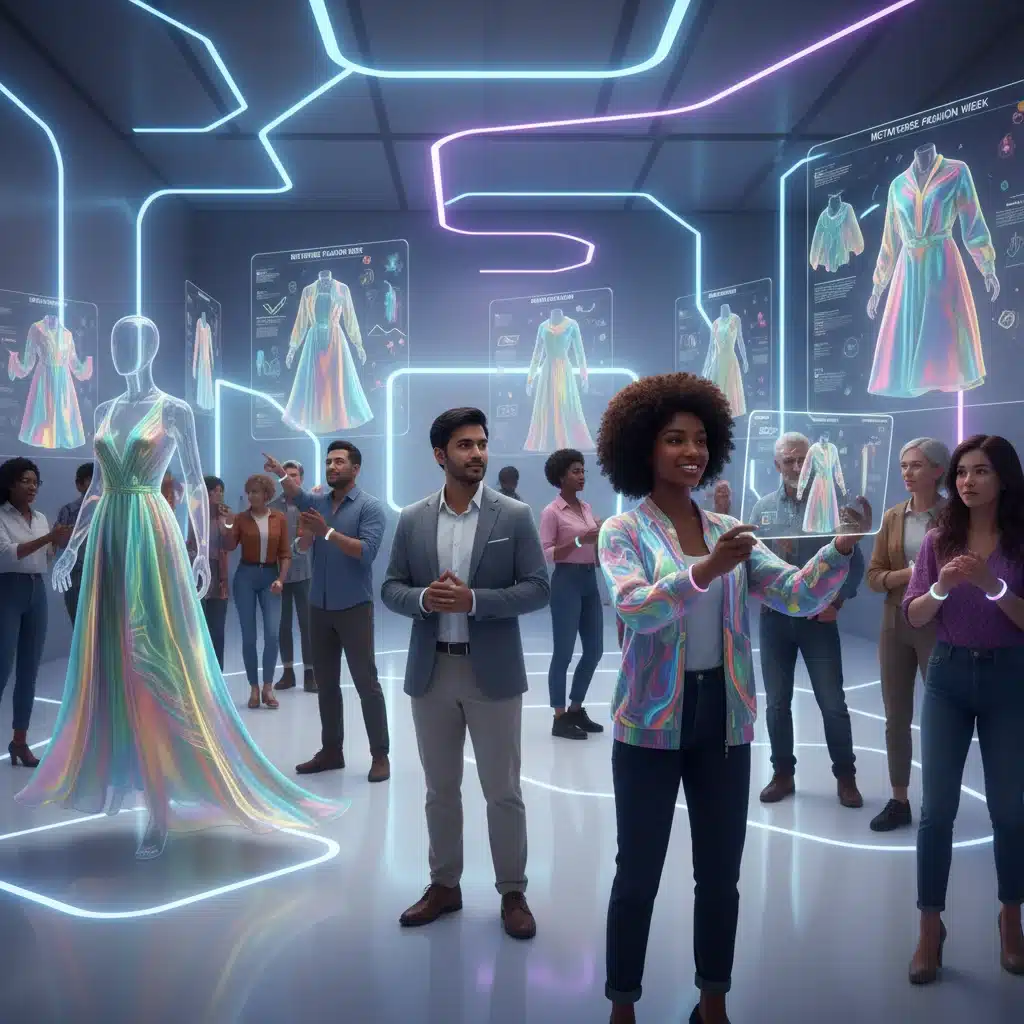
Major fashion weeks and brand launches are increasingly incorporating virtual elements. U.S. consumers can attend immersive digital fashion shows from the comfort of their homes, often interacting with the collections in 3D, purchasing digital versions of garments, or even having their avatars walk the virtual runway. These events offer a more inclusive and accessible way to experience high fashion.
The Economic Impact and Market Growth of Digital Fashion in the U.S.
The economic potential of digital fashion trends in the U.S. is immense. Market projections vary, but all indicate significant growth. The global digital fashion market is expected to reach billions of dollars in the coming years, with the U.S. playing a leading role due to its high internet penetration, strong tech adoption, and cultural emphasis on self-expression.
New Revenue Streams for Brands
For established fashion houses, digital collections offer new revenue streams without the overheads of physical production. They can reach a younger, digitally native audience and experiment with designs that might be too risky for physical production. For digital-native brands and designers, the barrier to entry is lower, fostering a vibrant ecosystem of innovation.
Job Creation and Skill Development
The rise of digital fashion is creating new job roles, from 3D garment designers and texture artists to metaverse stylists and NFT strategists. Educational institutions are beginning to offer specialized courses in digital fashion design, preparing a new generation of talent for this evolving industry. This represents a significant shift in the skills required within the fashion sector.
Investment and Entrepreneurship
Venture capital is flowing into digital fashion startups, recognizing the long-term potential. This includes companies developing new design software, metaverse platforms, AR try-on solutions, and NFT marketplaces. The entrepreneurial spirit in the U.S. is driving much of this innovation and investment, further accelerating the adoption of digital fashion.
Challenges and Considerations for U.S. Consumers
While the future of digital fashion is bright, there are also challenges and considerations for U.S. consumers to be aware of:
Interoperability and Portability
A major hurdle is the lack of interoperability between different metaverse platforms and gaming environments. A digital outfit purchased for an avatar in one game might not be transferable or usable in another. Efforts are underway to create universal standards, but for now, consumers often face fragmented digital wardrobes. 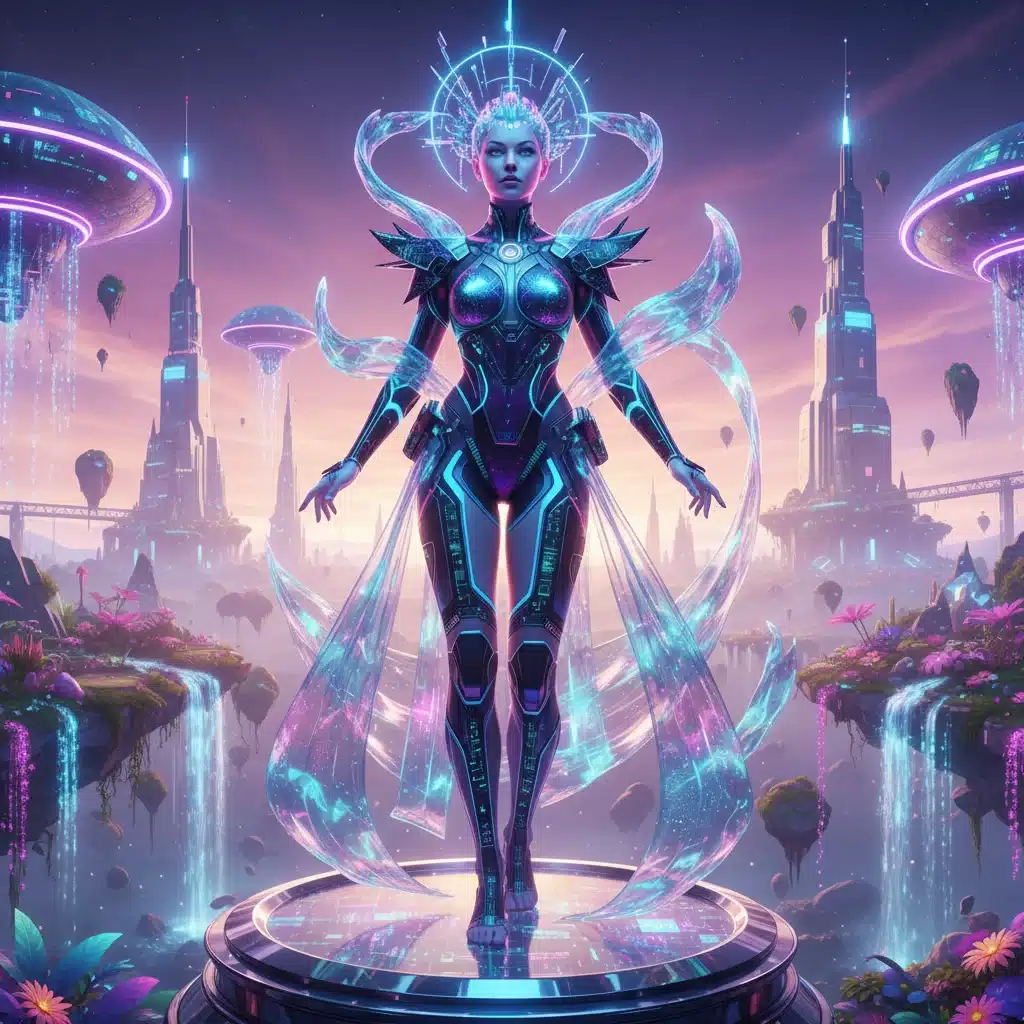
Digital Scarcity vs. Real-World Value
The concept of paying significant amounts for something that doesn’t physically exist can be a psychological barrier for some. While NFTs provide verifiable ownership and scarcity, the perceived ‘value’ of digital items is still a new concept for many, leading to questions about long-term investment and utility.
Security and Authenticity
As with any digital asset, security is paramount. Consumers need to be vigilant about scams, phishing attempts, and fraudulent NFTs. Ensuring the authenticity of digital fashion items and protecting digital wallets are crucial responsibilities for users in this space.
Digital Divide and Accessibility
Access to high-speed internet, powerful computing devices, and knowledge of blockchain technology can create a digital divide. Not all U.S. consumers have equal access to the tools and understanding required to fully participate in advanced digital fashion trends, raising concerns about inclusivity.
Environmental Impact of Blockchain
While digital fashion itself is sustainable, the underlying blockchain technology (especially proof-of-work mechanisms) can be energy-intensive. As the industry evolves, there’s a strong push towards more energy-efficient blockchain solutions to ensure the overall sustainability claim holds true.
The Future of Digital Fashion: What to Expect Beyond 2026
Looking beyond 2026, the evolution of digital fashion trends promises even more exciting developments:
Hyper-Personalization and AI Integration
Artificial intelligence will play an increasing role in creating hyper-personalized digital fashion. AI could design garments tailored to an individual’s unique style preferences, body shape (for AR try-ons), and even mood, offering truly bespoke virtual wardrobes.
Seamless Integration with Daily Life
As AR glasses and other wearable tech become more sophisticated and ubiquitous, digital fashion will blend seamlessly into our daily lives. Imagine walking down the street and seeing others wearing digital overlays on their physical clothes, or instantly changing your outfit for a video call with a simple gesture.
New Forms of Storytelling and Brand Engagement
Digital fashion will become a powerful medium for storytelling, allowing brands to create immersive narratives around their collections. Interactive digital experiences, virtual showrooms that evolve based on user input, and gamified fashion challenges will deepen consumer engagement.
Decentralized Autonomous Organizations (DAOs) in Fashion
We’ll likely see more fashion DAOs emerge, where communities collectively own and govern digital fashion brands, making decisions on design, production (of digital assets), and distribution. This democratizes the fashion industry, giving power to the collective.
Ethical and Inclusive Digital Fashion
As the industry matures, there will be a greater focus on creating ethical and inclusive digital fashion. This includes ensuring fair compensation for digital designers, promoting diverse representations in virtual worlds, and addressing issues of digital ownership and accessibility in a responsible manner.
Embracing the Digital Wardrobe: A New Era of Style
For U.S. consumers, the journey into digital fashion is just beginning. It represents a paradigm shift, moving beyond the physical limitations of clothing to embrace a world of limitless creativity and expression. While challenges remain, the opportunities for innovation, sustainability, and personal style are immense.
Whether you’re a gamer looking to deck out your avatar, a social media enthusiast seeking unique content, or simply curious about the future of style, understanding and engaging with these digital fashion trends will be key to navigating the evolving landscape of 2026 and beyond. The digital wardrobe is no longer a niche concept; it’s a vibrant, dynamic reality that promises to redefine what it means to be fashionable in the 21st century.
So, are you ready to step into your new digital outfit?