Energy Assistance Programs 2026: Your Guide to Saving on Utility Bills This Winter
As winter approaches, the chill in the air often brings with it the looming dread of higher utility bills. For many households, keeping the lights on and the heat running can become a significant financial burden. However, there’s good news on the horizon. Energy Assistance Programs are designed to provide crucial support, helping eligible individuals and families manage their heating and cooling costs. As we look towards 2026, understanding these programs and how to access them is more important than ever. This comprehensive guide will walk you through everything you need to know about securing financial aid to keep your home warm and your budget balanced this winter.
The rising cost of living, coupled with fluctuating energy prices, has made budgeting for utilities a complex challenge. Fortunately, various federal, state, and local initiatives exist to alleviate this stress. These Energy Assistance Programs are not just about providing a temporary fix; they aim to offer sustainable solutions that can significantly reduce your annual energy expenditures. By leveraging these resources, you could potentially save up to 15% or more on your utility bills, freeing up funds for other essential needs.
Understanding the Landscape of Energy Assistance Programs
When we talk about Energy Assistance Programs, we’re referring to a broad spectrum of initiatives. The most well-known federal program is the Low Income Home Energy Assistance Program (LIHEAP). However, beyond LIHEAP, there are numerous state-specific programs, utility company assistance programs, and local non-profit initiatives that play a vital role in supporting households in need. Each program has its own set of eligibility criteria, application procedures, and benefits, making it essential to do your research and identify the best fit for your situation.
The primary goal of these programs is to ensure that no household has to choose between heating their home and other necessities like food or medicine. They address energy poverty by providing direct financial aid, helping with energy efficiency upgrades, and even offering crisis intervention for those facing immediate disconnection. The impact of these Energy Assistance Programs extends beyond financial relief; they contribute to the health, safety, and well-being of communities, particularly during extreme weather conditions.
Advertisement
The Low Income Home Energy Assistance Program (LIHEAP)
LIHEAP is the cornerstone of federal energy assistance. Funded by the U.S. Department of Health and Human Services, LIHEAP provides grants to states and tribal organizations to help low-income households cover their home energy costs. This can include heating, cooling, and even weatherization services. The program operates on a state-by-state basis, meaning that while the federal guidelines provide a framework, each state has the flexibility to set its own specific eligibility requirements and benefit levels.
Typically, eligibility for LIHEAP is based on household income, household size, and the type of heating or cooling fuel used. Most states set their income limits at or below 60% of the state median income or 150% of the federal poverty level, whichever is greater. It’s crucial to check with your state’s LIHEAP office or website for the most accurate and up-to-date information for 2026, as these figures can be adjusted annually. Applying for LIHEAP is often the first step for many seeking Energy Assistance Programs.
State and Local Energy Assistance Initiatives
Beyond LIHEAP, many states and local governments run their own energy assistance programs, often complementing federal aid. These programs might focus on specific demographics, offer different types of aid, or have unique eligibility criteria. For example, some states have programs specifically for seniors, individuals with disabilities, or families with young children. Others might offer rebates for energy-efficient appliance purchases or provide grants for home repairs that improve energy conservation.
Advertisement
It’s worth exploring your state’s Department of Social Services or equivalent agency, as well as your county or city government websites. Many municipalities have dedicated departments that can guide you through available local Energy Assistance Programs. Don’t overlook these resources, as they can often fill gaps left by federal programs or provide additional layers of support.
Utility Company Assistance Programs
Utility companies themselves often offer assistance programs to their customers. These can range from budget billing plans, which spread out energy costs evenly throughout the year, to direct financial aid for customers facing hardship. Many utility providers have their own charitable foundations or partnerships with non-profits to administer these funds. Some common programs include:
- Payment Arrangements: Allowing customers to pay off past-due balances over time.
- Discounted Rates: Offering lower rates for eligible low-income customers.
- Arrearage Management Programs: Helping customers reduce or eliminate old debt.
- Energy Efficiency Audits and Upgrades: Providing free or low-cost home energy audits and assistance with weatherization, insulation, or appliance upgrades.
Contacting your specific utility provider directly is a crucial step in identifying these valuable Energy Assistance Programs.
Eligibility Requirements for 2026: What You Need to Know
While specific criteria vary by program and location, several common factors determine eligibility for Energy Assistance Programs in 2026. Understanding these general requirements can help you prepare your application and increase your chances of approval.
Income Guidelines
Income is almost always the primary factor for eligibility. As mentioned, federal programs like LIHEAP typically use a percentage of the federal poverty level or state median income. For example, a household’s gross monthly income might need to be at or below 150% of the federal poverty guidelines. These guidelines are updated annually, so it’s essential to refer to the most recent figures for 2026. When applying, you’ll likely need to provide proof of income for all household members, such as pay stubs, tax returns, Social Security statements, or unemployment benefits.
Household Size
The number of people living in your household directly impacts the income threshold. Larger households generally have higher income limits to qualify for Energy Assistance Programs. Be prepared to list all members of your household, including their relationship to you and their ages.
Residency Status
Most programs require applicants to be legal residents of the state or locality where they are applying. You may need to provide proof of residency, such as a utility bill in your name, a lease agreement, or a driver’s license.
Energy Burden
Some programs consider your ‘energy burden,’ which is the percentage of your household income spent on energy costs. Households with a disproportionately high energy burden, even if their income is slightly above traditional thresholds, might still qualify for certain Energy Assistance Programs. This factor acknowledges that a fixed income can be stretched thin by high energy costs, especially in older homes or areas with extreme climates.
Vulnerable Populations
Many Energy Assistance Programs prioritize or offer specific benefits to vulnerable populations. This often includes:
- Elderly individuals (typically 60 years or older)
- Individuals with disabilities
- Households with young children (especially those under 5)
- Households with individuals who have chronic health conditions exacerbated by extreme temperatures
If you fall into one of these categories, be sure to highlight it in your application, as it could positively impact your eligibility or the level of aid you receive.
The Application Process: Step-by-Step for 2026
Applying for Energy Assistance Programs can seem daunting, but breaking it down into manageable steps can make the process much smoother. Here’s a general guide to help you prepare for 2026:
Step 1: Gather Necessary Documents
Before you even begin filling out an application, collect all the required documentation. This proactive approach will save you time and reduce stress. Common documents include:
- Proof of income for all household members (pay stubs, W-2s, tax returns, benefit statements)
- Proof of residency (utility bill, lease agreement, driver’s license)
- Social Security numbers for all household members
- Recent utility bills (both heating and electric)
- Identification for the primary applicant
- Proof of disability or age, if applicable
Step 2: Locate Your Local Administering Agency
For LIHEAP, you’ll need to contact your state’s energy assistance office or a local community action agency. These agencies are typically responsible for processing applications and distributing funds. A simple online search for "LIHEAP [Your State] 2026" or "energy assistance [Your City/County] 2026" should point you in the right direction. Many utility companies also have dedicated pages on their websites for their own assistance programs.
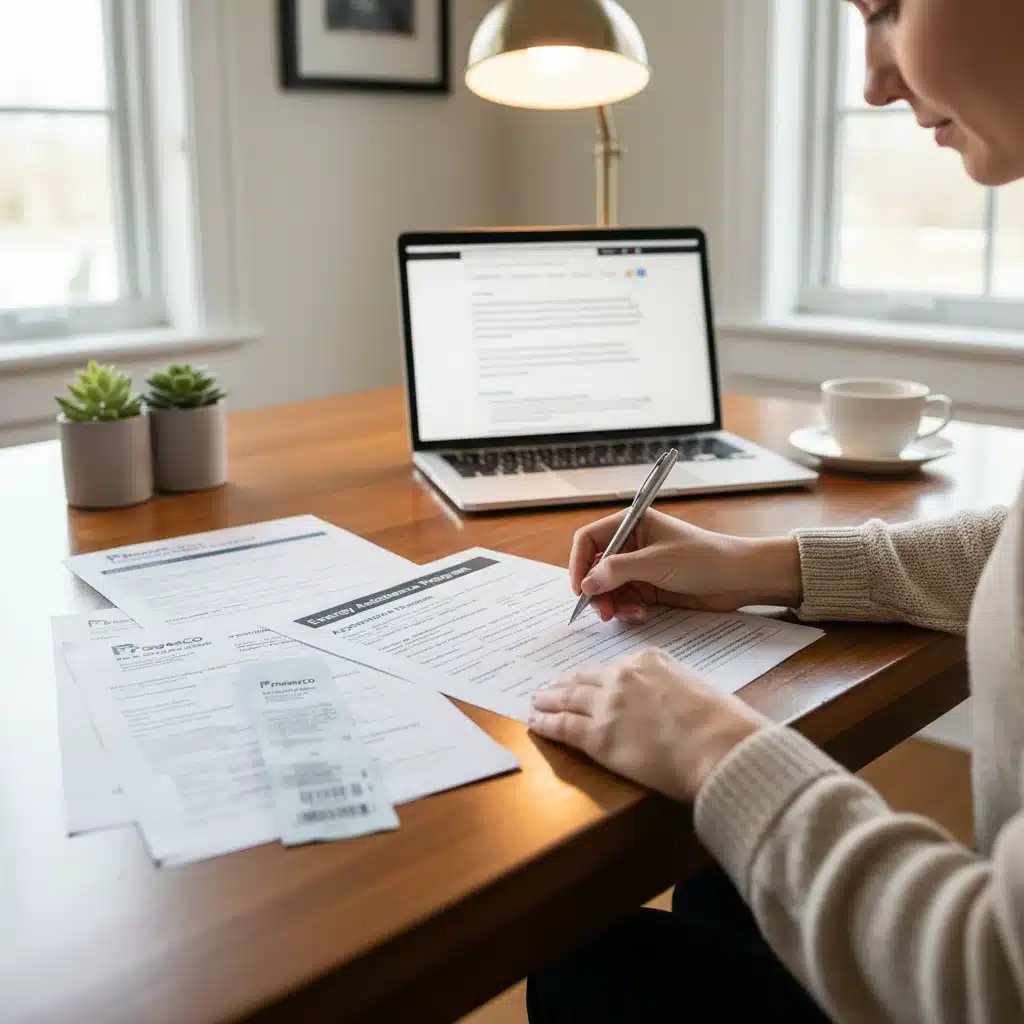
Step 3: Complete the Application Form
Most applications can be completed online, by mail, or in person. Read all instructions carefully and fill out every section accurately. Incomplete applications are a common reason for delays or denials. If you have questions, don’t hesitate to contact the administering agency for clarification. Many agencies offer assistance in filling out forms, especially for individuals who may have language barriers or limited access to technology.
Step 4: Submit Your Application and Follow Up
Once your application is complete and all documents are attached, submit it through the designated channel. Keep a copy of your application and all submitted documents for your records. It’s also a good idea to follow up after a few weeks to check on the status of your application. Processing times can vary depending on the volume of applications and the time of year.
Beyond Financial Aid: Energy Efficiency and Weatherization
While direct financial assistance is invaluable, many Energy Assistance Programs also focus on long-term solutions through energy efficiency and weatherization. These initiatives not only help reduce your current utility bills but also provide lasting savings by making your home more energy-efficient.
Weatherization Assistance Program (WAP)
The Weatherization Assistance Program (WAP) is a federal program that helps low-income households reduce their energy bills by making their homes more energy-efficient. WAP services are provided at no cost to eligible households and can include:
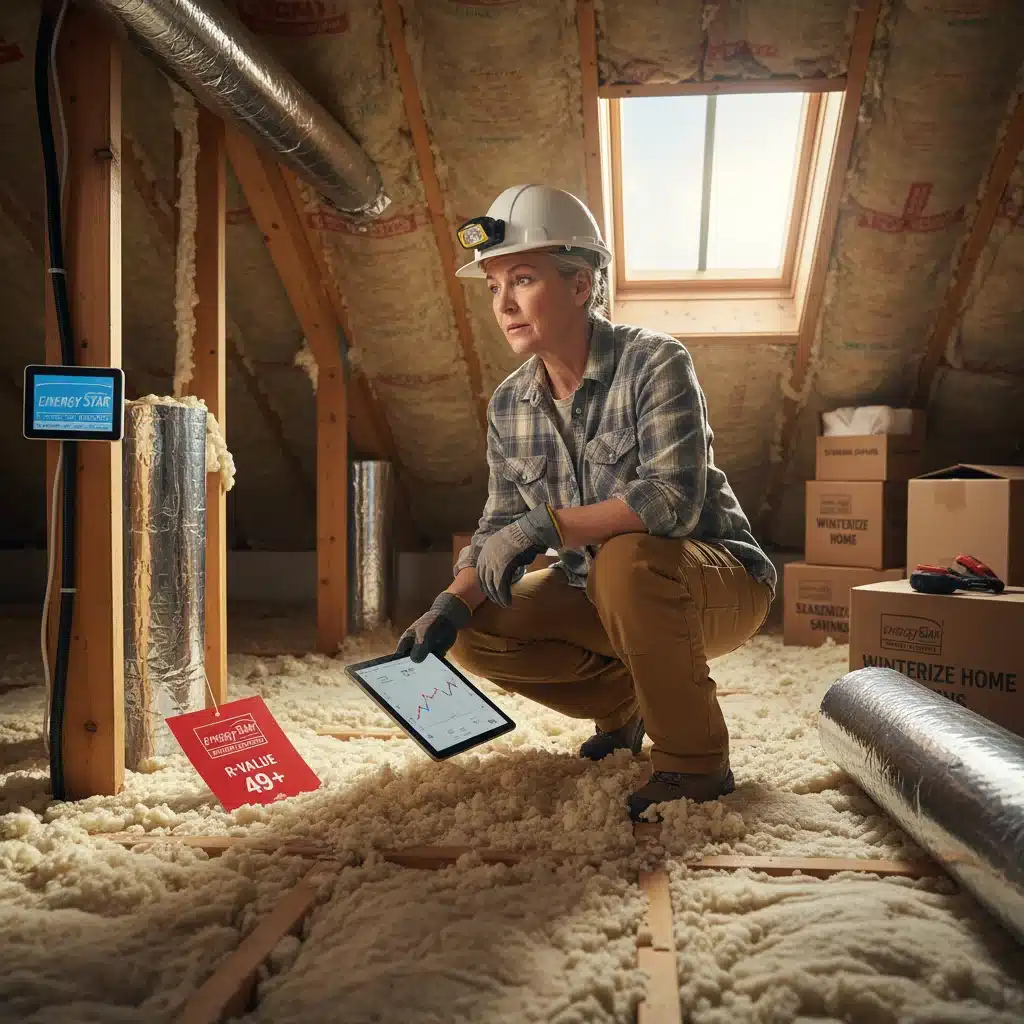
- Insulating walls, attics, and floors
- Sealing air leaks around windows and doors
- Repairing or replacing inefficient heating and cooling systems
- Performing safety checks on heating systems
- Installing energy-efficient lighting
These improvements can significantly lower energy consumption, leading to substantial savings on utility bills year after year. Applying for WAP often involves a home energy audit to identify the most impactful improvements for your specific residence. This is a critical component of comprehensive Energy Assistance Programs.
Energy Audit Services
Many utility companies and local non-profits offer free or low-cost home energy audits. During an audit, a professional assesses your home’s energy use and identifies areas where energy is being wasted. They can then recommend specific improvements, from simple behavioral changes to more extensive upgrades. Implementing these recommendations can lead to noticeable reductions in your energy consumption and lower bills.
Appliance Replacement Programs
Some Energy Assistance Programs offer rebates or direct assistance for replacing old, inefficient appliances with new, energy-efficient models. Refrigerators, washing machines, and HVAC systems are often major energy consumers. Upgrading to ENERGY STAR certified appliances can lead to significant long-term savings. Check with your utility provider or state energy office for information on these types of programs.
Tips for Maximizing Your Energy Savings in 2026
Even with assistance, adopting energy-saving habits and making minor home improvements can further reduce your utility bills. Here are some practical tips to complement the support you receive from Energy Assistance Programs:
- Set Your Thermostat Wisely: Lower your thermostat a few degrees in winter (e.g., to 68°F during the day and even lower at night or when away) and raise it a few degrees in summer. A smart thermostat can automate this for you.
- Seal Air Leaks: Use caulk or weatherstripping to seal gaps around windows, doors, and other openings. This prevents drafts and keeps conditioned air inside.
- Improve Insulation: Ensure your attic, walls, and floors are adequately insulated. This is one of the most cost-effective ways to improve energy efficiency.
- Maintain Your HVAC System: Regularly change air filters and schedule annual professional maintenance for your furnace and air conditioner. A well-maintained system runs more efficiently.
- Unplug "Energy Vampires": Unplug electronics and appliances when not in use, or use power strips that can be turned off. Many devices consume power even when turned off.
- Use Natural Light: Maximize natural light during the day to reduce reliance on artificial lighting.
- Close Blinds and Curtains: In winter, open curtains on south-facing windows during the day to let in sunlight, and close them at night to retain heat. In summer, keep them closed during the day to block heat.
- Dress in Layers: Instead of cranking up the heat, dress warmly indoors.
- Consider Energy-Efficient Lighting: Switch to LED bulbs, which use significantly less energy and last longer than traditional incandescent bulbs.
Addressing Common Questions About Energy Assistance Programs
Navigating financial aid can bring up many questions. Here are some common inquiries regarding Energy Assistance Programs:
When is the best time to apply for energy assistance?
Application periods vary by program and state. For LIHEAP, many states open applications in the fall (October/November) for heating assistance and in the spring/summer for cooling assistance. It’s always best to apply as soon as the application period opens, as funds are often limited and distributed on a first-come, first-served basis. Don’t wait until you’re in crisis to seek help from Energy Assistance Programs.
What if I’m facing a utility shut-off?
Many Energy Assistance Programs offer crisis assistance for households facing an immediate threat of utility shut-off or those who have already had their service disconnected. Contact your local energy assistance agency or utility provider immediately if you are in this situation. They may be able to expedite your application or provide emergency funds to prevent or restore service.
Can I receive assistance for both heating and cooling?
Yes, many programs, including LIHEAP, provide assistance for both heating and cooling costs, depending on the season and your state’s specific program design. Be sure to inquire about both types of aid when you apply.
What if I’m denied assistance?
If your application is denied, don’t give up. First, understand the reason for the denial. It could be due to incomplete documentation, exceeding income limits, or other factors. You often have the right to appeal the decision. Additionally, explore other Energy Assistance Programs available through your utility company or local non-profits, as their criteria might be different.
Are there programs for renters?
Yes, renters are generally eligible for Energy Assistance Programs, provided they are responsible for paying their own utility bills. Landlords are typically not eligible to apply on behalf of their tenants. If your utilities are included in your rent, you might not qualify for direct utility payment assistance, but you could still benefit from weatherization programs that impact the building’s overall energy efficiency.
The Future of Energy Assistance in 2026 and Beyond
As climate change continues to impact weather patterns and energy markets evolve, the need for robust Energy Assistance Programs remains critical. Policymakers and program administrators are continually working to adapt these programs to meet changing needs, enhance efficiency, and reach more eligible households.
Expect to see continued emphasis on integrating energy efficiency measures with direct financial aid. The goal is not just to pay bills but to reduce the underlying energy burden through sustainable improvements. Furthermore, there’s a growing push to simplify application processes and increase outreach to ensure that all eligible individuals are aware of and can easily access the support available. Digital platforms and community partnerships will play an increasingly important role in connecting people with Energy Assistance Programs.
Conclusion: Empowering Your Home This Winter
Facing high utility bills, especially during the harsh winter months, can be a source of immense stress. However, you don’t have to face it alone. Energy Assistance Programs for 2026 offer a lifeline for countless households, providing not only financial relief but also pathways to long-term energy savings through efficiency upgrades.
By understanding the various programs available – from federal initiatives like LIHEAP and WAP to state, local, and utility-specific aid – and by diligently completing the application process, you can significantly reduce your energy burden. Remember to gather your documents, contact the appropriate agencies, and follow up on your application. Coupled with smart energy-saving habits, these programs can help ensure your home remains warm, safe, and affordable throughout the winter and for years to come. Take the proactive step today to explore how these vital resources can benefit you and your family.