Federal Aid Programs 2026: Qualify for Up to $1,500 in Assistance

Advertisement
In an ever-evolving economic landscape, understanding and accessing available financial support can be a game-changer for individuals and families across the nation. As we look towards 2026, the United States government continues to offer a myriad of Federal Aid Programs designed to alleviate financial burdens, promote well-being, and foster economic stability. This comprehensive guide will delve into the various Federal Aid 2026 opportunities, focusing on how you might qualify for up to $1,500 in assistance. Whether you’re struggling with rising costs, seeking educational opportunities, or simply need a safety net, knowing where to look and how to apply is your first step towards securing vital support.
The prospect of receiving financial assistance can often feel overwhelming, given the sheer volume of information and the perceived complexity of government programs. However, with the right guidance, navigating these resources becomes much more manageable. Our aim is to demystify the process, providing clear, actionable insights into the Federal Aid Programs 2026. We’ll break down common eligibility requirements, highlight key programs, and offer practical advice to maximize your chances of approval. Prepare to uncover the pathways to financial relief that await you in the coming year.
Understanding Federal Aid Programs for 2026
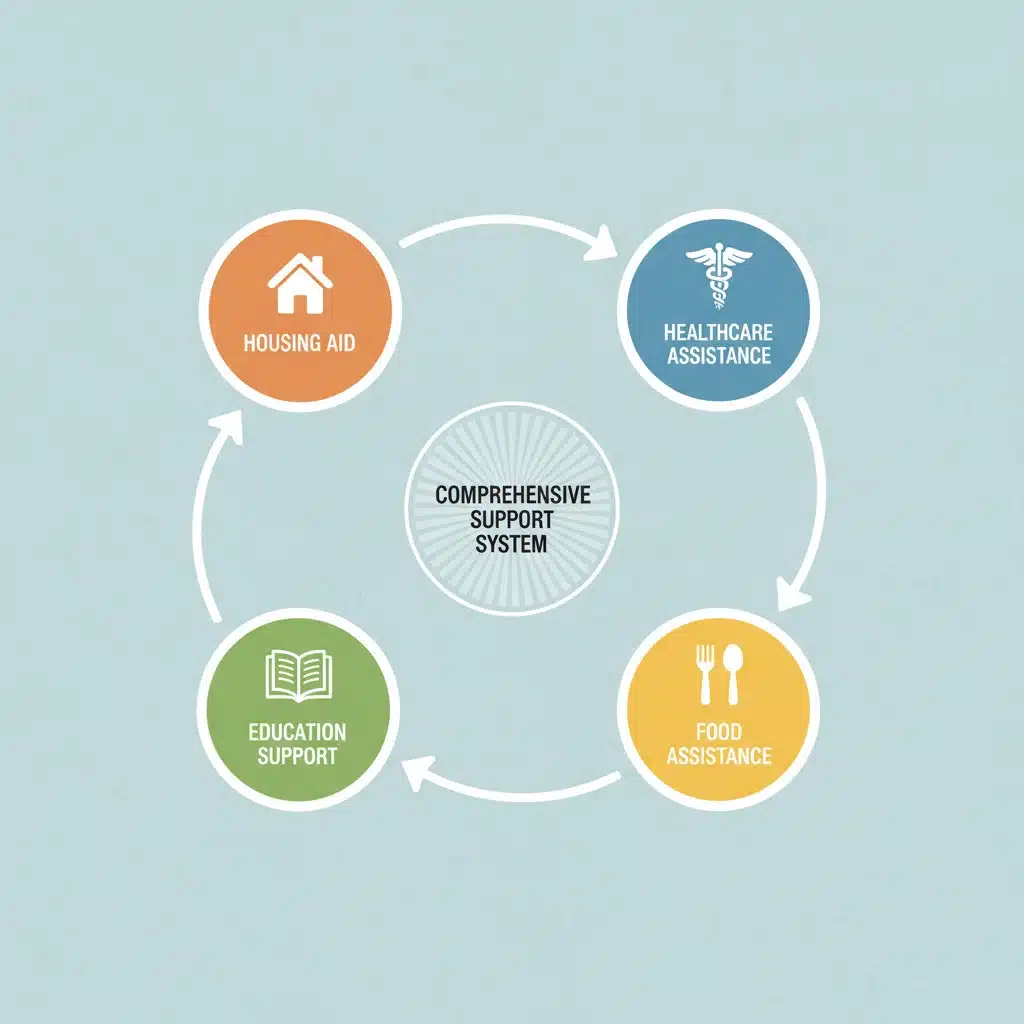
The federal government’s commitment to supporting its citizens is evident through the wide array of assistance programs it funds. These programs are not static; they evolve annually to address current societal needs and economic challenges. For 2026, while specific program details and funding allocations are subject to legislative adjustments, the core categories of Federal Aid are expected to remain robust. These generally encompass aid for education, housing, healthcare, food security, and direct financial relief.
Advertisement
The concept of Federal Aid 2026 extends beyond mere handouts; it’s an investment in the nation’s human capital and social welfare. These initiatives aim to empower individuals, foster self-sufficiency, and ensure that basic needs are met, thereby contributing to a stronger, more resilient society. Understanding the philosophy behind these programs can help applicants appreciate the broader impact of their participation and the government’s commitment to public welfare.
Who Qualifies for Federal Aid in 2026?
Eligibility for Federal Aid Programs 2026 is primarily determined by a combination of factors, including income level, household size, specific needs, and in some cases, geographic location or demographic characteristics. While each program has its unique criteria, a general framework of eligibility often includes:
- Income Thresholds: Many programs are income-based, meaning your household’s total income must fall below a certain percentage of the federal poverty level or area median income. These thresholds are updated annually, so it’s crucial to check the most current figures for 2026.
- Household Size: The number of individuals in your household directly impacts income thresholds and the level of assistance you might receive. Larger households typically have higher income limits to qualify for aid.
- Citizenship or Residency Status: Most federal programs require applicants to be U.S. citizens, legal permanent residents, or eligible non-citizens.
- Specific Needs: Some programs target individuals with particular needs, such as students, veterans, individuals with disabilities, or families experiencing homelessness.
- Age Requirements: Certain benefits may have age restrictions, either minimum or maximum, depending on the program’s objectives.
It’s important to note that qualifying for one type of Federal Aid does not automatically guarantee eligibility for all programs. Each application must be assessed individually against its specific criteria. For those wondering, ‘Do I qualify for Federal Aid 2026 up to $1,500?’, the answer lies in a careful review of your personal circumstances against the guidelines of specific programs.
Advertisement
Key Federal Aid Programs Expected in 2026 Offering Up to $1,500
While a direct, single program offering exactly $1,500 to everyone is rare, many federal programs can, through various mechanisms, provide financial relief that accumulates to or exceeds this amount, either as a one-time payment, a recurring benefit, or a reduction in expenses. Here are some of the key areas where you might find such assistance:
1. Educational Assistance (Pell Grants, FAFSA-related Aid)
For students pursuing higher education, federal student aid remains a cornerstone of financial support. The Free Application for Federal Student Aid (FAFSA) is the gateway to various grants, scholarships, work-study programs, and low-interest loans. While Pell Grants can offer significantly more than $1,500 annually, smaller grants or specific disbursements from other federal student aid programs could easily fall within this range, helping cover books, supplies, or a portion of tuition.
- Pell Grants: Need-based grants that do not need to be repaid. The maximum award amount changes annually, but even partial grants can be substantial.
- Federal Supplemental Educational Opportunity Grants (FSEOG): For students with exceptional financial need, these grants range from $100 to $4,000.
- Work-Study Programs: Allow students to earn money through part-time jobs while enrolled in school, with wages often contributing significantly to their living expenses.
Applying for Federal Aid 2026 for education starts with the FAFSA. Completing this form accurately and on time is crucial for maximizing your eligibility for various forms of assistance.
2. Housing Assistance (Rental Assistance, Utility Help)
Housing costs represent a significant burden for many households. Federal programs aim to ensure safe, affordable housing for low-income individuals and families.
- Housing Choice Vouchers (Section 8): While this program primarily helps with long-term rental assistance, emergency or temporary housing aid might be available through local housing authorities, potentially offering short-term relief up to $1,500 for rent or security deposits.
- Low Income Home Energy Assistance Program (LIHEAP): This program helps eligible households with their energy bills, home energy crises, and weatherization and energy-related minor home repairs. Depending on the state and household need, assistance can easily reach or exceed $1,500 over a heating or cooling season. This is a direct way to receive Federal Aid 2026 that reduces essential monthly expenses.
- Emergency Rental Assistance Programs: Though many pandemic-era programs have ended, some states and localities continue to offer emergency rental assistance using federal block grants, which could provide one-time payments to prevent eviction or secure new housing.
3. Healthcare Assistance (Medicaid, CHIP, Marketplace Subsidies)
Access to affordable healthcare is a fundamental need. Federal programs like Medicaid and the Children’s Health Insurance Program (CHIP) provide comprehensive health coverage for low-income individuals and families. Additionally, subsidies through the Affordable Care Act (ACA) marketplace can significantly reduce the cost of health insurance premiums, effectively saving individuals hundreds or even thousands of dollars annually.
- Medicaid: Provides health coverage to millions of Americans, including eligible low-income adults, children, pregnant women, elderly adults, and people with disabilities. The financial benefit here is the cost of medical care, which can far exceed $1,500.
- Children’s Health Insurance Program (CHIP): Provides low-cost health coverage to children in families who earn too much to qualify for Medicaid but cannot afford private insurance.
- ACA Marketplace Subsidies: Advanced Premium Tax Credits can reduce monthly health insurance premiums, and Cost-Sharing Reductions can lower out-of-pocket costs. These savings can easily amount to $1,500 or more over a year.
These programs represent crucial Federal Aid Programs 2026 that improve quality of life by ensuring access to essential services.

4. Food Assistance (SNAP, WIC)
Food insecurity remains a pressing issue. Federal programs like the Supplemental Nutrition Assistance Program (SNAP) and the Special Supplemental Nutrition Program for Women, Infants, and Children (WIC) help ensure that eligible individuals and families have access to nutritious food.
- Supplemental Nutrition Assistance Program (SNAP): Provides benefits to eligible low-income individuals and families via an Electronic Benefits Transfer (EBT) card to purchase food. Monthly benefits vary by household size and income, but for a family, the annual benefit can be well over $1,500.
- Special Supplemental Nutrition Program for Women, Infants, and Children (WIC): Provides healthy food, nutrition education, and breastfeeding support to pregnant women, new mothers, infants, and young children. The value of food packages and support services can easily amount to significant savings annually.
These food-related Federal Aid 2026 programs are vital for maintaining health and combating poverty.
5. Unemployment and Disaster Relief
In times of job loss or natural disaster, federal programs offer critical temporary financial assistance.
- Unemployment Benefits: While primarily state-administered, federal funding often supplements and extends unemployment insurance benefits during economic downturns or crises. Depending on the state and individual’s previous earnings, weekly benefits can quickly accumulate to $1,500 or more over several weeks.
- Disaster Assistance: Following a federally declared disaster, FEMA (Federal Emergency Management Agency) and other agencies offer various forms of assistance, including direct financial aid for housing, repairs, and other needs. These grants can easily exceed $1,500 depending on the extent of damage and individual circumstances.
How to Apply for Federal Aid in 2026: A Step-by-Step Guide
The application process for Federal Aid Programs 2026 can vary significantly from one program to another. However, several general steps apply across most federal assistance initiatives:
Step 1: Identify Your Needs and Research Programs
Before applying, clearly identify what type of assistance you need (e.g., housing, food, education, healthcare). Then, research the specific federal and state programs that address those needs. Government websites (like USA.gov, Benefits.gov, and agency-specific sites) are excellent resources for finding detailed information about eligibility and application procedures for Federal Aid 2026.
Step 2: Gather Required Documentation
Most federal aid applications require extensive documentation to verify your identity, income, household size, and specific needs. Common documents include:
- Proof of identity (driver’s license, state ID, passport)
- Proof of citizenship or legal residency
- Social Security numbers for all household members
- Income verification (pay stubs, tax returns, W-2 forms, unemployment benefit statements)
- Bank statements
- Proof of residence (utility bills, lease agreements)
- Medical records (for disability-related aid)
- Student enrollment verification (for educational aid)
Having these documents organized and readily available will significantly streamline your application process for Federal Aid Programs 2026.
Step 3: Complete the Application Form
Applications can typically be completed online, by mail, or in person at local agency offices. Read all instructions carefully and fill out the form accurately and completely. Any missing or incorrect information can delay processing or lead to denial.
For educational aid, remember that the FAFSA is usually the starting point for most federal student aid. For other programs, you might apply directly through the relevant government agency (e.g., USDA for SNAP, HUD for housing, HHS for healthcare).
Step 4: Submit Your Application and Follow Up
Once your application is complete and all supporting documents are attached, submit it through the designated channel. Keep a copy of your application and any submission confirmations for your records. It’s also advisable to follow up within a reasonable timeframe if you haven’t received a response, as processing times can vary.
Step 5: Understand the Decision and Next Steps
If your application for Federal Aid 2026 is approved, you’ll receive information on how benefits will be disbursed and any ongoing requirements. If denied, the notification should include reasons for the denial and information on how to appeal the decision. Understanding your rights and the appeals process is crucial.
Tips for Maximizing Your Chances of Receiving Federal Aid
Securing Federal Aid 2026 can be competitive, and the process requires diligence. Here are some tips to improve your application’s success:
- Apply Early: Many programs have limited funding, and applications are often processed on a first-come, first-served basis. Applying as soon as applications open for 2026 increases your chances.
- Be Thorough and Accurate: Double-check all information for accuracy. Errors can lead to delays or rejection.
- Provide All Requested Documentation: Incomplete applications are a common reason for denial. Ensure every required document is submitted.
- Seek Assistance if Needed: If you’re struggling with the application process, don’t hesitate to seek help. Many community organizations, non-profits, and government agencies offer free assistance with applications.
- Understand Program-Specific Requirements: Each program has unique rules. Familiarize yourself with them to ensure you meet all criteria.
- Stay Informed: Program guidelines and funding can change. Regularly check official government websites for updates on Federal Aid Programs 2026.
Common Misconceptions About Federal Aid
There are several common misconceptions about Federal Aid that can deter eligible individuals from applying. Let’s address a few:
- “It’s too complicated to apply”: While it requires effort, many resources are available to simplify the process. Don’t let perceived complexity stop you.
- “Only the extremely poor qualify”: While many programs are income-based, the thresholds are often higher than people assume. Middle-income families can also qualify for certain types of aid, especially educational assistance or specific tax credits.
- “I won’t get much anyway”: Even seemingly small amounts of assistance, like a few hundred dollars, can make a significant difference in a household budget, especially when combined with other forms of aid. The cumulative effect of Federal Aid 2026 can be substantial.
- “Applying for aid means I’m a burden”: Federal aid programs are designed to support citizens and strengthen communities. Utilizing these resources when eligible is a responsible way to manage finances and improve quality of life.
The Future of Federal Aid in 2026 and Beyond
The landscape of Federal Aid Programs 2026 will undoubtedly continue to adapt to national priorities and global events. We can anticipate ongoing efforts to streamline application processes, enhance digital accessibility, and ensure that aid reaches those who need it most effectively. Policy discussions around universal basic income, expanded child tax credits, and affordable healthcare are ongoing, suggesting potential shifts in how federal assistance is structured in the years to come.
Staying informed through official government channels and reputable news sources will be key to understanding any new programs or changes to existing ones. The government’s commitment to supporting its citizens through various financial mechanisms remains a constant, even as the specific manifestations of that support evolve. Therefore, proactively seeking out information on Federal Aid Programs 2026 is essential for anyone looking to secure financial assistance.
Conclusion: Your Path to Federal Aid in 2026
Navigating the world of Federal Aid Programs 2026 can seem daunting, but with the right information and a methodical approach, you can successfully identify and apply for the assistance you need. From educational grants to housing support, healthcare subsidies, and food aid, numerous opportunities exist to provide financial relief, potentially up to $1,500 or more, depending on your circumstances and the programs you qualify for.
Remember to thoroughly research programs, gather all necessary documentation, and complete your applications with accuracy and care. Don’t hesitate to seek help from community resources if you encounter difficulties. The goal of Federal Aid 2026 is to provide a safety net and springboard for millions of Americans. By taking proactive steps, you can unlock the support available and significantly improve your financial well-being in the coming year.
Your journey to financial stability and enhanced opportunities begins with understanding what’s available and taking that crucial first step. We encourage you to explore the resources mentioned and embark on your path to securing the Federal Aid that can make a real difference in your life.