
Maximizing Your 401(k) in 2026: Strategies for a 10% Higher Return Amidst Market Shifts
In the ever-evolving landscape of personal finance, your 401(k) remains one of the most powerful tools for securing a comfortable retirement. As we look ahead to 2026, the financial markets are expected to continue their dynamic dance, presenting both challenges and unprecedented opportunities. The goal for many is not just to contribute, but to truly maximize 401(k) returns – perhaps even aiming for an ambitious 10% higher return than the average. This comprehensive guide will equip you with the strategies, insights, and proactive steps needed to navigate these market shifts and significantly boost your retirement savings.
Understanding the nuances of your 401(k) plan, from contribution limits to investment options and fee structures, is the bedrock of effective retirement planning. But simply understanding isn’t enough; strategic action is required. We’ll delve into advanced contribution tactics, smart asset allocation, the importance of rebalancing, and how to leverage market volatility to your advantage. Our focus is on actionable advice that you can implement to see tangible improvements in your 401(k) performance by 2026 and beyond.
The 2026 Economic Outlook: What to Expect and How to Adapt
Before we dive into specific strategies to maximize 401(k) returns, it’s crucial to set the stage with a realistic understanding of the economic environment we anticipate in 2026. While no one has a crystal ball, economic forecasts suggest a period of continued innovation, potential interest rate fluctuations, and geopolitical factors influencing global markets. Inflation may remain a concern, requiring investors to be vigilant about preserving purchasing power. Technology, particularly AI and automation, is expected to drive significant growth in certain sectors, while traditional industries might face ongoing transformations.
Market shifts are inevitable. Rather than fearing them, savvy investors learn to adapt and even thrive. A proactive approach involves staying informed about macroeconomic trends, understanding their potential impact on different asset classes, and being prepared to adjust your investment strategy accordingly. This doesn’t mean day trading your 401(k); rather, it means periodically reviewing your portfolio and making informed decisions based on a long-term vision. The ability to pivot slightly in response to significant market shifts can be the difference between average returns and achieving that coveted 10% higher target.
Advertisement
One key aspect of adapting is understanding how different sectors perform under various economic conditions. For instance, during periods of higher inflation, real assets like real estate or commodities might offer better protection than traditional bonds. Conversely, in a growth-oriented environment, technology and innovation-driven equities could outperform. By diversifying across sectors and asset classes, you naturally build resilience into your 401(k), positioning it to maximize 401(k) returns regardless of the specific economic winds.
Strategy 1: Optimizing Your Contributions to Maximize 401(k) Returns
The simplest yet most powerful way to boost your 401(k) balance is by increasing your contributions. Many people stop at the employer match, which is a good start, but often far from optimal. To truly maximize 401(k) returns, you should aim to contribute the maximum allowed by the IRS each year. In 2026, these limits are likely to be adjusted upwards from previous years to account for inflation, offering even more room to save.
Consider the power of compounding. Every extra dollar you contribute today has more time to grow exponentially. If you’re not already contributing the maximum, set a goal to increase your contribution percentage by at least 1-2% each year. Many employers allow you to set up automatic increases, often tied to annual raises, making this process seamless and less noticeable in your take-home pay. This ‘set it and forget it’ method ensures you’re consistently putting more money to work for your future.
Advertisement
Leveraging Catch-Up Contributions
If you’re aged 50 or older, you have an additional advantage: catch-up contributions. These allow you to contribute an extra amount beyond the standard limit, providing a significant opportunity to rapidly increase your savings as you approach retirement. Don’t leave this money on the table; it’s a direct path to maximize 401(k) returns in your later working years.
Even if you’re younger, understanding catch-up contributions is important for future planning. It highlights the IRS’s recognition that older workers may need to accelerate their savings. By planning early and consistently contributing, you might find yourself in a stronger position, but the option is there if life throws unexpected financial curves.
Strategy 2: Strategic Asset Allocation and Diversification
Asset allocation is arguably the most critical determinant of long-term investment performance. It’s about how you divide your investment portfolio among different asset categories, such as stocks, bonds, and cash equivalents. For 2026, a strategic approach to asset allocation is paramount to maximize 401(k) returns while managing risk.
A common mistake is to simply choose a target-date fund and forget about it. While these funds can be a good starting point, they are often generic. A personalized asset allocation strategy considers your age, risk tolerance, financial goals, and the specific market outlook for 2026. For example, if you’re younger, a higher allocation to equities (stocks) might be appropriate given their higher growth potential over the long term, despite short-term volatility. As you get closer to retirement, you might gradually shift towards a more conservative mix, incorporating more bonds to preserve capital.
Diversification within each asset class is equally important. Within equities, don’t just invest in large-cap US stocks. Consider small-cap, mid-cap, international stocks (developed and emerging markets), and different sectors. For bonds, look beyond government bonds to corporate bonds, high-yield bonds (with appropriate risk assessment), and international bonds. This broad diversification helps to smooth out returns and reduce the impact of any single underperforming asset. To truly maximize 401(k) returns, your portfolio should be robust enough to weather various market conditions.
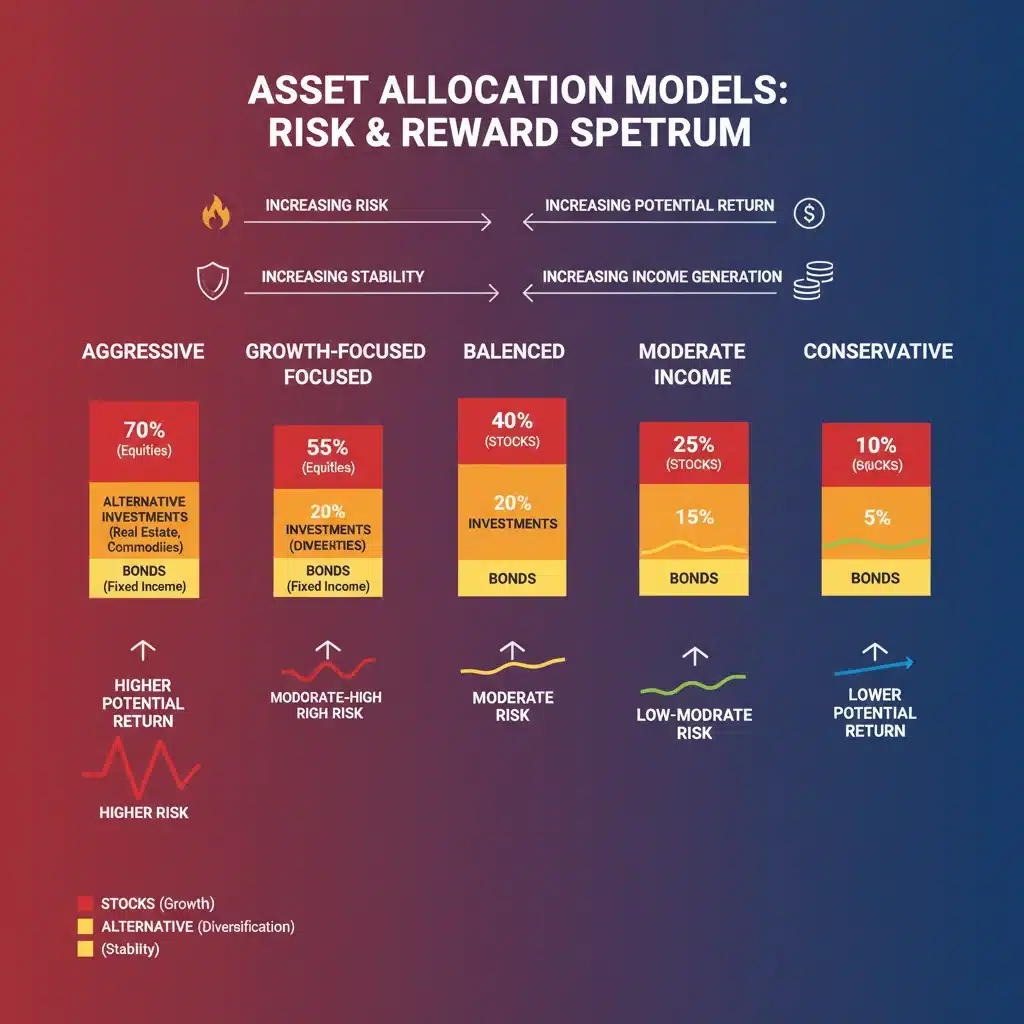
Considering Alternative Investments (If Available)
Some 401(k) plans offer access to alternative investments, such as real estate investment trusts (REITs) or even private equity funds. While these can add complexity and often higher fees, they can also provide diversification benefits and potentially higher returns, helping you to maximize 401(k) returns. Research these options carefully and understand their risks before investing. They are typically for sophisticated investors or those with a very long time horizon.
It’s crucial to assess if such alternatives align with your overall financial strategy and risk appetite. For most, focusing on a well-diversified mix of traditional stocks and bonds through low-cost index funds or ETFs within the 401(k) is sufficient and often more effective. The key is balance and understanding what you are investing in.
Strategy 3: The Power of Rebalancing Your Portfolio
Even with the most meticulously planned asset allocation, market movements will inevitably cause your portfolio to drift from its target percentages. This is where rebalancing comes in. Rebalancing means periodically adjusting your portfolio back to your original target asset allocation. For example, if stocks have performed exceptionally well, they might now represent a larger percentage of your portfolio than you intended. Rebalancing would involve selling some stocks and buying more bonds (or other underperforming assets) to restore your desired balance.
Why is rebalancing so crucial for achieving a 10% higher return and to maximize 401(k) returns? It enforces a disciplined ‘buy low, sell high’ strategy. When you sell assets that have grown significantly, you’re essentially taking profits. When you buy assets that have underperformed, you’re buying them at a relatively lower price, positioning your portfolio for potential future gains. This systematic approach prevents your portfolio from becoming overly concentrated in one asset class and helps manage risk.
Most experts recommend rebalancing once a year, or when an asset class deviates by more than 5-10% from its target allocation. Mark your calendar for a specific date each year (e.g., your birthday or the end of the year) to review and rebalance your 401(k). This consistent discipline is a cornerstone of successful long-term investing and a powerful tool to maximize 401(k) returns.
Strategy 4: Minimizing Fees and Expenses
Fees might seem small, but over decades, they can significantly erode your 401(k) returns. High fees are the silent killer of retirement savings. To truly maximize 401(k) returns, you must be diligent about understanding and minimizing the fees associated with your plan.
Your 401(k) plan typically charges several types of fees:
- Administrative Fees: Cover the cost of running the plan.
- Investment Management Fees (Expense Ratios): The percentage of your assets that goes to the fund manager. These are often the largest fees.
- Transaction Fees: Charged for buying or selling investments.
Review your plan’s disclosure documents to identify all fees. Look for low-cost index funds or exchange-traded funds (ETFs) within your 401(k) options. These typically have expense ratios significantly lower than actively managed funds. Even a difference of 0.5% in expense ratios can translate into tens of thousands of dollars over a 30-year investing horizon. This is a direct way to boost your net returns and help you maximize 401(k) returns without taking on additional risk.
If your plan offers high-cost options, advocate for better choices. Many employers are responsive to employee feedback regarding investment options and fees. Sometimes, simply bringing it to their attention can lead to improvements in the plan’s offerings.
Strategy 5: Understanding and Leveraging Tax Advantages
The tax advantages of a 401(k) are a significant part of how it helps you maximize 401(k) returns. Contributions to a traditional 401(k) are typically made with pre-tax dollars, reducing your taxable income in the year of contribution. Your investments then grow tax-deferred, meaning you don’t pay taxes on gains or dividends until you withdraw the money in retirement. This allows your money to compound more effectively.
Roth 401(k) vs. Traditional 401(k)
Many plans now offer a Roth 401(k) option. With a Roth 401(k), your contributions are made with after-tax dollars, meaning they don’t reduce your current taxable income. However, qualified withdrawals in retirement are completely tax-free. This can be a huge advantage if you expect to be in a higher tax bracket in retirement than you are now. The decision between a traditional and Roth 401(k) depends on your current income, anticipated future income, and tax philosophy.
For some, a blend of both traditional and Roth accounts can be an optimal strategy, providing flexibility in retirement. Understanding these tax implications and choosing the right account type or combination is a sophisticated way to maximize 401(k) returns by minimizing your lifetime tax burden.

Strategy 6: Staying Disciplined Through Market Volatility
Market volatility is a given, especially as we approach 2026. Economic news, geopolitical events, and corporate earnings reports can all send markets up or down. The biggest mistake investors make during volatile periods is panicking and selling their investments. This often locks in losses and prevents them from participating in the inevitable recovery.
To truly maximize 401(k) returns, discipline is key. Stick to your long-term investment plan. Remember that market downturns are often opportunities to buy assets at a lower price. If you continue to contribute consistently during these periods (dollar-cost averaging), you’ll buy more shares when prices are low, which can significantly boost your overall returns when the market recovers.
Educate yourself on market history. Historically, markets have always recovered from downturns and reached new highs over the long term. Emotional investing is almost always detrimental to your financial goals. Focus on your strategic asset allocation, rebalancing schedule, and consistent contributions, rather than reacting to daily market fluctuations. This steadfast approach is a hallmark of successful investors who consistently outperform those who succumb to fear and greed.
Strategy 7: Regular Review and Professional Guidance
Your 401(k) strategy isn’t a ‘set it and forget it’ endeavor (beyond automatic contributions). While we emphasize consistent contributions and disciplined rebalancing, a comprehensive review of your entire financial situation and 401(k) performance should happen at least annually. Life changes – marriage, children, career shifts, or unexpected expenses – can all impact your financial goals and risk tolerance.
During your annual review, ask yourself:
- Are my contribution levels still appropriate?
- Does my asset allocation still align with my risk tolerance and time horizon?
- Are there new investment options in my plan that are more suitable or lower cost?
- Have my overall financial goals shifted?
For many, seeking professional financial advice can be invaluable. A certified financial planner (CFP) can help you develop a personalized strategy, assess your risk tolerance accurately, navigate complex investment choices, and ensure your 401(k) is integrated into your broader financial plan. They can provide an objective perspective and help you avoid emotional decisions, ultimately helping you to maximize 401(k) returns more effectively.
Even if you’re confident in managing your own investments, a periodic consultation with a fee-only financial advisor can offer fresh insights and confirm you’re on the right track. Their expertise in market trends, tax law changes (especially those affecting retirement accounts), and advanced planning strategies can be instrumental in achieving that 10% higher return target.
Beyond the 401(k): Complementary Retirement Accounts
While this article focuses on how to maximize 401(k) returns, it’s important to remember that your 401(k) is often just one piece of a larger retirement puzzle. Consider complementing your 401(k) with other tax-advantaged accounts:
- Individual Retirement Accounts (IRAs): Traditional or Roth IRAs offer additional contribution room and often a wider array of investment options.
- Health Savings Accounts (HSAs): If you have a high-deductible health plan, an HSA offers a triple tax advantage: tax-deductible contributions, tax-free growth, and tax-free withdrawals for qualified medical expenses. It can function as an additional retirement savings vehicle once you reach age 65.
- Brokerage Accounts: For savings beyond tax-advantaged limits, a taxable brokerage account offers flexibility, though without the same tax benefits.
A holistic approach to retirement planning ensures you’re leveraging all available tools to build wealth and secure your future. Each account serves a unique purpose and, when used strategically, can collectively help you achieve and even surpass your financial goals.
Conclusion: Your Path to a 10% Higher 401(k) Return by 2026
Achieving a 10% higher return on your 401(k) by 2026 is an ambitious but attainable goal. It requires more than just passive participation; it demands proactive engagement, disciplined execution, and a commitment to continuous learning. By consistently optimizing your contributions, implementing a strategic and diversified asset allocation, diligently rebalancing, minimizing fees, leveraging tax advantages, and maintaining unwavering discipline through market volatility, you can significantly enhance your retirement savings.
The journey to maximize 401(k) returns is a marathon, not a sprint. The strategies outlined here are designed for long-term success, built on principles that have stood the test of time. As 2026 approaches, take control of your financial future. Review your plan, make informed decisions, and consider seeking expert guidance. Your future self will thank you for the effort you put in today to build a robust and thriving retirement portfolio. Start implementing these strategies now, and watch your 401(k) grow towards that 10% higher return target and beyond.