From Vintage to Viral: How 2026’s Retro Fashion is Shaping Modern US Style with 3 Key Eras
Fashion is a cyclical beast, constantly looking to the past for inspiration while simultaneously hurtling towards the future. In 2026, this dynamic is more evident than ever, as retro fashion trends are not just making a comeback, but are actively reshaping the very fabric of modern US style. We’re witnessing a fascinating fusion where iconic looks from bygone eras are being reinterpreted, revitalized, and integrated into contemporary wardrobes with an innovative twist. This isn’t just about nostalgia; it’s about a conscious decision to embrace the timeless appeal and unique aesthetics that defined pivotal moments in fashion history. The influence of retro fashion trends is pervasive, from haute couture runways to everyday street style, proving that what was once old is truly new again.
The allure of retro fashion lies in its ability to offer a sense of individuality and a departure from the often-homogenized world of fast fashion. It provides a rich tapestry of styles, silhouettes, and cultural narratives that resonate deeply with today’s fashion-conscious consumers. As we delve into the specific eras making the biggest splash in 2026, it becomes clear that these aren’t mere costume revivals. Instead, designers and wearers alike are meticulously selecting elements, adapting them to modern sensibilities, and creating something entirely fresh and exciting. This article will explore three dominant retro fashion trends influencing 2026 US style: the Roaring Twenties, the Groovy Seventies, and the Gritty Nineties. Each era brings its distinct flavor, contributing to a diverse and vibrant fashion landscape.
The Resurgence of the Roaring Twenties: Flapper Chic Reimagined
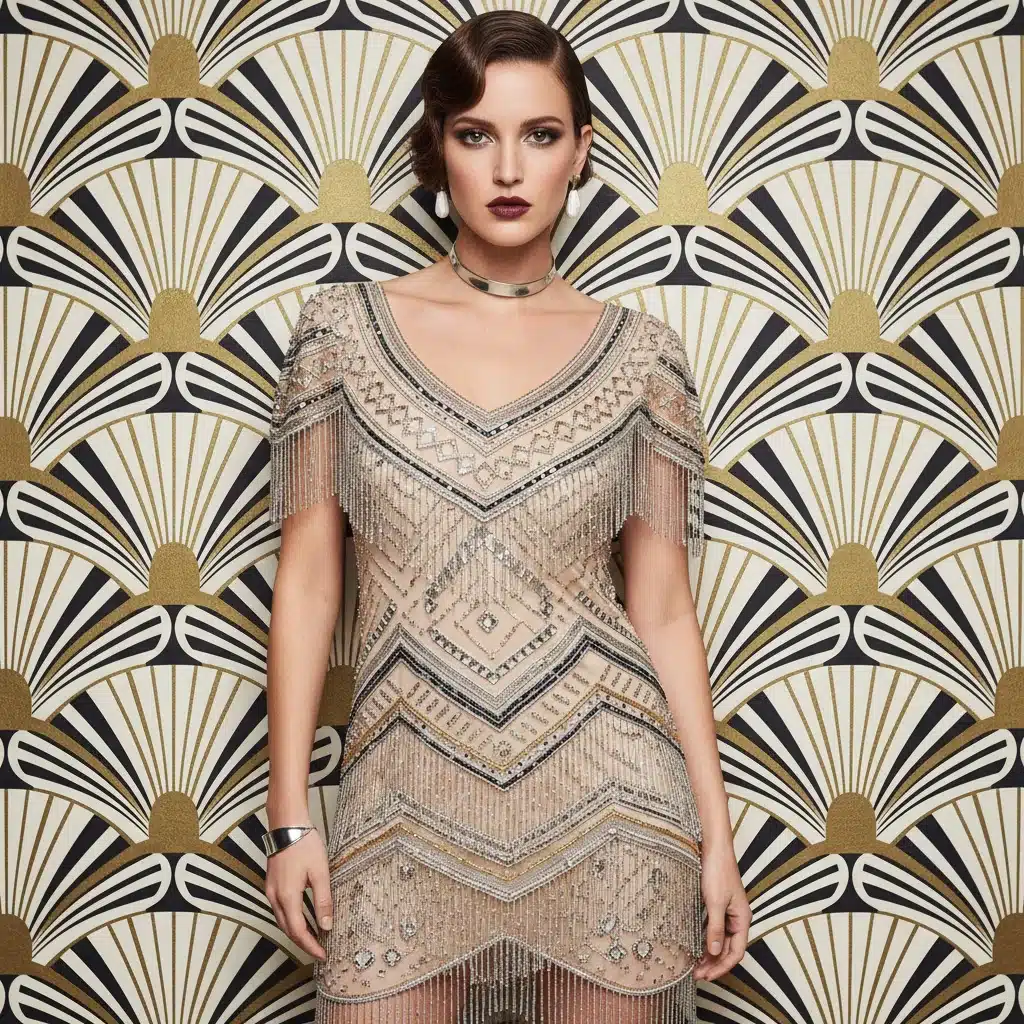
The 1920s, an era synonymous with liberation, exuberance, and a dramatic shift in social norms, is experiencing a remarkable renaissance in 2026’s retro fashion trends. The iconic flapper silhouette, once a symbol of rebellion and modernity, is being reinterpreted for the 21st century woman. This isn’t about donning a full-on period costume, but rather about subtly weaving key elements of 1920s style into contemporary ensembles. Think dropped waists, intricate beadwork, delicate fringe, and luxurious fabrics like silk and velvet. The emphasis is on fluid movement and an understated elegance that speaks volumes.
One of the most prominent aspects of the Roaring Twenties revival is the return of the embellished dress. While the original flapper dresses were often knee-length, 2026 interpretations see varying hemlines, from mini to maxi, all adorned with shimmering sequins, intricate embroidery, and cascading fringe that sways with every step. These pieces are often styled with modern accessories, such as sleek sneakers or chunky boots, creating a captivating contrast that highlights the timeless appeal of the design. The color palette, too, has evolved, moving beyond the traditional black and metallics to include a broader spectrum of jewel tones and pastels, offering versatility and catering to diverse tastes.
Advertisement
Beyond dresses, the influence extends to accessories. Headbands, once a staple for bobbed hair, are making a comeback, often featuring delicate embellishments or art deco motifs. Long pearl necklaces, layered and draped, are being paired with everything from casual t-shirts to formal wear, adding a touch of vintage glamour. The cloche hat, while not as ubiquitous, can be seen making appearances in editorial spreads and among fashion-forward individuals seeking to make a bold statement. The beauty of this retro fashion trend is its adaptability; it allows for a playful exploration of historical aesthetics without sacrificing modern comfort or practicality.
The societal parallels between the post-WWI era and our current times, particularly in the aftermath of global challenges, might also contribute to this resurgence. There’s a shared desire for celebration, freedom, and a break from convention, which the flamboyant and carefree spirit of the Roaring Twenties perfectly embodies. This isn’t just about clothes; it’s about embracing a mindset of optimism and daring self-expression. The careful curation of 1920s elements within 2026 fashion demonstrates a sophisticated understanding of style, where history is not merely replicated but thoughtfully reimagined to fit the contemporary narrative.
Advertisement
Groovy Seventies: Bohemian Rhapsody and Disco Fever Return
The 1970s, an era defined by its eclectic mix of bohemian freedom, disco glamour, and counter-cultural rebellion, is another powerhouse of retro fashion trends dominating 2026. This decade’s influence is incredibly diverse, offering something for every style preference, from laid-back earthy tones to shimmering dancefloor attire. The key to its success in the modern era lies in its inherent versatility and its emphasis on comfort and self-expression.
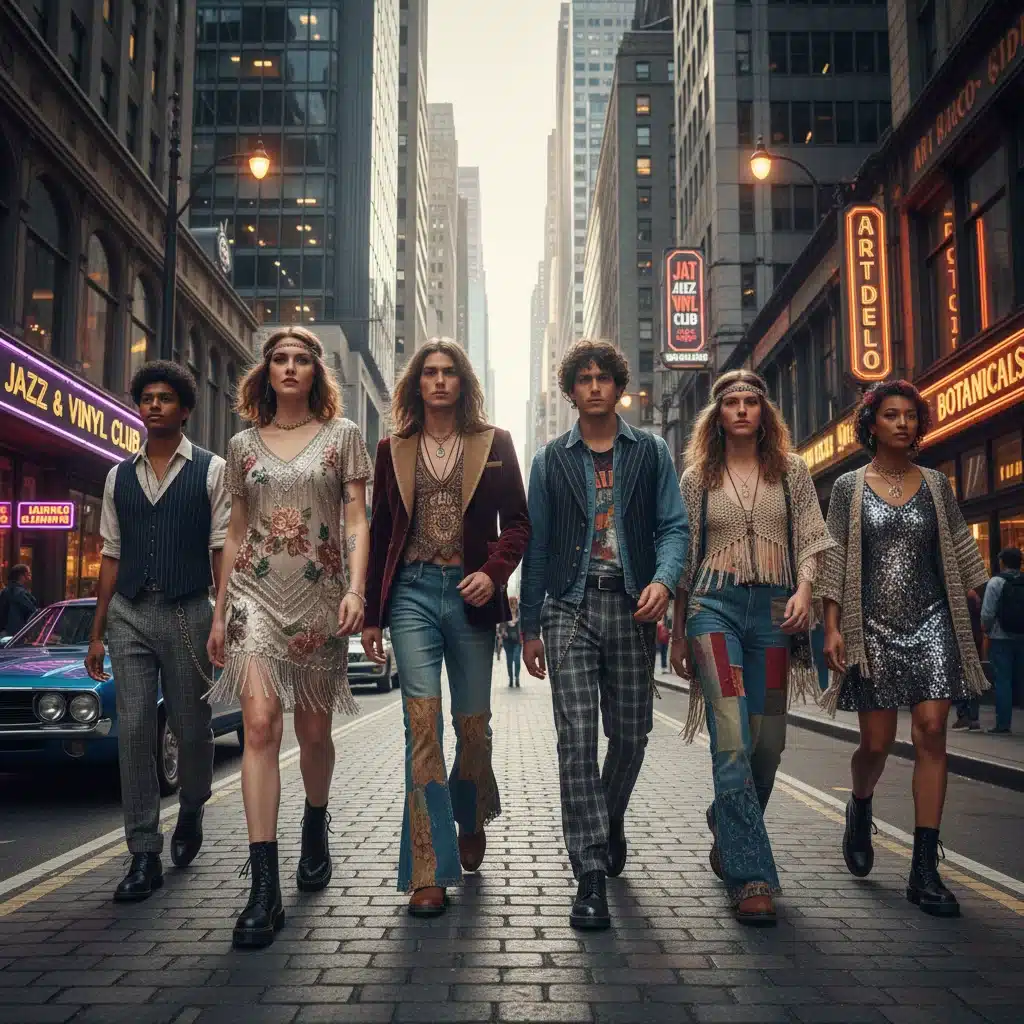
Bohemian chic, a cornerstone of 70s fashion, is flourishing in 2026. Think flowing maxi dresses, often adorned with intricate floral prints or psychedelic patterns, paired with wide-brimmed hats and chunky platform sandals. Materials like suede, corduroy, and crochet are making a significant comeback, appearing in jackets, skirts, and even accessories. Flared trousers, once a hallmark of the decade, have been updated with more tailored fits and diverse fabric choices, making them a sophisticated alternative to traditional straight-leg or skinny styles. The modern interpretation of 70s bohemian style often incorporates sustainable and ethically sourced materials, aligning with contemporary values.
On the other end of the spectrum, the disco fever of the 1970s is igniting nightlife and special occasions. Glittering jumpsuits, sequined tops, and metallic fabrics are everywhere, bringing a sense of celebratory extravagance to 2026. High-waisted bell bottoms, often in vibrant colors or bold prints, are paired with fitted blouses or sheer tops, channeling the energy of Studio 54. Platform shoes, a quintessential 70s accessory, have returned with a vengeance, offering both height and a dramatic flair. This resurgence isn’t just about recreating disco looks; it’s about capturing the spirit of joy, movement, and unapologetic glamour that defined the era.
Color palettes are crucial in channeling the 70s vibe. Earthy tones like rust, mustard, olive green, and burnt orange are prevalent in bohemian-inspired pieces, while disco looks burst forth with fuchsias, turquoises, golds, and silvers. The blending of these two distinct aesthetics, perhaps a flowing bohemian top paired with a metallic skirt, showcases the creative freedom that 2026’s retro fashion trends encourage. This era’s return speaks to a desire for authenticity, a connection to nature, and an undeniable urge to dance and celebrate life.
Gritty Nineties: Grunge, Minimalism, and Anti-Fashion Statements
The 1990s, a decade that challenged conventional beauty standards and embraced a more raw, authentic aesthetic, is profoundly influencing 2026’s retro fashion trends. From the rebellious spirit of grunge to the sleek lines of minimalism, the 90s offered a diverse range of styles that continue to resonate with a generation seeking comfort, individuality, and an anti-establishment edge. This era’s comeback is particularly strong among Gen Z, who appreciate its unpolished charm and sustainable, often thrifted, appeal.
Grunge, with its emphasis on oversized silhouettes, distressed denim, and plaid flannel, is a dominant force. Ripped jeans, band t-shirts, and combat boots are staples, often layered with oversized cardigans or leather jackets. The key to the 2026 interpretation of grunge is its balance – it’s less about looking disheveled and more about a curated, effortless cool. High-quality fabrics and thoughtful accessorizing elevate these pieces, transforming them from purely rebellious to stylishly subversive. Slip dresses, another 90s staple, are now paired with chunky knits or graphic tees, blurring the lines between formal and casual wear.
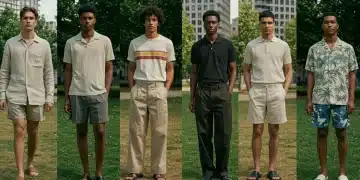
Parallel to grunge, 90s minimalism is also making a significant impact. Characterized by clean lines, neutral color palettes (think black, white, grey, and beige), and understated elegance, this aesthetic emphasizes quality over quantity. Tailored trousers, simple camisoles, sleek blazers, and minimalist skirts are key pieces. The focus is on well-fitting garments that exude sophistication without excessive ornamentation. This approach to fashion aligns perfectly with contemporary desires for capsule wardrobes and sustainable consumption, as timeless, versatile pieces are prioritized over fleeting trends.
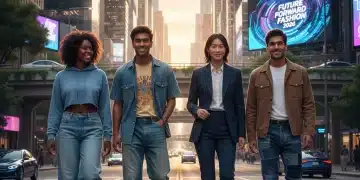
The 90s also brought us iconic streetwear elements that are now fully integrated into mainstream fashion. Baggy jeans, cargo pants, crop tops, and sportswear-inspired pieces are ubiquitous. Brands that were popular in the 90s are experiencing a resurgence, collaborating with contemporary designers to create updated collections that blend nostalgia with modern design. The influence of hip-hop culture from the 90s is also undeniable, with oversized hoodies, puffer jackets, and statement sneakers being essential components of many 2026 wardrobes. This era’s enduring appeal lies in its ability to empower individuals to create their own style rules, rejecting overt consumerism in favor of personal expression.
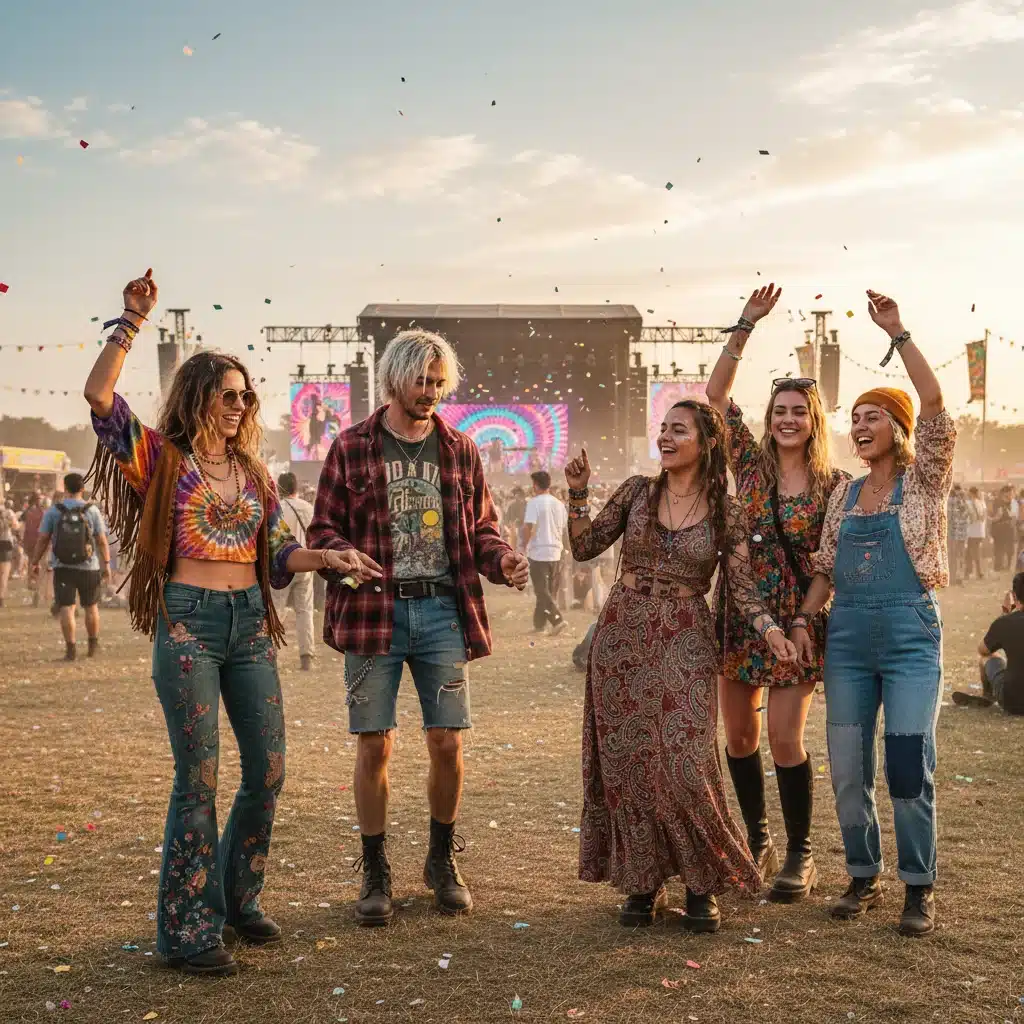
Blending Eras: The Art of Modern Retro Fusion
What makes 2026’s retro fashion trends particularly exciting is not just the revival of individual eras, but the ingenious way they are being blended. It’s no longer about strictly adhering to one decade’s aesthetic; instead, it’s about picking and choosing elements from different periods to create unique, personalized looks. This art of fusion is where true style innovation happens, allowing individuals to express their multifaceted personalities through their clothing choices. Imagine a 1920s-inspired beaded top paired with 90s baggy jeans and 70s platform boots – a seemingly disparate combination that, when executed with flair, results in a truly captivating and contemporary ensemble.
This eclectic approach reflects a broader cultural shift towards individualism and a rejection of rigid fashion rules. Social media platforms, particularly those focused on visual content, play a significant role in popularizing these blended retro aesthetics. Influencers and everyday fashion enthusiasts alike are showcasing their creative interpretations, inspiring others to experiment and break free from traditional style conventions. The accessibility of vintage and second-hand clothing also fuels this trend, making it easier for people to acquire authentic pieces from different eras and integrate them into their modern wardrobes. This sustainable aspect of retro fashion appeals to a generation increasingly concerned with environmental impact.
Designers, too, are embracing this fusion. Runway collections often feature garments that subtly nod to multiple decades, demonstrating how seamlessly different historical influences can coexist within a single look. A dress might have the silhouette of the 20s, the print of the 70s, and be styled with accessories reminiscent of the 90s. This deliberate juxtaposition creates visual interest and pushes the boundaries of what is considered fashionable. The ability to mix and match eras allows for an unprecedented level of creative freedom, making 2026 a truly exciting time for retro fashion trends.
Furthermore, the concept of "timelessness" is being redefined through this fusion. By combining elements from different decades, fashion becomes less about a specific moment in time and more about enduring style principles. A well-constructed garment from the 20s, a vibrant pattern from the 70s, or a comfortable silhouette from the 90s can all contribute to a look that feels both contemporary and eternally chic. This approach not only celebrates fashion history but also ensures its continued relevance in an ever-evolving world.
The Psychology Behind the Retro Revival
The persistent return of retro fashion trends is not merely a superficial phenomenon; it’s deeply rooted in psychology and societal dynamics. Nostalgia plays a significant role, offering a comforting connection to a perceived simpler or more glamorous past. In times of uncertainty or rapid change, looking back can provide a sense of stability and familiarity. Each of the eras discussed – the 20s, 70s, and 90s – represents a period of significant cultural shifts and unique identities, which resonate with different segments of today’s population.
The 1920s, for instance, evoke a sense of liberation and celebration after a period of global turmoil, mirroring contemporary desires for joy and freedom post-pandemic. The 1970s, with its emphasis on self-expression, individuality, and counter-culture, appeals to a generation that values authenticity and challenges established norms. The 1990s, characterized by its grunge aesthetic and minimalist approach, speaks to a desire for comfort, practicality, and an anti-establishment stance, particularly relevant in an increasingly digital and often overwhelming world. These historical contexts provide a rich backdrop for understanding why certain retro fashion trends resurface at specific times.
Moreover, fashion acts as a powerful tool for identity formation and self-expression. By adopting retro styles, individuals can align themselves with the values and aesthetics of a particular era, even if they didn’t live through it. It allows for a playful exploration of different personas and a way to stand out from the crowd. In an age of digital saturation, where trends can emerge and fade within weeks, the enduring appeal of vintage styles offers a sense of permanence and a connection to a richer fashion narrative. This isn’t just about copying; it’s about drawing inspiration and making it your own, infusing historical context with personal meaning.
The cyclical nature of fashion also ensures that what was once fashionable will eventually become so again, albeit with modern modifications. This predictability, combined with the excitement of rediscovery, keeps retro fashion trends alive and thriving. As new generations discover these past styles, they bring fresh perspectives and interpretations, ensuring that vintage never truly goes out of style. The psychology of wanting to belong while also desiring individuality is perfectly encapsulated in the retro revival, allowing for both a nod to collective history and a celebration of personal style.
Sustainability and the Vintage Movement
Beyond aesthetics and psychology, the rise of retro fashion trends in 2026 is also intrinsically linked to the growing global emphasis on sustainability. The fashion industry is a major contributor to environmental pollution, and consumers are becoming increasingly aware of the impact of the impact of their purchasing decisions. Embracing vintage and second-hand clothing is a direct way to combat fast fashion and reduce waste, making retro styles not just fashionable but also environmentally conscious.
Shopping for vintage clothing extends the lifespan of garments, reduces the demand for new production, and lessens the environmental footprint associated with manufacturing, transportation, and disposal. This conscious consumption aligns perfectly with the values of many contemporary consumers, particularly younger generations who prioritize ethical and sustainable practices. The thrill of finding a unique, high-quality vintage piece also adds to its appeal, offering a sense of individuality that mass-produced items often lack. This makes retro fashion trends a powerful driver for a more sustainable future in the industry.
The rise of online vintage marketplaces, thrift store culture, and clothing swap events has made retro fashion more accessible than ever before. These platforms connect buyers with unique pieces from different eras, fostering a circular economy within the fashion industry. Consumers can now easily discover and purchase garments that have a story, reducing their reliance on new, often less durable, items. This shift towards valuing pre-loved clothing is a significant step towards a more sustainable and responsible approach to fashion. It transforms the act of dressing into a statement of environmental stewardship, proving that style and sustainability can go hand-in-hand.
Furthermore, the inherent quality of many vintage garments often surpasses that of modern fast fashion. Clothes made decades ago were frequently constructed with more durable materials and superior craftsmanship, designed to last. Investing in these pieces means acquiring items that can withstand the test of time, further reducing the need for frequent replacements. This focus on longevity and quality is a core tenet of sustainable fashion and is perfectly embodied by the enduring appeal of retro fashion trends. As we move forward, the intersection of vintage aesthetics and environmental consciousness will undoubtedly continue to shape the future of US style.
Conclusion: The Enduring Allure of Retro in 2026
As we navigate through 2026, it’s clear that retro fashion trends are not a fleeting fad but a fundamental force shaping modern US style. The captivating aesthetics of the Roaring Twenties, the free-spirited Groovy Seventies, and the raw authenticity of the Gritty Nineties have all found their way back into our wardrobes, not as mere copies, but as reinterpreted and revitalized expressions of timeless style. This ongoing dialogue between past and present allows for unparalleled creativity, personal expression, and a deep appreciation for fashion history.
The ability to blend elements from different eras, to mix a flapper’s sparkle with a grunge rocker’s edge, or a bohemian’s flow with a disco queen’s shimmer, speaks to a sophisticated and confident approach to dressing. This fusion creates a dynamic and diverse fashion landscape that celebrates individuality and rejects rigid categorization. Moreover, the strong connection between retro fashion and sustainability underscores a growing societal awareness, positioning vintage styles as a conscious choice for a more responsible future.
Ultimately, the enduring allure of retro fashion trends in 2026 lies in its multifaceted appeal. It offers nostalgia, a sense of rebellion, an opportunity for self-expression, and a pathway to more sustainable consumption. As we continue to draw inspiration from the rich tapestry of fashion history, we are not just dressing ourselves; we are telling a story, celebrating cultural heritage, and actively participating in the evolution of style. The future of fashion, it seems, is beautifully intertwined with its past, creating a vibrant and ever-evolving narrative that continues to captivate and inspire.