Smart Debt Management 2026: Reduce Interest Payments by 6% Annually

Advertisement
Smart Debt Management in 2026: Your Guide to Reducing Interest Payments by 6% Annually
In an ever-evolving financial landscape, mastering smart debt management is more crucial than ever. As we look towards 2026, economic shifts, interest rate fluctuations, and new financial products continue to shape how we approach our personal finances. For many, debt can feel like a heavy burden, but with the right strategies, it can be transformed into a manageable part of your financial journey. This comprehensive guide will walk you through actionable steps and insights to not only manage your debt effectively but to significantly reduce your interest payments, aiming for an impressive 6% annual saving.
The goal isn’t just to pay off debt; it’s to pay it off smarter, saving you thousands in interest over time. Whether you’re grappling with credit card debt, student loans, a mortgage, or personal loans, the principles of smart debt management remain consistent. By understanding your debt, strategizing your payments, and leveraging available financial tools, you can achieve substantial savings and accelerate your path to financial freedom. Let’s dive into how you can make 2026 the year you take control of your financial future.
Understanding Your Debt Landscape: The First Step to Smart Debt Management
Before you can effectively manage your debt, you need to have a crystal-clear picture of what you owe. This might seem obvious, but many individuals only have a vague idea of their total debt burden. A thorough audit is the foundational step in any successful smart debt management plan.
Advertisement
Categorize and Quantify Your Debts
- List all debts: Gather statements for all your loans and credit cards. This includes credit cards, personal loans, student loans, auto loans, mortgages, medical bills, and any other outstanding liabilities.
- Note key details: For each debt, record the principal balance, interest rate (APR), minimum monthly payment, due date, and the lender. Pay particular attention to interest rates; high-interest debts should be prioritized.
- Calculate total debt: Sum up all your balances to get a complete picture of your financial obligations. This number can be daunting, but it’s essential for creating an effective plan.
Assess Your Debt-to-Income Ratio
Your debt-to-income (DTI) ratio is a critical indicator of your financial health. It’s calculated by dividing your total monthly debt payments by your gross monthly income. Lenders often use this ratio to assess your ability to manage debt and take on new loans. A high DTI ratio can signal financial strain and limit your borrowing options.
- How to calculate: Add up all your minimum monthly debt payments (credit cards, loans, mortgage, etc.). Divide this sum by your gross monthly income (before taxes and deductions).
- What it means: Generally, a DTI of 36% or less is considered healthy. A DTI above 43% may indicate that you have too much debt. Understanding your DTI helps you gauge the urgency and scope of your smart debt management efforts.
Strategic Approaches to Debt Reduction: Pillars of Smart Debt Management
Once you understand your debt, it’s time to implement strategies that will actively reduce your principal and, more importantly, your interest payments. The goal of reducing interest by 6% annually is ambitious but achievable with focused effort.
1. Debt Consolidation: Streamlining for Savings
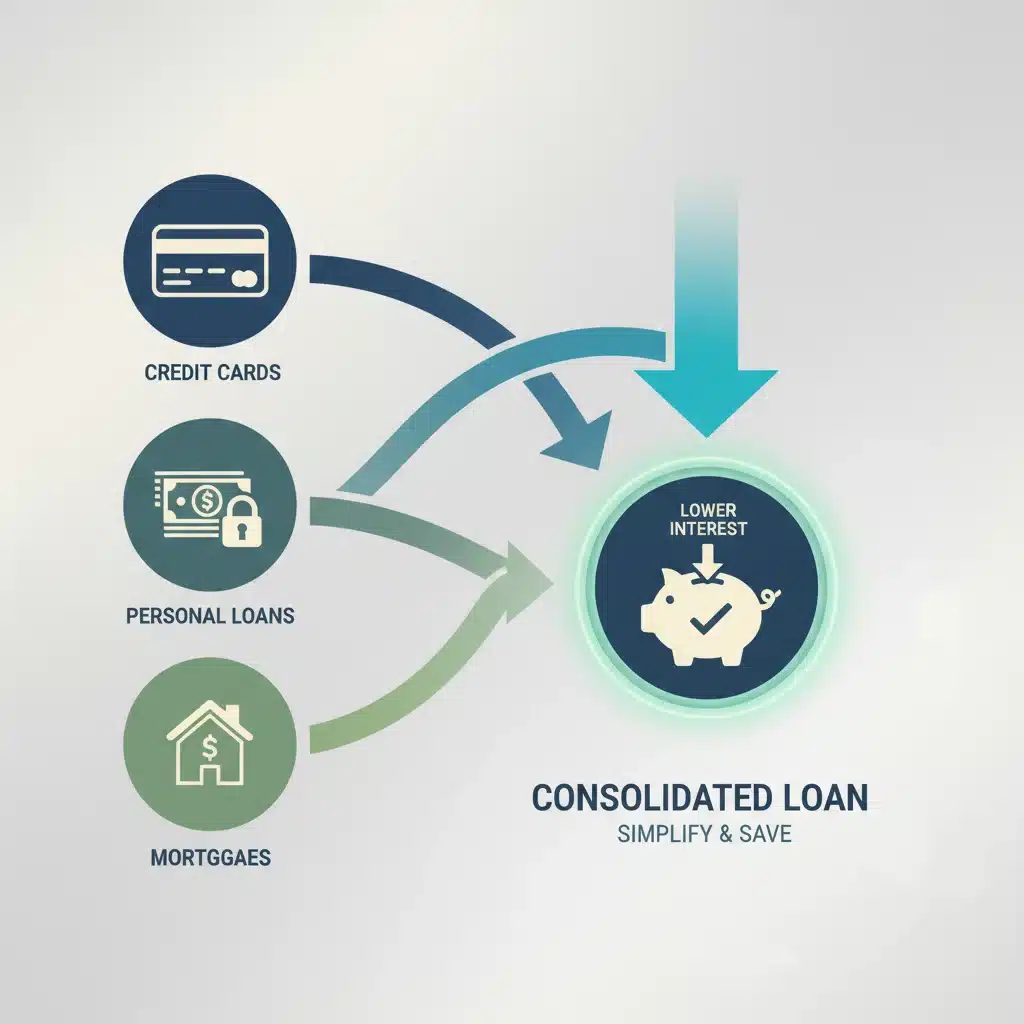
Debt consolidation involves combining multiple debts into a single, new loan, often with a lower interest rate. This can simplify your payments and significantly reduce the total interest paid over time, making it a cornerstone of smart debt management.
Advertisement
Options for Debt Consolidation:
- Personal Loans: A common method is to take out a personal loan with a fixed, lower interest rate to pay off higher-interest debts like credit cards. This provides a predictable payment schedule.
- Balance Transfer Credit Cards: If you have good credit, you might qualify for a balance transfer credit card with a 0% introductory APR for a period (e.g., 12-18 months). This allows you to pay down the principal without incurring interest during the promotional period. Be mindful of balance transfer fees and ensure you can pay off the balance before the introductory period ends.
- Home Equity Loan or HELOC: If you own a home, you might be able to use your home equity. These typically offer lower interest rates because your home serves as collateral. However, this also means your home is at risk if you default.
- Debt Management Plans (DMPs): Offered by non-profit credit counseling agencies, DMPs consolidate your unsecured debts into one monthly payment, often with reduced interest rates negotiated by the agency.
Example Scenario: Imagine you have three credit cards with balances of $5,000, $3,000, and $2,000, and average APRs of 20%, 22%, and 18% respectively. A personal loan at 10% APR to consolidate these $10,000 could save you hundreds or even thousands in interest annually, contributing significantly to your 6% reduction goal.
2. The Avalanche and Snowball Methods: Strategic Repayment
These two popular debt repayment strategies offer different psychological and financial benefits, both effective for smart debt management.
- Debt Avalanche Method: Prioritize paying off debts with the highest interest rates first, while making minimum payments on all other debts. Once the highest-interest debt is paid off, you apply the amount you were paying on it to the next highest-interest debt. This method saves you the most money on interest over time.
- Debt Snowball Method: Prioritize paying off debts with the smallest balances first, while making minimum payments on all other debts. Once the smallest debt is paid off, you apply the amount you were paying on it to the next smallest debt. This method provides psychological wins and motivation, as you quickly eliminate debts.
Choose the method that best suits your personality and financial situation. For maximum interest savings towards your 6% goal, the avalanche method is generally superior.
3. Negotiating with Creditors: Don’t Be Afraid to Ask
Many people overlook the power of direct negotiation. Creditors would often prefer to receive some payment rather than none at all. This is a vital, yet often underutilized, aspect of smart debt management.
- Request Lower Interest Rates: If you have a good payment history, call your credit card company or lender and ask for a lower interest rate. Explain your situation and your commitment to paying off the debt.
- Ask for a Payment Plan: If you’re struggling to make payments, inquire about hardship programs or payment plans that could temporarily reduce your monthly payments or interest.
- Settlement: In severe cases of financial distress, you might be able to negotiate a debt settlement where the creditor agrees to accept less than the full amount owed. Be aware that this can negatively impact your credit score.
Leveraging Financial Tools and Habits for Smart Debt Management
Beyond specific repayment strategies, building robust financial habits and utilizing modern tools are essential for sustained smart debt management.
4. Budgeting and Expense Tracking: Know Where Your Money Goes
A well-structured budget is the backbone of financial control. It allows you to identify areas where you can cut expenses and allocate more funds towards debt repayment.

- Create a Detailed Budget: Track all your income and expenses for at least a month. Use budgeting apps (like Mint, YNAB, or personal banking apps) or a simple spreadsheet.
- Identify Savings Opportunities: Look for non-essential expenses that can be reduced or eliminated. Even small cuts can add up. Examples include dining out less, canceling unused subscriptions, or finding cheaper alternatives for services.
- Allocate Extra Funds to Debt: Every dollar saved from your budget should be directed towards your highest-interest debt. This accelerates repayment and reduces overall interest paid.
5. Increase Your Income: Fueling Your Debt Reduction Efforts
While cutting expenses is important, increasing your income provides more firepower for debt repayment. This proactive step can dramatically speed up your progress in smart debt management.
- Side Hustles: Explore opportunities to earn extra income outside your primary job, such as freelancing, ride-sharing, online tutoring, or selling crafts.
- Negotiate a Raise: If applicable, assess your performance and market value, then discuss a raise with your employer.
- Sell Unused Items: Declutter your home and sell items you no longer need through online marketplaces or local consignment shops.
6. Automate Payments and Monitor Progress
Automation ensures consistency, while monitoring keeps you motivated and on track with your smart debt management plan.
- Set Up Auto-Pay: Automate your minimum debt payments to avoid late fees and missed due dates, which can harm your credit score and incur additional charges.
- Schedule Extra Payments: If your budget allows, set up automatic bi-weekly payments or an additional monthly payment towards your principal. Even small, consistent extra payments can make a big difference over time.
- Regularly Review Your Debts: Check your statements monthly. Ensure payments are applied correctly, track your progress, and recalculate your interest savings. Seeing the principal balance decrease is a powerful motivator.
Advanced Smart Debt Management Tactics for 2026
As you gain confidence in managing your debt, consider these more advanced strategies to further optimize your financial situation and hit that 6% annual interest reduction target.
Refinancing Specific Loans
Beyond general consolidation, consider refinancing individual loans if market rates have dropped or your credit score has improved.
- Mortgage Refinancing: If interest rates have decreased since you took out your mortgage, refinancing could significantly lower your monthly payment and total interest paid over the life of the loan. Be sure to factor in closing costs.
- Student Loan Refinancing: Private student loans, in particular, can often be refinanced to a lower interest rate, especially if your income has increased or your credit score has improved since you first took them out. Federal student loans offer different benefits, so weigh the pros and cons carefully before refinancing them privately.
- Auto Loan Refinancing: Similar to mortgages and student loans, if you can secure a lower interest rate on your car loan, you can save money over the loan term.
Understanding and Utilizing Credit Scores
Your credit score plays a pivotal role in the interest rates you qualify for. Improving it is a key component of smart debt management.
- Monitor Your Score: Regularly check your credit report for errors and monitor your credit score. Free services are available from credit bureaus or through many banking apps.
- Improve Your Score: Pay bills on time, keep credit utilization low (ideally below 30%), avoid opening too many new credit accounts at once, and dispute any inaccuracies on your report. A higher credit score can unlock better interest rates on future loans and refinancing options.
Building an Emergency Fund
While seemingly counterintuitive when focusing on debt repayment, an emergency fund is a critical defensive strategy in smart debt management. It prevents new debt from accumulating when unexpected expenses arise.
- Start Small: Aim for a starter emergency fund of $1,000-$2,000.
- Grow Over Time: Gradually build it up to cover 3-6 months of essential living expenses.
- Avoid New Debt: When emergencies hit (car repair, medical bill, job loss), you can tap into your savings instead of relying on high-interest credit cards.
Measuring Your Success: Tracking the 6% Interest Reduction Goal
How do you know if you’re hitting your target of reducing interest payments by 6% annually? It requires consistent tracking and calculation.
- Baseline Calculation: At the beginning of your smart debt management journey, calculate the total interest you are projected to pay over the next year across all your debts based on current rates and minimum payments.
- Post-Strategy Calculation: After implementing strategies like consolidation, balance transfers, or rate negotiations, recalculate the projected annual interest.
- Compare and Adjust: The difference between your baseline and post-strategy projected interest is your savings. If you’re falling short of the 6% reduction, re-evaluate your strategies and look for more aggressive options.
- Example: If your total projected annual interest was $2,000, a 6% reduction means aiming to save $120 in interest for the year. This might seem small, but on larger debt loads, 6% can translate to significant savings. For a $50,000 debt with an average 15% interest, that’s $7,500 in annual interest. A 6% reduction means saving $450 that year.
The Psychology of Debt: Staying Motivated
Managing debt isn’t just about numbers; it’s also about mindset. The journey can be long, and staying motivated is key to successful smart debt management.
- Celebrate Small Wins: Acknowledge every debt paid off, no matter how small. These victories fuel your motivation.
- Visualize Your Future: Keep your financial goals in mind – whether it’s buying a home, saving for retirement, or simply being debt-free.
- Seek Support: Share your goals with a trusted friend, family member, or financial advisor. Accountability can be a powerful motivator.
- Educate Yourself: Continuously learn about personal finance. The more you understand, the more empowered you become.
Conclusion: Your Path to Financial Freedom in 2026 and Beyond
Achieving a 6% annual reduction in your interest payments through smart debt management is an ambitious yet entirely attainable goal for 2026. It requires diligence, strategic planning, and a commitment to transforming your financial habits. By thoroughly understanding your debt, employing consolidation and strategic repayment methods, actively negotiating with creditors, and building a robust financial foundation through budgeting and increased income, you are well on your way.
Remember, financial freedom is a journey, not a destination. Each step you take, every dollar saved in interest, brings you closer to a more secure and prosperous future. Start today by assessing your current situation, choosing one or two strategies to implement, and commit to consistent action. Your future self will thank you for mastering smart debt management.