The 2026 Guide to Sustainable Fashion: Revolutionizing Eco-Conscious Style
Advertisement
The 2026 guide to sustainable fashion highlights how 5 pioneering brands are revolutionizing eco-conscious style by integrating innovative materials, ethical production, and circular economy principles, setting new industry standards for environmental responsibility and social equity.
Are you ready to explore the future of ethical clothing? The 2026 Guide to Sustainable Fashion: 5 Brands Revolutionizing Eco-Conscious Style is here to illuminate the path toward a more responsible wardrobe. This comprehensive guide will introduce you to the innovators shaping tomorrow’s fashion landscape, proving that style and sustainability can coexist beautifully.
Advertisement
Understanding the Sustainable Fashion Landscape in 2026
The fashion industry in 2026 is at a pivotal juncture, driven by increasing consumer awareness and stringent environmental regulations. Sustainability is no longer a niche concept but a fundamental pillar for brands aiming for longevity and relevance. Consumers are actively seeking transparency, ethical production, and eco-friendly materials, pushing companies to innovate rapidly.
This shift isn’t just about reducing harm; it’s about actively creating positive impact. Brands are adopting circular models, investing in renewable energy, and empowering workers throughout their supply chains. The conversation has evolved from simply ‘less bad’ to ‘more good,’ focusing on regenerative practices that restore ecological balance and foster social equity.
The Evolution of Eco-Conscious Materials
Material innovation stands at the forefront of sustainable fashion in 2026. Traditional fabrics like conventional cotton and polyester are being replaced or significantly enhanced by alternatives that require fewer resources and generate less waste. Technologies like bio-fabrication and advanced recycling techniques are transforming the possibilities.
Advertisement
- Bio-based textiles: Materials derived from agricultural waste, algae, or fungi are becoming mainstream, offering biodegradable and renewable options.
- Recycled synthetics: Enhanced recycling processes allow for high-quality fabrics made from ocean plastic or textile waste, reducing reliance on virgin petroleum.
- Regenerative agriculture: Cotton and wool are increasingly sourced from farms practicing regenerative techniques, which improve soil health and biodiversity.
Ethical Production and Supply Chain Transparency
Beyond materials, the spotlight is firmly on ethical production. Consumers in 2026 expect full transparency regarding labor practices, fair wages, and safe working conditions. Brands are leveraging blockchain technology and advanced tracking systems to provide granular detail about their supply chains, from fiber to finished garment.
This commitment extends to ensuring fair treatment for all workers, eliminating child labor, and promoting gender equality. Ethical certifications are becoming more robust and widely recognized, helping consumers make informed choices. The goal is a truly equitable fashion ecosystem where every individual involved in production is valued and respected.
In conclusion, the 2026 sustainable fashion landscape is characterized by a holistic approach, where material innovation, ethical manufacturing, and transparent supply chains converge. This comprehensive shift reflects a deeper understanding of fashion’s interconnectedness with environmental and social well-being, paving the way for truly transformative change.
Brand Spotlight 1: “TerraThreads” – Pioneering Circularity
TerraThreads has emerged as a leader in circular fashion, a concept that aims to keep resources in use for as long as possible, extracting maximum value from them whilst in use, then recovering and regenerating products and materials at the end of each service life. Their approach in 2026 is nothing short of revolutionary, fundamentally redesigning how garments are made, used, and ultimately recycled.
This brand doesn’t just sell clothes; it offers a complete lifecycle service. From the initial design phase, products are conceived with their end-of-life in mind, ensuring they can be easily disassembled, repaired, or recycled into new items. This commitment to closed-loop systems significantly reduces waste and minimizes environmental impact.
Innovative Take-Back Programs
Central to TerraThreads’ circular model are their extensive take-back programs. Customers can return worn-out or unwanted garments, regardless of their condition, to be properly processed. These items are then either repaired and resold, upcycled into new designs, or broken down to their original fibers for textile recycling.
- In-store collection points: Convenient drop-off locations at all TerraThreads retail outlets.
- Mail-in return kits: Pre-paid shipping labels and packaging for easy returns from home.
- Digital tracking: Customers can track the journey of their returned garments, witnessing their transformation into new products.
Designing for Durability and Longevity
TerraThreads prioritizes durability and timeless design, moving away from fast fashion’s disposable culture. Their garments are made from high-quality, resilient materials and constructed with superior craftsmanship, ensuring they withstand the test of time. This focus on longevity reduces the need for frequent replacements, saving resources and consumer money.
Furthermore, the brand offers repair services, encouraging customers to extend the life of their clothing rather than discarding it. This ethos of care and repair is ingrained in their brand identity, fostering a deeper connection between consumers and their garments. By valuing longevity, TerraThreads combats the inherent wastefulness of linear fashion models.
TerraThreads exemplifies how a brand can successfully integrate circular principles into every aspect of its business. Their dedication to closed-loop systems, innovative take-back programs, and designing for durability sets a high standard for the entire industry, proving that fashion can be both stylish and endlessly reusable.
Brand Spotlight 2: “BioLoom Apparel” – Advancing Bio-Fabrication
BioLoom Apparel is at the cutting edge of textile innovation in 2026, specializing in bio-fabricated materials that are grown rather than manufactured in traditional ways. This pioneering brand leverages biotechnology to create fabrics with minimal environmental footprint, offering a glimpse into the future of truly sustainable textiles.
Their groundbreaking work involves cultivating materials from microorganisms, plant cells, and even agricultural waste products. This process significantly reduces water consumption, land use, and chemical pollutants typically associated with conventional textile production. The resulting fabrics are not only eco-friendly but also possess unique performance characteristics.
Mycelium and Algae-Based Textiles
BioLoom Apparel’s signature materials include mycelium-based leather alternatives and algae-derived fibers. Mycelium, the root structure of mushrooms, is grown into durable, versatile sheets that mimic animal leather without the ethical or environmental concerns. These materials are biodegradable and offer superior breathability and texture.
Algae, a fast-growing aquatic organism, is another key resource. BioLoom processes algae into fibers that can be woven into soft, comfortable fabrics. These textiles often require less dye due to their natural pigmentation and are inherently moisture-wicking and UV-resistant. The cultivation of algae also sequesters carbon, making it a carbon-negative material.
Precision Fermentation for Dyes and Coatings
Beyond fabrics, BioLoom Apparel also utilizes precision fermentation to create sustainable dyes and performance coatings. This biotechnology allows for the production of vibrant, non-toxic colors and functional finishes (like water repellency) without relying on harmful synthetic chemicals. These bio-derived alternatives are fully biodegradable and safe for both people and the planet.
The brand’s commitment to bio-fabrication extends to every component of their garments, including threads, buttons, and even packaging. This holistic approach ensures that each product is as environmentally benign as possible, pushing the boundaries of what is achievable in eco-conscious fashion. BioLoom Apparel is not just making clothes; they are growing them responsibly.
In essence, BioLoom Apparel is redefining sustainable fashion through its advanced bio-fabrication techniques. By harnessing the power of nature and biotechnology, they are creating a new generation of textiles that are innovative, high-performing, and inherently kind to the environment, setting a new benchmark for material sourcing and production.
Brand Spotlight 3: “EthiWear Co.” – Championing Fair Labor and Transparency
EthiWear Co. stands as a beacon for fair labor practices and radical transparency within the 2026 sustainable fashion movement. Their core mission is to ensure that every individual involved in the creation of their garments receives fair wages, works in safe conditions, and is treated with dignity and respect. They believe that true sustainability extends beyond environmental impact to encompass social equity.
The brand has implemented robust systems to monitor and verify ethical standards across its entire supply chain, from the cotton fields to the garment factories. This commitment is not just about compliance; it’s about fostering genuine empowerment and well-being for all workers, making a tangible difference in their lives and communities.
Blockchain-Powered Supply Chain Tracking
EthiWear Co. utilizes cutting-edge blockchain technology to provide unparalleled transparency. Every step of their production process, from the origin of raw materials to the final stitch, is recorded on an immutable digital ledger. Customers can scan a QR code on any garment to access detailed information about its journey.
- Farmer profiles: Learn about the farmers who grew the organic cotton, including their fair trade certifications and community initiatives.
- Factory audits: Access reports on working conditions, wages, and safety standards at each manufacturing facility.
- Material provenance: Verify the source and sustainability certifications of all fabrics and components.
Worker Empowerment and Community Investment
Beyond fair wages, EthiWear Co. invests heavily in worker empowerment programs. This includes providing access to education, healthcare, and skill development opportunities for their employees and their families. They also support local communities through various initiatives, ensuring that their presence brings positive socio-economic development.
The brand actively collaborates with labor unions and NGOs to continuously improve their practices and advocate for systemic change within the fashion industry. Their dedication to social responsibility sets a powerful example, demonstrating that profitability and ethical treatment are not mutually exclusive but mutually reinforcing.
In conclusion, EthiWear Co. exemplifies the human-centric aspect of sustainable fashion. Their unwavering commitment to fair labor, coupled with transparent supply chain practices, establishes a new standard for ethical production. They prove that clothing can be made with integrity, benefiting both the planet and the people who make our clothes.
Brand Spotlight 4: “ReGen Denim” – The Future of Sustainable Jeans
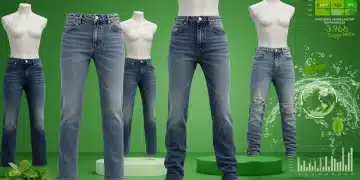
ReGen Denim is revolutionizing the notoriously resource-intensive denim industry in 2026 by focusing on regenerative agriculture, advanced water-saving technologies, and innovative recycling processes. Their mission is to create stylish, durable denim that leaves a positive impact on the environment, moving beyond mere reduction of harm to active ecological restoration.
The brand’s approach begins at the farm, sourcing cotton exclusively from regenerative farms that prioritize soil health, biodiversity, and carbon sequestration. This foundational commitment ensures that their raw materials are grown in a way that improves ecosystems rather than depleting them, setting a new standard for textile sourcing.
Water-Saving Technologies in Production
Denim production is traditionally known for its exorbitant water usage. ReGen Denim has tackled this challenge head-on by implementing state-of-the-art waterless dyeing techniques and closed-loop water recycling systems in their manufacturing facilities. These innovations drastically reduce water consumption, often by over 95% compared to conventional methods.
- Ozone washing: Utilizes ozone gas instead of water for distressing and softening denim, saving millions of liters annually.
- Laser finishing: Replaces traditional sandblasting and chemical treatments with precise lasers for creating fades and distressing effects.
- Recycled water systems: All water used in their facilities is filtered and recycled, ensuring zero discharge of wastewater.
Upcycling and Repair Initiatives
ReGen Denim actively promotes the longevity of its products through robust upcycling and repair programs. They offer free repairs for the lifetime of their jeans, encouraging customers to mend rather than replace. Additionally, worn-out denim can be returned to be transformed into new products, such as insulation or new textile fibers.
This commitment to extending product life cycles and transforming waste into valuable resources positions ReGen Denim as a true leader in circular fashion. Their blend of regenerative sourcing, water conservation, and strong circularity initiatives offers a blueprint for how an entire industry segment can become genuinely sustainable.
To summarize, ReGen Denim is transforming the denim industry through its comprehensive sustainable practices. From regenerative cotton farming to advanced water-saving technologies and circular design, they demonstrate that iconic fashion staples can be produced responsibly, ensuring both style and environmental stewardship.
Brand Spotlight 5: “UrbanEco Activewear” – Performance with Purpose
UrbanEco Activewear is redefining performance wear in 2026 by seamlessly blending high-functionality with uncompromising sustainability. This brand caters to the growing demand for athletic apparel that not only supports an active lifestyle but also aligns with eco-conscious values. Their focus is on innovative, recycled, and biodegradable materials, coupled with ethical manufacturing.
Their garments are designed for maximum durability and comfort, ensuring they can withstand rigorous activities while minimizing their environmental footprint. UrbanEco Activewear proves that you don’t have to sacrifice performance for purpose; you can have both, contributing to a healthier planet while pursuing your fitness goals.
Advanced Recycled Materials
A cornerstone of UrbanEco Activewear’s sustainability strategy is the extensive use of advanced recycled materials. They utilize fabrics made from post-consumer plastic bottles, ocean waste, and even discarded fishing nets. These materials are transformed into high-performance textiles that offer features like moisture-wicking, breathability, and four-way stretch.
The brand also incorporates recycled natural fibers, such as cotton and wool, into their blends, reducing the demand for virgin resources. Their innovation in material science ensures that their activewear is not only functional but also contributes to solving the global waste crisis, giving new life to discarded resources.
Commitment to Biodegradability and Low-Impact Dyes
UrbanEco Activewear is pioneering the use of biodegradable materials for components that cannot be easily recycled, such as certain trims and accessories. This ensures that even if a product eventually reaches a landfill, it will break down naturally, leaving no lasting environmental burden. Their commitment extends to using low-impact, non-toxic dyes that minimize water pollution.
- Plant-based dyes: Utilizing natural pigments derived from plants and minerals, reducing chemical runoff.
- Closed-loop dyeing systems: Recycling water and dye chemicals to minimize waste and pollution.
- Biodegradable packaging: All products are shipped in compostable or recycled packaging, eliminating plastic waste.
In essence, UrbanEco Activewear showcases how high-performance apparel can be designed with a deep commitment to sustainability. By leveraging advanced recycled materials, promoting biodegradability, and using eco-friendly dyes, they offer consumers a choice that supports both their active lives and the health of the planet, making sustainable choices effortless.
Navigating the Future of Eco-Conscious Style
As we delve deeper into 2026, the landscape of eco-conscious style continues to evolve rapidly. Beyond the pioneering brands highlighted, the entire industry is experiencing a seismic shift, driven by technological advancements, heightened consumer expectations, and increasing regulatory pressures. The future of fashion is intrinsically linked to its ability to embrace sustainability as a core principle, not just a marketing add-on.
Consumers are becoming increasingly discerning, demanding not only stylish and high-quality products but also transparency and ethical assurances. This demand is pushing brands to invest in research and development, seeking innovative solutions in material science, manufacturing processes, and supply chain management. The era of ‘greenwashing’ is fading, replaced by a genuine commitment to verifiable impact.
Emerging Technologies and Their Impact
Several emerging technologies are poised to further accelerate the sustainable fashion movement. AI and machine learning are being utilized to optimize production, reduce waste, and predict consumer demand more accurately, minimizing overproduction. 3D printing and on-demand manufacturing are enabling localized production and reducing transportation emissions.
Furthermore, advancements in biotechnology continue to open new frontiers for material creation, with laboratories exploring everything from spider silk proteins to bacterial cellulose. These innovations promise textiles with unprecedented performance characteristics and minimal environmental footprints, pushing the boundaries of what is possible in sustainable design.
The Role of Policy and Consumer Advocacy
Government policies and international agreements are playing an increasingly crucial role in shaping sustainable fashion. Regulations on waste management, chemical use, and labor standards are becoming more stringent, compelling brands to adopt responsible practices. Consumer advocacy groups and social media movements are also powerful forces, holding brands accountable and amplifying the call for change.
The collective effort of innovators, policymakers, and conscious consumers is creating a virtuous cycle, where sustainable practices become the norm rather than the exception. This collaborative approach is essential for achieving systemic change and ensuring that the fashion industry contributes positively to a resilient and equitable future.
In conclusion, the future of eco-conscious style in 2026 is bright and dynamic. It is characterized by continuous innovation, increasing transparency, and a collective commitment to ethical and environmental responsibility. The brands leading this movement are not just selling clothes; they are selling a vision for a better, more sustainable world through fashion.
| Key Aspect | Description |
|---|---|
| Circular Fashion | TerraThreads exemplifies closed-loop systems, designing for longevity and implementing take-back programs to minimize waste. |
| Bio-Fabrication | BioLoom Apparel creates innovative textiles from mycelium and algae, reducing resource use and environmental impact. |
| Ethical Labor | EthiWear Co. champions fair wages, safe conditions, and transparency through blockchain tracking for social equity. |
| Water Conservation | ReGen Denim employs waterless dyeing and recycling systems to drastically reduce water usage in denim production. |
Frequently Asked Questions about Sustainable Fashion in 2026
In 2026, sustainable fashion encompasses not just eco-friendly materials but also ethical labor practices, transparent supply chains, and circular design principles. It’s about minimizing environmental harm, promoting social equity, and ensuring products have a long, useful life, often through repair and recycling initiatives.
Bio-fabricated materials, like those from mycelium or algae, are grown using biotechnology, significantly reducing reliance on traditional resource-intensive agriculture and manufacturing. They often require less water, land, and chemicals, offering biodegradable alternatives that lower the overall environmental footprint of clothing production.
Supply chain transparency is crucial for sustainable fashion as it allows consumers and brands to verify ethical labor practices, fair wages, and environmental compliance at every stage of production. Technologies like blockchain provide detailed, immutable records, combating greenwashing and ensuring accountability throughout the manufacturing process.
Circular fashion aims to eliminate waste by keeping resources in use for as long as possible through design for durability, repair, and recycling. It’s gaining traction because it offers a systemic solution to the fashion industry’s waste problem, reducing dependence on virgin resources and minimizing landfill contributions, thus promoting a regenerative economy.
Consumers can support sustainable fashion by researching brands’ practices, choosing products made from eco-friendly materials, and opting for ethical certifications. Additionally, buying less, mending clothes, and participating in take-back programs or donating to responsible organizations contribute significantly to fostering a more sustainable apparel industry.
The Enduring Impact of Eco-Conscious Innovation
The journey toward a fully sustainable fashion industry is ongoing, but the progress made by brands like TerraThreads, BioLoom Apparel, EthiWear Co., ReGen Denim, and UrbanEco Activewear in 2026 is truly inspiring. These pioneers are not just adapting to new environmental and ethical standards; they are actively shaping them, proving that innovation and responsibility can drive profitability and consumer loyalty. Their efforts underscore a fundamental shift in how we perceive and interact with our clothing, moving from a disposable mindset to one of appreciation for craftsmanship, resources, and human dignity. The collective impact of these brands, alongside growing consumer awareness and supportive policies, paints a hopeful picture for a future where fashion truly serves both people and the planet, leaving a positive legacy for generations to come. The era of eco-conscious style is not just a trend; it is the definitive direction of fashion, offering both a challenge and an immense opportunity for transformation.