Textile Innovations 2026: 4 Cutting-Edge Fabrics Revolutionizing U.S. Fashion Durability
Advertisement
The fashion industry is perpetually in motion, a vibrant tapestry woven with threads of creativity, culture, and commerce. However, beneath the glamorous surface, a seismic shift is underway, driven by an urgent need for sustainability, efficiency, and, crucially, durability. As we hurtle towards 2026, the landscape of U.S. fashion is poised for a radical transformation, spearheaded by groundbreaking Textile Innovations 2026. These aren’t just incremental improvements; they are paradigm-shifting advancements that promise to redefine how we conceive, produce, and consume clothing.
For decades, fast fashion’s relentless cycle of disposability has taken a heavy toll on our planet and our wallets. Consumers are increasingly aware of the environmental footprint of their wardrobes, leading to a growing demand for garments that not only look good but also last longer, perform better, and are produced responsibly. This burgeoning demand is fueling an unprecedented surge in research and development within textile science, pushing the boundaries of what fabrics can do.
This article will delve into four cutting-edge fabrics that are not just trending but are fundamentally revolutionizing U.S. fashion durability. These innovations represent a confluence of biotechnology, materials science, and smart manufacturing, offering solutions that range from self-healing properties to unparalleled strength and eco-conscious production. Understanding these advancements is not merely about staying ahead of fashion trends; it’s about grasping the future of an industry grappling with its impact and striving for a more resilient, sustainable tomorrow.
Advertisement
The Imperative for Durability in Modern Fashion
Before we explore the specific Textile Innovations 2026, it’s vital to understand why durability has become such a critical focal point. Historically, fashion cycles were slower, and garments were often made to last, passed down through generations. The advent of mass production and globalization, however, ushered in an era of affordability and rapid trend turnover. While this democratized fashion, it also led to a significant decline in garment quality and longevity.
The consequences are stark: overflowing landfills, excessive resource consumption, and a burgeoning waste problem. The average American discards 81 pounds of clothing annually, contributing to billions of pounds of textile waste in landfills each year. This unsustainable model is no longer tenable. Consumers are now actively seeking alternatives, demanding products that offer better value, extended lifespan, and reduced environmental impact. This shift in consumer behavior is a powerful catalyst for the development of more durable and sustainable textile solutions.
Durability in fashion is multifaceted. It encompasses not only the physical resilience of a fabric against wear and tear, stretching, and fading but also its ability to maintain aesthetic appeal over time. A durable garment resists pilling, retains its shape, and withstands repeated washing without degrading. The Textile Innovations 2026 we are about to explore directly address these challenges, offering fabrics that are not only robust but also maintain their integrity and appearance for longer, thereby extending the lifecycle of clothing and reducing the need for frequent replacements.
Advertisement
1. Self-Healing Bio-Engineered Fabrics: The Future Mends Itself
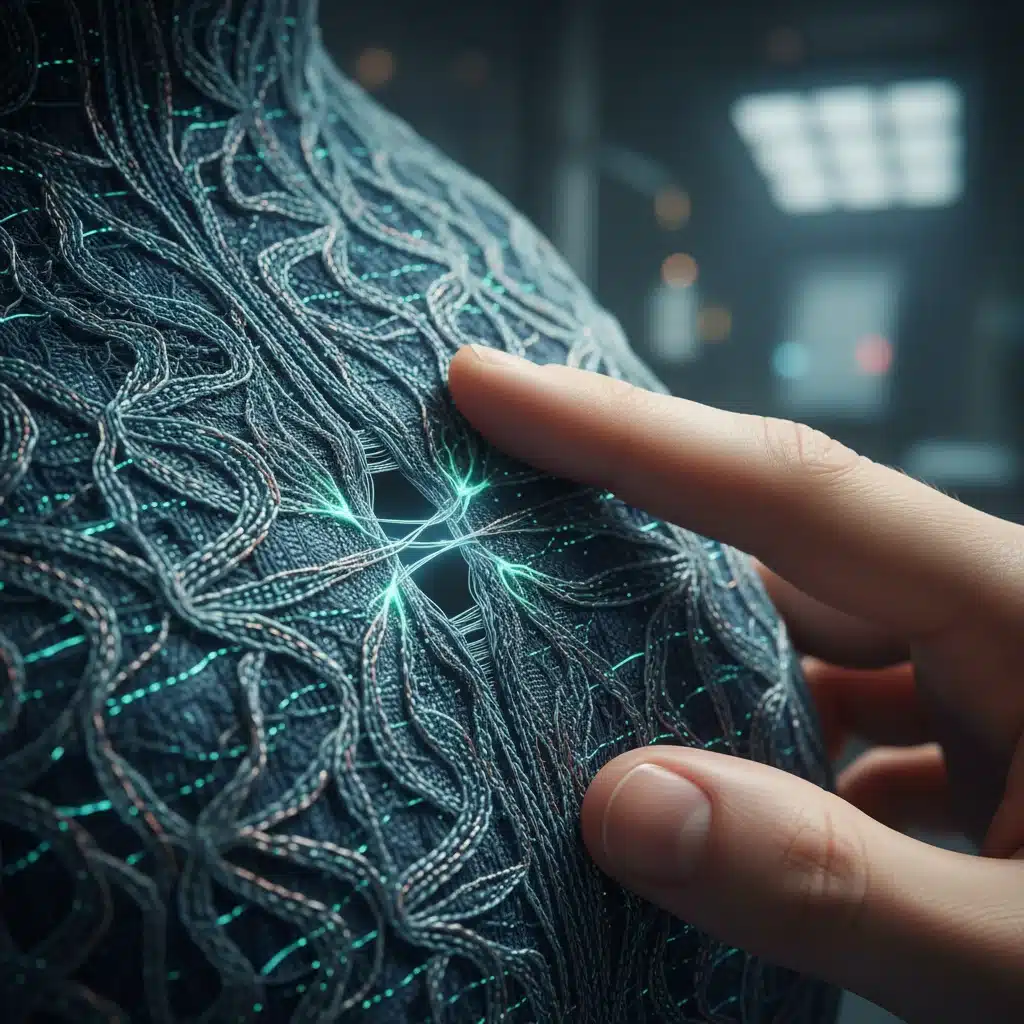
Imagine a shirt that repairs its own tiny tears, or a pair of jeans that automatically fixes a snag. This isn’t science fiction; it’s rapidly becoming reality thanks to self-healing bio-engineered fabrics, one of the most exciting Textile Innovations 2026. These revolutionary materials are designed to detect and repair minor damage, significantly extending the lifespan of garments and reducing textile waste.
How They Work: Biomimicry at Its Best
The concept of self-healing textiles draws inspiration from nature’s own repair mechanisms, such as those found in human skin or tree bark. Scientists are developing fabrics embedded with microscopic capsules containing healing agents. When a tear or puncture occurs, these capsules break open, releasing polymers or other chemical compounds that react with each other or with the fabric’s fibers to seal the damage. Other approaches involve incorporating living microorganisms or bio-responsive polymers that can regenerate damaged areas upon exposure to specific environmental triggers, like moisture or light.
One prominent example involves the use of specialized polymer coatings that can reform their bonds after being broken. Researchers at various institutions are experimenting with reversible covalent bonds or hydrogen bonds that allow the material to ‘flow’ back together and repair itself, often with the application of a small amount of heat or moisture. Another promising avenue is the integration of bacterial spores within the fabric structure. These bacteria, when activated by moisture (e.g., from a tear), can produce a limestone-like substance that fills and seals the breach.
Impact on U.S. Fashion Durability
The implications for U.S. fashion durability are profound. Garments made from self-healing fabrics would last considerably longer, as minor wear and tear, which often leads to premature disposal, would no longer be an issue. This translates to reduced consumption, less waste, and significant cost savings for consumers in the long run. For high-performance sportswear, outdoor gear, and even everyday apparel, the ability to self-mend offers an unprecedented level of resilience. Brands that adopt these materials will be able to market truly ‘everlasting’ garments, a powerful selling point in an increasingly sustainability-conscious market. This innovation also opens doors for specialized applications in medical textiles and protective wear, where fabric integrity is paramount.
2. Advanced Recycled Polyester Blends with Enhanced Strength
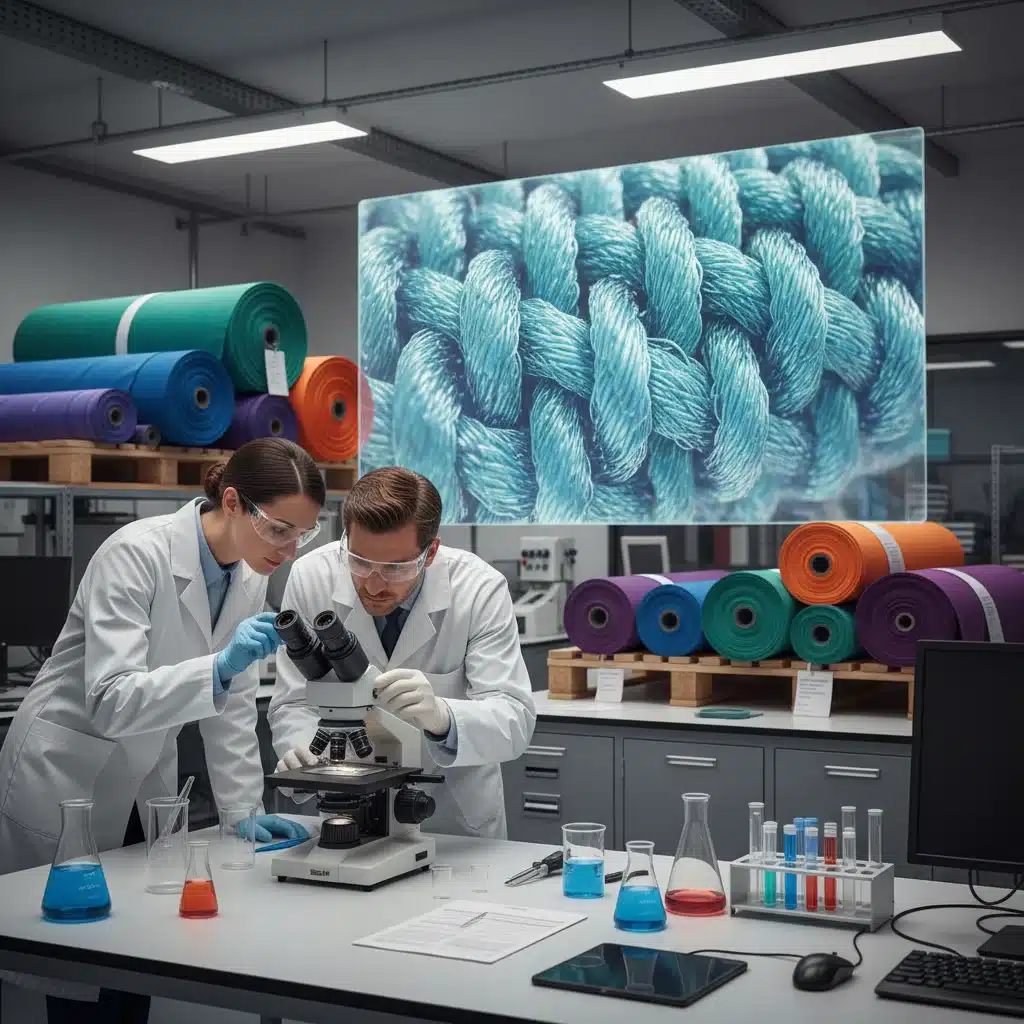
Recycled polyester has been a staple in sustainable fashion for some time, primarily derived from PET plastic bottles. However, traditional recycled polyester often faces challenges in terms of strength, drape, and overall performance when compared to virgin polyester. The second of our key Textile Innovations 2026 addresses this directly: advanced recycled polyester blends that not only boast superior strength but also offer enhanced tactile properties and versatility.
Beyond Bottle-to-Fiber: New Recycling Techniques
The innovation here isn’t just in using recycled content, but in the sophisticated processes that transform waste into high-performance fibers. New mechanical and chemical recycling methods are enabling the creation of recycled polyester with molecular structures almost identical to virgin polyester, or even superior in some aspects. Chemical recycling, for instance, breaks down polyester to its molecular components (monomers), which are then purified and re-polymerized into new, high-quality fibers. This method allows for infinite recycling loops without degradation of material quality, a significant leap forward from mechanical recycling, which often results in shorter, weaker fibers.
Furthermore, blends are key. Researchers are combining recycled polyester with other durable, sustainable fibers like organic cotton, Tencel (lyocell), or even specialized bio-based polymers to create composite materials that leverage the best properties of each component. These blends can offer improved tear resistance, abrasion resistance, and colorfastness, while also addressing issues like breathability and comfort that pure polyester sometimes lacks.
Revolutionizing Mainstream Fashion
The impact of these advanced recycled polyester blends on U.S. fashion durability is immense. They offer a sustainable alternative to virgin polyester without compromising on quality or performance. This means that activewear, outerwear, and even everyday apparel can be produced with a significantly reduced environmental footprint, using materials that are built to last. Brands can create collections that are not only eco-conscious but also meet the rigorous demands of modern life, offering garments that withstand intense physical activity, frequent washing, and prolonged exposure to the elements.
These improved recycled polyesters are also more amenable to various finishing treatments, allowing for water-repellent coatings, UV protection, and even antimicrobial properties, further enhancing their durability and functional lifespan. The widespread adoption of these materials will be a cornerstone of sustainable and durable fashion in the coming years, making high-quality, eco-friendly clothing more accessible and desirable.
3. Smart Textiles with Integrated Durability Sensors
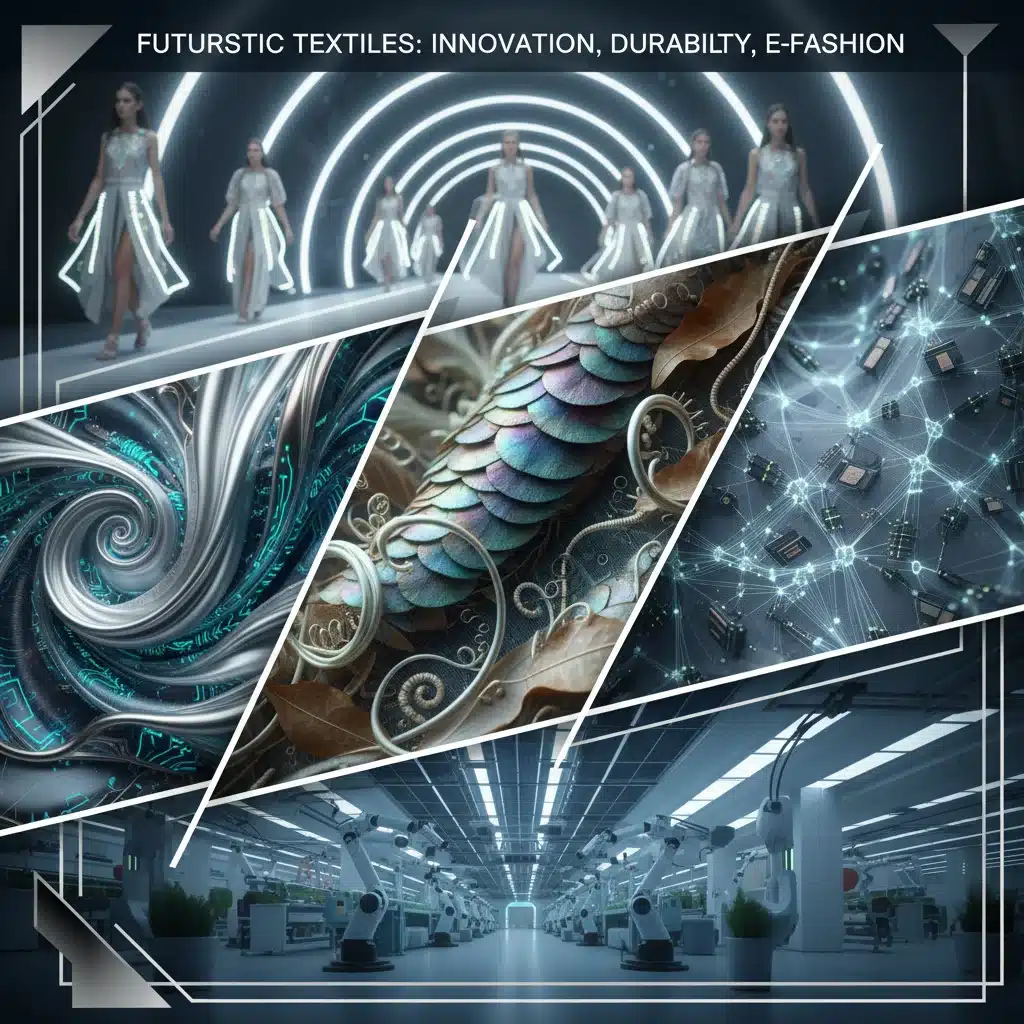
The concept of ‘smart’ textiles has been evolving, but the integration of durability sensors represents a pivotal advancement among Textile Innovations 2026. These aren’t just fabrics that can monitor your heart rate; they are fabrics that can monitor their own structural integrity, providing real-time data on wear and tear, and even predicting potential failure points.
How Smart Sensors Enhance Fabric Life
This innovation involves embedding micro-sensors, often made from conductive polymers or nanomaterials, directly into the fabric’s weave. These sensors can detect subtle changes in the fabric’s electrical resistance, elasticity, or even optical properties, which correlate to stress, strain, abrasion, or micro-damage. For instance, as a fabric begins to fray or thin in a particular area, the embedded sensors can register this change and communicate the data wirelessly to a connected device, such as a smartphone app.
The data collected can be used in several ways: to alert the wearer about impending damage, suggesting timely repair or preventative care; to inform manufacturers about the real-world performance of their products, leading to improved design and material selection; or even to guide automated repair processes in future self-healing scenarios. Some advanced concepts include sensors that can change color or emit light when damage is detected, offering immediate visual cues.
Applications in High-Performance and Everyday Wear
The applications for smart textiles with integrated durability sensors are vast. In high-performance sportswear, these fabrics could tell an athlete when their gear is losing its protective qualities or when it’s time for replacement, potentially preventing injuries. For workwear in hazardous environments, such as construction or industrial settings, these textiles could provide crucial safety alerts regarding the integrity of protective clothing. Even in everyday fashion, imagine a jacket that tells you when it needs re-waterproofing or when a seam is about to give way, allowing for proactive maintenance rather than reactive replacement.
This technology fundamentally shifts the relationship between consumer and garment from passive consumption to active management. It empowers consumers to make informed decisions about their clothing, extending its life through timely intervention and fostering a greater appreciation for the craftsmanship and materials involved. As these Textile Innovations 2026 become more sophisticated and cost-effective, they will play a crucial role in promoting a more durable and sustainable fashion ecosystem.
4. Mycelium-Based Leathers and Composites: Nature’s Answer to Durability
The quest for sustainable and durable alternatives to traditional animal leather and synthetic materials has led to remarkable breakthroughs in bio-fabrication. Mycelium-based leathers and composites stand out as a revolutionary category among Textile Innovations 2026, offering unparalleled sustainability combined with impressive durability and aesthetic versatility.
Growing Materials: The Power of Fungi
Mycelium is the root structure of fungi, a vast network of fine, thread-like cells. Scientists and bio-designers have discovered that by controlling the growth conditions of mycelium, it can be coaxed into forming dense, interconnected mats that mimic the structure and strength of leather. This process is remarkably sustainable: it requires significantly less water, land, and energy compared to traditional leather production, and it avoids the harmful chemicals associated with tanning. Furthermore, mycelium is a rapidly renewable resource, often grown on agricultural waste products.
Beyond leather alternatives, mycelium is also being developed into composite materials. By combining mycelium with other natural fibers or binders, researchers are creating lightweight, strong, and biodegradable composites that can be molded into various shapes. These composites exhibit excellent tensile strength, water resistance, and even fire-retardant properties, making them suitable for a wide range of applications beyond fashion, including packaging and construction.
Transforming Accessories and Apparel
For U.S. fashion, mycelium-based materials represent a game-changer, particularly in the luxury and accessories markets. Brands are already experimenting with mycelium leather for handbags, shoes, wallets, and even outer garments. These materials offer a premium look and feel, often indistinguishable from animal leather, but with a significantly smaller environmental footprint. Their inherent durability, resistance to abrasion, and ability to be treated with various finishes make them a highly desirable alternative.
The biodegradability of mycelium materials at the end of their life cycle is another significant advantage, addressing the ‘end-of-life’ problem that plagues many synthetic alternatives. As production scales up and costs come down, mycelium-based fabrics and composites are expected to move from niche luxury items to more mainstream apparel, offering consumers a truly sustainable and durable choice for their wardrobes. This innovation embodies the holistic approach to sustainability and durability that defines the future of textiles.
The Broader Impact of Textile Innovations 2026 on the U.S. Fashion Industry
The four categories of Textile Innovations 2026 discussed above are not isolated advancements; they are part of a larger, interconnected movement towards a more sustainable, resilient, and responsible fashion industry. Their widespread adoption promises to reshape the entire value chain, from design and manufacturing to retail and consumer behavior.
Supply Chain Transformation
The integration of these new materials will necessitate significant shifts in textile supply chains. Manufacturers will need to invest in new machinery and processes to handle novel fibers and integrate smart technologies. This could lead to a more localized and agile supply chain, reducing reliance on distant production centers and minimizing transportation-related emissions. Furthermore, the emphasis on circularity, through advanced recycling and bio-fabrication, will drive the development of robust collection and reprocessing infrastructure.
Design and Creativity
Designers will be empowered with an expanded palette of materials that offer unprecedented functionalities. Self-healing fabrics can inspire modular designs that allow for easy repair and customization. Smart textiles can lead to interactive garments that adapt to the wearer’s needs and environment. Mycelium-based materials open up new aesthetic possibilities, offering textures and finishes that challenge traditional perceptions of luxury. This creative freedom, coupled with a focus on durability, will foster a return to timeless, high-quality pieces rather than fleeting trends.
Consumer Engagement and Education
As these innovative textiles enter the market, consumer education will be paramount. Brands will need to clearly communicate the benefits of these materials – their durability, sustainability, and unique features – to justify potentially higher initial price points. Empowering consumers with knowledge about how to care for and utilize the smart features of their garments will be crucial for maximizing their lifespan and impact. The shift towards valuing longevity over disposability will become a defining characteristic of the conscious consumer.
Economic and Environmental Benefits
The economic benefits are substantial. While initial investments in R&D and manufacturing infrastructure may be high, the long-term gains include reduced material waste, lower energy consumption, and the creation of new high-tech jobs within the textile sector. Environmentally, these innovations offer a pathway to significantly reduce the fashion industry’s carbon footprint, water usage, and pollution. By extending the life of garments, they directly combat the pervasive problem of textile waste, moving us closer to a truly circular economy.
Challenges and the Path Forward
Despite their immense promise, the widespread adoption of these Textile Innovations 2026 is not without challenges. Cost remains a significant barrier for many novel materials, particularly in their early stages of development. Scaling up production to meet the demands of a global industry requires substantial investment and technological refinement. Furthermore, ensuring the biodegradability of bio-engineered materials and the recyclability of complex smart textiles at the end of their life cycles will require careful planning and industry-wide collaboration.
Regulatory frameworks will also need to evolve to support and incentivize the development and use of sustainable and durable textiles. Clear labeling standards for recycled content, bio-based materials, and product longevity will help consumers make informed choices. Collaboration between researchers, manufacturers, brands, and policymakers will be essential to overcome these hurdles and accelerate the transition towards a more sustainable and durable fashion future.
Conclusion: Weaving a Durable Future
The future of U.S. fashion is being woven with threads of innovation, responsibility, and resilience. The Textile Innovations 2026 – self-healing bio-engineered fabrics, advanced recycled polyester blends, smart textiles with integrated durability sensors, and mycelium-based leathers – represent a powerful force for change. They offer tangible solutions to the industry’s most pressing challenges, promising garments that are not only aesthetically pleasing but also robust, sustainable, and built to last.
As these cutting-edge fabrics move from laboratories to mainstream production, they will empower consumers to make more conscious choices, enable brands to build more responsible supply chains, and ultimately contribute to a healthier planet. The era of disposable fashion is slowly but surely giving way to a new paradigm where durability, innovation, and sustainability are inextricably linked. The textiles of tomorrow are not just about what we wear; they are about how we live, how we consume, and the legacy we leave behind. Embracing these innovations is not just a trend; it’s an investment in a more durable and sustainable future for fashion and beyond.