US Digital Fashion Brands: NFTs & 2026 Collections Integration
Advertisement
The Rise of Digital Fashion: How US Brands Are Integrating NFTs into Their 2026 Collections (RECENT UPDATES)
The fashion industry stands at the precipice of a monumental transformation, driven by technological advancements that are redefining creativity, ownership, and consumer engagement. Among these innovations, digital fashion and Non-Fungible Tokens (NFTs) have emerged as game-changers, particularly within the United States market. As we look towards 2026, US brands are not just experimenting with these concepts; they are deeply integrating them into the very fabric of their upcoming collections, setting a new standard for what it means to be fashionable in the 21st century.
This comprehensive exploration delves into the burgeoning world of digital fashion NFTs, examining how leading US brands are leveraging this technology to craft unique experiences, build stronger communities, and unlock unprecedented revenue streams. From virtual wearables for the metaverse to exclusive digital collectibles that complement physical haute couture, the synergy between fashion and blockchain is creating a vibrant new ecosystem.
Understanding Digital Fashion and NFTs: The New Frontier
Before diving into specific brand strategies, it’s crucial to grasp the foundational concepts. Digital fashion refers to clothing, accessories, and footwear designed and rendered using 3D software. These items exist purely in digital form and can be ‘worn’ by avatars in virtual worlds, used in augmented reality (AR) filters, or even showcased in digital campaigns. NFTs, on the other hand, are unique digital assets stored on a blockchain, verifying ownership and authenticity. When combined, digital fashion NFTs offer an immutable record of ownership for virtual garments, transforming them from mere images into valuable, tradable assets.
Advertisement
The Evolution of Fashion Ownership
Historically, fashion ownership has been tangible – a physical garment in one’s closet. However, the rise of digital fashion NFTs introduces a new paradigm. Owners of these digital assets possess verifiable proof of their unique item, which can appreciate in value, be traded on secondary markets, or serve as a status symbol within the metaverse. This shift is particularly appealing to Gen Z and millennial consumers who are digital natives and value unique online identities as much, if not more, than their physical ones.
Why US Brands Are Leading the Charge in Digital Fashion NFTs
The United States has long been a hub of innovation, and its fashion industry is no exception. Several factors contribute to US brands’ proactive adoption of digital fashion NFTs:
- Tech-Savvy Consumer Base: A significant portion of the US population is highly engaged with technology, gaming, and social media, making them prime candidates for digital fashion consumption.
- Investment Capital: The US market boasts robust venture capital and investment in tech-driven startups, providing the necessary funding for brands to explore and implement complex blockchain solutions.
- Cultural Influence: American pop culture significantly shapes global trends. By embracing digital fashion, US brands can set international precedents and influence future industry directions.
- Strong Brand Identity: Many US luxury and streetwear brands have established global recognition, allowing them to leverage their existing brand equity in the digital realm.
Key Strategies for Integrating Digital Fashion NFTs in 2026 Collections
The integration of digital fashion NFTs into 2026 collections is not a one-size-fits-all approach. Brands are experimenting with various strategies, each designed to cater to different consumer segments and business objectives.
Advertisement
1. Virtual Wearables for the Metaverse
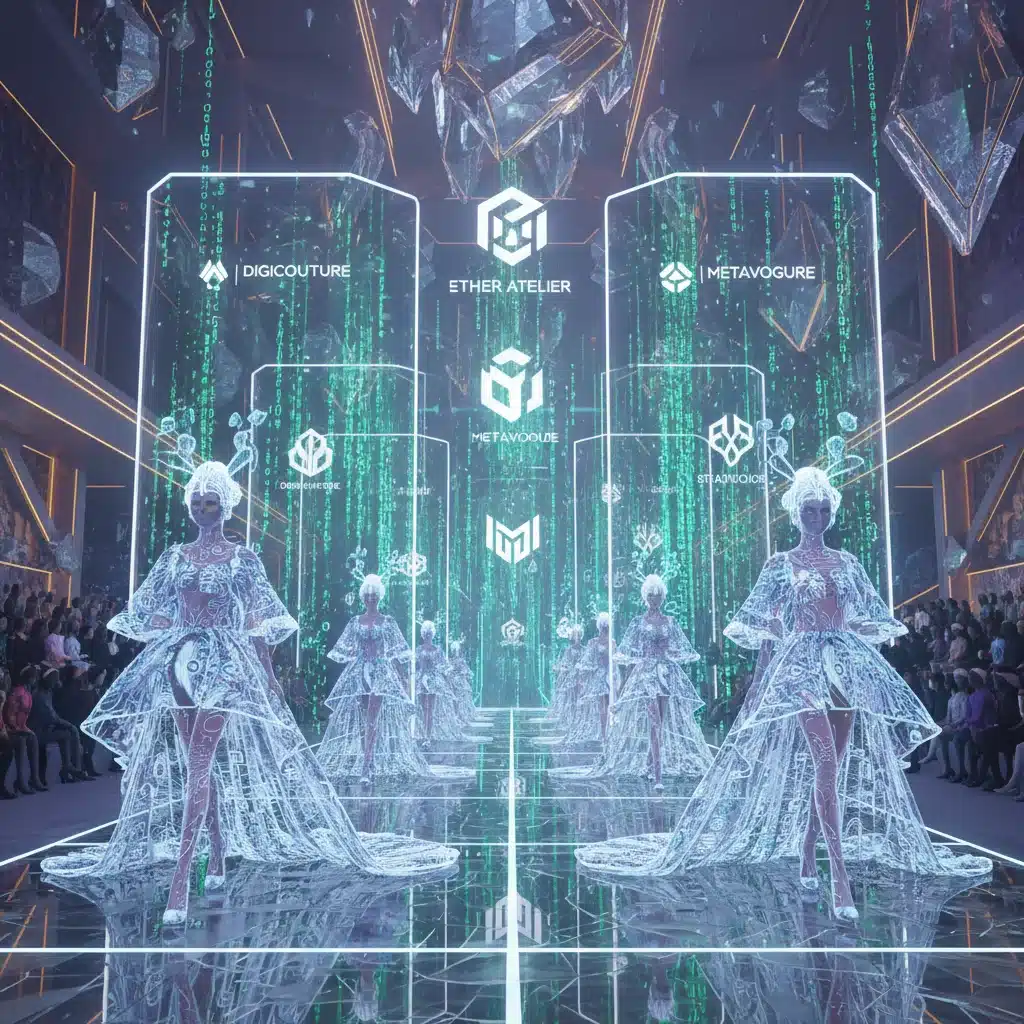
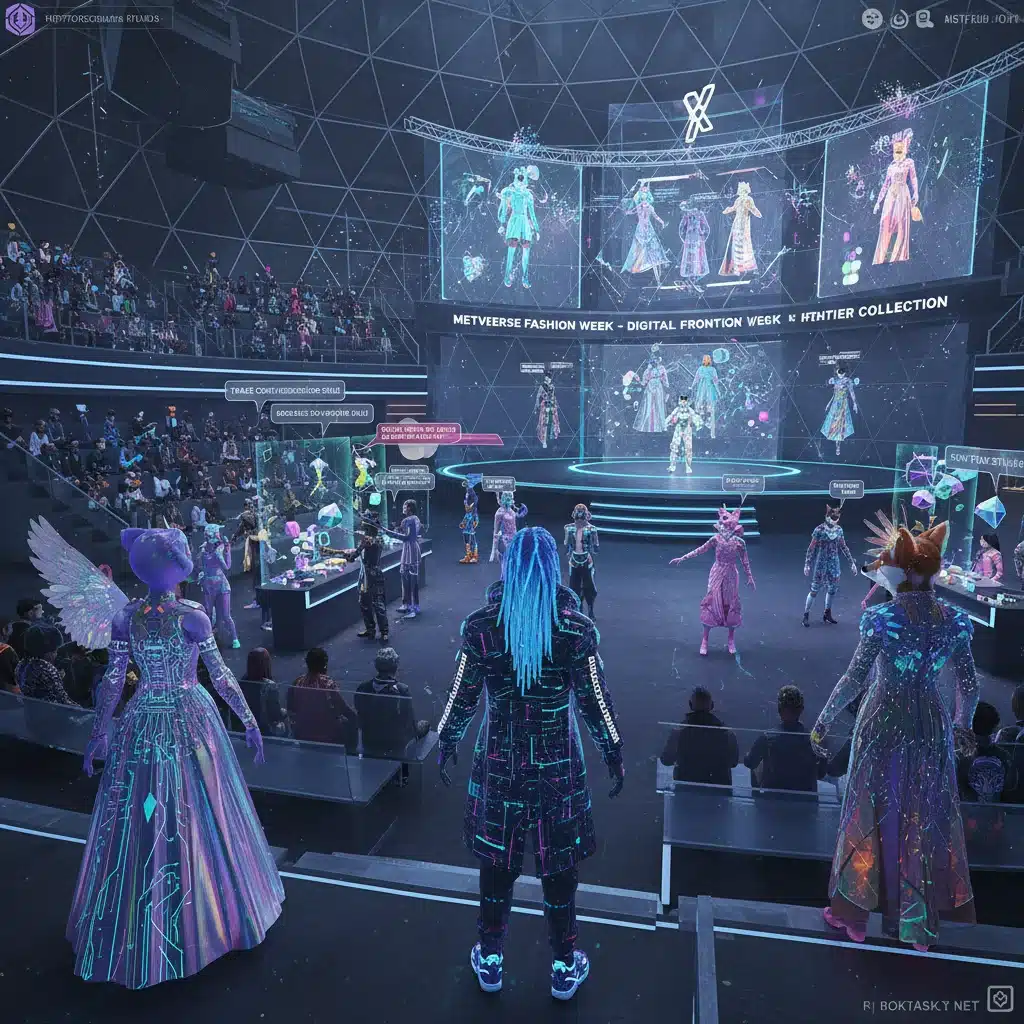
The metaverse, a persistent, interconnected virtual world, is the ultimate playground for digital fashion NFTs. Brands are designing entire collections specifically for avatars, allowing users to express their style in digital environments like Decentraland, The Sandbox, or Roblox. These virtual garments can range from exclusive, limited-edition pieces to more accessible items, mirroring the real-world fashion market. The appeal lies in the ability to project a distinct identity in virtual spaces, participate in virtual events, and showcase digital wealth.
2. Phygital Products: Bridging the Physical and Digital
Phygital products combine physical items with digital twins or NFT certificates. For 2026, many US brands are expected to launch collections where the purchase of a physical garment comes with a corresponding NFT. This NFT can serve multiple purposes: a certificate of authenticity, a digital wearable for an avatar, or access to exclusive online communities and experiences. This strategy enhances the value of physical purchases and introduces consumers to the world of digital fashion NFTs in a tangible way.
3. Exclusive NFT Collectibles and Art
Beyond wearable items, brands are also creating standalone NFT art pieces or collectibles that draw inspiration from their brand aesthetics. These might be digital sculptures, animated fashion editorials, or unique brand mascots, all tokenized as NFTs. These collectibles cater to art enthusiasts and collectors, offering a new avenue for brand engagement and luxury ownership. The scarcity and uniqueness inherent to NFTs make these items highly desirable.
4. Gamification and Interactive Experiences
Fashion brands are increasingly looking to gamify their offerings. Digital fashion NFTs can be integrated into games or interactive experiences, where users can earn, trade, or unlock special items. This approach drives engagement, builds brand loyalty, and introduces fashion to a younger, gaming-oriented demographic. Imagine a brand launching a virtual quest where completing challenges rewards players with exclusive NFT apparel for their avatars.
5. Decentralized Autonomous Organizations (DAOs) and Community Governance
Some forward-thinking US brands are exploring the potential of DAOs for their digital fashion NFTs initiatives. NFT holders might gain voting rights on future collection designs, brand collaborations, or even marketing strategies. This level of community involvement fosters a sense of ownership and belonging, transforming passive consumers into active participants and co-creators.
Leading US Brands Paving the Way in Digital Fashion NFTs
While specific 2026 collection details are often under wraps, several US brands have already made significant strides in the digital fashion NFTs space, offering a glimpse into future trends.
Nike and RTFKT Studios: A Metaverse Powerhouse
Nike’s acquisition of RTFKT Studios, a leading creator of virtual sneakers and collectibles, was a landmark moment. This move signaled a clear intent to dominate the digital fashion NFTs market. Nike has already launched various NFT collections, including virtual sneakers that can be ‘forged’ into physical pairs and avatar-based collectibles. Their 2026 collections are expected to feature deeply integrated digital components, offering consumers both physical and virtual iterations of their iconic footwear and apparel.
Tommy Hilfiger: Embracing the Metaverse Runway
Tommy Hilfiger has been an early adopter, participating in metaverse fashion weeks and launching digital-only collections. Their strategy often involves creating virtual versions of their classic designs, making them accessible to a global, digitally native audience. For 2026, expect Tommy Hilfiger to expand its metaverse presence, potentially offering more interactive experiences and exclusive digital fashion NFTs that grant access to VIP virtual events or unique brand content.
Coach: Luxury in the Digital Realm
Luxury brands like Coach are exploring how digital fashion NFTs can enhance exclusivity and brand heritage. While their approach might be more curated, expect them to leverage NFTs for limited-edition digital accessories, unique avatar enhancements, or as a verifiable proof of authenticity for their high-end physical products. The focus will likely be on maintaining the brand’s luxury appeal within digital spaces.
Gap: Bridging Mainstream Fashion with NFTs
Gap entered the NFT space with a collection of digital art featuring its iconic hoodies, demonstrating how mainstream brands can successfully engage with this technology. Their future endeavors in 2026 with digital fashion NFTs could involve more direct integration with their physical collections, perhaps offering digital twins or exclusive experiences tied to purchases, thereby democratizing access to NFT ownership.
Forever 21: Fast Fashion in the Metaverse
Even fast-fashion retailers like Forever 21 are recognizing the potential of digital fashion NFTs. By creating virtual stores and items within platforms like Roblox, they are tapping into a younger demographic eager to customize their avatars. Their 2026 strategy might involve rapidly iterating on digital designs, offering affordable NFT wearables, and leveraging user-generated content within their virtual ecosystems.
Challenges and Opportunities in the Digital Fashion NFTs Landscape
While the future of digital fashion NFTs looks bright, there are inherent challenges that brands must navigate, alongside significant opportunities.
Challenges:
- Technological Complexity: Developing and managing blockchain-based assets requires specialized expertise, which can be a barrier for some brands.
- Market Volatility: The NFT market can be highly volatile, with prices fluctuating significantly. Brands need robust strategies to manage this risk.
- Intellectual Property Rights: Protecting digital designs and preventing counterfeiting in the metaverse is an ongoing challenge, though blockchain offers some solutions.
- Environmental Concerns: The energy consumption associated with certain blockchain networks has raised environmental concerns, pushing brands towards more sustainable blockchain solutions.
- Consumer Education: Many consumers are still unfamiliar with NFTs and their value, requiring brands to invest in education and user-friendly interfaces.
Opportunities:
- New Revenue Streams: Selling digital assets, licensing designs for virtual worlds, and earning royalties on secondary market sales open up entirely new income possibilities.
- Enhanced Brand Engagement: NFTs can foster deeper connections with consumers, creating loyal communities and interactive brand experiences.
- Global Reach: Digital fashion transcends geographical boundaries, allowing brands to reach a global audience without the logistical complexities of physical distribution.
- Sustainability: Digital fashion reduces the environmental impact associated with physical production, such as textile waste and carbon emissions.
- Innovation and Creativity: The digital realm offers limitless creative possibilities, unfettered by the constraints of physical materials and manufacturing processes.
The Role of Blockchain Technology in Securing Digital Fashion NFTs
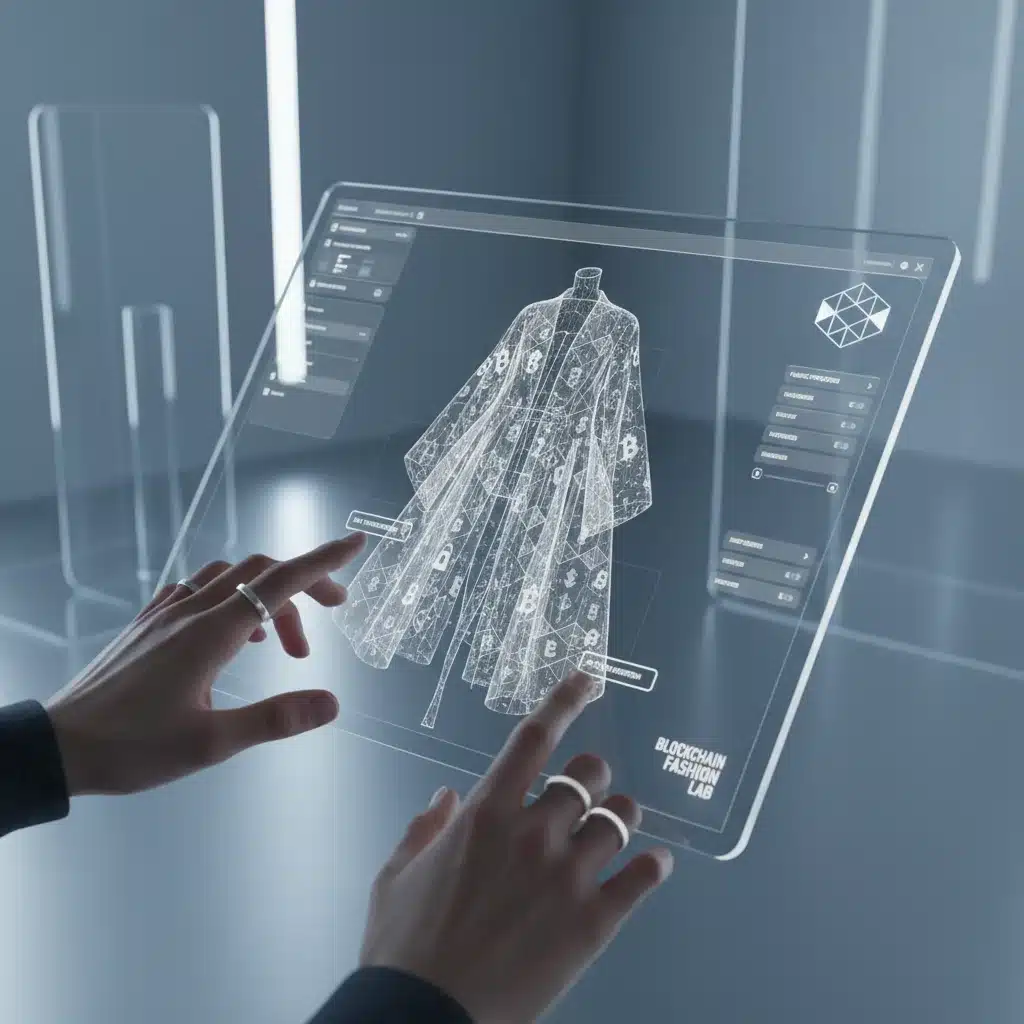
At the heart of digital fashion NFTs lies blockchain technology. This decentralized, immutable ledger system provides the framework for verifying ownership, tracking transactions, and ensuring the scarcity of digital assets. For fashion brands, blockchain offers several critical advantages:
Authenticity and Provenance
Each NFT is unique and its ownership history is recorded on the blockchain, making it impossible to counterfeit or duplicate. This provides undeniable proof of authenticity, a crucial factor in the luxury market. Consumers can verify that their digital fashion NFTs are genuine and originate from the brand.
Transparency and Trust
The transparent nature of blockchain transactions builds trust between brands and consumers. Every sale, transfer, and creation event is publicly verifiable, reducing fraud and increasing confidence in the digital marketplace.
Smart Contracts and Royalties
Smart contracts, self-executing agreements stored on the blockchain, can be programmed to automatically pay royalties to the original creator every time an NFT is resold on a secondary market. This creates a continuous revenue stream for designers and brands, incentivizing further innovation in digital fashion NFTs.
Decentralized Ownership
Unlike traditional digital goods that are often tied to specific platforms, NFTs offer true decentralized ownership. Once purchased, the digital fashion NFT belongs to the buyer, who can then use it across various compatible metaverses or sell it independently, without relying on a central authority.
The Future Outlook: Beyond 2026 for Digital Fashion NFTs
Looking beyond 2026, the integration of digital fashion NFTs is expected to deepen and become even more sophisticated. We can anticipate:
- Hyper-Personalization: AI-driven tools will enable consumers to design and customize their own digital fashion NFTs, with brands providing the foundational templates and frameworks.
- Interoperability: The ability to seamlessly transfer digital fashion items across different metaverse platforms will become standard, enhancing the utility and value of NFTs.
- Augmented Reality Integration: More advanced AR applications will allow consumers to ‘wear’ digital fashion items in the real world through their smart devices, blurring the lines between physical and digital.
- Sustainability as a Core Tenet: Brands will increasingly highlight the sustainable aspects of digital fashion, offering eco-conscious consumers an alternative to traditional, resource-intensive production methods.
- Fashion Education and Training: New educational programs will emerge to train the next generation of designers and developers in 3D modeling, blockchain integration, and metaverse fashion creation.
Conclusion: The Irreversible Shift Towards Digital Fashion NFTs
The journey of digital fashion NFTs from niche concept to mainstream adoption is accelerating at an unprecedented pace. US brands, with their innovative spirit and access to cutting-edge technology, are at the forefront of this revolution. Their 2026 collections will serve as a testament to the transformative power of blending fashion with blockchain, offering consumers unparalleled opportunities for self-expression, ownership, and community engagement in both virtual and physical realms.
As the metaverse expands and digital identities become increasingly important, digital fashion NFTs will not just be an add-on; they will be an intrinsic part of a brand’s identity and a consumer’s lifestyle. The brands that embrace this shift with foresight and creativity will be the ones that define the future of fashion, leaving an indelible mark on an industry that is constantly reinventing itself. The era of digital fashion is here, and it’s more exciting and accessible than ever before.
The convergence of creativity, technology, and commerce is creating a vibrant new chapter for fashion. For consumers, this means more personalized, sustainable, and engaging ways to interact with their favorite brands. For brands, it signifies new avenues for growth, innovation, and global reach. The year 2026 will undoubtedly be a pivotal moment, showcasing the full potential of digital fashion NFTs and solidifying their place in the fashion lexicon.