Understanding Veterans’ Benefits in 2026: Essential Updates for Service Members and Families
As we approach 2026, the landscape of veterans’ benefits continues to evolve, bringing crucial updates that service members, veterans, and their families need to understand. Navigating the myriad programs and services offered by the Department of Veterans Affairs (VA) can be complex, but staying informed is key to maximizing the support available. This comprehensive guide is designed to break down the most significant changes and provide a clear roadmap to understanding your entitlements. Our focus will be on the critical updates to veterans benefits 2026, ensuring you are well-prepared for what lies ahead.
The VA regularly reviews and adjusts its policies to better serve the veteran community. These adjustments can range from cost-of-living adjustments (COLAs) for disability compensation and pensions to changes in eligibility criteria for healthcare, education, and housing programs. For many, these benefits are a lifeline, providing essential resources for a stable and fulfilling post-service life. Whether you are a recently separated service member, a long-time veteran, or a family member supporting a veteran, understanding these updates is paramount. We will delve into key areas such as healthcare enhancements, educational opportunities, housing assistance, and disability compensation, highlighting what’s new and what remains steadfast in the realm of veterans benefits 2026.
Our goal is to demystify the process and provide actionable insights. We’ll cover how to access new resources, what changes might impact existing benefits, and how to prepare for the application process for any new or modified programs. By the end of this article, you will have a clearer picture of the support available and feel more confident in advocating for your rights and those of your loved ones. Let’s embark on this journey to explore the essential updates to veterans benefits 2026.
Advertisement
Key Changes in VA Healthcare for 2026
Healthcare is a cornerstone of veterans’ benefits, and 2026 brings several important modifications and enhancements to VA health services. The VA continually strives to improve access to quality care, mental health services, and specialized treatments. One of the primary areas of focus for veterans benefits 2026 in healthcare is the expansion of telehealth services. Building on the accelerated adoption during recent years, the VA is investing further in virtual care options, making it easier for veterans in rural or underserved areas to connect with specialists without the need for extensive travel.
Specific updates include potential changes to eligibility criteria for certain specialized programs, particularly those addressing chronic conditions and mental health. There may be streamlined processes for accessing community care, allowing veterans greater flexibility in choosing providers outside the VA system when eligible. Furthermore, funding increases are anticipated for specific research initiatives aimed at conditions prevalent among veterans, such as TBI (Traumatic Brain Injury), PTSD (Post-Traumatic Stress Disorder), and exposure-related illnesses. These initiatives could lead to new treatment protocols and improved diagnostic tools, directly impacting the quality of care received by veterans. It is crucial for veterans to review their current enrollment status and understand any new eligibility requirements or expanded services that might apply to them in 2026. Keeping abreast of these healthcare changes is a vital part of understanding veterans benefits 2026.
Another significant aspect of healthcare updates for 2026 revolves around prescription drug coverage and formulary adjustments. The VA’s pharmacy benefits are comprehensive, but changes to drug availability, co-pays, or preferred medications can occur. Veterans should expect communications from the VA regarding any such changes that might affect their current prescriptions. Preventive care initiatives are also receiving renewed emphasis, with programs designed to promote healthier lifestyles and early detection of diseases. This proactive approach aims to improve long-term health outcomes for veterans, reducing the burden of chronic illness. Staying informed about these nuances will ensure veterans can fully leverage their healthcare veterans benefits 2026.
Advertisement
Education Benefits: GI Bill and Beyond in 2026
For many veterans, education benefits represent a pathway to new careers and personal growth. The Post-9/11 GI Bill remains one of the most robust educational programs, and 2026 may see adjustments to its provisions, as well as other related educational assistance programs. These changes could include modifications to housing allowances (BAH), tuition caps, or eligibility for specific types of training and certifications. It’s essential for current and prospective students to verify the latest rates and requirements to plan their academic journeys effectively. The VA’s commitment to supporting veteran education is unwavering, but the mechanisms of delivery can be refined over time.
Beyond the traditional GI Bill, there’s an increasing focus on vocational training and non-traditional educational paths. Veterans benefits 2026 may introduce enhanced support for coding bootcamps, trade schools, and apprenticeships, recognizing the diverse needs and career aspirations of today’s veterans. These programs often lead to high-demand jobs and offer quicker entry into the workforce. Family members, particularly spouses and dependents, should also investigate any updates to transferred GI Bill benefits or other educational assistance programs available to them. The Survivors’ and Dependents’ Educational Assistance (DEA) program, for instance, might see adjustments that impact eligibility or benefit amounts. Regularly checking the VA’s official education benefits website is the best way to stay current on these crucial updates for veterans benefits 2026.
Furthermore, the VA is likely to continue its efforts to combat predatory educational institutions. Updates in 2026 could include strengthened oversight and consumer protection measures, ensuring that veterans’ educational investments are safeguarded. Resources for academic and career counseling are also expected to be bolstered, providing veterans with personalized guidance to make informed decisions about their educational pursuits. These support services are invaluable for navigating the complexities of higher education and career transitions. Understanding the full scope of educational veterans benefits 2026 is a critical step towards future success.
Housing Assistance and Loan Programs Updates for 2026
Securing stable housing is a primary concern for many veterans and their families. The VA Home Loan Guaranty Program is one of the most significant veterans benefits 2026, offering eligible veterans and service members the opportunity to purchase, build, or refinance a home with favorable terms, often without a down payment. For 2026, potential updates could include adjustments to loan limits (though these are often tied to conforming loan limits set by federal housing finance agencies), changes to funding fees, or modifications to eligibility requirements for certain types of loans, such as Native American Direct Loans (NADL).
Beyond home loans, the VA offers various programs to assist homeless veterans or those at risk of homelessness. These programs, such as the HUD-VASH program (Housing and Urban Development-Veterans Affairs Supportive Housing), are continually evaluated and refined. In 2026, there may be increased funding or expanded criteria for these supportive housing initiatives, aiming to reduce veteran homelessness nationwide. Veterans should be aware of these resources and how to access them, as they provide critical support during challenging times. Understanding these housing-related veterans benefits 2026 is essential for financial stability.
Additionally, adaptive housing grants, designed to help seriously disabled veterans modify their homes to improve accessibility, may also see updates. These grants, including the Specially Adapted Housing (SAH) and Special Home Adaptation (SHA) grants, are invaluable for enhancing the quality of life for veterans with service-connected disabilities. Any changes to maximum grant amounts or eligibility criteria would be significant for those planning home modifications. Veterans and their families are encouraged to consult with VA housing specialists to understand the latest guidelines and maximize their housing veterans benefits 2026.
Disability Compensation and Pension Adjustments for 2026
Disability compensation is a cornerstone of veterans benefits 2026, providing monthly tax-free payments to veterans with service-connected disabilities. Each year, these rates are subject to a Cost-of-Living Adjustment (COLA), which is typically tied to the Social Security Administration’s COLA. Veterans should anticipate an announcement regarding the 2026 COLA towards the end of 2025, which will impact the monthly compensation rates for all disability ratings. These adjustments are vital for ensuring that benefits keep pace with inflation and maintain purchasing power for veterans and their families.
Beyond COLAs, there could be procedural changes in how disability claims are processed and adjudicated. The VA continuously seeks to streamline its claims process, aiming for greater efficiency and accuracy. Updates in 2026 might involve new technologies for submitting evidence, revised guidelines for medical examinations, or changes in how specific conditions are rated. Veterans filing new claims or seeking to appeal existing decisions should familiarize themselves with any procedural modifications to ensure their claims are handled effectively. Accessing accurate information on these changes is a critical component of understanding veterans benefits 2026.
Pension programs, such as the Veterans Pension and Survivors Pension, also provide financial assistance to low-income wartime veterans and their surviving spouses and children. Like disability compensation, these pension rates are also subject to annual COLAs. Eligibility criteria for these income-based programs are strict and may be subject to minor adjustments related to income and asset thresholds. It’s crucial for beneficiaries to report any changes in income or family status to the VA promptly to avoid overpayments or interruptions in benefits. Staying informed about these financial adjustments is key to maximizing veterans benefits 2026.
Support for Military Families and Survivors in 2026
The support offered to military families and survivors is an integral part of veterans benefits 2026. Spouses, children, and parents of service members and veterans are often eligible for various forms of assistance, including healthcare, education, and financial aid. For 2026, there may be updates to programs like the TRICARE health insurance for military families, potentially involving changes to premiums, co-pays, or covered services. Families should review the latest TRICARE information to understand any impacts on their healthcare coverage.
Survivors’ benefits, such as Dependency and Indemnity Compensation (DIC) for eligible survivors of service members who died on active duty or veterans who died from service-connected disabilities, will also see annual COLA adjustments. Furthermore, there might be legislative efforts to expand eligibility or increase benefit amounts for certain survivor groups. The VA also offers counseling, grief support, and financial literacy programs specifically tailored for survivors. These resources are invaluable in helping families navigate the challenges following the loss of a loved one. Understanding the comprehensive support available to military families and survivors is a vital aspect of veterans benefits 2026.

Educational assistance for survivors, as mentioned earlier with the DEA program, is another area to monitor for updates. These benefits can significantly ease the financial burden of pursuing higher education for eligible family members. Additionally, employment resources and career counseling services are often available to spouses of service members and veterans, helping them achieve their professional goals. The VA’s commitment extends beyond the veteran to encompass the entire family unit, recognizing the sacrifices made by all. Staying informed about these family-specific veterans benefits 2026 ensures that no one is left behind.
How to Stay Informed and Access Your Benefits in 2026
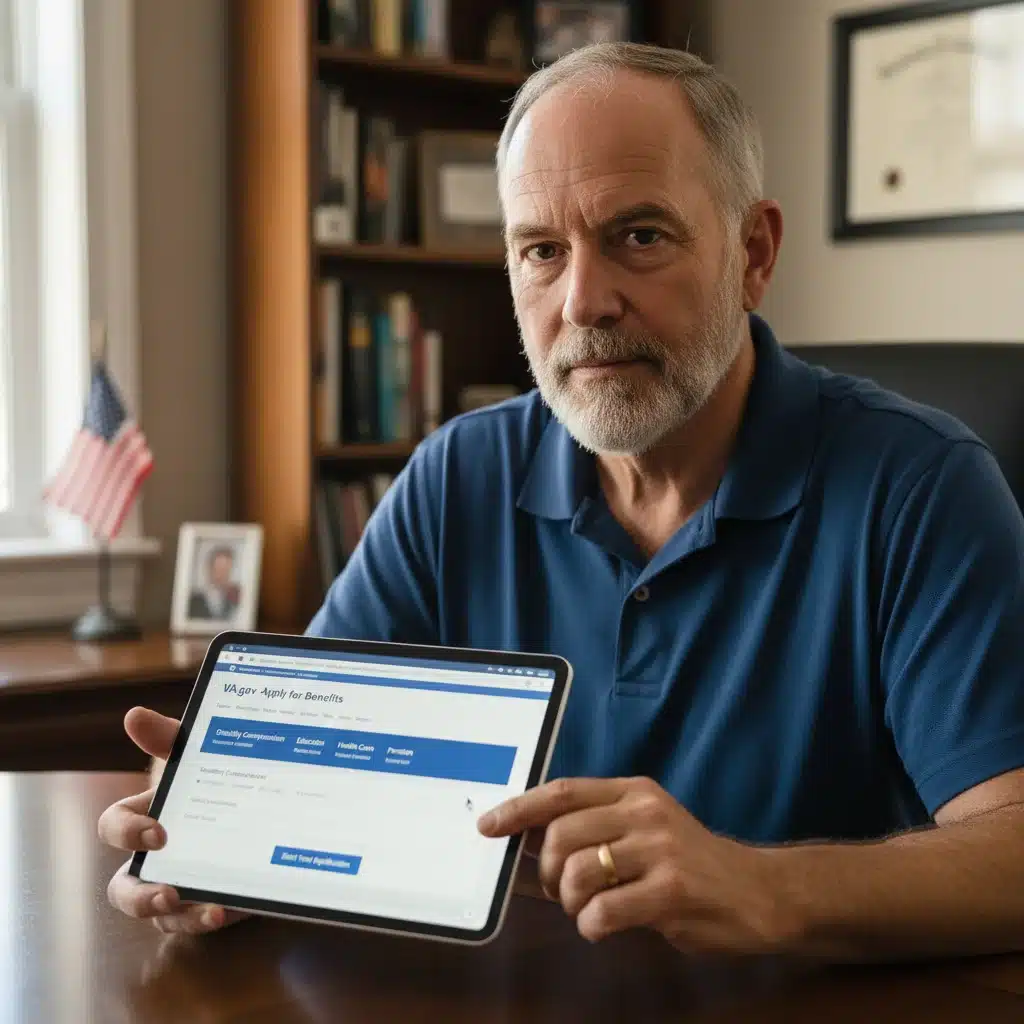
Staying current with changes to veterans benefits 2026 requires proactive engagement. The VA’s official website, VA.gov, is the primary and most reliable source for the latest information. Regularly checking this site for news releases, policy updates, and program changes is highly recommended. Subscribing to VA newsletters and alerts can also provide timely notifications directly to your inbox. Additionally, social media channels managed by the VA often share important updates and resources.
Engaging with veteran service organizations (VSOs) like the American Legion, Veterans of Foreign Wars (VFW), Disabled American Veterans (DAV), and others is another excellent way to stay informed. These organizations have accredited service officers who are experts in VA benefits and can provide personalized assistance with claims, appeals, and understanding eligibility. They often host informational sessions and workshops that can be invaluable for learning about specific updates to veterans benefits 2026.
For those with existing benefits, monitoring your VA account online through My HealtheVet or the My VA portal is crucial. These platforms provide personalized information about your specific benefits, appointment schedules, and claim statuses. Any communications from the VA, whether by mail or electronically, should be reviewed carefully. If you have questions or need clarification, do not hesitate to contact the VA directly through their toll-free numbers or by visiting a local VA facility.
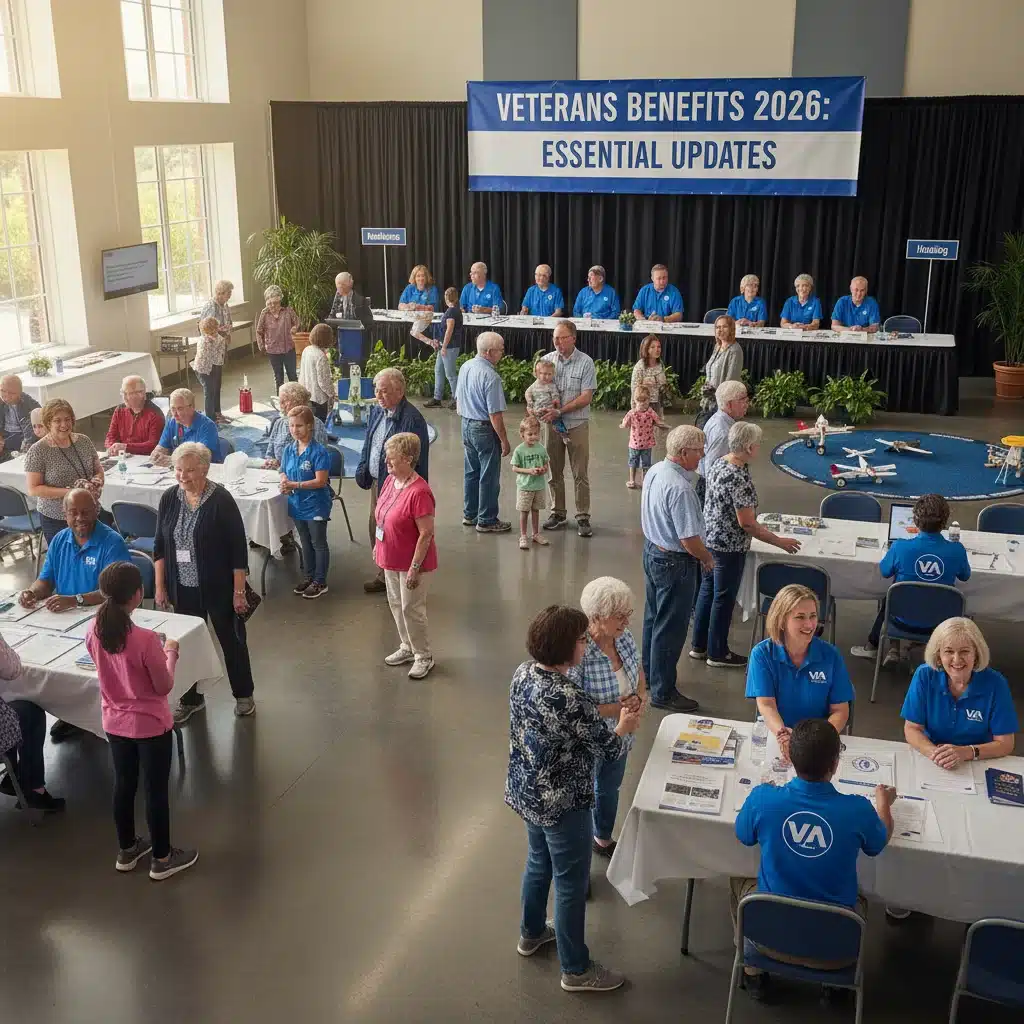
Finally, attending local VA outreach events, benefits fairs, and town halls can provide opportunities to speak directly with VA representatives and ask specific questions about your situation. These events are often announced on local VA facility websites or through VSO networks. Leveraging all available resources will ensure you are fully informed about the essential updates to veterans benefits 2026 and can access all the support you are entitled to.
Preparing for the Future: A Proactive Approach
A proactive approach is the best strategy when it comes to managing and maximizing your veterans benefits 2026. This includes keeping thorough records of your service, medical history, and any previous claims or interactions with the VA. Digital copies, along with secure physical backups, are advisable. Organize your documents, including discharge papers (DD-214), medical records, marriage certificates, birth certificates, and any other relevant legal documents. Having these readily accessible will significantly expedite any application or appeal process.
Regularly review your existing benefits to ensure they accurately reflect your current situation. Life events such as marriage, divorce, birth of a child, or changes in health status can impact eligibility or benefit amounts. Promptly reporting these changes to the VA is not only a requirement but also ensures you receive the correct level of support. For example, a change in dependency status can affect disability compensation rates or eligibility for certain family benefits. Being diligent in these administrative tasks is a key aspect of effectively managing veterans benefits 2026.
Consider seeking professional advice from accredited VA claims agents or attorneys if you encounter complex issues or face denials. While VSOs offer excellent free assistance, certain situations may warrant specialized legal expertise. These professionals can provide guidance on navigating appeals, understanding complex legal precedents, and ensuring your case is presented effectively. Investing in such advice can be crucial for securing the benefits you deserve. Taking these proactive steps will empower you to confidently navigate the evolving landscape of veterans benefits 2026.
Conclusion: Empowering Veterans and Families in 2026
The year 2026 promises continued evolution in the realm of veterans’ benefits, with ongoing efforts to enhance support for those who have served our nation and their families. From expanded telehealth options in healthcare and diversified educational pathways to stable housing assistance and inflation-adjusted disability compensation, the VA’s commitment remains steadfast. However, the onus is also on veterans and their families to stay informed, proactive, and engaged with the resources available.
By understanding the key updates in healthcare, education, housing, and disability compensation, you can better plan for your future and ensure you receive every benefit you are entitled to. Utilize the VA’s official channels, connect with reputable veteran service organizations, and maintain meticulous records. Your service is valued, and the benefits you’ve earned are a testament to your sacrifice. Embrace the changes, seek clarification when needed, and leverage the support systems in place. Being well-informed about veterans benefits 2026 is not just about entitlements; it’s about empowering a successful and dignified life after service. We hope this guide serves as a valuable resource in your journey to understanding and accessing the vital support that awaits you and your loved ones.