Footwear Trends for 2026: 3 Essential Shoe Styles You Need to Own
Advertisement
The footwear landscape for 2026 is defined by a convergence of sustainability, advanced adaptive technologies, and refined minimalist aesthetics, shaping essential shoe styles for the modern consumer.
As we step into 2026, the world of fashion continues to evolve at an unprecedented pace, with footwear leading the charge. Understanding the emerging 2026 footwear trends is crucial for anyone looking to stay ahead in style and comfort. This year, we’re witnessing a fascinating blend of innovation, practicality, and conscious design that redefines what we consider essential. Get ready to explore the must-have shoe styles that will dominate the fashion scene.
The Rise of Sustainable Footwear: Eco-Conscious Comfort
In 2026, sustainability is no longer a niche concern; it’s a foundational pillar of footwear design. Consumers are increasingly demanding transparency and ethical practices from brands, pushing manufacturers to innovate with eco-friendly materials and production methods. This shift has led to an exciting array of stylish yet responsible options that don’t compromise on comfort or aesthetics.
The focus on sustainable footwear goes beyond just recycled materials. It encompasses the entire lifecycle of a shoe, from sourcing raw materials to end-of-life disposal. Brands are investing heavily in research and development to create biodegradable components, close-loop manufacturing systems, and even shoes that can be easily disassembled for recycling.
Advertisement
Innovative Materials Defining Eco-Footwear
The material science behind sustainable shoes has made significant strides. We’re seeing a wider adoption of plant-based leathers, organic cotton, and recycled plastics, but also new, cutting-edge alternatives that offer superior performance and durability.
- Mycelium-based Leathers: Derived from fungi, these materials offer a luxurious feel and remarkable durability, mimicking traditional leather without animal cruelty or environmental impact.
- Algae-based Foams: Used in midsoles and insoles, these provide excellent cushioning while cleaning waterways during harvesting.
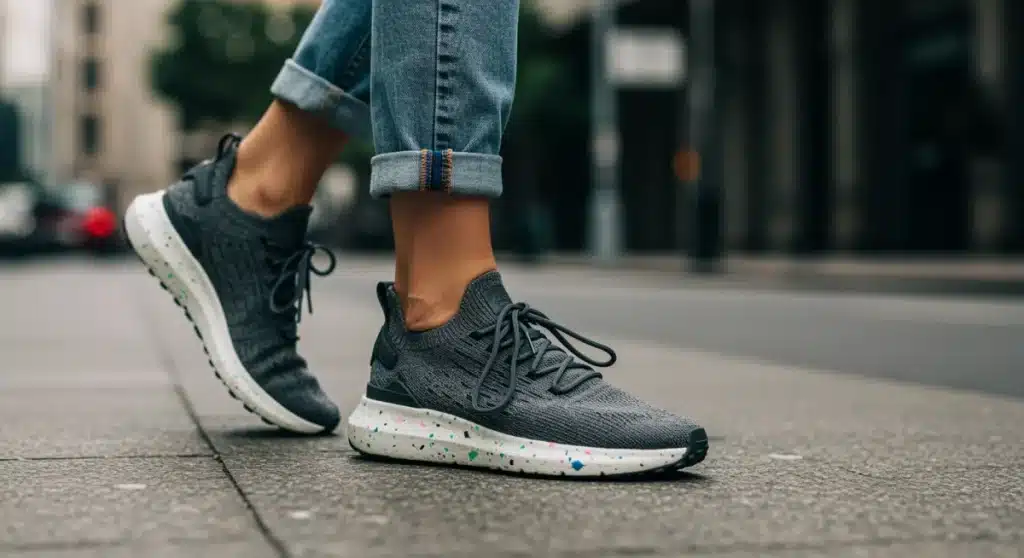
- Recycled Ocean Plastics: High-performance textiles made from plastic waste collected from oceans continue to be a staple, transformed into breathable and robust uppers.
- Bio-engineered Fabrics: Advances in biotechnology allow for the creation of fabrics with specific properties, such as enhanced breathability or water resistance, using minimal resources.
These material innovations are not just about being green; they are about creating a new standard for quality and performance in footwear. The eco-conscious consumer no longer has to choose between their values and their desire for stylish, comfortable shoes.
The Circular Economy in Shoe Production
The concept of a circular economy is gaining significant traction in the footwear industry. This model aims to eliminate waste and pollution, circulate products and materials, and regenerate nature. For shoes, this means designing for longevity, repairability, and ultimately, recyclability.
Advertisement
Many brands are now offering take-back programs, where old shoes can be returned to be repurposed or recycled into new products. This not only reduces landfill waste but also encourages a more mindful consumption pattern among buyers. The trend is moving towards shoes that are not just bought, but invested in for their extended lifespan and eventual reincarnation.
In conclusion, sustainable footwear for 2026 is a testament to how fashion can be a force for good. It combines innovative materials, ethical production, and a commitment to environmental responsibility, all while delivering designs that are both beautiful and functional. This trend is set to redefine our expectations of what shoes can and should be.
Adaptive Footwear: Personalized Comfort and Performance
Beyond sustainability, another transformative trend for 2026 is adaptive footwear. This category focuses on shoes that dynamically adjust to the wearer’s needs, offering unparalleled comfort, support, and performance. Whether for athletic endeavors, daily wear, or specialized medical requirements, adaptive shoes are leveraging technology to create truly personalized experiences.
The core of adaptive footwear lies in its ability to respond to external stimuli or internal biometric data. This can range from automated lacing systems that adjust fit on the fly to materials that change their properties based on temperature or pressure. The aim is to create a seamless extension of the foot, enhancing natural movement and preventing discomfort or injury.
Smart Lacing and Fit Systems
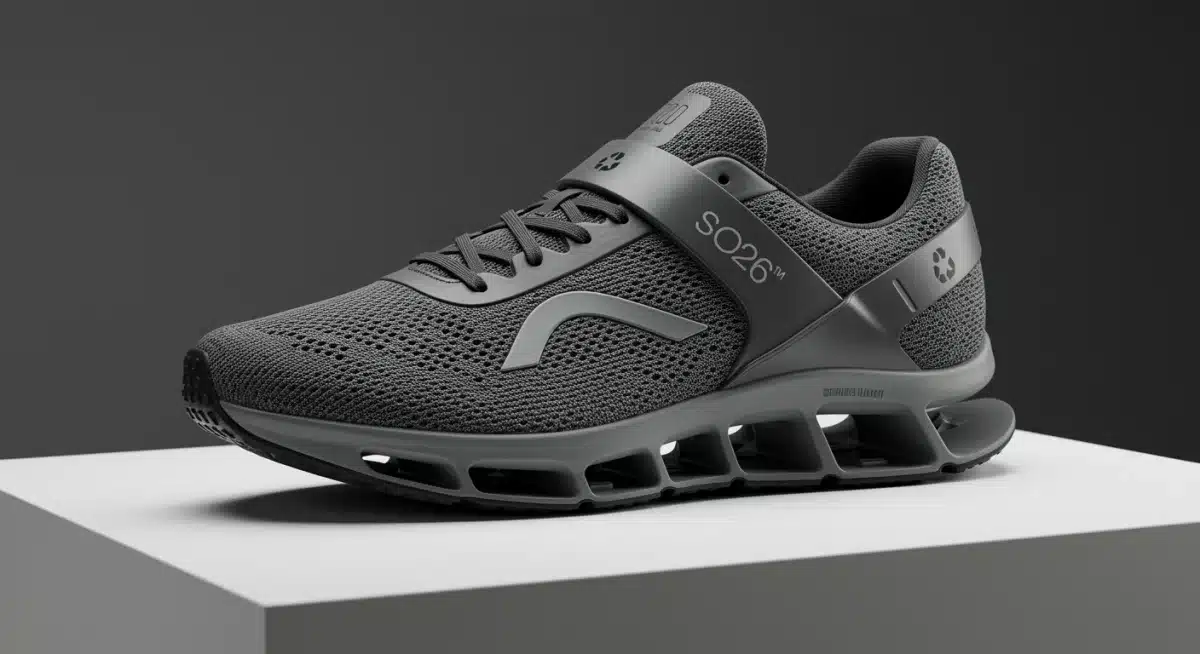
The days of manually tying laces might soon be a distant memory for many. Smart lacing systems are becoming more sophisticated, using micro-motors and sensors to provide a precise, customized fit with the touch of a button or even through integrated apps.
- Automatic Tension Adjustment: Shoes can detect changes in foot swelling or activity levels and automatically adjust tension for optimal comfort and support.
- Biometric Integration: Some models connect to wearable tech, using heart rate or gait analysis to fine-tune fit during exercise.
- Personalized Profiles: Users can save preferred fit settings for different activities, allowing for quick transitions between a relaxed fit for casual wear and a snug fit for running.
These systems not only enhance comfort but also improve performance, ensuring the foot is securely and correctly supported, reducing the risk of blisters, chafing, and other common footwear-related issues.
Responsive Materials and Ergonomic Design
Adaptive footwear also heavily relies on advanced materials that can react to the wearer’s environment and body. These materials are engineered to provide dynamic support and cushioning, adapting to the unique contours and movements of each individual foot.
Ergonomic design principles are at the forefront, ensuring that every curve and component of the shoe works in harmony with the foot’s natural biomechanics. This leads to shoes that feel custom-made, reducing fatigue and enhancing overall well-being. From responsive foams that provide energy return to temperature-regulating fabrics, the technology woven into these shoes is truly remarkable.
In essence, adaptive footwear is about empowering the wearer. It’s about providing shoes that not only look good but actively contribute to a healthier, more comfortable, and more active lifestyle. This trend promises a future where shoes are as intelligent and responsive as our own bodies.
Minimalist Aesthetics: Understated Elegance and Versatility
The third essential trend for 2026 is the enduring appeal of minimalist aesthetics. Far from being a fleeting fad, minimalism in footwear has evolved into a sophisticated design philosophy that emphasizes clean lines, premium materials, and timeless versatility. This approach prioritizes quality over quantity, offering shoes that seamlessly integrate into various wardrobes and occasions.
Minimalist shoes are characterized by their simplicity, lack of superfluous embellishments, and often, a neutral color palette. This design choice speaks to a desire for understated elegance and a focus on the essential form and function of the shoe. They are designed to be versatile, easily transitioning from casual outings to more formal settings.
The Power of Simplicity in Design
The beauty of minimalist footwear lies in its deliberate restraint. Every element is carefully considered, with nothing added that doesn’t serve a purpose. This results in designs that are not only aesthetically pleasing but also highly functional and comfortable.
- Clean Lines and Silhouettes: Smooth, uninterrupted curves and simple shapes define these styles, creating a sense of calm and sophistication.
- Neutral Color Palettes: Blacks, whites, grays, and earthy tones dominate, ensuring compatibility with a wide range of outfits and enduring appeal.
- Subtle Textural Play: While avoiding overt embellishments, minimalist designs often incorporate subtle textural variations in materials to add depth and interest.
This focus on simplicity allows the quality of the materials and the craftsmanship to truly shine, making these shoes a worthwhile investment for the discerning consumer.
Versatility for Every Occasion
One of the greatest advantages of minimalist footwear is its incredible versatility. A well-designed pair can be dressed up or down, making it a cornerstone of a functional and stylish wardrobe. This aligns with the broader trend of conscious consumption, where consumers seek items that offer maximum utility and longevity.
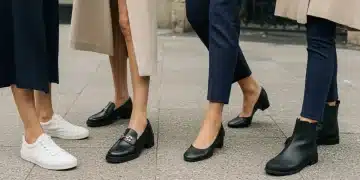
Whether it’s a sleek loafer for the office, a clean white sneaker for weekend casuals, or an elegant ballet flat for an evening out, minimalist styles adapt effortlessly. They are the ultimate chameleon shoes, providing a polished look without drawing excessive attention, allowing the wearer’s personal style to take center stage.
In conclusion, minimalist aesthetics in 2026 footwear are about refined elegance and intelligent design. They represent a move away from transient trends towards enduring style, offering versatile, high-quality options that are both practical and profoundly chic. This trend proves that sometimes, less truly is more, especially when it comes to essential shoe styles.
Integrating Trends: The Future of Footwear
The convergence of sustainable practices, adaptive technologies, and minimalist aesthetics is not just a coincidence; it reflects a broader cultural shift towards mindful consumption and personalized experiences. In 2026, the most sought-after footwear will likely embody elements from all three of these essential trends, creating products that are not only fashionable but also responsible, intelligent, and versatile.
Imagine a pair of sleek, minimalist sneakers crafted from mycelium leather, featuring an adaptive lacing system that adjusts to your foot’s needs throughout the day. This is the future of footwear we are rapidly approaching. Brands that successfully integrate these principles will be the ones that capture the hearts and wallets of consumers.
The Conscious Consumer’s Choice
Today’s consumer is more informed and discerning than ever before. They are not just buying a product; they are investing in values. Footwear that aligns with their commitment to environmental stewardship, their desire for personalized comfort, and their appreciation for timeless design will be the clear winners in the market. The narrative surrounding a shoe is becoming as important as its physical attributes.
This means storytelling around transparency in the supply chain, the innovative science behind adaptive features, and the enduring appeal of minimalist design will be crucial for brands. It’s about building trust and connection with consumers who want to feel good about what they wear, both ethically and aesthetically.
Innovation Driving Design
The pace of innovation in footwear is accelerating, driven by advancements in material science, artificial intelligence, and manufacturing techniques. These technological leaps are making it possible to create shoes that were once considered futuristic concepts. From 3D printing custom soles to integrating smart sensors directly into the fabric of the shoe, the possibilities are endless.
Designers are no longer limited by traditional manufacturing constraints, allowing for more creative and functional solutions. This synergy between technology and design is what will truly define the next generation of footwear, pushing the boundaries of what we expect from our shoes.
Ultimately, the integration of these trends signifies a more holistic approach to footwear design and consumption. It’s about creating products that are not only beautiful and comfortable but also intelligent, responsible, and built to last. This convergence promises a future where every step we take is a step towards a better, more stylish world.
Investing in Your Footwear Future: Practical Tips
Navigating the evolving landscape of 2026 footwear trends can be exciting, but also a bit overwhelming. To help you make smart choices that align with these essential styles, here are some practical tips for investing in your footwear future. Remember, quality and versatility will always trump fleeting fads.
Consider your lifestyle and needs before making a purchase. While a pair of adaptive running shoes might be perfect for an active individual, someone with a more sedentary lifestyle might prioritize minimalist comfort. The key is to find shoes that genuinely enhance your daily life and personal style.
Prioritizing Quality and Durability
With the emphasis on sustainability and conscious consumption, investing in high-quality shoes that are built to last is paramount. This not only reduces your environmental footprint but also ensures better long-term value for your money. Look for brands known for their craftsmanship and use of durable materials.
- Check Material Composition: Opt for shoes made from high-quality, ethically sourced, and durable materials like full-grain leather, organic cotton, or advanced recycled synthetics.
- Inspect Construction: Pay attention to stitching, sole attachment, and overall finish. Well-constructed shoes will show attention to detail.
- Read Reviews: Customer reviews often provide valuable insights into the longevity and durability of a particular shoe style.
A well-made shoe might have a higher upfront cost, but its extended lifespan and reduced need for replacement make it a more economical and sustainable choice in the long run.
Embracing Versatility and Timelessness
One of the hallmarks of the 2026 trends, particularly the minimalist aesthetic, is versatility. Choosing shoes that can be worn in multiple settings and with various outfits will maximize their utility and ensure they remain relevant in your wardrobe for years to come.
Think about classic silhouettes and neutral colors that can easily transition from casual to semi-formal. A versatile shoe reduces the need for a vast collection, simplifying your wardrobe and making daily styling much easier. This approach aligns perfectly with a conscious and efficient lifestyle.
By prioritizing quality, durability, and versatility, you can build a footwear collection that is both stylish and sustainable, embodying the best of the 2026 trends. These practical tips will guide you in making informed decisions that will serve you well for many seasons to come.
The Economic Impact of Footwear Trends in 2026
The shifts in 2026 footwear trends are not merely aesthetic; they carry significant economic implications for manufacturers, retailers, and even consumers. The move towards sustainability, adaptive technology, and minimalism is reshaping supply chains, driving investment in new technologies, and influencing consumer spending habits. Understanding these economic undercurrents provides a fuller picture of the industry’s evolution.
The demand for eco-friendly and technologically advanced footwear is creating new market segments and pushing traditional brands to adapt or risk being left behind. This competitive landscape is fostering innovation but also presenting challenges related to production costs and consumer education.
Rethinking Supply Chains for Sustainability
The push for sustainable footwear necessitates a complete overhaul of traditional supply chains. Brands are increasingly scrutinizing their sourcing, manufacturing processes, and logistics to minimize environmental impact. This involves significant investments in new infrastructure and partnerships with ethical suppliers.
The economic impact includes increased costs for raw materials that are sustainably sourced or bio-engineered, as well as the expense of transitioning to greener production facilities. However, these investments are also opening up new opportunities for businesses specializing in sustainable materials and circular economy solutions. The long-term benefits include enhanced brand reputation and compliance with evolving environmental regulations.
Investment in Research and Development
Adaptive footwear, with its reliance on smart technologies and responsive materials, demands substantial investment in research and development. Companies are pouring resources into advanced robotics for manufacturing, sensor technology, and AI-driven design processes. This fuels innovation but also raises the barrier to entry for smaller brands.
The economic upside is the creation of high-value jobs in engineering, data science, and specialized manufacturing. Furthermore, the patents and intellectual property generated from these innovations become valuable assets, driving competitive advantage. The market for smart components and integrated systems within footwear is burgeoning, creating a new ecosystem of suppliers and specialists.
The economic landscape of footwear in 2026 is dynamic, characterized by a dual focus on environmental responsibility and technological advancement. While these shifts present challenges, they also unlock immense opportunities for growth, innovation, and the creation of a more resilient and responsible industry. Companies that embrace these changes will not only thrive but also contribute to a more sustainable and technologically advanced future.
The Cultural Significance of 2026 Footwear Trends
Beyond the practical and economic aspects, the 2026 footwear trends hold significant cultural meaning. Shoes have always been more than just protection for our feet; they are powerful symbols of identity, status, and belonging. The emphasis on sustainability, adaptability, and minimalism in 2026 reflects deeper societal values and aspirations for the future.
These trends indicate a collective shift towards conscious living, where personal expression is intertwined with ethical considerations and a desire for well-being. Footwear, as a highly visible accessory, becomes a canvas for communicating these evolving cultural narratives.
Footwear as a Statement of Values
Choosing sustainable footwear in 2026 is a clear statement of environmental consciousness. It signals to the world that the wearer prioritizes ecological responsibility and ethical consumption. Brands that champion these values resonate deeply with a growing segment of the population that seeks to align their purchases with their personal beliefs.
- Environmental Advocacy: Wearing eco-friendly shoes can be seen as an act of advocacy, supporting brands that are actively working to reduce their carbon footprint.
- Ethical Consumption: It reflects a commitment to fair labor practices and responsible sourcing, moving away from fast fashion mentalities.
- Mindful Living: The choice for sustainable materials often aligns with a broader lifestyle focused on reducing waste and living in harmony with nature.
Thus, footwear transcends mere utility to become a badge of honor for those committed to a better planet.
The Quest for Personalized Well-being
Adaptive footwear speaks to a cultural desire for personalization and enhanced well-being. In an increasingly complex world, individuals seek products that cater to their unique needs and contribute to their comfort and health. The ability of shoes to adjust and respond to the wearer is a metaphor for a society that values individual care and optimization.
This trend aligns with the rise of personalized health tech and a greater awareness of body mechanics. Consumers are looking for products that not only fit their physical dimensions but also enhance their performance and prevent discomfort, reflecting a proactive approach to health.
Minimalism as a Lifestyle Philosophy
Minimalist aesthetics in footwear are a reflection of a broader cultural movement towards decluttering, intentional living, and valuing experiences over possessions. It’s a rejection of excessive consumerism in favor of simplicity, quality, and timelessness. These shoes represent a desire for calm and clarity in a busy world.
The cultural significance of 2026 footwear trends lies in their ability to mirror and reinforce these powerful societal shifts. They are not just about what we wear, but about what we believe in, how we live, and the future we aspire to create. Footwear continues to be a dynamic reflection of our collective journey.
The Future Outlook for Footwear Innovation
Looking beyond 2026, the trajectory of footwear innovation promises even more exciting developments. The convergence of technology, sustainability, and design principles will continue to push boundaries, creating shoes that are increasingly smart, environmentally conscious, and seamlessly integrated into our lives. The future of footwear is not just about new styles but entirely new paradigms of interaction and functionality.
Anticipate advancements in areas such as fully customizable 3D-printed footwear, bio-integrated sensors for advanced health monitoring, and even shoes capable of generating energy. The foundation laid by the 2026 trends will serve as a springboard for these future innovations, ensuring that footwear remains at the forefront of personal technology and sustainable living.
Hyper-Personalization and 3D Printing
The concept of hyper-personalization, already evident in adaptive footwear, will be taken to new extremes through advanced 3D printing. Imagine walking into a store, having your feet scanned, and a custom-fitted, uniquely designed shoe being printed on demand, perfectly tailored to your biomechanics and aesthetic preferences. This eliminates waste and ensures an unparalleled fit.
This technology also opens up possibilities for on-the-spot repairs and modifications, extending the life cycle of shoes and further aligning with sustainable practices. The ability to create complex geometries and integrate multiple materials in a single print will revolutionize both design and manufacturing.
Bio-Integrated Health Monitoring
Future footwear will likely feature bio-integrated sensors that go beyond simple step counting. These sensors could monitor vital signs, analyze gait patterns for early detection of health issues, or even deliver targeted therapeutic interventions. Shoes could become an integral part of a personal health management system, providing continuous, non-invasive data.
This integration of health tech into footwear represents a significant leap in wearable technology, transforming shoes from mere accessories into essential health tools. The data collected could offer valuable insights for athletes, individuals with chronic conditions, and anyone interested in optimizing their well-being.
The future outlook for footwear innovation is incredibly promising, driven by a relentless pursuit of sustainability, personalized comfort, and cutting-edge technology. The 2026 trends are just the beginning of a transformative journey, setting the stage for a world where our shoes are not just worn, but truly experienced and lived in. The evolution of footwear will continue to reflect and shape our human experience in profound ways.
| Key Trend | Brief Description |
|---|---|
| Sustainable Footwear | Eco-conscious shoes using innovative materials like mycelium and algae, focusing on circular economy principles. |
| Adaptive Footwear | Shoes with smart lacing and responsive materials for personalized comfort and enhanced performance. |
| Minimalist Aesthetics | Understated elegance with clean lines, premium materials, and versatile designs for timeless appeal. |
| Integrated Design | Future footwear combines sustainability, adaptability, and minimalist design for holistic user experience. |
Frequently Asked Questions About 2026 Footwear Trends
The primary drivers are increasing consumer demand for sustainability, rapid advancements in smart technology for personalized comfort, and a cultural shift towards minimalist design for versatility and conscious consumption. These factors collectively shape the essential styles.
Sustainable footwear significantly reduces environmental impact by utilizing eco-friendly materials like mycelium and algae, minimizing waste through circular economy models, and employing ethical production practices. This helps conserve resources and decrease pollution from manufacturing.
Key technological advancements include smart lacing systems that automatically adjust fit, responsive materials that adapt to foot mechanics and temperature, and biometric integration for performance optimization. These innovations deliver unparalleled comfort and support.
Minimalist design is significant because it emphasizes clean lines, premium materials, and versatility, aligning with a desire for understated elegance and conscious consumption. These timeless pieces offer long-term style and adaptability for various occasions.
Consumers should invest by prioritizing quality and durability, opting for versatile styles that integrate well into their existing wardrobe, and choosing brands committed to sustainable and ethical practices. This ensures long-term value and alignment with evolving fashion values.
Conclusion
The 2026 footwear trends are painting a compelling picture of a future where style, ethics, and innovation converge. From the eco-conscious appeal of sustainable materials and circular production to the personalized comfort of adaptive technologies and the timeless elegance of minimalist designs, the essential shoe styles for the coming year are more than just fashion statements. They represent a conscious evolution in how we approach consumption, prioritize well-being, and express our values. By embracing these trends, consumers can step confidently into a future where every stride is both stylish and meaningful.