Ethical Sourcing 2026: Identifying Sustainable US Fashion Brands
Advertisement
The fashion industry, a global behemoth, has long been under scrutiny for its environmental footprint and labor practices. As we step into 2026, the conversation around sustainability and ethics has intensified, moving beyond mere buzzwords to become a critical determining factor for conscious consumers. For those in the United States, navigating the vast landscape of fashion brands to identify those genuinely committed to ethical sourcing can feel like an overwhelming task. This comprehensive guide aims to demystify the process, offering practical solutions and clear indicators to help you distinguish truly sustainable fashion brands in the US.
The term "ethical sourcing fashion" encompasses a broad spectrum of considerations, from the origin of raw materials and manufacturing processes to fair labor wages and environmental impact. It’s about ensuring that every step of a product’s journey, from concept to closet, adheres to principles of social responsibility and environmental stewardship. In an era rife with greenwashing and misleading claims, consumers are increasingly demanding transparency and accountability. This article will equip you with the knowledge to look beyond marketing hype and make informed purchasing decisions that align with your values.
Understanding the nuances of ethical sourcing in 2026 is not just about making better choices for the planet and its people; it’s also about supporting an industry shift towards a more equitable and sustainable future. The power to drive this change lies in the hands of consumers who demand more from the brands they support. Let’s embark on this journey to uncover the practical solutions for identifying truly sustainable fashion brands in the US.
Advertisement
The Evolving Landscape of Ethical Sourcing in 2026
The fashion industry is dynamic, and so too are the standards and expectations for ethical sourcing. What was considered cutting-edge in 2020 might be standard practice, or even outdated, by 2026. This evolution is driven by increased consumer awareness, technological advancements, and stricter regulatory frameworks. Brands that once paid lip service to sustainability are now being forced to implement tangible, verifiable changes across their supply chains. The focus has shifted from isolated initiatives to holistic, integrated approaches to ethical sourcing.
Key Trends Shaping Ethical Fashion
- Enhanced Transparency: Consumers want to know where their clothes come from, who made them, and under what conditions. Brands are responding by providing detailed supply chain information, often utilizing blockchain technology for immutable records.
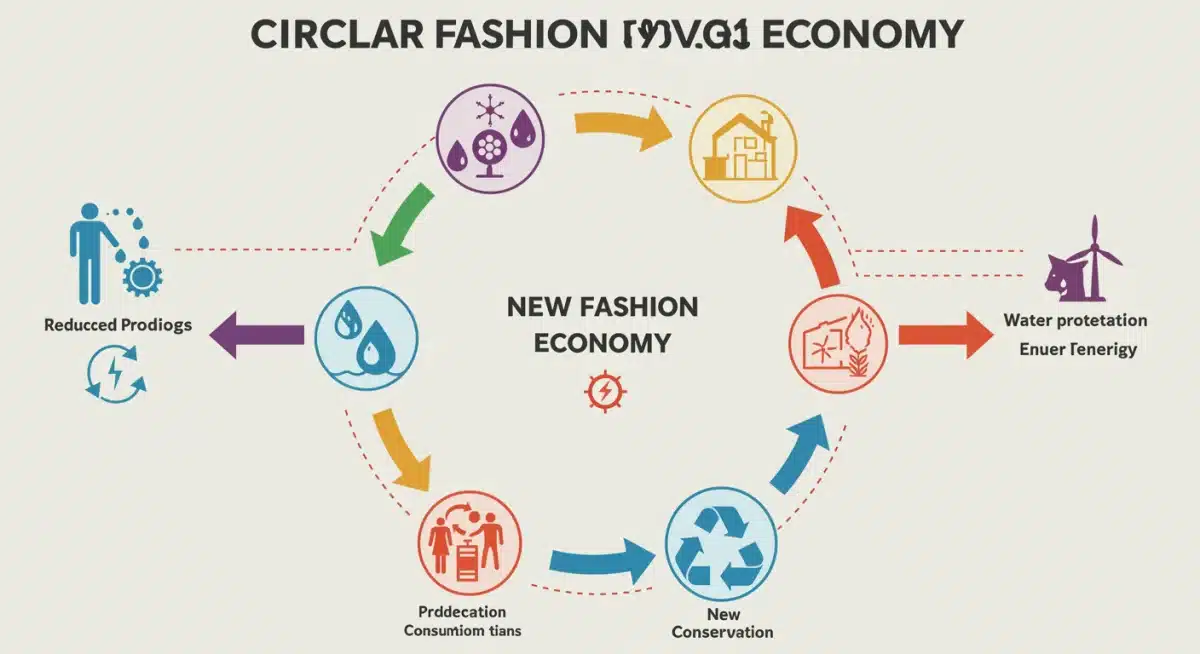
- Circular Economy Principles: The linear "take-make-dispose" model is being replaced by circularity, emphasizing design for longevity, repairability, recycling, and regeneration. This includes innovations in material science and closed-loop production systems.
- Climate Positivity: Beyond reducing carbon footprints, some brands are striving for climate-positive operations, actively removing more greenhouse gases than they emit. This involves investing in renewable energy, reforestation, and regenerative agriculture.
- Social Equity and Fair Wages: The human element remains central to ethical sourcing. Ensuring fair wages, safe working conditions, and empowering workers throughout the supply chain is paramount. This extends to addressing issues like gender equality and community development.
- Water Stewardship: The fashion industry is a notorious water guzzler. Ethical brands in 2026 are implementing advanced water-saving technologies, treating wastewater, and investing in water replenishment projects in water-stressed regions.
- Biodiversity Protection: The impact of textile production on ecosystems, from pesticide use in cotton farming to deforestation for rayon, is gaining attention. Brands are increasingly prioritizing materials and practices that protect and restore biodiversity.
For US fashion brands, these trends represent both challenges and opportunities. Adapting to these evolving standards requires significant investment, innovation, and a fundamental shift in business philosophy. However, those that embrace these changes are poised to build stronger consumer trust and long-term resilience.
Deconstructing "Ethical Sourcing": What Does It Really Mean?
The term "ethical sourcing fashion" is often used broadly, but to effectively identify truly sustainable brands, it’s crucial to break down its core components. It’s not just about one aspect, but a confluence of interconnected practices.
Advertisement
Environmental Responsibility
This pillar focuses on minimizing the ecological footprint of fashion production. Key areas include:
- Sustainable Materials: Prioritizing materials like organic cotton, recycled polyester, hemp, linen, Tencel (lyocell), and innovative bio-based fabrics. Avoiding or significantly reducing reliance on virgin synthetic fibers and conventionally grown cotton.
- Resource Efficiency: Implementing practices that reduce water, energy, and chemical consumption during manufacturing. This includes closed-loop systems for dyes and finishes, and energy-efficient machinery.
- Waste Reduction: Designing products for minimal waste, utilizing fabric scraps, and implementing robust recycling and upcycling programs. Aiming for zero-waste production where possible.
- Pollution Prevention: Strict adherence to regulations regarding wastewater discharge, air emissions, and chemical management. Using non-toxic dyes and finishes.
- Packaging: Employing minimalist, recyclable, compostable, or reusable packaging materials.
Social Responsibility
This aspect addresses the human impact of the fashion industry, ensuring fair and humane treatment of all workers in the supply chain. This is a critical component of ethical sourcing fashion, often overlooked in the pursuit of "green" credentials.
- Fair Labor Practices: Guaranteeing fair wages (at least a living wage), reasonable working hours, and safe, healthy working conditions. Prohibiting child labor and forced labor.
- Worker Empowerment: Respecting workers’ rights to organize and bargain collectively. Providing opportunities for training, skill development, and career advancement.
- Diversity, Equity, and Inclusion (DEI): Promoting a diverse workforce and fostering an inclusive environment free from discrimination and harassment.
- Community Engagement: Investing in the communities where production takes place, supporting local initiatives, and ensuring a positive impact beyond employment.
Transparency and Accountability
Without transparency, claims of ethical sourcing are difficult to verify. Accountability mechanisms are essential to ensure brands follow through on their commitments.
- Supply Chain Mapping: Brands should be able to trace their products from raw material to finished garment, identifying all suppliers and factories involved.
- Certifications: Relying on credible third-party certifications (discussed in detail below) that verify ethical and sustainable practices.
- Public Reporting: Publishing annual sustainability reports, impact assessments, and progress towards goals.
- Engagement with Stakeholders: Open communication with consumers, NGOs, and industry watchdogs.
When evaluating US fashion brands, consider how they address each of these pillars. A truly sustainable brand will demonstrate commitment across the board, not just in one isolated area.
Practical Solutions: How to Identify Truly Sustainable US Fashion Brands
Now that we understand the multifaceted nature of ethical sourcing, let’s explore the practical steps you can take to identify brands that walk the talk.
1. Look for Third-Party Certifications and Standards
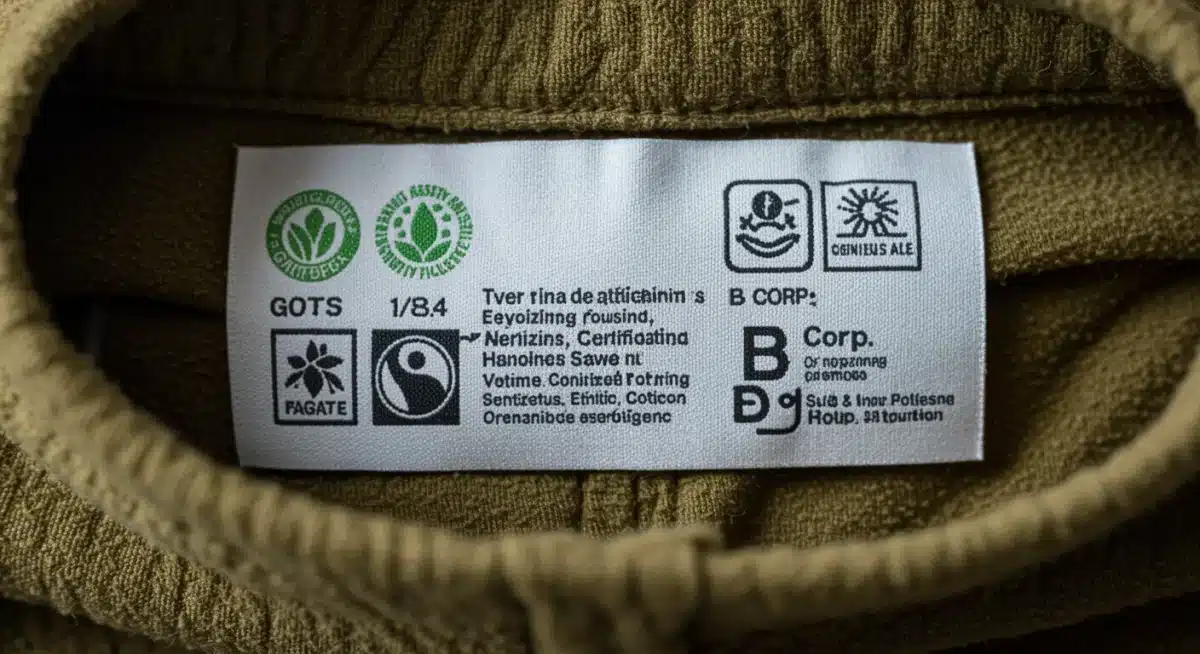
Certifications are powerful tools because they provide independent verification of a brand’s claims. They signal that a brand has met specific environmental, social, or ethical criteria established by an external organization. However, it’s important to understand what each certification signifies, as some are more comprehensive than others. When focusing on ethical sourcing fashion, look for these key certifications:
- Global Organic Textile Standard (GOTS): One of the most stringent certifications for organic fibers, GOTS covers the entire textile supply chain, from harvesting of raw materials to environmentally and socially responsible manufacturing, and labeling. It ensures textiles are truly organic and produced under fair labor conditions.
- Fair Trade Certified: This certification focuses primarily on social responsibility, ensuring fair wages, safe working conditions, and community development for farmers and factory workers. It’s particularly common for cotton and other raw materials.
- B Corp Certification: B Corp is a holistic certification that assesses a company’s entire social and environmental performance, transparency, and accountability. A B Corp certified fashion brand has met high standards of verified performance, accountability, and transparency on factors from employee benefits and charitable giving to supply chain practices and input materials.
- OEKO-TEX Standard 100: This certification ensures that textiles and fabrics are free from harmful chemicals, making them safe for human use. While it doesn’t cover social aspects, it’s crucial for environmental health.
- Bluesign® System: This system provides solutions for sustainable textile production, eliminating harmful substances from the beginning of the manufacturing process and setting standards for environmentally friendly and safe production.
- Recycled Claim Standard (RCS) / Global Recycled Standard (GRS): These certify the presence and amount of recycled material in a final product and track it from the recycler to the final product. GRS also includes social and environmental processing requirements.
When you see these logos on a brand’s website or product, it’s a strong indicator of their commitment to ethical sourcing fashion. Always verify the certification by checking the issuing body’s website if you have doubts.
2. Demand Supply Chain Transparency
True ethical sourcing requires a brand to have a deep understanding of its entire supply chain. Many brands only know their immediate suppliers (Tier 1), but ethical issues often lie further down, in the raw material stage (e.g., cotton farms) or in precursor factories (e.g., dyeing mills). A truly sustainable brand will:
- Publish Supplier Lists: Look for brands that actively publish lists of their factories, including addresses, worker numbers, and even audit results.
- Map Beyond Tier 1: Brands that go the extra mile to map their Tier 2 (e.g., fabric mills) and even Tier 3 (e.g., raw material suppliers) are demonstrating a higher level of commitment to ethical sourcing fashion.
- Utilize Technology: Some brands are leveraging blockchain or other digital platforms to trace products and verify conditions throughout their supply chain.
If a brand is vague about their supply chain or claims they "don’t know" where their materials come from, it’s a red flag. Transparency is the bedrock of accountability.
3. Investigate Labor Practices and Worker Welfare
This is arguably the most critical aspect of ethical sourcing. Beyond just compliance with local laws, truly ethical brands strive for best practices in worker welfare. When evaluating US fashion brands, consider:
- Living Wages: Do they commit to paying living wages, not just minimum wages? A living wage allows workers to meet their basic needs and those of their families. Some brands partner with organizations like the Fair Labor Association (FLA) or participate in initiatives like the Garment Worker Protection Act (GWPA) in California, which aims to extend wage protection to garment workers.
- Safe Working Conditions: Do they conduct regular factory audits for safety and health? Are audit reports publicly available?
- Worker Empowerment: Do workers have the right to form unions or engage in collective bargaining without fear of reprisal? Do brands have grievance mechanisms in place for workers to report issues safely?
- Anti-Discrimination Policies: Look for clear policies against discrimination based on gender, race, religion, sexual orientation, etc.
Websites like the Fashion Transparency Index or reports from organizations like Human Rights Watch can provide valuable insights into a brand’s labor practices.
4. Evaluate Environmental Impact and Material Choices
The environmental footprint of fashion is colossal. Ethical sourcing fashion demands a rigorous approach to material selection and production processes.
- Material Composition: Prioritize natural, organic, recycled, or upcycled materials. Research the environmental impact of different fibers. For example, organic cotton uses significantly less water and no harmful pesticides compared to conventional cotton. Recycled polyester diverts plastic from landfills and oceans. Tencel (Lyocell) is made from sustainably sourced wood pulp in a closed-loop system.
- Water Usage: Is the brand implementing water-saving technologies like ozone washing or dry dyeing? Do they treat and reuse wastewater?
- Energy Consumption: Do they use renewable energy sources (solar, wind) in their factories? Do they have energy efficiency targets?
- Chemical Management: Do they ban hazardous chemicals? Are their dyes and finishes eco-friendly? Certifications like Bluesign or OEKO-TEX are key indicators here.
- Waste Management: What happens to fabric scraps? Do they have take-back programs for old garments? Do they design for durability and repairability?
Brands that provide detailed information about their material choices and environmental initiatives on their website are generally more trustworthy. Look for specific metrics and goals, not just vague statements.
5. Scrutinize Marketing Claims – Beware of Greenwashing
Greenwashing is the practice of making unsubstantiated or misleading claims about the environmental benefits of a product, service, or company. In the age of ethical sourcing fashion, it’s rampant. Here’s how to spot it:
- Vague Language: Be wary of terms like "eco-friendly," "sustainable," "natural," or "green" without specific evidence or context.
- Focus on a Single Attribute: A brand might highlight one small sustainable feature (e.g., "recycled packaging") while ignoring larger, more significant issues in their supply chain.
- Lack of Data or Evidence: If claims aren’t backed by certifications, data, or transparent reporting, they are likely greenwashing.
- Misleading Imagery: Pictures of nature or green leaves don’t automatically mean a product is sustainable.
- False Labels: Some brands create their own "certifications" that have no independent verification.
Always seek concrete evidence and don’t take marketing claims at face value. A truly ethical brand will be eager to share detailed information about their practices.
6. Research the Brand’s Mission and Values
Beyond the technical aspects of production, a brand’s core mission and values can tell you a lot about its commitment to ethical sourcing fashion. Look for:
- Clear Mission Statement: Does their mission explicitly state a commitment to sustainability and social responsibility?
- Founder’s Vision: Is the brand founded on ethical principles, or is sustainability an afterthought?
- Company Culture: Do they extend their ethical practices to their own employees and internal operations?
- Advocacy and Education: Do they actively engage in advocacy for ethical practices within the industry or educate their consumers?
- Community Involvement: Do they give back to communities, support social causes, or partner with NGOs?
A brand whose values are deeply intertwined with ethical and sustainable practices is more likely to maintain those standards consistently.
7. Consider Durability and Longevity
One of the most sustainable choices in fashion is to buy less and make what you buy last longer. Ethical sourcing fashion isn’t just about how a garment is made, but also how long it lasts. Brands committed to sustainability often:
- Design for Durability: Use high-quality materials and construction techniques that ensure garments withstand wear and tear.
- Offer Repair Services: Some brands provide repair services or guidance to help consumers extend the life of their clothing.
- Promote Timeless Styles: Focus on classic, versatile designs that transcend fleeting trends, encouraging consumers to keep items for longer.
Investing in well-made, durable pieces from ethical brands reduces the need for frequent replacements, thereby minimizing overall consumption and waste.
The Role of the US Consumer in Driving Ethical Sourcing Fashion
As consumers in the US, your choices have significant power. Every purchase is a vote for the kind of industry you want to support. By actively seeking out and supporting brands committed to ethical sourcing fashion, you contribute to a ripple effect that encourages more brands to adopt sustainable practices.
- Ask Questions: Don’t hesitate to contact brands directly with questions about their supply chain, labor practices, or environmental impact. Your inquiries signal demand for transparency.
- Support Innovators: Seek out smaller, emerging brands that are often at the forefront of sustainable innovation.
- Share Information: Educate your friends and family about ethical fashion and share your discoveries of truly sustainable brands.
- Demand Policy Change: Support organizations advocating for stronger regulations and policies related to labor rights and environmental protection in the fashion industry.
The movement towards ethical sourcing in fashion is not a passing fad; it’s a fundamental shift in how we produce and consume clothing. By being an informed and conscious consumer, you become an active participant in building a more sustainable and equitable fashion future.
Looking Ahead: The Future of Ethical Sourcing in US Fashion
By 2026 and beyond, the landscape of ethical sourcing in US fashion is expected to become even more sophisticated and integrated. We will likely see:
- Increased Regulation: Governments may implement stricter laws regarding supply chain transparency, carbon emissions, and waste management, pushing more brands toward compliance.
- Technological Advancements: Innovations in material science (e.g., lab-grown leather, mushroom-based textiles), AI for supply chain optimization, and advanced recycling technologies will become more mainstream.
- Greater Collaboration: Brands, NGOs, governments, and consumers will need to collaborate more effectively to address systemic issues in the fashion industry.
- Consumer Expectation as the Norm: Ethical and sustainable practices will no longer be niche selling points but rather baseline expectations for all reputable fashion brands.
The journey to a fully ethical and sustainable fashion industry is ongoing, but significant progress is being made. Each step taken by conscious consumers and committed brands brings us closer to a future where fashion is a force for good.
Conclusion
Identifying truly sustainable fashion brands in the US in 2026 requires diligence, critical thinking, and an understanding of what ethical sourcing truly entails. It means looking beyond surface-level claims and delving into a brand’s entire operational philosophy – from their material choices and environmental impact to their labor practices and supply chain transparency. By prioritizing brands with credible third-party certifications, robust transparency initiatives, and a clear commitment to worker welfare and environmental stewardship, you can make purchasing decisions that reflect your values and contribute to a more responsible fashion industry.
Remember, ethical sourcing fashion is a journey, not a destination. It involves continuous learning and adaptation. As consumers, our collective power to demand better from brands is immense. Let’s use it wisely to shape a fashion future that is fair, sustainable, and truly beautiful.