Fashion Investment: 15% Appreciation by 2026 – Building a Timeless Portfolio
Advertisement
Investing in Timeless Pieces: How to Build a Fashion Portfolio with 15% Annual Appreciation by 2026 (FINANCIAL IMPACT)
In an increasingly volatile economic landscape, investors are constantly seeking new avenues to diversify their portfolios and secure robust returns. While traditional assets like stocks, bonds, and real estate remain foundational, a compelling, yet often overlooked, sector is emerging as a significant contender: luxury fashion. This isn’t about fleeting trends or fast fashion; it’s about the strategic acquisition of timeless pieces that not only retain their value but actively appreciate, offering a unique blend of aesthetic pleasure and financial gain. This comprehensive guide will explore how to build a high-performing fashion investment portfolio, aiming for an ambitious yet achievable 15% annual appreciation by 2026, and delve into the critical financial impacts of such a strategy.
The concept of fashion as an investment is not entirely new. Historically, items like rare watches, haute couture, and iconic handbags have been passed down through generations, often increasing in value. However, what has changed is the growing recognition of this market by financial analysts and the emergence of sophisticated platforms facilitating resale and authentication. This shift transforms fashion from a mere consumption good into a tangible asset class, ripe for strategic investment.
Our goal is to equip you with the knowledge and tools to navigate this exciting domain, identifying pieces that promise not just aesthetic appeal but also significant financial returns. By understanding market dynamics, brand prestige, material quality, and provenance, you can construct a fashion portfolio that stands the test of time, both stylistically and financially.
Advertisement
The Allure of Fashion as an Investment Asset
Why consider luxury fashion as a serious investment? The answer lies in several key factors that contribute to its appreciating value, making it a viable component of a diversified investment strategy. Unlike many consumer goods that depreciate rapidly, certain luxury fashion items exhibit characteristics akin to fine art or rare collectibles.
Scarcity and Exclusivity
Many luxury brands, particularly those at the apex of the market, intentionally limit production. This scarcity creates high demand that often outstrips supply, driving up prices on both primary and secondary markets. Iconic pieces from brands like Hermès, Chanel, and Rolex are often subject to waitlists, making immediate acquisition challenging and further enhancing their desirability and resale value. This controlled scarcity is a cornerstone of their value proposition and a key driver for your fashion investment portfolio‘s growth.
Brand Heritage and Craftsmanship
Brands with a rich history, unparalleled craftsmanship, and a reputation for timeless design tend to hold their value exceptionally well. These are not merely products; they are works of art, embodying centuries of tradition, skill, and innovation. The meticulous attention to detail, the use of rare and high-quality materials, and the artisanal production methods justify their initial high price point and contribute significantly to their long-term appreciation.
Advertisement
Cultural Significance and Iconic Status
Some fashion items transcend their functional purpose to become cultural icons. Think of the Hermès Birkin bag, the Chanel Classic Flap, or a vintage Cartier Tank watch. These pieces are recognized globally, associated with elegance, status, and historical moments. Their enduring appeal ensures sustained demand, even decades after their initial release, making them prime candidates for a robust fashion investment portfolio.
Inflation Hedge and Tangible Asset
In times of economic uncertainty or high inflation, tangible assets often perform well as a hedge against currency devaluation. Luxury fashion, being a physical asset, offers a similar protective quality. Its intrinsic value, tied to materials, craftsmanship, and brand equity, provides a degree of stability that intangible assets might lack. Furthermore, the global nature of the luxury market means these assets can often retain value across different economic climates.
Identifying High-Appreciation Fashion Pieces for Your Portfolio
Building a successful fashion investment portfolio requires a discerning eye and a deep understanding of what makes an item appreciate. Not all luxury fashion is created equal, and careful selection is paramount to achieving a 15% annual appreciation target by 2026. Here are the categories and characteristics to prioritize:
Luxury Handbags: The Gold Standard
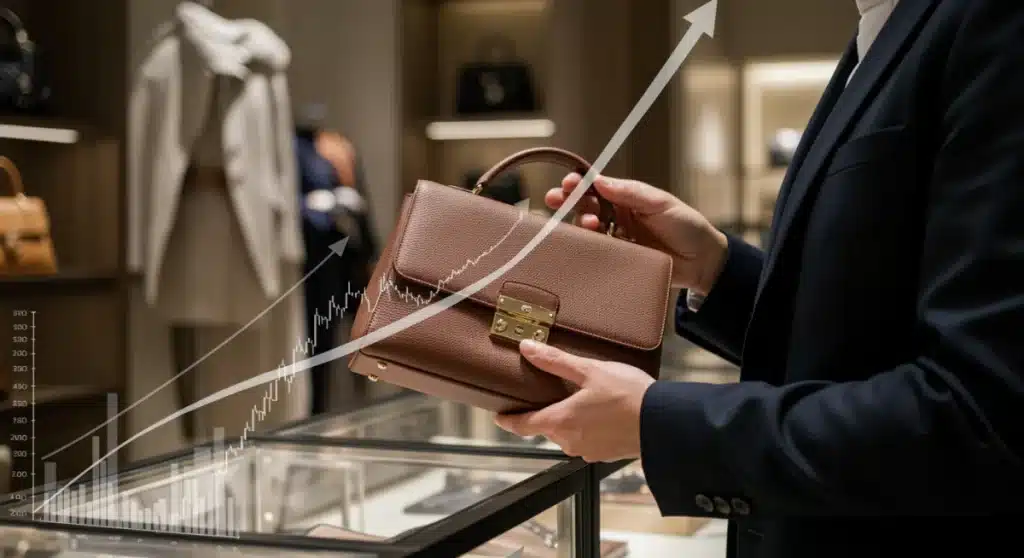
Luxury handbags, particularly from Hermès, Chanel, and Louis Vuitton, are often cited as the strongest performers in the fashion investment space. The Hermès Birkin and Kelly bags, for instance, have historically outperformed the S&P 500 and even gold in terms of annual returns. Their extreme scarcity, high demand, and meticulous craftsmanship ensure their status as perennial investment favorites.
- Hermès: Birkin, Kelly, Constance. Focus on rare leathers (exotic skins), classic colors, and limited editions. Condition is crucial.
- Chanel: Classic Flap Bag, 2.55. Medium and large sizes, lambskin or caviar leather, black and neutral colors are safest bets.
- Louis Vuitton: Vintage Trunks, limited edition collaborations, iconic monogram pieces (e.g., Speedy, Keepall).
Fine Watches: Precision and Prestige
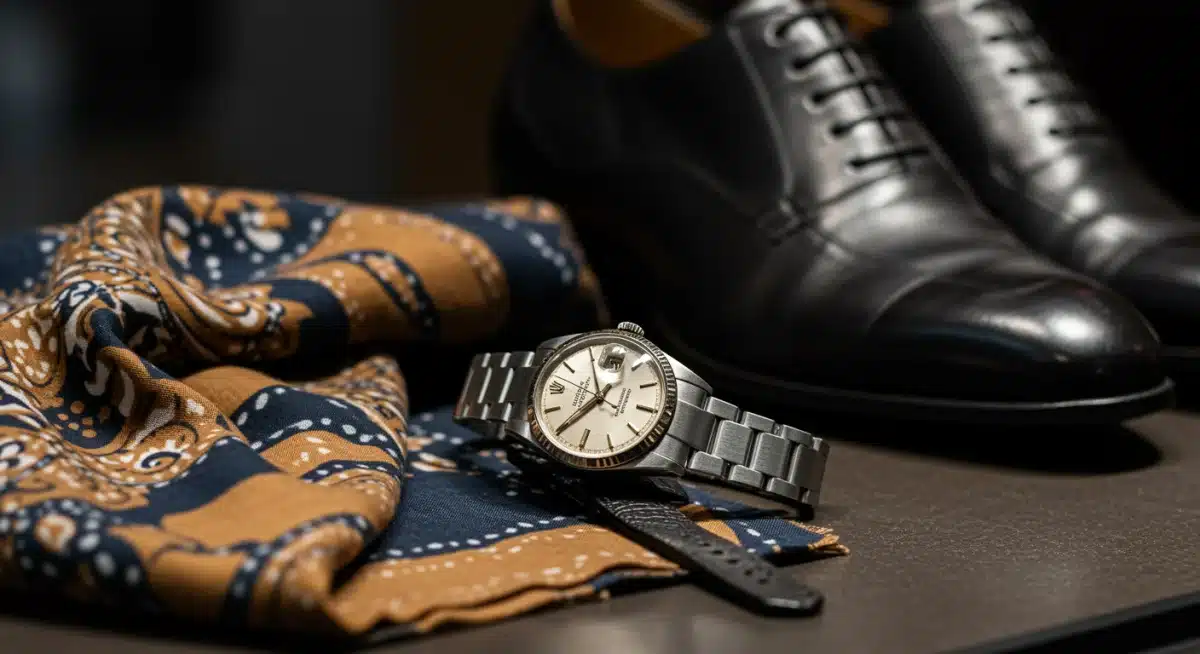
High-end watches from brands like Rolex, Patek Philippe, Audemars Piguet, and Richard Mille are another pillar of a strong fashion investment portfolio. Their intricate movements, precious metals, and brand prestige contribute to consistent appreciation, especially for sought-after models and limited editions.
- Rolex: Daytona, Submariner, GMT-Master II. Stainless steel sports models are particularly strong.
- Patek Philippe: Nautilus, Aquanaut, Grand Complications. These are often produced in very limited quantities, leading to significant premiums on the secondary market.
- Audemars Piguet: Royal Oak. The original luxury sports watch with integrated bracelet.
Jewelry: Enduring Sparkle and Value
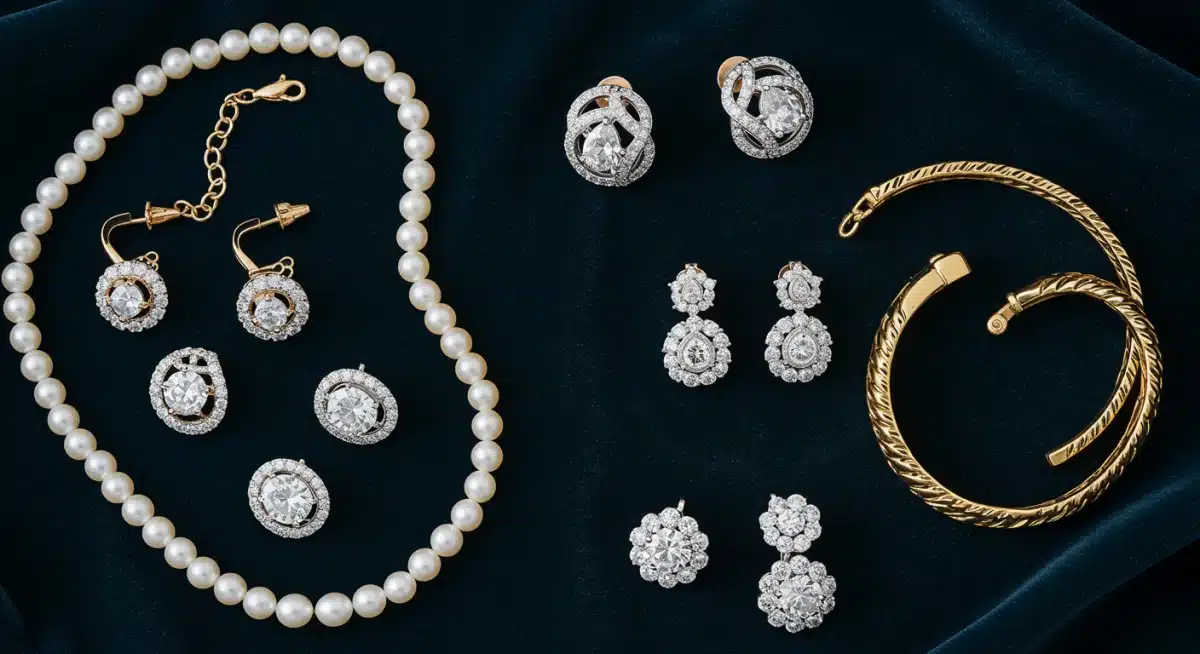
Classic fine jewelry pieces, particularly those featuring high-quality diamonds, precious gemstones, and gold, offer inherent value that tends to appreciate over time. Brands like Cartier, Tiffany & Co., and Van Cleef & Arpels are known for their iconic designs and enduring appeal.
- Cartier: Love Bracelet, Juste un Clou, Panthère collection.
- Tiffany & Co.: Classic diamond engagement rings, Elsa Peretti designs.
- Van Cleef & Arpels: Alhambra collection.
Vintage and Archival Fashion: Rarity and History
Beyond current luxury production, specific vintage and archival pieces from influential designers can command significant prices. This includes haute couture, runway pieces, and items associated with historical moments or celebrity provenance. This segment requires a deeper understanding of fashion history and trends.
- Haute Couture: Original pieces from legendary houses like Dior, Givenchy, Yves Saint Laurent.
- Rare Designer Pieces: Limited editions, early works from iconic designers, and pieces with significant cultural impact.
Strategies for Achieving 15% Annual Appreciation by 2026
Hitting a 15% annual appreciation target in your fashion investment portfolio by 2026 is ambitious but achievable with a strategic approach. It involves more than just buying expensive items; it requires research, timing, and diligent care.
1. Thorough Market Research and Trend Analysis
Stay informed about the secondary market. Follow reputable auction houses (Christie’s, Sotheby’s), online luxury resale platforms (Vestiaire Collective, The RealReal, Fashionphile), and industry reports. Understand which brands and specific models are consistently performing well, their rarity, and demand drivers. Pay attention to emerging trends in collectible fashion, but always prioritize timelessness over fleeting fads.
2. Focus on Provenance and Authenticity
Authenticity is paramount. Always purchase from reputable sources that offer guarantees of authenticity. For highly valuable items, seek out pieces with documented provenance, such as original receipts, certificates, or a clear ownership history. This not only assures authenticity but can also add to the item’s value.
3. Prioritize Condition and Care
The condition of a fashion item directly impacts its resale value. A pristine, well-maintained piece will always command a higher price. Invest in proper storage (dust bags, climate control), professional cleaning, and regular maintenance for watches and jewelry. Avoid excessive wear and tear. Think of these items as museum pieces that need careful preservation.
4. Strategic Acquisition and Timing
The best time to buy is often when a particular model or brand is gaining traction but hasn’t yet reached peak demand. Conversely, consider selling when demand is high or when a specific piece has reached a significant appreciation milestone. Limited editions and special collaborations often see rapid appreciation shortly after release, but their long-term value depends on their enduring appeal.
5. Diversify Within Your Fashion Portfolio
Just as with any investment portfolio, diversification is key. Don’t put all your capital into one type of item or one brand. A mix of handbags, watches, and jewelry from different top-tier brands will mitigate risk and provide broader exposure to the luxury market’s growth drivers. This approach enhances the overall stability and potential for growth of your fashion investment portfolio.
6. Leverage Resale Platforms and Auction Houses
Understanding where and how to sell your pieces is as important as knowing what to buy. High-end resale platforms offer a global reach and authentication services, while auction houses are ideal for particularly rare or high-value items, often attracting serious collectors. Each platform has its own fee structure and audience, so choose wisely based on your item and desired outcome.
The Financial Impact: Beyond Aesthetic Value
Beyond the undeniable aesthetic pleasure, investing in luxury fashion carries significant financial implications that can positively impact your overall wealth management strategy. The target of 15% annual appreciation by 2026 is not merely a number; it represents a tangible increase in your net worth, driven by intelligent asset allocation.
Capital Appreciation
The most direct financial impact is capital appreciation. As discussed, certain luxury items consistently increase in value, often outpacing inflation and even traditional financial markets. This growth contributes directly to your investment returns, strengthening your financial position and offering a unique alternative to conventional asset classes.
Portfolio Diversification
Adding luxury fashion to your investment mix provides crucial diversification. It introduces an asset class with different market drivers, potentially uncorrelated with stocks or bonds. This can reduce overall portfolio volatility and enhance risk-adjusted returns, making your financial strategy more robust against economic fluctuations.
Liquidity and Accessibility
While not as liquid as publicly traded stocks, the secondary market for luxury fashion has become remarkably efficient and accessible. Online platforms and auction houses facilitate relatively quick sales, allowing investors to convert their assets into cash when needed, albeit with transaction costs. This improved liquidity makes luxury fashion a more practical investment than it once was.
Wealth Preservation and Intergenerational Transfer
High-quality luxury items are built to last, making them excellent vehicles for wealth preservation across generations. Unlike digital assets, they are tangible and can be physically passed down, carrying both monetary and sentimental value. This makes them a unique element in estate planning and a legacy asset for families.
Tax Implications
Investors should also be aware of the tax implications. Capital gains tax may apply to the profit made from selling an appreciated luxury item, similar to other investments. It’s advisable to consult with a financial advisor or tax professional to understand the specific regulations in your jurisdiction and plan accordingly.
Risks and Considerations in Fashion Investment
While the potential for significant returns is attractive, it’s crucial to approach fashion investment with a clear understanding of the associated risks and considerations. No investment is without its downsides, and luxury fashion is no exception.
Market Volatility and Trends
Despite focusing on timeless pieces, the luxury market can still be influenced by trends and shifts in consumer preferences. While iconic items tend to be more resilient, less established brands or highly niche items might be more susceptible to fluctuations in demand. A sudden scandal involving a brand or designer could also negatively impact value.
Counterfeits and Authentication Challenges
The prevalence of high-quality counterfeits poses a significant risk. Purchasing from unverified sources can lead to acquiring non-authentic items, resulting in total loss of investment. Always rely on reputable authentication services and platforms to mitigate this risk.
Storage and Maintenance Costs
Maintaining the pristine condition required for maximum appreciation incurs costs. This includes specialized storage, professional cleaning, repairs, and insurance. These ongoing expenses must be factored into the overall investment calculation, as they can eat into potential profits if not managed carefully.
Liquidity Concerns for Niche Items
While overall market liquidity has improved, highly specialized, or exceptionally rare items might have a smaller pool of potential buyers, potentially extending the time it takes to sell. This is less of a concern for mainstream iconic pieces but something to consider for niche acquisitions.
Subjectivity of Value
Unlike financial instruments with quantifiable metrics, the value of luxury fashion, to some extent, remains subjective, influenced by cultural perception, emotional appeal, and desirability. While historical data provides strong indicators, future appreciation is never guaranteed and can be influenced by unforeseen factors.
Building Your Fashion Investment Strategy: A Step-by-Step Guide
To summarize and provide a clear actionable path, here’s a step-by-step guide to building your fashion investment portfolio with the goal of 15% annual appreciation by 2026:
- Educate Yourself: Immerse yourself in the world of luxury fashion. Learn about brands, their history, craftsmanship, and market performance. Follow industry news and secondary market reports.
- Define Your Budget and Risk Tolerance: Determine how much capital you are willing to allocate to this asset class. Understand that while returns can be high, there are inherent risks.
- Identify Target Categories and Brands: Based on your research, select the categories (handbags, watches, jewelry) and specific brands/models with the strongest appreciation potential. Prioritize scarcity, classic design, and strong brand heritage.
- Source Reputably: Only purchase from authorized dealers, certified pre-owned retailers, or highly reputable auction houses and online platforms known for their authentication processes.
- Inspect and Authenticate: For pre-owned items, thoroughly inspect the condition and ensure rigorous authentication. Don’t hesitate to get a second opinion from an independent expert.
- Proper Care and Storage: Invest in the necessary care to maintain the item’s condition. This includes appropriate storage solutions, cleaning, and insurance.
- Monitor Market Performance: Regularly track the resale value of your assets. Stay updated on market trends that might influence demand for your pieces.
- Strategic Selling: Be prepared to sell when your investment goals are met or when market conditions are optimal. Use reputable channels to ensure a fair price and a secure transaction.
- Reinvest and Diversify: As your portfolio grows, consider reinvesting profits and further diversifying your holdings to maximize long-term growth and stability.
The Future of Fashion Investment
The landscape of luxury fashion investment is continuously evolving. The rise of digital authentication, blockchain technology for provenance tracking, and the increasing sophistication of online resale platforms are making this asset class more transparent and accessible than ever before. Furthermore, a growing awareness of sustainability and the circular economy is boosting the appeal of pre-owned luxury, further fueling the secondary market.
As consumers become more conscious about sustainable practices and the longevity of their purchases, the demand for high-quality, durable, and resalable luxury items is only set to increase. This societal shift provides a strong tailwind for the fashion investment portfolio, solidifying its position as a legitimate and potentially lucrative investment avenue for the discerning investor.
Conclusion: Your Path to a High-Performing Fashion Portfolio
Building a fashion investment portfolio with the aim of achieving 15% annual appreciation by 2026 is an exciting and potentially rewarding endeavor. It merges the worlds of finance and luxury, offering a unique opportunity to invest in tangible assets that are not only beautiful but also financially robust. By focusing on scarcity, brand heritage, impeccable craftsmanship, and timeless design, and by employing strategic acquisition and maintenance practices, you can curate a collection that delivers significant returns.
Remember, success in this niche requires dedication, continuous learning, and a passion for the items you invest in. Treat your fashion assets with the same diligence and strategic foresight you would any other part of your financial portfolio. With the right approach, your closet can become a powerful engine for wealth creation, proving that true style can indeed be a smart investment.
Embark on this journey with an informed perspective, and watch as your carefully selected timeless pieces transform into appreciating assets, contributing meaningfully to your financial future and personal legacy.