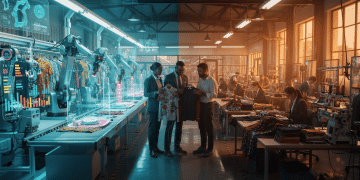
AI in Fashion Design: Revolutionizing U.S. Apparel by 2026
Advertisement
The fashion industry, a realm traditionally associated with human creativity and artisanal craftsmanship, is undergoing a monumental transformation. At the forefront of this evolution is Artificial Intelligence (AI), a technology rapidly reshaping every facet of the sector, particularly in design and production. By 2026, the impact of AI fashion design on U.S. apparel creation will be profound, ushering in an era of unprecedented efficiency, personalization, and sustainability.
The integration of AI is not merely an incremental improvement; it represents a fundamental shift in how designers conceive, develop, and deliver garments. From predicting the next big trend to optimizing supply chains and fostering sustainable practices, AI is becoming an indispensable tool for brands aiming to stay competitive and relevant in a dynamic market. This article delves into the three primary ways AI is revolutionizing U.S. apparel creation, exploring the mechanisms, benefits, and future implications of this technological wave.
The journey of a garment, from a nascent idea to a finished product on a retail shelf, is complex and often fraught with inefficiencies. Traditional fashion cycles are slow, resource-intensive, and prone to misjudging consumer demand, leading to significant waste and financial losses. AI offers a powerful antidote to these challenges, providing data-driven insights and automated capabilities that streamline processes and enhance decision-making. As we look towards 2026, the U.S. apparel industry is poised to embrace AI not as a futuristic fantasy, but as a practical necessity for survival and growth.
Advertisement
1. AI-Driven Trend Forecasting and Design Ideation: Predicting the Future of Fashion
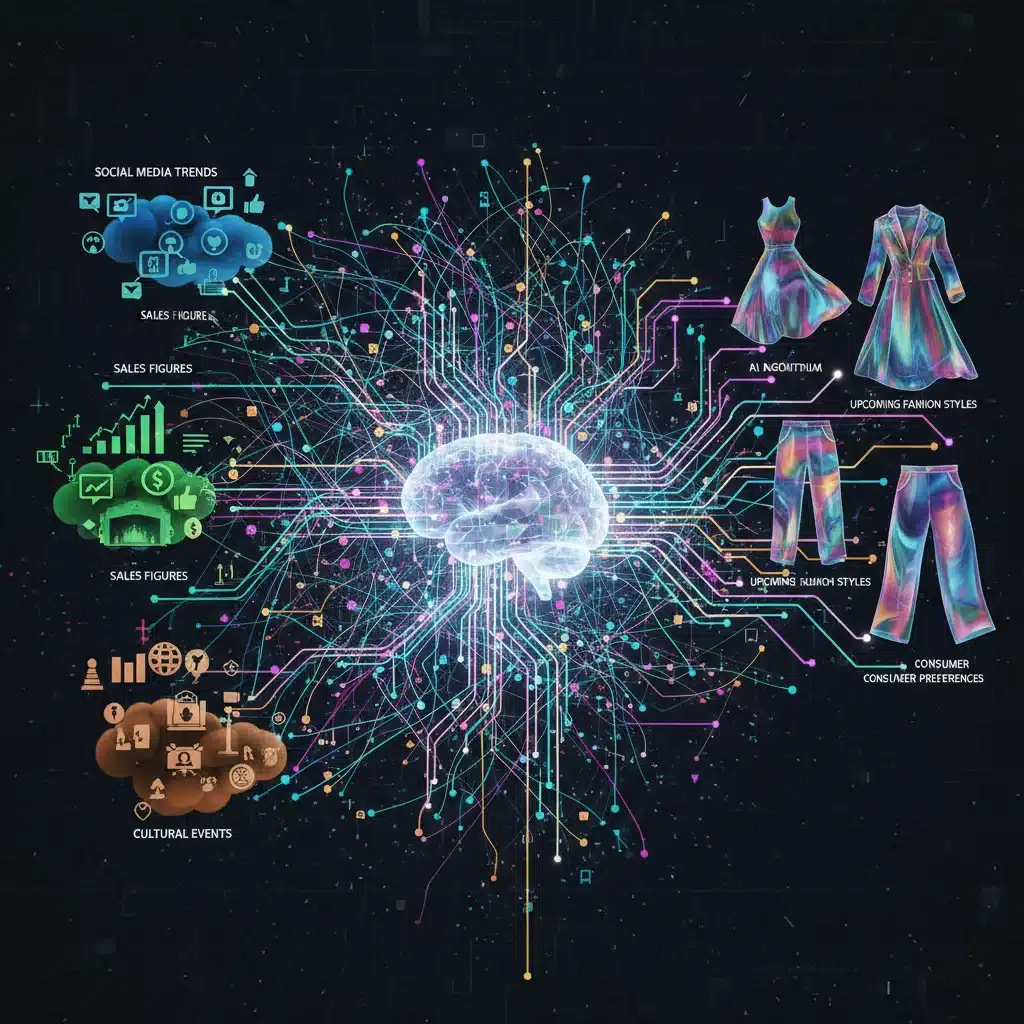
One of the most significant contributions of AI fashion design is its unparalleled ability to analyze vast datasets and predict future trends with remarkable accuracy. Historically, trend forecasting relied heavily on human intuition, fashion shows, and qualitative analysis – methods often subjective and slow. AI, however, leverages machine learning algorithms to sift through mountains of data, including social media posts, search queries, sales data, runway collections, cultural events, and even geopolitical shifts, to identify emerging patterns and consumer preferences.
The Power of Predictive Analytics
AI’s predictive capabilities allow designers to anticipate what consumers will want before they even know it themselves. This foresight is invaluable, enabling brands to create collections that are not only aesthetically appealing but also commercially viable. By understanding the nuances of consumer behavior and market dynamics, fashion companies can significantly reduce the risk of overproduction and unsold inventory, a perennial problem in the industry.
For example, AI can identify micro-trends emerging from niche online communities or track the lifecycle of a particular color or silhouette across different demographics and geographical regions. This granular level of insight empowers designers to make informed decisions about fabric choices, color palettes, garment styles, and even marketing strategies. Companies like IBM with their ‘Fashion with Watson’ initiative, or startups specializing in AI trend forecasting, are already providing brands with actionable data that directly influences their design processes.
Advertisement
Automated Design Generation and Concept Development
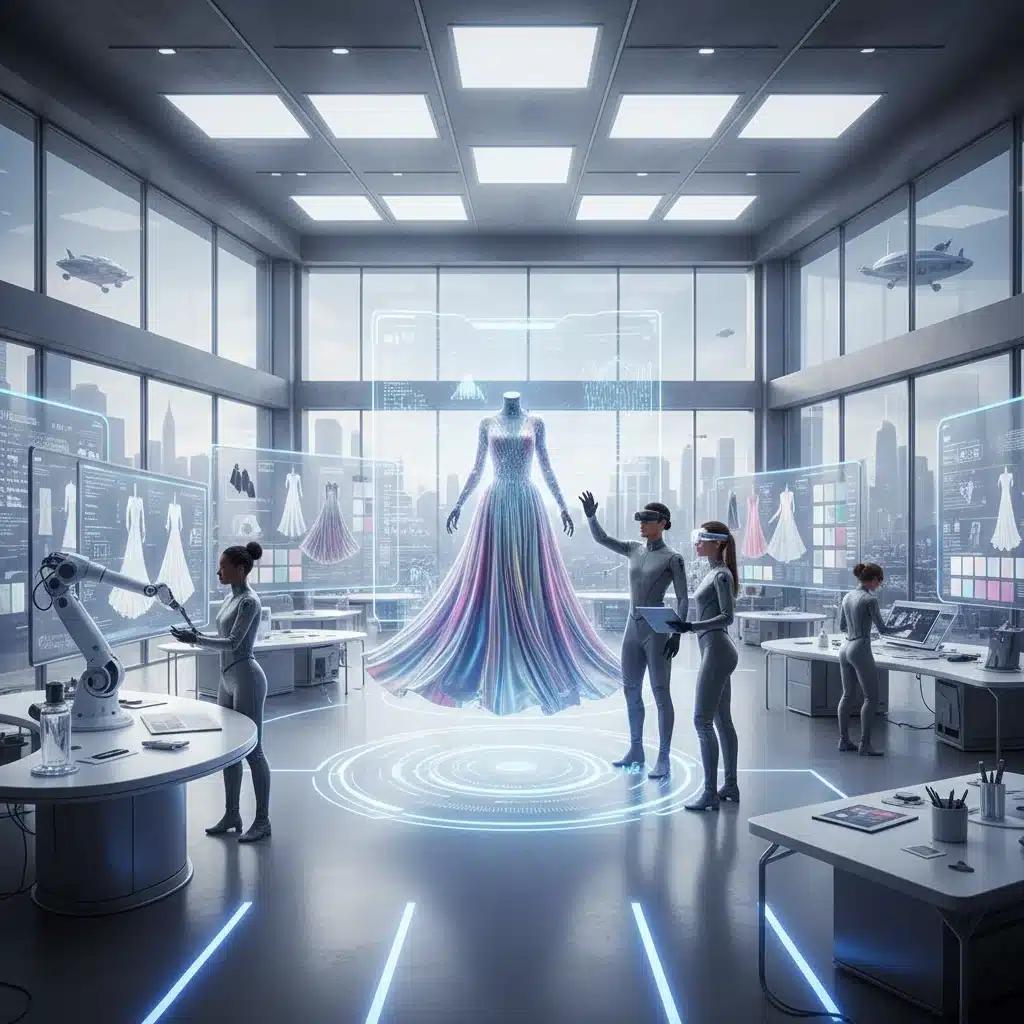
Beyond prediction, AI is also venturing into the realm of design creation itself. Generative Adversarial Networks (GANs) and other machine learning models can produce novel design concepts, patterns, and even entire garment prototypes based on specified parameters. A designer might input criteria such as target demographic, desired aesthetic, or sustainable material constraints, and the AI can generate a multitude of design variations that meet those requirements.
This doesn’t mean AI replaces human creativity; rather, it augments it. Designers can use AI as a powerful brainstorming tool, exploring design possibilities that might otherwise have been overlooked. It frees up creative professionals from repetitive tasks, allowing them to focus on refining concepts, adding their unique artistic touch, and ensuring brand consistency. The collaboration between human ingenuity and artificial intelligence leads to a more efficient and innovative design process.
Consider a scenario where a designer needs to create a new line of activewear inspired by geometric patterns and sustainable fabrics. Instead of manually sketching dozens of variations, an AI tool could generate hundreds of unique patterns and garment structures in minutes, showcasing how they would look on different body types and in various digital environments. The designer then curates and refines these AI-generated options, blending technology with their artistic vision.
The ability of AI fashion design to rapidly iterate and visualize designs also significantly shortens the design cycle. What once took weeks or months of physical prototyping can now be done virtually in a fraction of the time, leading to faster time-to-market and increased responsiveness to fleeting trends.
2. Streamlining Production and Supply Chain with AI: Efficiency and Agility
The traditional fashion supply chain is notoriously complex, fragmented, and often inefficient. From raw material sourcing to manufacturing, logistics, and distribution, each step presents opportunities for delays, waste, and increased costs. AI is revolutionizing these operational aspects, injecting a new level of intelligence and automation that promises greater efficiency, agility, and transparency in U.S. apparel creation.
Optimized Manufacturing and Inventory Management
AI-powered systems can optimize manufacturing processes by analyzing production data to identify bottlenecks, predict equipment failures, and suggest more efficient workflows. This leads to reduced downtime, improved quality control, and faster production cycles. In smart factories, AI can even manage robotic automation, coordinating tasks to ensure seamless flow from cutting to assembly.
Inventory management is another area where AI shines. By accurately forecasting demand (as discussed above), AI minimizes the need for large buffer stocks, reducing storage costs and the risk of obsolete inventory. Real-time tracking of inventory levels, combined with predictive analytics, allows brands to replenish stock precisely when needed, preventing both stockouts and overstocking. This ‘just-in-time’ approach, powered by AI, is critical for financial health and environmental sustainability.
Furthermore, AI can help in dynamic pricing strategies, adjusting prices based on demand, competitor activity, and inventory levels, thereby maximizing revenue and minimizing unsold goods. This level of responsiveness is crucial in the fast-paced fashion industry.
Enhancing Supply Chain Visibility and Traceability
The global nature of fashion supply chains makes transparency a significant challenge. Consumers are increasingly demanding to know the origin of their clothes, the conditions under which they were made, and their environmental footprint. AI, often combined with blockchain technology, can provide unprecedented visibility into the entire supply chain.
AI algorithms can track raw materials from their source, monitor manufacturing processes in different factories, and follow garments through various distribution channels. This end-to-end traceability helps identify ethical sourcing issues, verify sustainable practices, and quickly pinpoint problems like delays or quality control failures. For U.S. apparel brands, this means not only enhanced operational control but also improved brand reputation and consumer trust.
Consider the complexity of sourcing organic cotton or recycled polyester. AI can verify certifications, track shipments, and provide data on the environmental impact of each stage. This data-driven transparency is vital for brands committed to corporate social responsibility and for consumers who prioritize ethical consumption.
Logistics and Delivery Optimization
From the factory floor to the customer’s doorstep, AI optimizes logistics. Route optimization algorithms reduce fuel consumption and delivery times, while warehouse automation, guided by AI, improves picking and packing efficiency. In the last mile delivery, AI can predict optimal delivery windows and manage fleets of vehicles or even drones, further enhancing customer satisfaction and operational cost-effectiveness.
The agile supply chain, enabled by AI fashion design applications, allows U.S. apparel companies to respond rapidly to market changes, whether it’s a sudden surge in demand for a particular item or a disruption in a shipping route. This resilience is a significant competitive advantage in today’s unpredictable global economy.
3. Personalization and Customer Experience: Tailoring Fashion to the Individual
In an increasingly crowded market, personalization is key to capturing and retaining customer loyalty. AI is enabling U.S. apparel brands to offer highly tailored experiences, from personalized product recommendations to custom-designed garments, fundamentally changing the relationship between brands and consumers.
Hyper-Personalized Product Recommendations
Forget generic ‘you might also like’ suggestions. AI-powered recommendation engines analyze individual browsing history, purchase patterns, social media activity, and even real-time contextual data (like weather or location) to provide hyper-personalized product suggestions. These recommendations are so precise that they often feel like the brand truly understands the customer’s unique style and needs.
For example, an AI could recommend a specific jacket not just because the customer looked at similar jackets, but because it matches other items in their past purchases, aligns with their stated style preferences, and is suitable for the current season in their geographical area. This level of tailored communication enhances the shopping experience, increases conversion rates, and fosters a deeper connection with the brand.
Virtual stylists, powered by AI, are also becoming more sophisticated. These digital assistants can help customers build outfits, suggest accessories, and offer style advice based on their body type, preferences, and even their current mood, all through interactive interfaces on websites or apps.
Customization and Made-to-Order Models
The dream of mass customization is becoming a reality thanks to AI fashion design. AI can facilitate made-to-order models where garments are produced only after a customer places an order, often with personalized modifications. This approach drastically reduces waste associated with mass production and allows customers to truly express their individuality.
AI can assist in various stages of customization. For instance, customers could use AI-driven tools to design their own prints, choose specific fabric textures, or modify garment dimensions to achieve a perfect fit. AI algorithms can then translate these customer specifications into manufacturing instructions, seamlessly integrating with automated production machinery.
Companies are exploring AI-powered body scanning technologies that can accurately measure a customer’s body, providing precise data for custom-fit clothing. This not only solves the common problem of ill-fitting garments but also opens up new revenue streams for brands willing to invest in bespoke services at a scalable level.
Enhanced Customer Support and Engagement
AI-powered chatbots and virtual assistants are transforming customer service in the apparel sector. These tools can handle a vast array of customer inquiries, from tracking orders and processing returns to answering product-specific questions, providing instant support 24/7. This improves customer satisfaction and frees up human customer service agents to handle more complex issues.
Beyond problem-solving, AI also enhances engagement. Brands can use AI to analyze customer feedback, sentiment, and preferences from various channels, gaining valuable insights that inform future design decisions and marketing campaigns. This continuous feedback loop ensures that brands remain aligned with their customer base, fostering loyalty and driving repeat business.
The ability of AI to create immersive virtual try-on experiences further blurrs the lines between online and offline shopping. Customers can virtually ‘wear’ garments using augmented reality (AR) apps, seeing how they look and fit without physically trying them on. This reduces returns, increases confidence in online purchases, and adds an exciting, interactive dimension to the shopping journey.
Challenges and Ethical Considerations in AI Fashion Design
While the benefits of AI fashion design are undeniable, its widespread adoption also brings forth a set of challenges and ethical considerations that the U.S. apparel industry must address. These include data privacy, algorithmic bias, job displacement, and the need for human oversight.
Data Privacy and Security
AI systems thrive on data, and in the context of personalization, this often involves collecting sensitive customer information. Ensuring the privacy and security of this data is paramount. Brands must adhere to strict data protection regulations (like GDPR and CCPA) and maintain transparent policies on how customer data is collected, stored, and used. Any breach of trust can have severe repercussions for a brand’s reputation and financial health.
Algorithmic Bias
AI algorithms are only as unbiased as the data they are trained on. If the training data reflects existing societal biases, the AI can perpetuate or even amplify them. In fashion, this could lead to AI-generated designs or recommendations that lack diversity, cater only to specific body types or demographics, or reinforce harmful stereotypes. Developers and fashion brands must actively work to ensure their AI models are trained on diverse and representative datasets to promote inclusivity and avoid discriminatory outcomes.
Job Displacement and the Evolving Workforce
The automation brought by AI will inevitably change job roles within the fashion industry. While some repetitive tasks may be automated, new roles requiring AI literacy, data analysis, and creative collaboration with AI tools will emerge. The challenge lies in upskilling the existing workforce and preparing future generations for a fashion industry where human-AI collaboration is the norm. This requires investment in education, training, and a flexible approach to career development.
The Need for Human Oversight and Creativity
Despite AI’s capabilities, human creativity, intuition, and ethical judgment remain indispensable. AI is a tool, albeit a powerful one, and it requires human guidance to set objectives, interpret results, and ensure that the ultimate output aligns with brand values and artistic vision. The most successful implementations of AI fashion design will be those that foster a symbiotic relationship between humans and machines, leveraging the strengths of both.
The Future Landscape of U.S. Apparel by 2026
By 2026, the U.S. apparel landscape will be significantly shaped by the pervasive influence of AI fashion design. We will see a more agile, responsive, and data-driven industry capable of producing fashion that is not only beautiful but also sustainable and highly personalized. The traditional seasonal calendar might give way to continuous, on-demand creation, driven by real-time trend analysis and consumer feedback.
Small and large brands alike will leverage AI to democratize design, enabling independent designers to access sophisticated tools previously available only to large corporations. This could lead to a surge in niche markets and highly specialized fashion offerings, catering to diverse tastes and preferences.
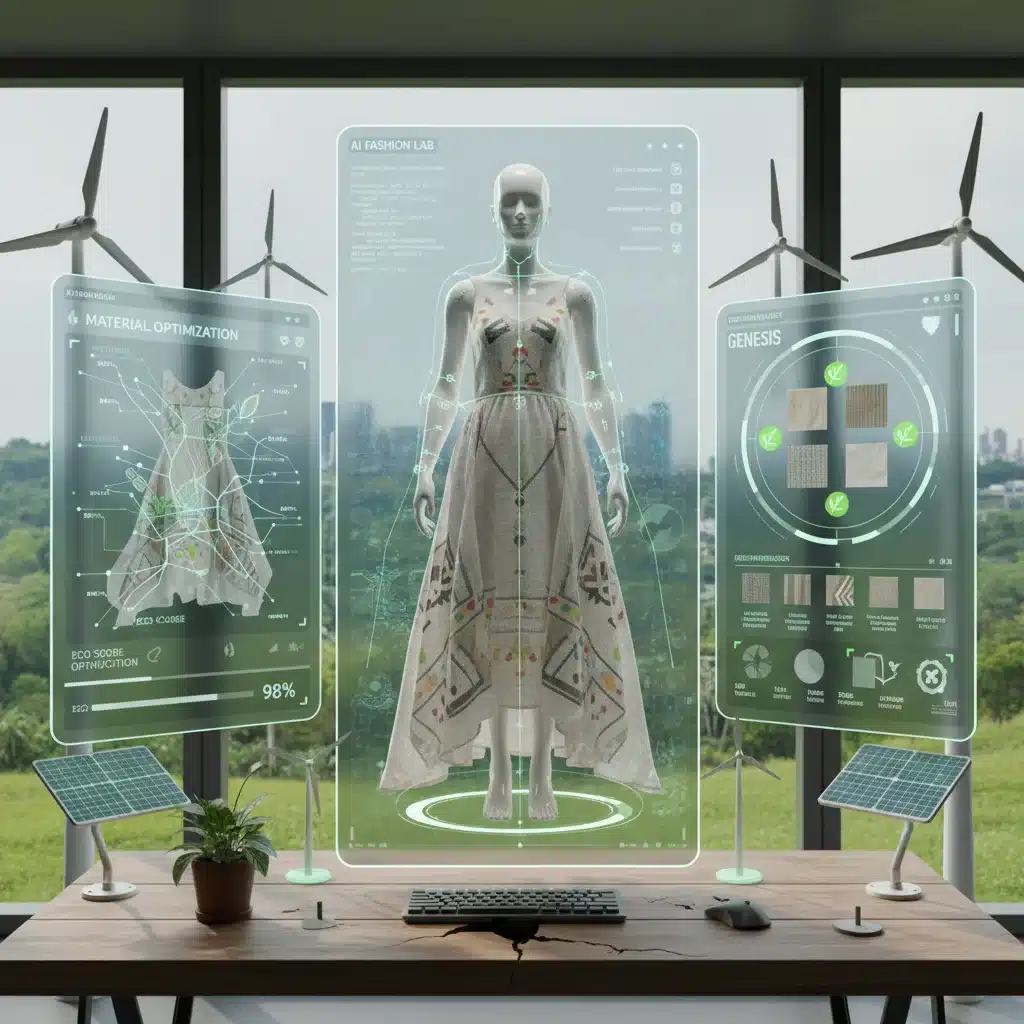
Sustainability will move from a buzzword to an ingrained practice, with AI optimizing material usage, reducing waste, and providing transparent traceability throughout the supply chain. Consumers will be more informed and empowered, demanding ethical and eco-conscious products, and AI will be the engine that helps brands meet these demands.
Moreover, the retail experience itself will be transformed. Virtual try-ons, AI-powered personal shoppers, and immersive digital showrooms will become commonplace, blurring the lines between physical and digital shopping. The customer journey will be seamless, intuitive, and deeply personalized, fostering unprecedented levels of engagement and loyalty.
Conclusion: Embracing the AI Revolution in Fashion
The impact of AI on fashion design and U.S. apparel creation by 2026 is not a distant possibility but a rapidly unfolding reality. From revolutionizing trend forecasting and design ideation to streamlining complex supply chains and delivering hyper-personalized customer experiences, AI is fundamentally reshaping how fashion is conceived, produced, and consumed.
Brands that embrace AI fashion design will gain a significant competitive edge, characterized by increased efficiency, reduced waste, faster time-to-market, and stronger customer relationships. However, success will depend not just on technological adoption, but also on addressing the ethical implications and ensuring that human creativity and judgment remain at the core of the design process.
The future of U.S. fashion is intelligent, sustainable, and deeply personal. As AI continues to evolve, its collaborative potential with human designers will unlock new realms of creativity and innovation, leading to an industry that is more dynamic, responsible, and exciting than ever before. The next few years will be a pivotal period, defining the trajectory of fashion for decades to come, with AI leading the charge towards a smarter, more responsive apparel ecosystem.