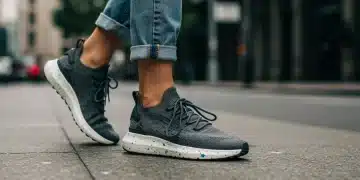
Sustainable Fashion Trends 2026: Eco-Conscious Styles for US Consumers
Advertisement
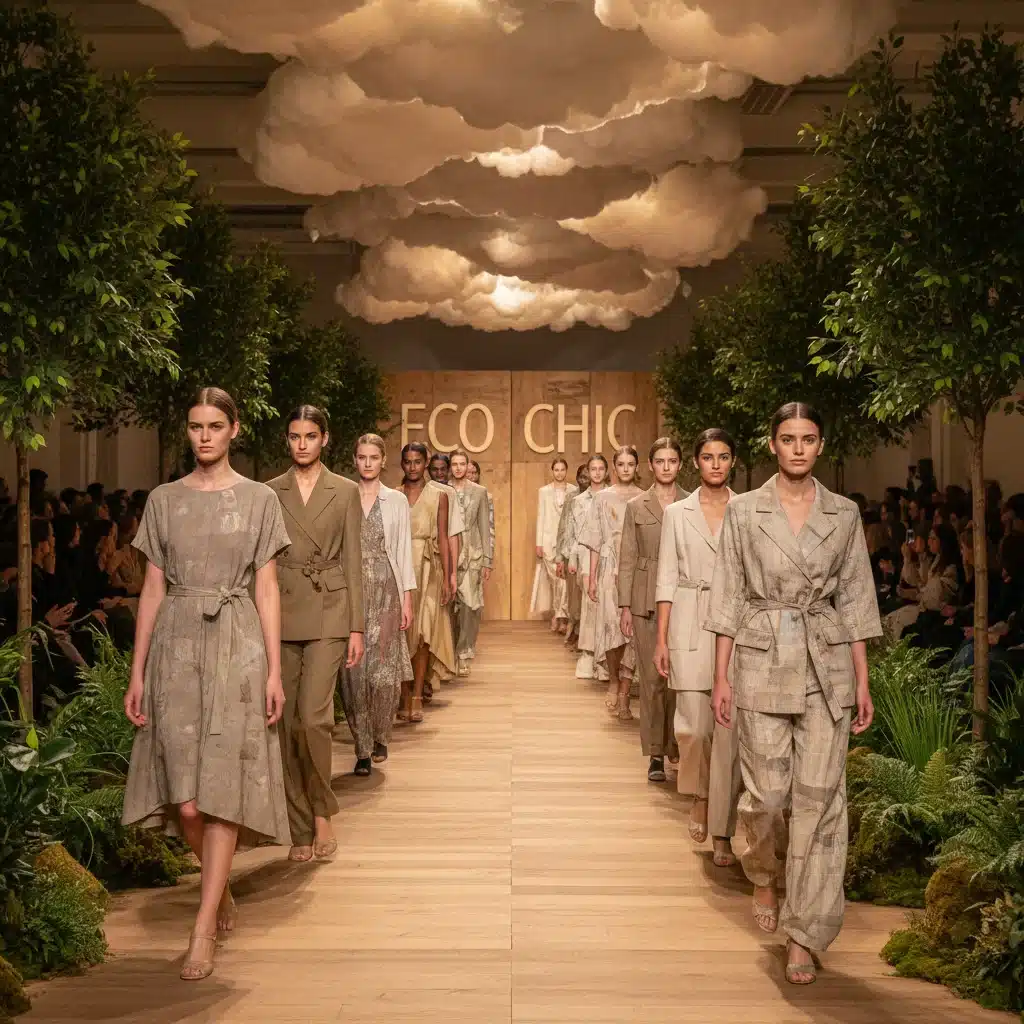
The Top 5 Sustainable Fashion Trends Dominating 2026: An Insider’s Look at Eco-Conscious Styles for the U.S. Consumer
In a world increasingly aware of its environmental footprint, the fashion industry is undergoing a profound transformation. Gone are the days when sustainability was a niche concept; by 2026, it will be the driving force behind consumer choices, particularly in the U.S. market. This article delves into the most impactful sustainable fashion trends that will define the upcoming year, offering an insider’s perspective on how eco-conscious styles are reshaping wardrobes and business models. From innovative materials to circular economies, we’ll explore how consumers and brands are collaborating to build a more responsible and stylish future.
The Shifting Landscape of Sustainable Fashion
The conversation around sustainable fashion trends has evolved dramatically. What once started as a focus on organic cotton has expanded into a complex web of ethical sourcing, transparent supply chains, waste reduction, and innovative material science. U.S. consumers, armed with more information and a growing sense of urgency, are actively seeking brands that align with their values. This demand is pushing the industry towards unprecedented levels of innovation and accountability. Understanding these shifts is crucial for anyone looking to navigate the future of fashion responsibly.
Why Sustainable Fashion Matters More Than Ever
The environmental and social impacts of fast fashion are well-documented. From excessive water consumption and chemical pollution to exploitative labor practices, the traditional fashion model has taken a heavy toll. As climate change accelerates and social inequalities persist, the imperative to adopt sustainable fashion trends becomes undeniable. Consumers are no longer content with superficial greenwashing; they demand genuine commitment to sustainability, transparency, and ethical production. This pressure from the consumer base is a powerful catalyst for change, forcing brands to rethink every aspect of their operations, from design to disposal.
Advertisement
Defining Sustainable Fashion for 2026
For 2026, sustainable fashion encompasses a holistic approach. It’s not just about using recycled materials; it’s about designing for longevity, minimizing waste at every stage, ensuring fair wages and safe working conditions, reducing carbon emissions, and embracing circularity. The trends we will explore are interconnected, each contributing to a more resilient and responsible fashion ecosystem. The U.S. market, with its significant purchasing power and influence, is at the forefront of this movement, setting benchmarks for global sustainable fashion trends.
Trend 1: The Rise of Regenerative and Bio-Engineered Textiles
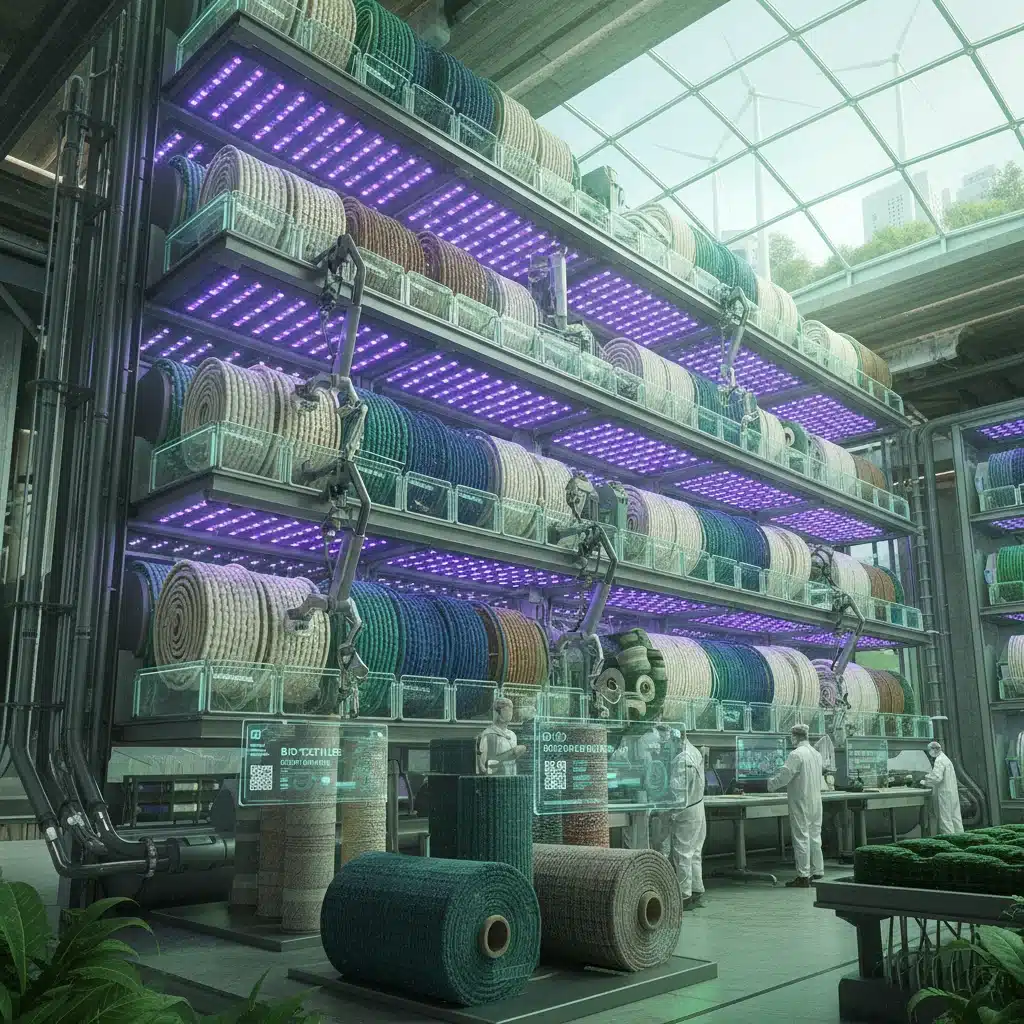
One of the most exciting sustainable fashion trends for 2026 is the widespread adoption of regenerative and bio-engineered textiles. This goes beyond simply organic farming; regenerative agriculture focuses on restoring soil health, biodiversity, and ecosystem services, ultimately sequestering carbon from the atmosphere. Materials like regenerative cotton, wool from pastured sheep, and hemp grown using regenerative practices are gaining significant traction. These textiles not only reduce environmental harm but actively contribute to ecological restoration.
Mycelium, Algae, and Lab-Grown Wonders
Beyond natural fibers, bio-engineered materials are set to revolutionize the industry. Mycelium-based leathers (derived from fungi), algae-based fibers, and lab-grown silks are moving from experimental phases to commercial scalability. These innovations offer alternatives to resource-intensive materials, often requiring less water, land, and chemicals. Brands are investing heavily in research and development to bring these cutting-edge materials to market, appealing to consumers who prioritize both performance and planetary well-being. The U.S. consumer is increasingly open to these novel materials, recognizing their potential to drastically reduce fashion’s environmental footprint. This shift is a core component of future sustainable fashion trends.
Advertisement
Traceability and Transparency in Material Sourcing
Accompanying the rise of these innovative materials is an intensified focus on traceability and transparency. Consumers want to know where their clothes come from, how they were made, and what impact they had. Blockchain technology and advanced digital tracking systems are becoming standard, allowing brands to provide verifiable information about their supply chains. This transparency builds trust and empowers consumers to make truly informed choices, further solidifying the importance of ethical material sourcing within sustainable fashion trends.
Trend 2: Circular Fashion Systems and Extended Product Lifecycles
The concept of a linear ‘take-make-dispose’ model is rapidly becoming obsolete. By 2026, circular fashion systems will be a cornerstone of sustainable fashion trends. This involves designing products for durability, repairability, and recyclability, ensuring that materials remain in use for as long as possible and are eventually reintegrated into the production cycle rather than ending up in landfills.
Repair, Resale, and Rental Revolution
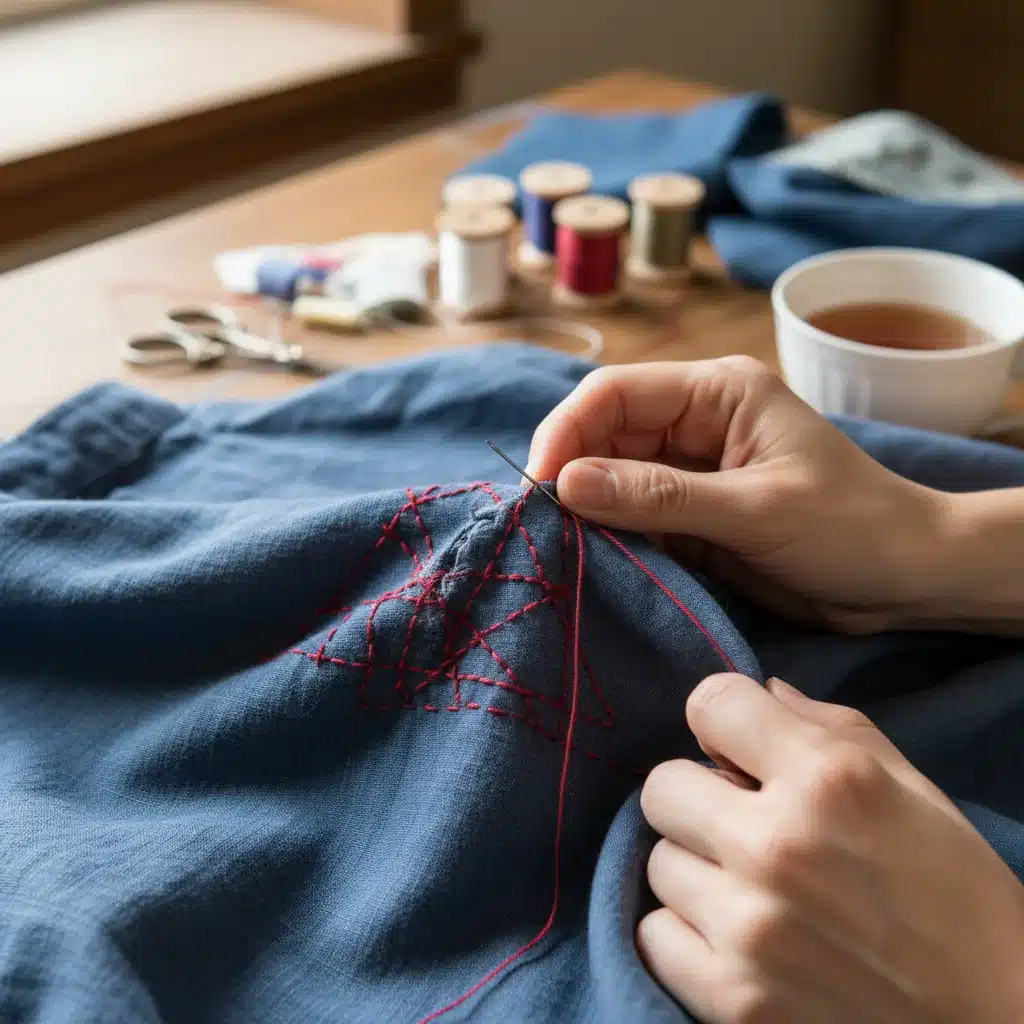
The growth of repair services, resale platforms, and clothing rental models is exponential. Brands are actively launching their own take-back programs, offering repairs, or partnering with resale giants. The U.S. market, in particular, has seen a boom in platforms like ThredUp, Poshmark, and Rent the Runway, which are making pre-owned and rented clothing more accessible and desirable. This not only extends the life of garments but also democratizes access to high-quality fashion, reducing the need for new production. Investing in durable, classic pieces that can be repaired or resold aligns perfectly with these evolving sustainable fashion trends.
Design for Disassembly and Recycling
A crucial aspect of circularity is designing garments with their end-of-life in mind. This means using mono-materials (fabrics made from a single type of fiber) or easily separable components to facilitate recycling. Brands are exploring innovative recycling technologies that can break down textiles into their original fibers, ready to be spun into new yarns. The goal is a closed-loop system where waste is minimized, and resources are continually reused. This forward-thinking design philosophy is a definitive marker of advanced sustainable fashion trends.
Trend 3: Hyper-Local Production and On-Demand Manufacturing
Reducing carbon emissions associated with transportation and minimizing overproduction are key drivers behind the third major trend: hyper-local production and on-demand manufacturing. This decentralizes the supply chain, bringing production closer to the consumer and allowing for more agile, waste-reducing practices.
Micro-Factories and 3D Printing
The rise of micro-factories equipped with advanced technology like 3D printing, robotic sewing, and automated cutting systems is making localized production economically viable. These smaller, more efficient facilities can produce garments in smaller batches or even on demand, responding quickly to consumer preferences without creating excess inventory. This significantly reduces waste from unsold goods, a major problem in traditional fashion. For the U.S. consumer, this means potentially faster delivery times and a greater connection to where their clothes are made, reinforcing sustainable fashion trends.
Reshoring and Ethical Labor Practices
Hyper-local production also facilitates better oversight of labor conditions, ensuring fair wages and safe environments. As brands increasingly reshore some aspects of their manufacturing, they can more easily monitor and guarantee ethical practices, responding to growing consumer demand for social responsibility. This shift not only supports local economies but also enhances the overall ethical standing of the brand, a vital element of modern sustainable fashion trends.
Trend 4: Digital Fashion and Virtual Experiences
While physical garments remain central, digital fashion and virtual experiences are emerging as powerful sustainable fashion trends. This trend addresses sustainability by reducing the need for physical samples, offering virtual try-ons, and creating entirely digital wardrobes that consume no physical resources.
Reducing Waste Through Digital Prototyping
Designers are increasingly using 3D design software to create virtual prototypes, eliminating the need for numerous physical samples during the development process. This drastically reduces material waste, water usage, and energy consumption associated with sample production. Virtual fashion shows and digital lookbooks also minimize the carbon footprint associated with traditional marketing and logistics, aligning with eco-conscious goals.
The Metaverse and Digital Wardrobes
The metaverse and other virtual worlds are opening up new avenues for fashion expression. Consumers can purchase digital outfits for their avatars, experiment with styles without buying physical clothes, and even engage with brands in immersive virtual environments. This digital realm offers a truly zero-waste way to explore fashion, providing an alternative to constant physical consumption. As the metaverse expands, digital fashion will become an increasingly relevant aspect of sustainable fashion trends, particularly among younger, tech-savvy U.S. consumers.
Trend 5: Conscious Consumerism and Values-Driven Purchasing
Perhaps the most overarching and impactful of all sustainable fashion trends is the continued growth of conscious consumerism. U.S. consumers are becoming increasingly sophisticated in their understanding of sustainability and are actively seeking brands that demonstrate genuine commitment to ethical and environmental principles.
Beyond Greenwashing: Demand for Authenticity
Consumers are adept at spotting greenwashing and are demanding authenticity from brands. Certifications (like GOTS, Fair Trade, B Corp), transparent impact reports, and clear communication about sustainable practices are becoming non-negotiable. Brands that truly embed sustainability into their core values and communicate it effectively will gain a significant competitive advantage. This demand for authenticity drives the market towards more ethical practices.
Longevity and Investment Pieces
The shift away from disposable fashion towards investment pieces is a key indicator of conscious consumerism. Consumers are willing to pay more for high-quality, durable garments that will last for years, reducing the need for frequent replacements. This emphasis on longevity aligns perfectly with the principles of slow fashion and circularity, making it a powerful force within sustainable fashion trends. The U.S. consumer is increasingly valuing craftsmanship, timeless design, and the story behind their clothing.
Community and Collective Action
Conscious consumerism also fosters a sense of community and collective action. Consumers are engaging in online forums, social media groups, and local initiatives to share knowledge, support sustainable brands, and advocate for change. This collective power amplifies the impact of individual choices, pushing the entire industry towards a more sustainable future. This collaborative spirit is essential for the widespread adoption of sustainable fashion trends.
Navigating the Future of Fashion as a U.S. Consumer
For the U.S. consumer, embracing these sustainable fashion trends means making informed choices and supporting brands that are genuinely committed to positive change. It involves asking critical questions: What are my clothes made of? Who made them? How long will they last? What happens to them at the end of their life?
Practical Steps for a Sustainable Wardrobe
- Educate Yourself: Learn about sustainable materials, certifications, and ethical labor practices.
- Buy Less, Choose Well: Invest in high-quality, versatile pieces that you love and that will last.
- Embrace Secondhand: Explore resale platforms, vintage shops, and consignment stores.
- Repair and Care: Learn basic mending skills and properly care for your garments to extend their lifespan.
- Support Sustainable Brands: Research brands that are transparent about their supply chains and environmental commitments.
- Utilize Rental and Swapping: Consider renting formal wear or participating in clothing swaps to refresh your wardrobe without new purchases.
- Demand Transparency: Use your voice as a consumer to encourage brands to be more open about their practices.
By actively participating in these sustainable fashion trends, U.S. consumers can drive significant change, transforming the industry into one that respects both people and the planet. The future of fashion is not just about what we wear, but how it’s made, and the values it represents.