The 2026 Impact of AI on Fashion Retail: 4 Ways Technology is Changing Your US Shopping Experience
The year is 2026, and if you’re a fashion enthusiast in the United States, your shopping experience has likely undergone a seismic shift. Artificial intelligence (AI), once a futuristic concept, has now seamlessly woven itself into the fabric of the retail industry, particularly in fashion. This isn’t just about chatbots on websites; it’s a profound transformation impacting everything from how clothes are designed and manufactured to how you discover and purchase them. The rise of AI fashion retail is not merely an incremental change; it’s a revolution, redefining convenience, personalization, and sustainability. Let’s delve into four critical ways AI is reshaping the US fashion retail landscape by 2026, offering a glimpse into the future of your wardrobe.
1. Hyper-Personalized Shopping Journeys: Your Digital Stylist, Powered by AI
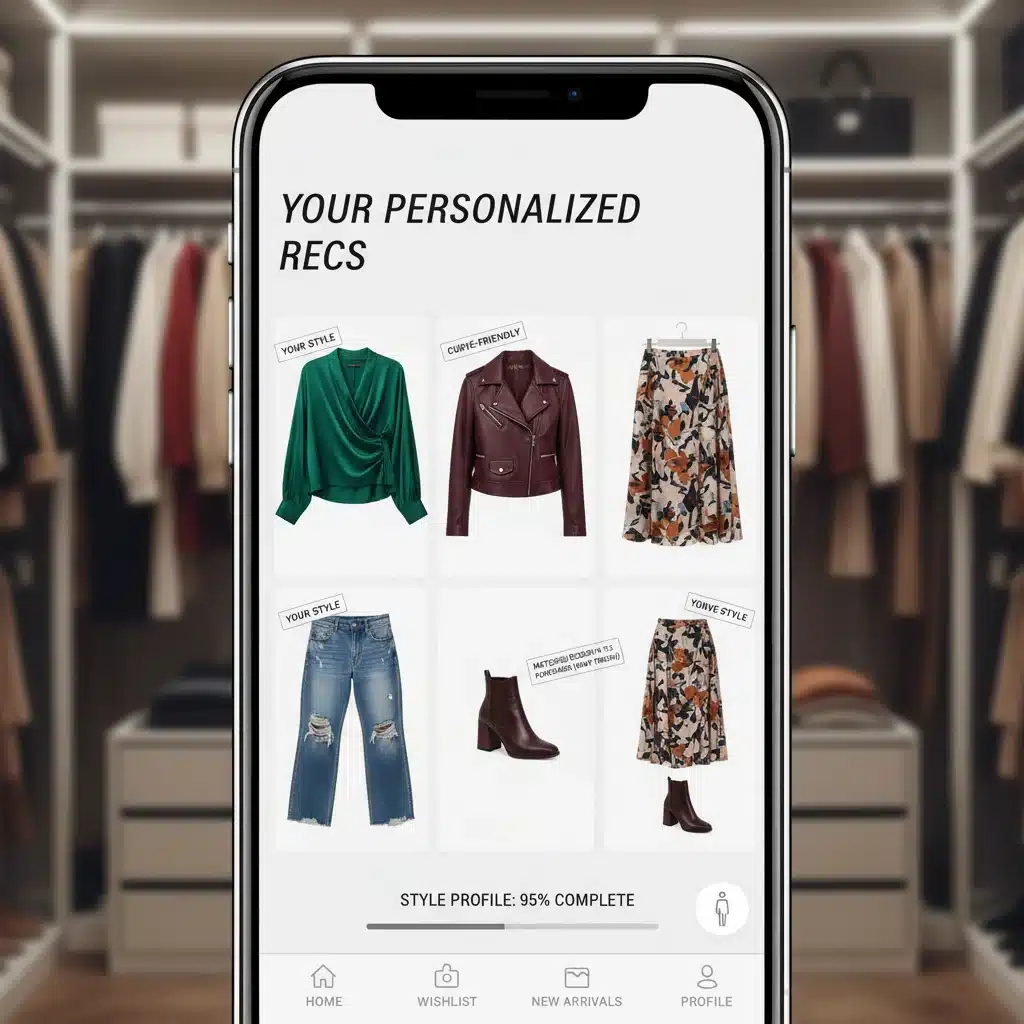
Gone are the days of endless scrolling through generic product catalogs or trying on dozens of ill-fitting garments in a changing room. By 2026, AI fashion retail has elevated personalization to an art form. Imagine walking into a store, and a digital avatar, powered by AI, greets you by name, already aware of your recent purchases, browsing history, preferred styles, and even your body measurements. This isn’t science fiction; it’s the reality of AI-driven personalized shopping.
AI algorithms now analyze vast datasets, including your social media activity, fashion blog subscriptions, celebrity style preferences, and even weather patterns in your location, to curate a highly individualized selection of clothing. E-commerce platforms leverage AI to create dynamic storefronts that adapt in real-time to your preferences. Recommendation engines are no longer just suggesting similar items; they are acting as sophisticated digital stylists, understanding your unique aesthetic and predicting what you’ll love before you even know it yourself.
Advertisement
Virtual try-on experiences, powered by augmented reality (AR) and AI, have become commonplace. You can now realistically ‘wear’ outfits on your digital twin from the comfort of your home, seeing how different sizes and styles drape on your body. This dramatically reduces returns, a significant pain point for both consumers and retailers. Furthermore, AI is enabling bespoke clothing services to scale. By analyzing your precise measurements and style data, AI can assist designers in creating custom-fit garments tailored specifically for you, making high-end customization accessible to a broader market. This level of personalization fosters a deeper connection between the consumer and the brand, creating a more engaging and satisfying shopping journey in the era of AI fashion retail.
2. Optimized Supply Chains and Inventory Management: Efficiency from Factory to Closet
The fashion industry has historically been plagued by inefficiencies in its supply chain, leading to overproduction, waste, and missed opportunities. By 2026, AI fashion retail has largely revolutionized this aspect, bringing unprecedented levels of optimization. AI-powered predictive analytics now forecast demand with remarkable accuracy, taking into account seasonal trends, social media buzz, economic indicators, and even micro-trends identified from real-time consumer data. This allows retailers to produce and stock only what is likely to sell, drastically reducing excess inventory and the associated environmental impact.
Robotics and automation, guided by AI, are transforming warehouses and distribution centers. Autonomous robots manage inventory, pick and pack orders with incredible speed and precision, and even conduct quality control. This not only speeds up delivery times but also minimizes human error and operational costs. Real-time tracking systems, integrated with AI, provide end-to-end visibility of the supply chain, from the raw material source to the customer’s doorstep. This transparency helps identify bottlenecks, mitigate risks, and ensure ethical sourcing practices.
Advertisement
Furthermore, AI is instrumental in dynamic pricing strategies. Instead of static pricing, AI algorithms analyze competitor pricing, demand fluctuations, inventory levels, and customer behavior to adjust prices in real-time, maximizing revenue for retailers while offering competitive deals to consumers. The entire ecosystem, from manufacturing schedules to logistics, is orchestrated by AI, making the fashion supply chain leaner, greener, and significantly more responsive to market changes. This efficiency is a cornerstone of modern AI fashion retail.
3. Sustainable Fashion Practices: AI as an Eco-Conscious Catalyst
One of the most significant and hopeful impacts of AI fashion retail by 2026 is its role in fostering greater sustainability within the industry. Fashion has long been criticized for its environmental footprint, from excessive water consumption and chemical pollution to textile waste. AI offers powerful solutions to these challenges.
As mentioned, AI’s ability to accurately predict demand significantly reduces overproduction, which is a major contributor to textile waste. Beyond that, AI is being used in the design phase to optimize material usage. Generative design AI can create patterns that minimize fabric scraps, and algorithms can identify the most sustainable materials based on their lifecycle impact, from cultivation to disposal. This helps designers make more environmentally responsible choices from the outset.
AI also plays a crucial role in improving recycling and upcycling efforts. Computer vision and machine learning models are being developed to rapidly sort and identify different textile compositions, making the recycling process more efficient and scalable. AI can even identify garments that are suitable for upcycling or repair, extending their lifespan and reducing the need for new production. Blockchain technology, often integrated with AI, provides an immutable ledger for tracking garments throughout their lifecycle, ensuring transparency in their origin, materials, and disposal, thereby combating greenwashing and promoting genuine sustainability.
For consumers, AI-powered apps provide information on the environmental impact of their purchases, suggest eco-friendly alternatives, and even guide them on garment care to prolong clothing life. The emphasis on ‘circular fashion’ – where products are designed for durability, reuse, and recycling – is heavily supported by AI technologies, making the fashion industry not just more profitable, but also more responsible. This commitment to sustainability is a defining characteristic of the evolving AI fashion retail landscape.
4. Enhanced Customer Service and In-Store Experiences: Blending Digital with Physical
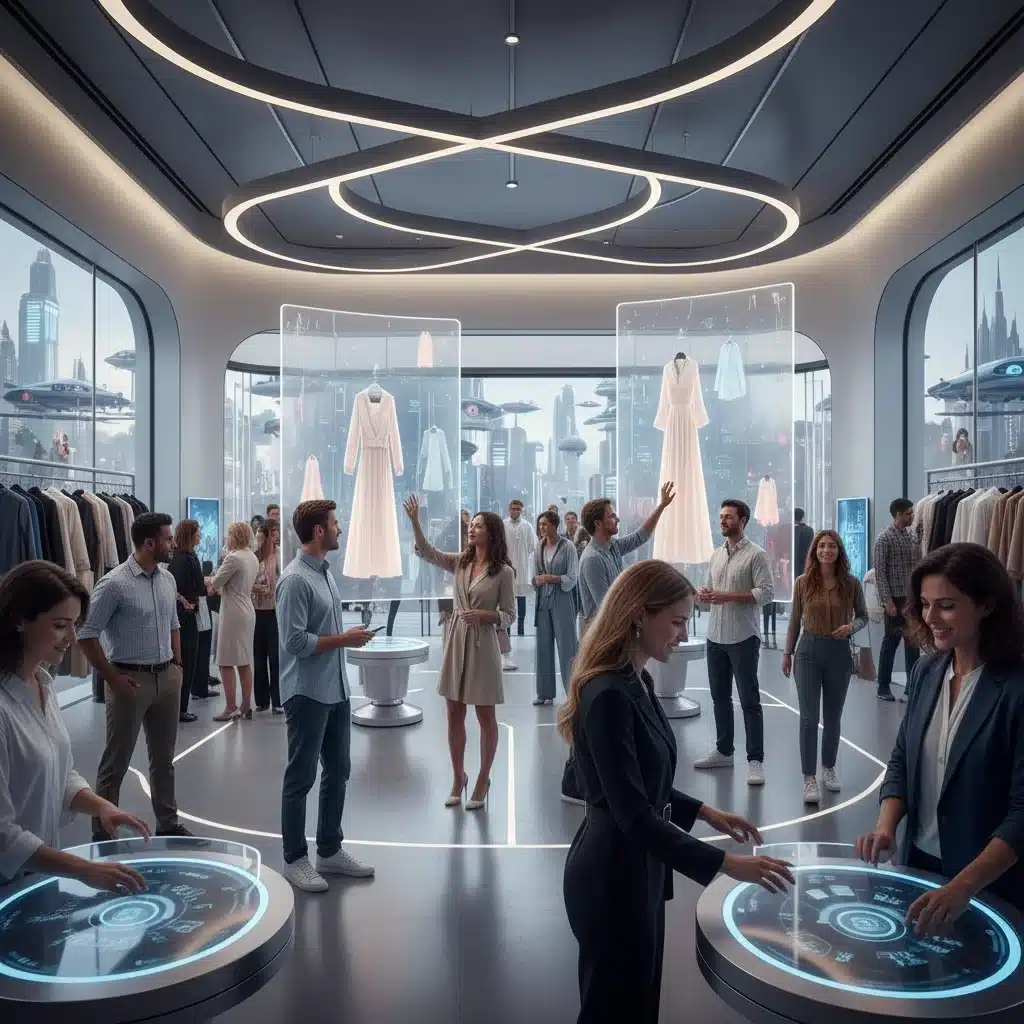
While online shopping has soared, physical retail stores are far from obsolete. By 2026, AI fashion retail has redefined the in-store experience, blending the best of digital convenience with the tactile pleasure of physical shopping. AI-powered smart mirrors are now a common sight, allowing customers to virtually try on clothes, get style recommendations, and even see how an outfit looks in different lighting conditions or against various backgrounds, all without physically changing.
In-store robots, guided by AI, assist with inventory management, ensuring shelves are always stocked, and even offer basic customer service, guiding shoppers to specific departments or products. AI-driven analytics track foot traffic patterns, popular product displays, and customer interactions within the store, providing valuable insights to optimize store layouts and merchandising strategies in real-time. This allows retailers to create more intuitive and engaging physical environments.

Customer service has also seen a significant upgrade. While human associates remain crucial for complex interactions, AI-powered chatbots and virtual assistants handle routine inquiries, appointment scheduling for personal stylists, and provide instant product information. This frees up human staff to focus on more nuanced customer needs, offering a more personalized and high-touch service. Post-purchase support is also enhanced, with AI monitoring feedback, processing returns efficiently, and even proactively offering solutions to potential issues. The synergy between AI and human interaction creates a seamless and highly satisfying shopping journey, whether online or offline, reinforcing the impact of AI fashion retail.
The Future is Now: Embracing the AI Fashion Retail Revolution
The transformation driven by AI fashion retail is not a distant dream; it is the present reality for consumers and businesses alike in the US by 2026. From the moment a garment is conceived to the instant it’s delivered to your door (or even recycled), AI is playing an increasingly vital role. We’ve moved beyond rudimentary algorithms to sophisticated systems that understand nuances of style, predict market shifts, and optimize complex global operations.
For consumers, this means a shopping experience that is more personalized, convenient, and ethically conscious than ever before. No more sifting through irrelevant items; instead, a curated selection that truly resonates with your individual taste. No more waiting endlessly for deliveries; instead, streamlined logistics that bring your purchases to you faster. And perhaps most importantly, a growing awareness and accessibility of sustainable fashion choices, driven by AI’s ability to reduce waste and promote circular practices.
For retailers, the adoption of AI is no longer optional; it’s a strategic imperative. Those who embrace these technologies are gaining significant competitive advantages, from increased operational efficiency and reduced costs to enhanced customer loyalty and brand reputation. The ability to forecast trends with precision, manage inventory dynamically, and personalize customer interactions at scale is paramount in today’s fast-paced market.
However, the journey of AI fashion retail is not without its considerations. Ethical AI development, data privacy, and the need for human oversight remain critical aspects that the industry must continuously address. Ensuring that AI serves to augment human creativity and decision-making, rather than replace it entirely, is key to its successful integration.
As we look ahead, the continuous evolution of AI promises even more groundbreaking innovations. Imagine AI designing entire collections based on real-time global sentiment, or hyper-local micro-factories producing garments on demand, virtually eliminating waste. The potential is limitless.
In conclusion, the 2026 landscape of US fashion retail is vibrant, dynamic, and undeniably shaped by artificial intelligence. It’s an exciting time for fashion, where technology and creativity converge to offer an unparalleled shopping experience. So, the next time you find that perfect outfit, remember the silent, intelligent force working behind the scenes, making your fashion dreams a reality. The future of fashion is intelligent, and it’s here.