Capsule Wardrobe 2026: The Ultimate US Consumer Guide to Practical Style
Advertisement
Are you tired of staring at a closet full of clothes with nothing to wear? Do you dream of a simpler, more intentional approach to your personal style? Welcome to the world of the capsule wardrobe. In 2026, as US consumers increasingly prioritize sustainability, mindfulness, and efficiency, the concept of a capsule wardrobe is more relevant than ever. This comprehensive capsule wardrobe guide will walk you through every step of creating a functional, stylish, and sustainable wardrobe that truly reflects your best self.
A capsule wardrobe is essentially a collection of essential, versatile clothing items that can be mixed and matched to create numerous outfits. The goal is to maximize wearability while minimizing clutter and decision fatigue. It’s not about sacrificing style; it’s about refining it. It’s about quality over quantity, conscious consumption, and understanding your personal aesthetic.
For US consumers, the appeal of a capsule wardrobe extends beyond mere aesthetics. It’s a practical solution to fast fashion’s environmental impact, a way to save money by investing in durable pieces, and a method to reduce daily stress by streamlining your choices. By 2026, the shift towards more deliberate purchasing habits is undeniable, making this capsule wardrobe guide an invaluable resource.
Understanding the Core Principles of a Capsule Wardrobe
Before diving into the practical steps, it’s crucial to grasp the foundational ideas behind a successful capsule wardrobe. These principles will guide your decisions and ensure your efforts lead to lasting results.
1. Quality Over Quantity
Instead of owning dozens of trendy, low-quality items, a capsule wardrobe champions fewer, higher-quality pieces. These items are designed to withstand time, both in terms of durability and timeless style. Investing in well-made garments means they’ll last longer, reducing the need for frequent replacements and ultimately saving you money in the long run. Think about fabrics that wear well, stitching that holds, and designs that transcend fleeting trends.
Advertisement
2. Versatility is Key
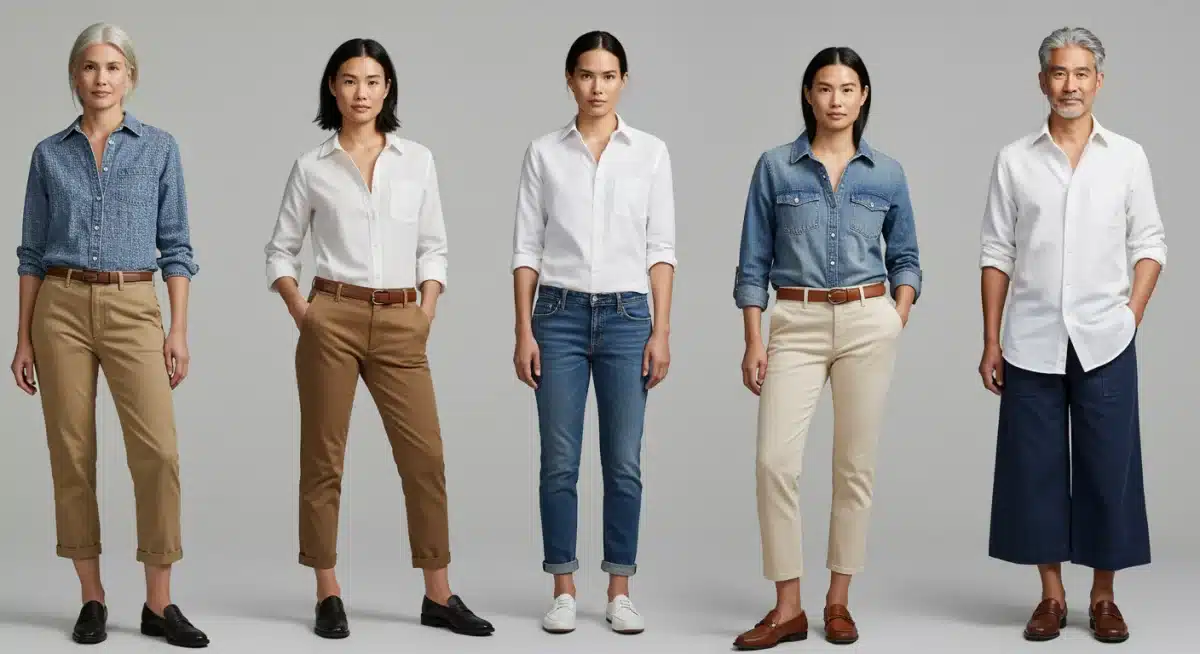
Every item in your capsule wardrobe should be able to pair with at least three other items. This multi-functional approach is what allows a small collection of clothes to generate a large number of outfits. Neutral colors (black, white, gray, navy, beige) often form the backbone of a capsule, as they are easily mixed and matched. Accent colors and patterns can then be introduced through a few select pieces or accessories.
3. Personal Style Reflection
Your capsule wardrobe should be a true reflection of your personal style, lifestyle, and needs. There’s no one-size-fits-all formula. A creative professional will have different needs than someone working in a corporate office, or a stay-at-home parent. Understanding your daily activities and what makes you feel confident and comfortable is paramount. This isn’t about conforming to a minimalist aesthetic if it doesn’t resonate with you; it’s about intentionality.
4. Seasonality and Adaptability
Many people build seasonal capsule wardrobes, rotating pieces in and out as the weather changes. This keeps your closet fresh and relevant without becoming overwhelming. However, some core pieces, like a classic t-shirt or a versatile pair of jeans, can remain year-round staples. The beauty of a capsule wardrobe guide is its adaptability to different climates and personal preferences across the US.
Advertisement
5. Conscious Consumption
Embracing a capsule wardrobe often goes hand-in-hand with a more sustainable mindset. It encourages you to think critically about where your clothes come from, how they’re made, and their environmental impact. This can involve researching ethical brands, opting for second-hand items, or choosing sustainable materials. It’s a powerful step towards reducing your fashion footprint.
Step-by-Step Guide to Building Your 2026 Capsule Wardrobe
Now that we’ve covered the fundamentals, let’s dive into the actionable steps to create your ideal capsule wardrobe guide for 2026.
Step 1: The Great Purge – Decluttering Your Existing Wardrobe
This is often the most daunting yet most liberating part of the process. You can’t build a new system on top of old clutter. Set aside a significant block of time (several hours, or even a full day) for this task.
Empty Everything Out:
Take every single item of clothing, every accessory, every shoe out of your closet and drawers. Pile it all on your bed. Seeing everything you own in one place can be a powerful motivator.
Categorize and Evaluate Each Item:
Pick up each item and ask yourself the following questions:
- Do I love it? Does it make me feel confident and happy when I wear it?
- Does it fit me well? (Be honest! Don’t keep things for ‘someday’.)
- Is it in good condition? Is it stained, ripped, or beyond repair?
- Have I worn it in the last year? If not, why?
- Does it align with my current lifestyle?
- Is it versatile? Can it be styled in multiple ways?
Create Piles:
Based on your answers, sort your clothes into four distinct piles:
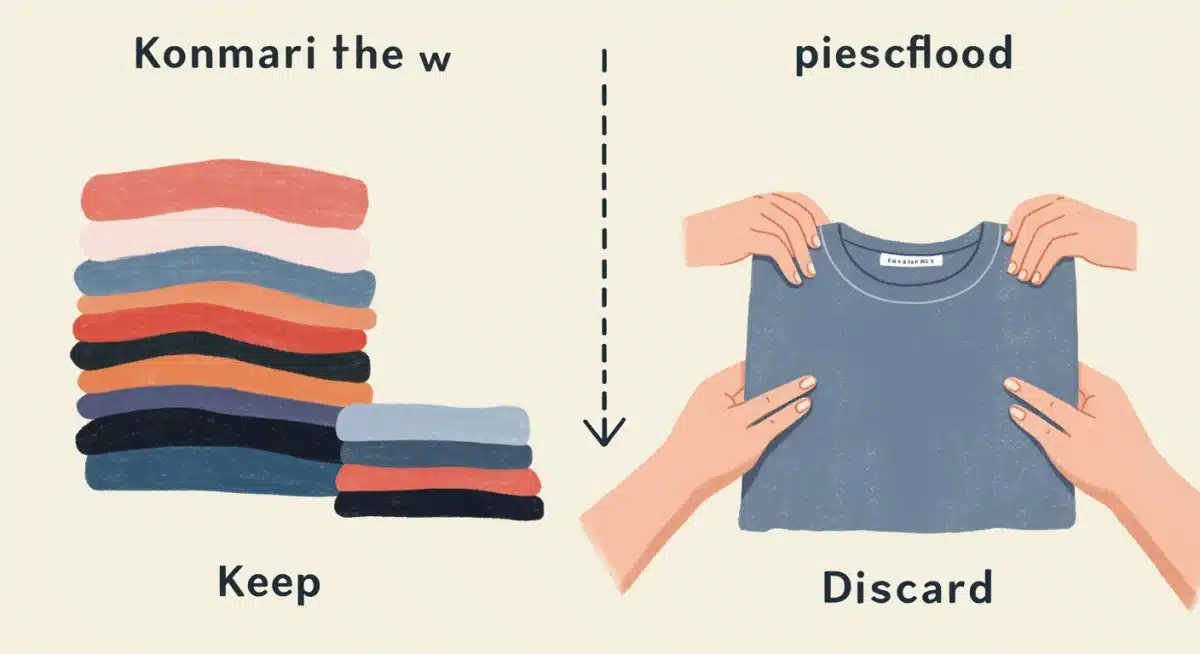
- Keep: Items you love, wear regularly, and that fit well. These are the potential building blocks of your capsule.
- Donate/Sell: Items in good condition that you no longer wear or need. Consider local charities, consignment stores, or online marketplaces.
- Repair/Alter: Items you love but need a minor fix (e.g., a missing button, a hem adjustment). Set these aside with a plan to address them.
- Discard: Items that are too worn, damaged, or beyond repair.
Be ruthless but kind to yourself. This process is about creating space, both physically and mentally. Don’t feel pressured to get rid of everything instantly. If you’re unsure about an item, place it in a ‘maybe’ box and revisit it in a month or two. If you haven’t thought about it, it’s likely safe to let it go.
Step 2: Define Your Personal Style and Lifestyle Needs
This critical step ensures your capsule wardrobe guide is tailored specifically for you. Your wardrobe should serve your life, not the other way around.
Analyze Your Lifestyle:
Think about your typical week. What activities do you engage in most frequently? (e.g., office work, remote work, parenting, gym, social events, outdoor activities, casual errands). Assign a percentage to each category. This will help you determine the proportion of different types of clothing you need.
- Work Attire: Do you need business professional, business casual, or very relaxed work-from-home wear?
- Casual Wear: What do you wear for downtime, weekends, and errands?
- Special Occasion: How often do you need formal or semi-formal outfits?
- Activewear: Are you a gym-goer or an outdoor enthusiast?
Identify Your Style Aesthetic:
What words describe your ideal style? (e.g., classic, minimalist, bohemian, edgy, preppy, sophisticated, comfortable, sporty). Look for inspiration on Pinterest, Instagram, or fashion blogs. Create a mood board. Notice recurring themes, colors, silhouettes, and fabrics that resonate with you.
Determine Your Color Palette:
Choose a core set of neutral colors (e.g., black, white, gray, navy, beige, olive green) that form the foundation of your wardrobe. Then, select 2-3 accent colors that you love and that complement your core neutrals. These accent colors will add personality and vibrancy without compromising versatility. For US consumers, popular choices often include earthy tones, classic blues, and muted pastels.
Step 3: Building Your Core Capsule Pieces
With your clutter gone and your style defined, it’s time to start assembling your capsule wardrobe guide. The exact number of items can vary, but many aim for anywhere between 30-50 items (including shoes and outerwear, excluding underwear, socks, and sleepwear).
Tops (around 10-15 items):
- Basic T-shirts: 3-5 in neutral colors (white, black, gray, navy).
- Long-sleeved tops/sweaters: 2-4 for layering or cooler weather.
- Blouses/Dress shirts: 2-3 for work or dressier occasions.
- Casual tops: 2-3 unique pieces that reflect your style (e.g., a striped tee, a printed top).
Bottoms (around 5-7 items):
- Jeans: 1-2 versatile pairs (e.g., dark wash straight leg, light wash skinny/boyfriend).
- Trousers: 1-2 pairs for work or dressier occasions (e.g., black tailored pants, chinos).
- Skirts/Dresses: 1-2 versatile options (e.g., a black pencil skirt, a simple midi dress).
- Shorts: 1-2 pairs for warmer weather (if applicable to your climate).
Outerwear (around 3-5 items):
- Light jacket: 1 (e.g., denim jacket, utility jacket, blazer).
- Mid-weight coat: 1 (e.g., trench coat, wool coat).
- Heavy coat: 1 (if you live in a cold climate).
- Cardigan/Sweater: 1-2 for layering.
Shoes (around 3-5 pairs):
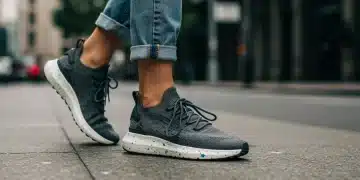
- Everyday comfortable shoes: 1 pair (e.g., sneakers, flats, loafers).
- Dressier shoes: 1 pair (e.g., heels, ankle boots, dressy flats).
- Seasonal shoes: 1-2 pairs (e.g., sandals for summer, warm boots for winter).
Accessories:
Accessories are the secret sauce of a capsule wardrobe. They allow you to transform outfits without adding many clothing items. Focus on:
- Scarves: Versatile for warmth or adding a pop of color.
- Belts: To define waistlines and add polish.
- Jewelry: Few key pieces that reflect your style.
- Handbags: 2-3 versatile bags (e.g., a tote, a cross-body, an evening clutch).
Step 4: Shopping with Intention (If Needed)
After your purge, you might find some gaps in your wardrobe. This is where intentional shopping comes in. Before you buy anything, refer back to your personal style, lifestyle needs, and color palette. This is a crucial part of building your capsule wardrobe guide effectively.
Make a Shopping List:
Be specific about what you need (e.g., ‘black crew-neck merino wool sweater,’ ‘dark wash straight-leg jeans’). Resist impulse buys.
Prioritize Quality and Fit:
Remember the ‘quality over quantity’ principle. Look for durable fabrics, good construction, and a flattering fit. It’s better to save up for one high-quality item than to buy several cheap alternatives.
Consider Second-Hand:
Thrift stores, consignment shops, and online resale platforms (like Poshmark, ThredUp, Depop) are excellent resources for finding unique, high-quality pieces at a fraction of the cost, aligning with sustainable practices.
Avoid Trends (Mostly):
While it’s okay to incorporate a few on-trend accessories, your core capsule should consist of timeless pieces that won’t go out of style quickly. This ensures longevity and reduces the need for constant updates.
Step 5: Organizing and Maintaining Your Capsule Wardrobe
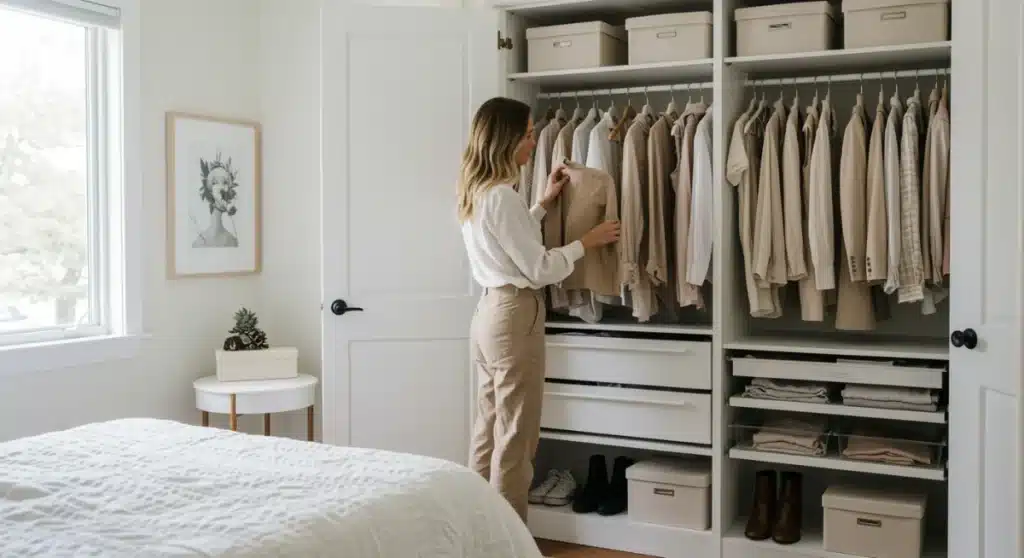
A well-organized closet is essential for a functional capsule wardrobe. It allows you to see all your options and make quick, easy outfit choices.
Organize Visually:
Hang items that wrinkle easily. Fold sweaters and t-shirts to prevent stretching. Organize by type (tops, bottoms, dresses) and then by color. This makes it easier to find what you need.
Utilize Storage Solutions:
Use slim hangers to maximize space. Drawer dividers can keep folded items neat. Consider under-bed storage for off-season items or ‘maybe’ boxes.
Regular Reviews:
Periodically (e.g., seasonally or every few months), review your capsule. Are there items you haven’t worn? Do you need to replace anything? This keeps your wardrobe fresh and prevents it from creeping back into clutter.
Benefits of Adopting a Capsule Wardrobe in 2026 for US Consumers
Embracing a capsule wardrobe offers a multitude of advantages, impacting not just your closet but various aspects of your life. This capsule wardrobe guide highlights why it’s a smart choice for the modern US consumer.
1. Saves Time and Reduces Decision Fatigue
Imagine effortlessly putting together an outfit every morning. With fewer, more versatile choices, you spend less time deliberating and more time focusing on what truly matters. This reduction in daily decision-making can free up mental energy for more important tasks, a significant benefit in today’s fast-paced world.
2. Saves Money in the Long Run
While the initial investment in higher-quality pieces might seem larger, a capsule wardrobe ultimately saves you money. You buy fewer items, and those items last longer, reducing the need for constant replacements. You’ll also be less susceptible to impulse purchases and fleeting trends.
3. Promotes Sustainability and Ethical Consumption
By reducing the sheer volume of clothing you purchase and choosing durable items, you actively contribute to slowing down the fast fashion cycle. This means less textile waste in landfills and a reduced demand for environmentally intensive production practices. Many people who adopt a capsule wardrobe also become more interested in ethical sourcing and sustainable brands, making this a powerful tool for conscious consumption in the US.
4. Reduces Stress and Clutter
A minimalist closet is a calming closet. Less clutter means less visual noise and a greater sense of order in your personal space. This can translate to reduced stress and a more peaceful start to your day.
5. Enhances Personal Style and Confidence
Contrary to popular belief, a capsule wardrobe doesn’t limit your style; it refines it. By focusing on pieces that truly suit you and your lifestyle, you develop a stronger understanding of your aesthetic. This intentionality leads to outfits that feel more authentic and boost your confidence.
6. Simplifies Travel and Packing
With a well-curated capsule, packing for trips becomes incredibly easy. All your items are designed to mix and match, allowing you to create numerous outfits with a minimal number of pieces, saving you baggage fees and hassle.
Common Pitfalls to Avoid in Your Capsule Wardrobe Journey
While the concept is straightforward, there are common mistakes that can derail your capsule wardrobe efforts. Being aware of these can help you navigate your journey more smoothly.
1. Buying Too Many ‘Basic’ Items
While neutrals are crucial, don’t let your wardrobe become bland. A capsule wardrobe guide isn’t about sacrificing personality. Ensure you have a few pieces with unique textures, subtle patterns, or your chosen accent colors to keep things interesting.
2. Not Considering Your Lifestyle Changes
Life evolves, and so should your wardrobe. If you change jobs, move to a different climate, or your daily activities shift, your capsule might need adjustments. Be flexible and willing to re-evaluate.
3. Falling for ‘Capsule Wardrobe Rules’ Too Rigidly
There’s no magic number of items. The ’30-item rule’ or ’40-item rule’ are guidelines, not strict laws. Your capsule should work for YOU. Don’t feel pressured to conform to someone else’s ideal if it doesn’t fit your needs.
4. Forgetting About Accessories
Accessories are powerful transformers. Neglecting them can make your outfits feel repetitive. Invest in a few versatile scarves, belts, and pieces of jewelry to add variety.
5. Impulse Shopping After the Purge
The post-purge high can sometimes lead to a shopping spree to ‘fill the gaps.’ Stick to your meticulously created shopping list. Every new item should be a thoughtful addition.
6. Not Accounting for Laundry Cycles
If you only have a few key items, consider how often you do laundry. You need enough items to last between washes, especially for frequently worn pieces like underwear and basic tops.
Future-Proofing Your Capsule Wardrobe for 2026 and Beyond
As we look towards 2026, the principles of a capsule wardrobe align perfectly with broader societal trends towards conscious living and environmental responsibility. Here’s how to ensure your capsule remains relevant and effective:
Embrace Digital Wardrobe Planning Tools:
Utilize apps and digital platforms designed to help you plan outfits, track wear, and manage your inventory. These tools can provide insights into what you actually wear and help identify gaps or underutilized items. This is a modern approach to managing your capsule wardrobe guide.
Stay Informed on Sustainable Practices:
Keep an eye on brands that are innovating in sustainable materials, ethical production, and circular fashion models (e.g., clothing rental, repair services). Support these businesses when you do need to make new purchases.
Prioritize Comfort and Functionality:
The pandemic significantly shifted fashion priorities towards comfort. This trend is likely to continue. Ensure your capsule incorporates comfortable yet stylish pieces that can transition easily between different settings.
Focus on Timeless Silhouettes:
While minor trends come and go, classic silhouettes (e.g., straight-leg trousers, a well-fitted blazer, an A-line skirt) tend to endure. These form the backbone of a truly future-proof wardrobe.
Develop a Personal Uniform:
Many successful individuals (think Steve Jobs, Barack Obama) adopt a ‘personal uniform’ – a go-to combination of items that simplifies daily dressing. This doesn’t mean wearing the exact same thing every day, but having a few trusted outfit formulas that always work for you.
Conclusion: Your Journey to a Simplified, Stylish Life
Building a capsule wardrobe in 2026 is more than just a fashion choice; it’s a lifestyle upgrade. It’s about taking control of your consumption, understanding your personal style, and simplifying your daily routines. This comprehensive capsule wardrobe guide for US consumers provides you with the framework and practical solutions to achieve a closet that is both functional and beautiful.
Remember, your capsule wardrobe is a living, evolving entity. It will adapt as your life changes, your preferences shift, and new sustainable options emerge. Embrace the process, enjoy the clarity it brings, and relish the confidence that comes from owning a wardrobe that truly serves you.
Start today by taking that first step: the great purge. You’ll be amazed at the transformation not only in your closet but in your overall sense of peace and purpose. Welcome to the future of intentional style!