Decoding Gen Z’s 2026 Fashion Choices: 7 Key Aesthetic Shifts Influencing U.S. Retailers Now
Advertisement
Decoding Gen Z’s 2026 Fashion Choices: 7 Key Aesthetic Shifts Influencing U.S. Retailers Now
The fashion industry is in a constant state of flux, but perhaps no demographic has driven change as rapidly and profoundly as Gen Z. As we look towards 2026, understanding the intricate nuances of Gen Z fashion trends is not just beneficial for U.S. retailers; it’s absolutely critical for survival and growth. This generation, born roughly between 1997 and 2012, possesses a unique blend of digital native instincts, a strong ethical compass, and an unparalleled desire for authentic self-expression. Their purchasing power is growing, and their influence on broader cultural trends is undeniable. Ignoring their evolving preferences is akin to navigating a storm without a compass.
What exactly defines Gen Z’s aesthetic? It’s a complex tapestry woven from threads of individuality, sustainability, inclusivity, and digital integration. They are not beholden to traditional fashion cycles or brand loyalties in the same way previous generations were. Instead, they curate their personal style from a vast, interconnected digital landscape, often favoring niche aesthetics over mainstream uniformity. For U.S. retailers, this presents both significant challenges and immense opportunities. The brands that can authentically connect with these values and adapt their offerings will be the ones that thrive in the coming years. This comprehensive guide will delve into seven pivotal aesthetic shifts that are poised to dominate Gen Z’s fashion choices by 2026, providing actionable insights for retailers to pivot, innovate, and capture this dynamic market.
1. The Rise of Hyper-Personalization and Micro-Trends
One of the most defining characteristics of Gen Z fashion trends is their rejection of monolithic trends in favor of hyper-personalization. This generation thrives on individuality and uses fashion as a primary tool for self-expression. By 2026, we’ll see an acceleration of micro-trends – highly specific, often short-lived aesthetics that emerge and dissipate rapidly, largely fueled by platforms like TikTok and Instagram. These aren’t just fleeting fads; they represent a deep dive into niche communities and subcultures, from ‘Dark Academia’ to ‘Cottagecore,’ ‘Y2K Revival’ to ‘Gorpcore,’ and new aesthetics yet to be named.
Advertisement
For U.S. retailers, this means moving away from mass-market, one-size-fits-all collections. Instead, the focus must shift towards offering a diverse range of styles that allow for individual curation. This could involve modular clothing, customizable pieces, or a broader inventory that caters to multiple micro-aesthetics simultaneously. Data analytics will become even more crucial, enabling retailers to identify emerging micro-trends and respond with agile supply chains. Brands that can quickly pivot and offer limited-edition drops aligned with these fleeting aesthetics will gain significant traction. The challenge lies in maintaining brand identity while embracing this fluidity. Success will come to those who can provide the building blocks for Gen Z to construct their own unique fashion narratives, rather than dictating a singular style.
2. Sustainability as a Non-Negotiable Aesthetic
For Gen Z, sustainability isn’t just a buzzword; it’s an inherent part of their worldview and, consequently, their fashion choices. By 2026, sustainable practices will be less of a niche offering and more of a non-negotiable aesthetic expectation. This extends beyond just eco-friendly materials to encompass ethical labor practices, transparency in supply chains, circular fashion models (resale, rental, repair), and a general aversion to fast fashion’s wasteful cycles. They are acutely aware of the environmental and social impact of their consumption habits, and their fashion choices reflect this deep-seated concern.
Retailers must embed sustainability into every facet of their operations, from design and sourcing to manufacturing and end-of-life solutions for garments. This means investing in innovative sustainable materials, promoting fair trade, reducing waste, and offering clear, verifiable information about a product’s lifecycle. Brands that can authentically communicate their sustainable efforts, and whose practices align with their messaging, will build trust and loyalty. Those that engage in ‘greenwashing’ will be quickly exposed and rejected. The aesthetic here is one of conscious consumption – clothes that tell a story of responsible production, durability, and timelessness, even within evolving trends. Upcycled, recycled, and vintage pieces will continue to gain popularity, making second-hand and consignment models vital for retailers to explore.
Advertisement
3. The Blurring Lines: Gender-Fluid and Androgynous Styles
Gen Z largely rejects traditional gender binaries, and this liberation is profoundly impacting fashion. By 2026, gender-fluid androgynous styles will be mainstream, moving beyond niche runways into everyday retail offerings. This isn’t about erasing gender expression but expanding it, allowing individuals to dress in ways that authentically reflect their identity, irrespective of traditional gender norms. Clothes will increasingly be designed and marketed without specific gender labels, focusing instead on fit, silhouette, and aesthetic appeal.
U.S. retailers need to rethink their store layouts, product categorization, and marketing campaigns to reflect this shift. Dedicated ‘men’s’ and ‘women’s’ sections may become obsolete, replaced by more fluid, aesthetic-based merchandising. Collections will feature looser fits, versatile silhouettes, and a broader spectrum of colors and patterns that appeal across the gender spectrum. This shift requires a fundamental change in design philosophy, moving towards universal appeal and allowing the wearer to define the garment’s gender. Brands that champion inclusivity in their messaging and product lines will resonate strongly with Gen Z, fostering a sense of belonging and understanding that transcends traditional boundaries.
4. Digital Fashion and the Metaverse Integration
As digital natives, Gen Z seamlessly integrates their online and offline lives. By 2026, digital fashion will be a significant, tangible aspect of their aesthetic, extending beyond mere gaming skins to virtual clothing for avatars, AR filters for social media, and even NFTs of unique garments. The metaverse, still in its nascent stages, represents a vast new frontier for fashion, where creativity is unbound by physical limitations. This isn’t just about showing off in virtual worlds; it’s about digital identity and expression that mirrors, and sometimes even precedes, physical fashion choices.
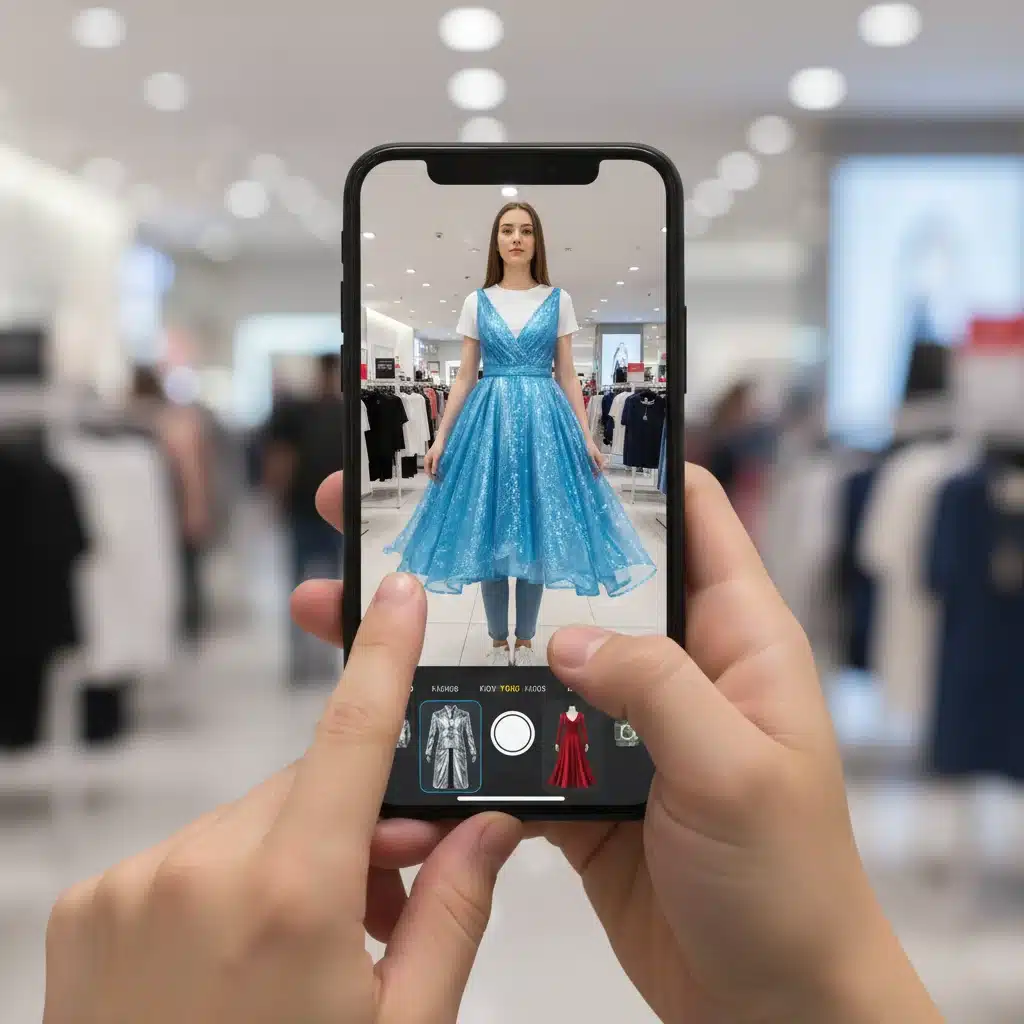
Retailers must invest in digital fashion capabilities, exploring opportunities to create virtual collections, collaborate with metaverse platforms, and offer AR try-on experiences. This could involve selling digital twins of physical garments, creating exclusive virtual-only pieces, or leveraging NFTs for authenticity and ownership. The aesthetic here is experimental, boundary-pushing, and often fantastical, allowing for expressions that might be impractical or impossible in the physical world. Brands that embrace this digital frontier will not only capture Gen Z’s attention but also position themselves as forward-thinking innovators. The convergence of physical and digital fashion will create exciting new retail models and consumer experiences.
5. Comfort-Centric Maximalism and ‘Dopamine Dressing’
While minimalism has had its moment, Gen Z is increasingly leaning into a comfort-centric maximalism, often dubbed ‘dopamine dressing.’ By 2026, this aesthetic will be characterized by bold colors, playful patterns, eclectic layering, and an overall sense of joyous, uninhibited self-expression, all while prioritizing comfort. The post-pandemic world has solidified the importance of comfort, but Gen Z refuses to sacrifice style for it. They want both – clothes that feel good and look exciting.
For U.S. retailers, this translates into offering a wide array of vibrant hues, interesting textures, oversized silhouettes, and statement accessories. Think comfortable loungewear elements integrated into everyday outfits, unexpected color combinations, and a mix-and-match approach to different styles and eras. The aesthetic is about injecting fun and personality into daily wear, using clothing as a mood booster. Retailers should focus on playful collaborations, limited-edition drops of highly expressive pieces, and marketing that emphasizes joy, creativity, and comfort. The key is to offer pieces that allow for individual interpretation and bold styling, encouraging consumers to experiment and embrace their unique ‘dopamine’ palette.
6. The ‘New Vintage’ and Archival Appreciation
Gen Z’s appreciation for authenticity and sustainability naturally extends to vintage and archival fashion. By 2026, the ‘new vintage’ aesthetic will be highly sophisticated, moving beyond simple thrift store finds to a curated appreciation for quality, craftsmanship, and unique historical pieces. This isn’t just about nostalgia; it’s about finding unique items that stand out, telling a story, and contributing to a more circular fashion economy. They value the rarity and individuality that vintage pieces offer, often mixing them seamlessly with contemporary items.
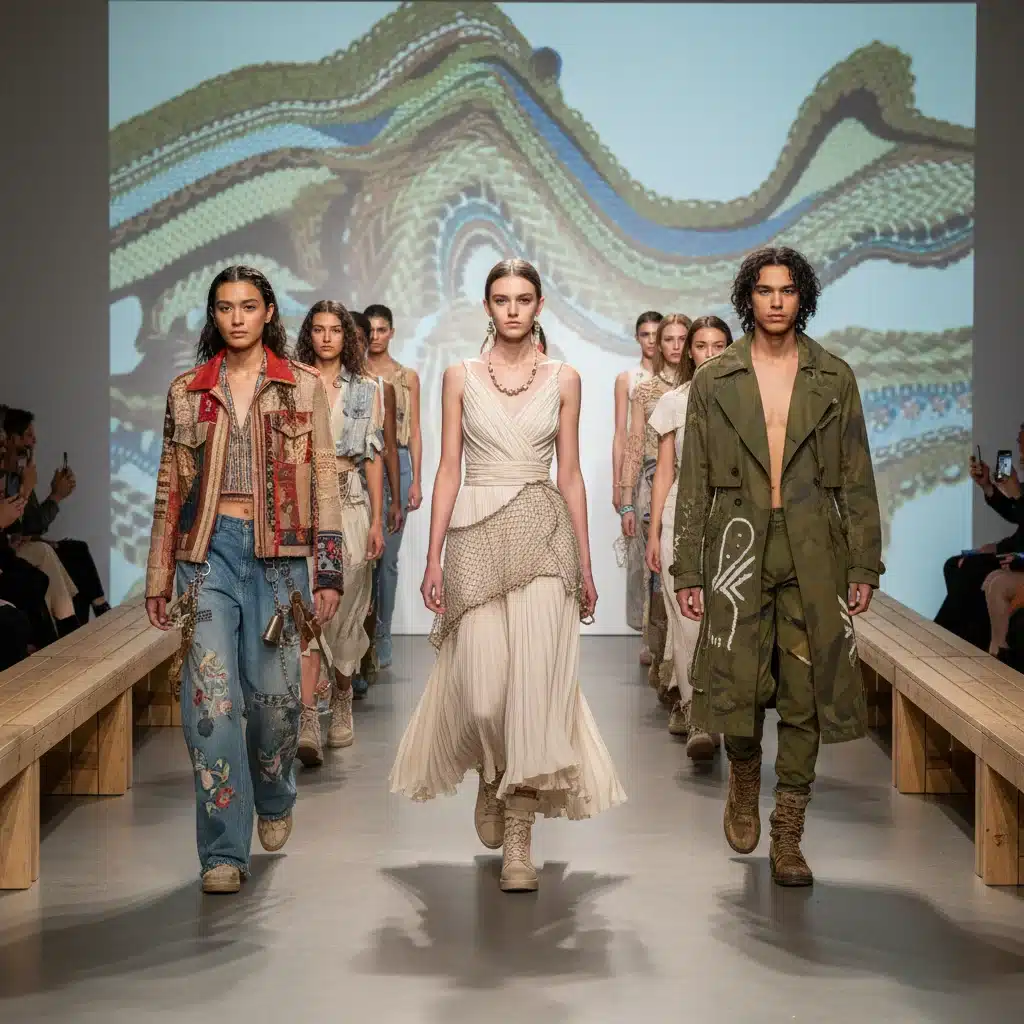
U.S. retailers can capitalize on this by integrating vintage and resale models into their business. This could involve curated vintage sections within stores, partnerships with consignment platforms, or even developing their own take-back and resale programs. Brands can also draw inspiration from their own archives, reissuing classic designs with a modern twist or highlighting the longevity and heritage of their products. The aesthetic is about intelligent sourcing, quality over quantity, and creating a unique personal style that transcends fleeting trends. Retailers should emphasize the narrative behind vintage pieces and the sustainable aspect of extending a garment’s life cycle, resonating deeply with Gen Z fashion trends.
7. The Influence of Global Streetwear and Cultural Fusion
Gen Z is a global generation, constantly exposed to diverse cultures and aesthetics through the internet. By 2026, the influence of global streetwear, particularly from East Asia (e.g., K-fashion, J-fashion) and burgeoning African and Latin American scenes, will be even more pronounced in U.S. fashion. This isn’t mere appropriation but a genuine appreciation and fusion of diverse cultural elements, leading to a rich, hybrid aesthetic. They are drawn to unique silhouettes, innovative textiles, bold graphics, and the distinctive storytelling embedded in these global styles.
Retailers need to expand their sourcing and design inspirations beyond traditional Western fashion capitals. Collaborations with international designers, exposure to global fashion weeks, and a keen eye on social media trends from around the world will be essential. This aesthetic is characterized by a blend of comfort and edge, often featuring oversized fits, utilitarian details, and graphic elements. It’s about celebrating diversity and incorporating unique cultural motifs into everyday wear. Brands that can authentically represent and incorporate these global influences, while respecting their origins, will find a receptive audience among Gen Z, who value cultural exchange and a broadened aesthetic perspective. This fusion creates dynamic and unexpected combinations, pushing the boundaries of conventional style and ensuring that Gen Z fashion trends remain vibrant and ever-evolving.
Strategies for U.S. Retailers to Thrive in the Gen Z Era
Navigating these aesthetic shifts requires more than just updating inventory; it demands a fundamental rethinking of retail strategy. Here are key takeaways for U.S. retailers aiming to connect with Gen Z by 2026:
- Embrace Agility and Data-Driven Insights: The rapid pace of micro-trends means retailers must be incredibly agile. Invest in robust data analytics to identify emerging aesthetics and consumer preferences quickly. Leverage AI for trend forecasting and inventory management to minimize waste and maximize responsiveness. This allows for smaller, more frequent drops rather than large seasonal collections, aligning with Gen Z’s desire for novelty and exclusivity.
- Authenticity and Transparency are Paramount: Gen Z values genuine connection. Be transparent about your supply chain, labor practices, and sustainability efforts. Authenticity in marketing, avoiding overly polished or aspirational imagery, will resonate more deeply than traditional advertising. Collaborate with micro-influencers who genuinely align with your brand values.
- Integrate Digital and Physical Experiences: The distinction between online and offline shopping is fading. Create seamless omnichannel experiences that blend digital engagement (AR try-ons, virtual showrooms, social commerce) with compelling in-store environments. Stores should become experiential hubs, offering more than just transactions – perhaps hosting workshops, pop-ups, or community events.
- Champion Inclusivity and Diversity: Beyond gender fluidity, ensure your brand represents a diverse range of body types, ethnicities, and backgrounds in your marketing and product offerings. Inclusivity should be embedded in your brand’s DNA, not just a marketing tactic. This includes offering a wide range of sizes and fits that cater to various body shapes.
- Focus on Community Building: Gen Z thrives on community. Foster a sense of belonging around your brand through social media engagement, user-generated content, and exclusive communities. Encourage customers to share their unique styling of your products, turning them into brand advocates.
- Innovate in Sustainability and Circularity: Move beyond basic sustainable materials. Explore rental models, repair services, take-back programs, and upcycling initiatives. Communicate your efforts clearly and make it easy for consumers to participate in a circular economy. This also means designing for durability and versatility, encouraging longevity of garments.
- Experiment with New Business Models: Consider subscription boxes for curated styles, limited-edition drops that create urgency, or direct-to-consumer models that allow for closer customer relationships. The traditional retail model is evolving, and flexibility is key.
Conclusion: The Future is Fluid, Ethical, and Expressive
The Gen Z fashion trends of 2026 will be a vibrant testament to a generation that values individuality, ethical consumption, and digital fluency above all else. For U.S. retailers, this is not a moment for minor adjustments but for transformative change. By embracing hyper-personalization, committing to genuine sustainability, celebrating gender fluidity, integrating digital fashion, encouraging comfort-centric maximalism, appreciating the ‘new vintage,’ and drawing inspiration from global streetwear, brands can not only survive but thrive in this evolving landscape.
The future of fashion is fluid, ethical, and deeply expressive. Retailers who listen intently to Gen Z, innovate courageously, and build authentic connections will be the ones that shape the next era of style. The time to adapt is now, ensuring that your brand is not just participating in the conversation but leading it, offering the dynamic and conscious fashion choices that Gen Z demands and deserves.