Digital Fashion Trends: US Consumers Embrace Virtual Clothing in 2026
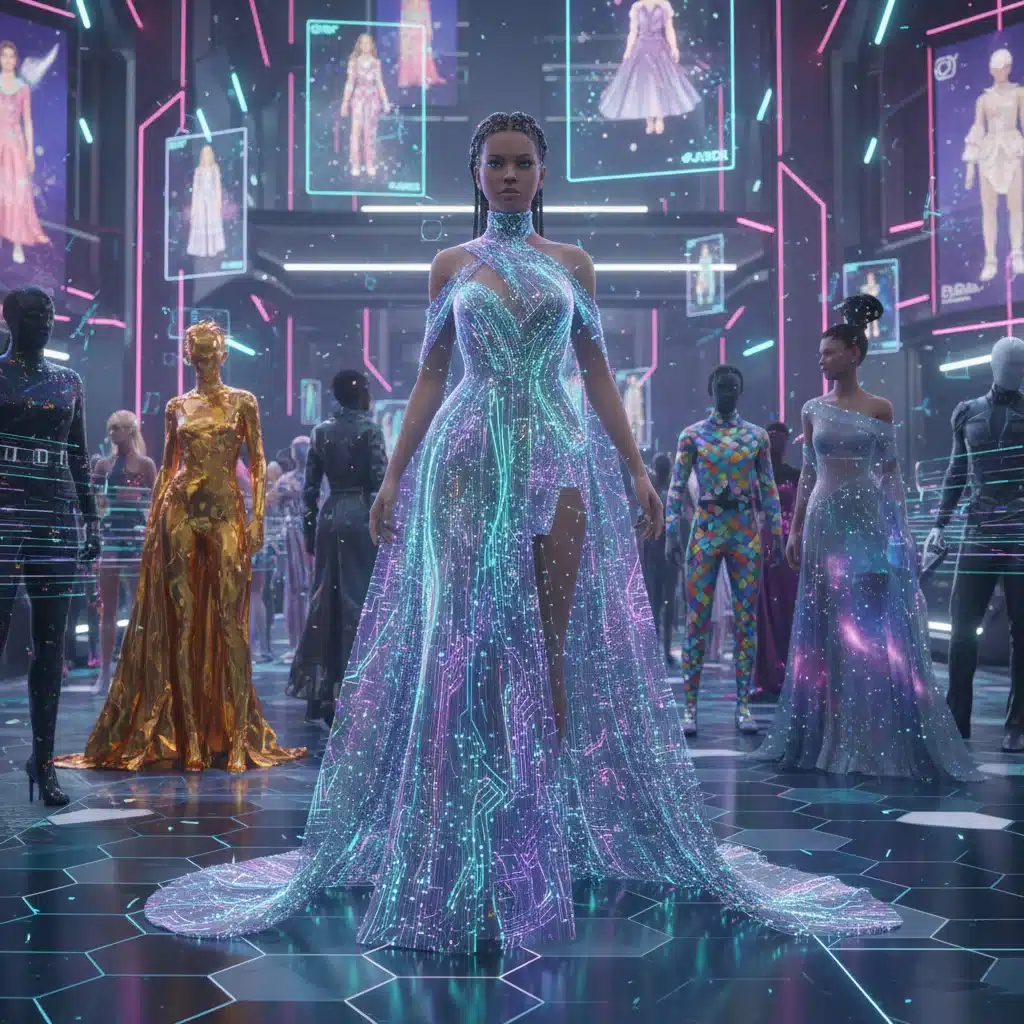
Advertisement
The Rise of Digital Fashion: 3 Ways US Consumers are Embracing Virtual Clothing in 2026
The fashion landscape is undergoing a revolutionary transformation, moving beyond the physical realm into an exciting new digital dimension. In 2026, the concept of virtual clothing is no longer a niche curiosity but a mainstream phenomenon, profoundly influencing digital fashion trends among US consumers. This shift is driven by advancements in technology, evolving consumer values, and the increasing integration of digital identities into our daily lives. From gaming avatars to metaverse personas and the burgeoning market for NFT apparel, virtual clothing offers unparalleled opportunities for self-expression, sustainability, and innovation. The allure of digital fashion lies in its boundless creativity, freedom from physical limitations, and its potential to democratize high fashion, making it accessible to a broader audience. As we delve deeper into this captivating world, we’ll explore the primary ways US consumers are not just observing but actively participating in the digital fashion trends revolution, shaping an entirely new wardrobe for the digital age.
The convergence of fashion, technology, and culture has created a fertile ground for virtual clothing to flourish. It’s more than just dressing up a digital character; it’s about extending personal style, identity, and even social status into virtual spaces. The environmental benefits are also a significant draw, as digital garments eliminate the resource-intensive processes associated with traditional clothing production. This article will uncover the three pivotal areas where US consumers are spearheading the adoption of virtual clothing, illustrating the dynamic and diverse nature of these digital fashion trends.
Advertisement
1. Gaming and Avatar Customization: The First Frontier of Digital Style
For many US consumers, the initial foray into virtual clothing came through the immersive worlds of video games. In 2026, gaming platforms have evolved far beyond simple entertainment; they are vibrant social hubs, creative playgrounds, and increasingly, critical arenas for personal expression. The ability to customize avatars with unique, often designer, virtual apparel has become a cornerstone of the gaming experience. This is where the earliest and most widespread digital fashion trends took root.
The Power of Personalization in Gaming
From Fortnite’s elaborate skins to Roblox’s user-generated content and the detailed character customization in RPGs, virtual clothing allows players to project their ideal selves into digital narratives. These aren’t just cosmetic enhancements; they are integral to a player’s identity within the game, often signifying achievements, affiliations, or simply a flair for style. Brands have keenly recognized this potential, collaborating with game developers to introduce exclusive virtual collections. Imagine a player sporting a virtual Gucci jacket in a racing game or a Nike sneaker in a virtual sports arena. These collaborations blur the lines between physical luxury and digital aspiration, making high fashion accessible to millions who might not otherwise engage with it.
Economic Impact and Brand Engagement
The market for virtual clothing within gaming is colossal. Players spend billions annually on digital items, including outfits, accessories, and emotes. This robust economy has attracted traditional fashion houses, who now see gaming as a crucial touchpoint for engaging with younger demographics and experimenting with new design paradigms. For example, Louis Vuitton’s collaboration with League of Legends or Balenciaga’s integration into Fortnite demonstrated the immense potential for luxury brands to expand their reach and relevance in the digital sphere. These partnerships are not just about selling virtual goods; they are about building brand loyalty and shaping future purchasing habits, proving that digital fashion trends are a serious business.
Advertisement
The Social Aspect of Virtual Wardrobes
Beyond personal expression, virtual clothing in games fosters a sense of community and social signaling. Players often coordinate outfits with friends, participate in virtual fashion shows, or use rare digital items to showcase their status. This social dynamic mirrors the real-world function of fashion, where clothing is a powerful tool for communication and belonging. As gaming continues to integrate social features and expand into broader metaverse experiences, the role of virtual clothing as a primary mode of self-expression will only intensify, solidifying its place as a leading digital fashion trend.
2. The Metaverse and Virtual Worlds: Expanding the Wardrobe Beyond Reality
While gaming provided the initial spark, the emergence of the metaverse and more expansive virtual worlds has truly ignited the imagination of US consumers regarding virtual clothing. In 2026, platforms like Decentraland, The Sandbox, and even more immersive social VR experiences offer persistent digital environments where users can live, work, socialize, and, critically, express themselves through their digital avatars. This is where digital fashion trends are truly blossoming into a comprehensive lifestyle.
Building Digital Identities in the Metaverse
The metaverse is not just a game; it’s a parallel digital existence. Here, your avatar is your representation, and your virtual clothing is an extension of your digital identity. Consumers are investing in virtual apparel to curate sophisticated digital personas that might be aspirational, fantastical, or even a direct reflection of their real-world style. This allows for a level of experimentation and creativity that is often limited by physical constraints, cost, or societal norms in the real world. Want to wear a dress made of stardust or a suit that changes color with your mood? In the metaverse, these concepts are becoming reality, fueling exciting digital fashion trends.
The Rise of Virtual Fashion Week and Digital Boutiques
Major fashion events are no longer confined to physical runways. Virtual Fashion Weeks, hosted in platforms like Decentraland, have become significant calendar events, showcasing collections from established brands and emerging digital designers alike. Consumers can attend these shows, browse virtual boutiques, and even purchase digital garments for their avatars, all from the comfort of their homes. This democratizes access to high fashion, allowing anyone with an internet connection to experience the glamour and innovation typically reserved for an elite few. These events are pivotal in shaping and disseminating new digital fashion trends globally.
Interoperability and the Future of Digital Wardrobes
A key challenge and exciting prospect for metaverse fashion is interoperability – the ability to take your virtual clothing from one platform to another. While still in its early stages, the vision is a seamless digital wardrobe that transcends individual virtual worlds. Imagine buying a virtual jacket on one platform and being able to wear it across all your metaverse experiences. This level of integration would significantly enhance the value and utility of virtual clothing, making it an even more compelling proposition for consumers. As this technology matures, it will undoubtedly accelerate the adoption of digital fashion trends.
3. NFT Fashion and Collectibles: Ownership and Scarcity in the Digital Realm
The third and arguably most revolutionary way US consumers are embracing virtual clothing in 2026 is through Non-Fungible Tokens (NFTs). NFT fashion introduces the concepts of verifiable ownership, scarcity, and authenticity to the digital realm, transforming virtual garments into valuable digital assets. This segment represents the cutting edge of digital fashion trends, blending art, technology, and commerce.
The Value Proposition of NFT Fashion
Unlike traditional virtual clothing, which can often be duplicated or is tied to a specific platform, NFT garments are unique digital items recorded on a blockchain. This means that when you own an NFT dress, you possess the sole verifiable proof of its ownership. This scarcity, combined with the artistic value and potential for future appreciation, makes NFT fashion highly desirable for collectors and investors. Consumers are not just buying an outfit; they are acquiring a piece of digital art with a unique history and verifiable provenance. This sense of ownership is a powerful driver for current digital fashion trends.
Exclusive Drops and Digital Couture
The NFT fashion market operates much like the high-end physical fashion world, with exclusive drops, limited editions, and collaborations between digital artists and established brands. Digital couture, once a theoretical concept, is now a thriving reality, with designers creating intricate, one-of-a-kind virtual garments that push the boundaries of design. These pieces can be incredibly expensive, reflecting their artistic merit, scarcity, and the prestige associated with owning them. For many, owning an NFT fashion piece is a status symbol, a declaration of their engagement with the avant-garde of digital fashion trends.
Utility Beyond the Digital Display
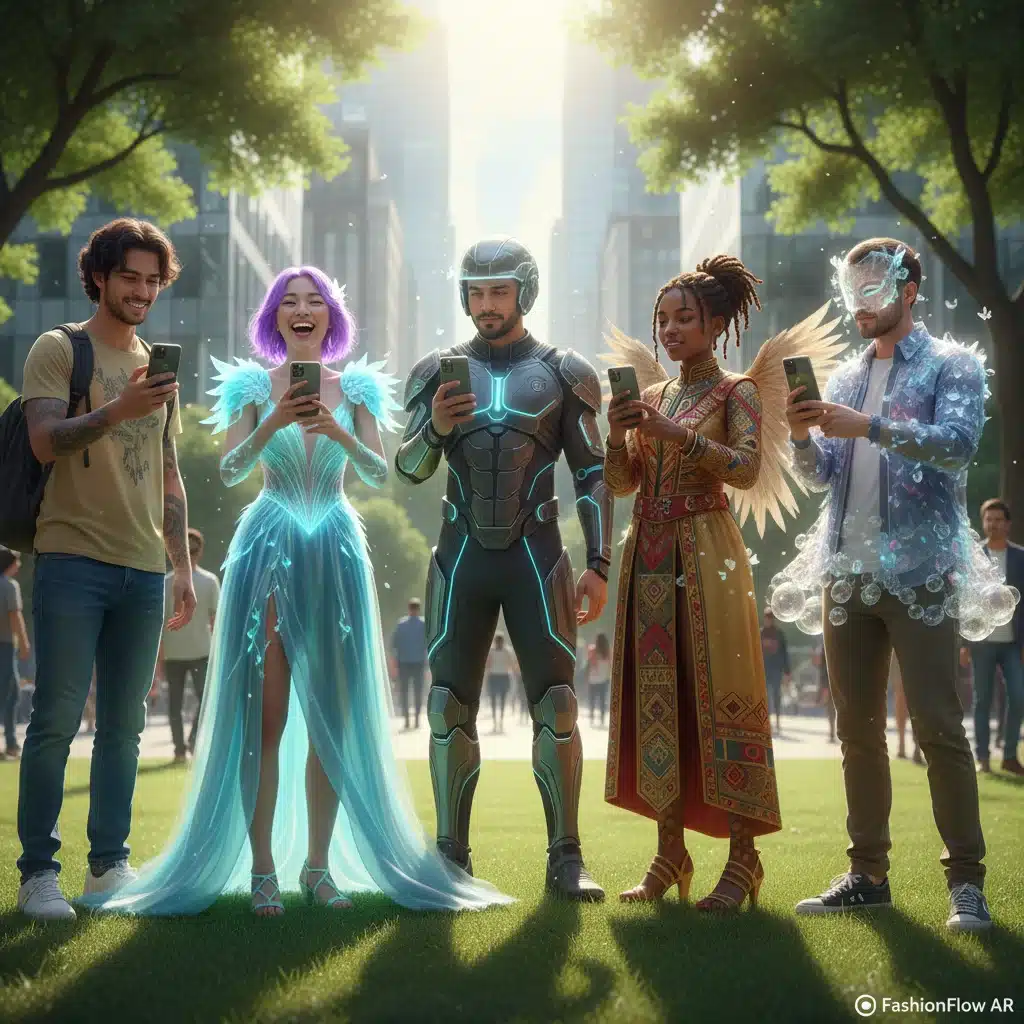
While some NFT fashion pieces are primarily art for display, many are designed with utility in mind. This might include the ability to wear the garment on your avatar across various metaverse platforms (as interoperability improves), access to exclusive communities or events, or even the potential for augmented reality (AR) filters that allow you to ‘wear’ the digital item in real-world photos and videos. This blending of digital ownership with practical application further enhances the appeal of NFT fashion, positioning it at the forefront of evolving digital fashion trends.
The Investment Aspect of NFT Fashion
Beyond aesthetics and utility, NFT fashion also attracts consumers as a potential investment. Rare and highly sought-after digital garments have seen significant price appreciation, leading some to view them as valuable assets in a burgeoning digital economy. This speculative element adds another layer of intrigue and excitement to the NFT fashion space, attracting a diverse range of buyers from traditional fashion enthusiasts to crypto investors, all keen on the next big digital fashion trend.
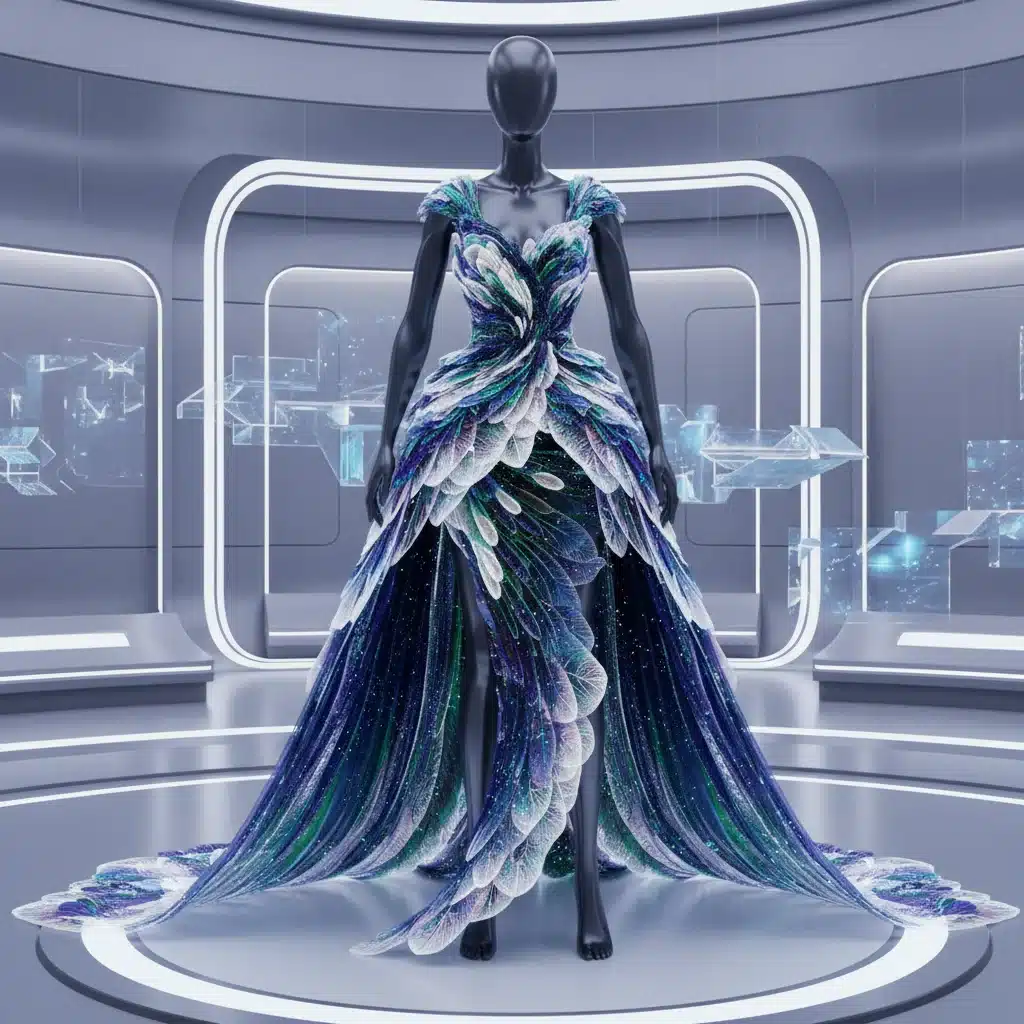
The Future of Digital Fashion: Sustainability, Accessibility, and Innovation
The embrace of virtual clothing by US consumers in 2026 is not just a passing fad; it represents a fundamental shift in how we perceive and interact with fashion. These digital fashion trends are driven by a confluence of factors, including technological innovation, a growing awareness of environmental impact, and a desire for greater self-expression in an increasingly digital world.
Sustainability as a Driving Force
One of the most compelling arguments for digital fashion is its inherent sustainability. The traditional fashion industry is notorious for its environmental footprint, from water consumption and chemical pollution to textile waste. Virtual clothing, by contrast, eliminates these physical impacts. Designers can experiment with materials, forms, and colors without consuming physical resources, offering a guilt-free avenue for fashion consumption. This aligns perfectly with the values of environmentally conscious consumers and reinforces the long-term viability of digital fashion trends.
Democratizing Fashion and Expanding Creativity
Digital fashion also offers unprecedented accessibility. High-end designs, once exclusive to a privileged few, can now be experienced and even owned by a broader audience in virtual form. This democratization fosters a more inclusive fashion landscape, allowing diverse voices and aesthetics to emerge. Furthermore, the digital medium liberates designers from the constraints of physical manufacturing, enabling them to create garments that defy gravity, change form, or interact with their environment in impossible ways. This pushes the boundaries of creativity, leading to truly innovative digital fashion trends.
Augmented Reality: Bridging the Digital and Physical
Looking ahead, augmented reality (AR) is poised to play an even more significant role in integrating digital fashion into our everyday lives. Imagine trying on virtual outfits in real-time through your smartphone or smart glasses, seeing how they drape and move on your physical body before making a purchase. AR filters are already popular on social media, allowing users to ‘wear’ digital accessories or clothing items. As AR technology advances, the line between digital and physical fashion will become increasingly blurred, making digital fashion trends even more tangible and pervasive.
Challenges and Opportunities
Of course, the digital fashion landscape is not without its challenges. Issues around digital rights management, intellectual property, and ensuring equitable access to these technologies are still being addressed. However, the opportunities far outweigh the hurdles. The continued innovation in 3D design software, blockchain technology, and metaverse development promises an even more dynamic and exciting future for virtual clothing. As more brands, designers, and consumers engage with this space, the pace of evolution for digital fashion trends will only accelerate.
Conclusion: A New Era of Self-Expression
The journey of virtual clothing from niche gaming accessories to a cornerstone of modern identity expression is a testament to the rapid evolution of technology and consumer behavior. In 2026, US consumers are actively embracing digital fashion trends across gaming, the metaverse, and the NFT market, each avenue offering unique forms of creativity, ownership, and social interaction. This paradigm shift not only redefines what fashion can be but also opens up new possibilities for sustainable practices, accessible luxury, and boundless imagination.
As we move forward, digital fashion will undoubtedly continue to intertwine with our physical lives, offering complementary ways to express ourselves, build communities, and engage with brands. The virtual wardrobe is no longer a futuristic fantasy; it is a present-day reality, constantly evolving and inviting us all to explore its infinite possibilities. The future of fashion is undeniably digital, and US consumers are leading the charge into this exciting new era of style and self-expression, making digital fashion trends an undeniable force in the global market.